


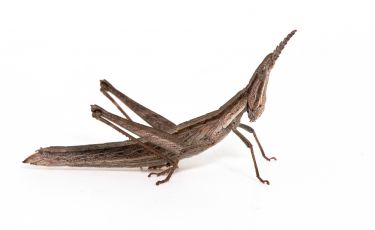
Sciences & Technology
The grasshopper that was lost, then found, is now endangered


As part of the Venice Biennale festival, the Adriatic Marbled Bush-Cricket has been reintroduced to lagoons via floating habitats, creating both an art installation and an ecological experiment
Published 11 May 2026
All around the world, one of the first signs of summer is the evening song of the cricket.
But the song is more than a familiar sound; it is also a signal of a healthy ecosystem.

Known as a stridulation, the sound is usually produced by males to attract a mate, begin courtship or repel a rival. The male cricket rubs one forewing with specialised teeth (a ‘file’) across a ‘scraper’ on the other wing, similar to a pick on a guitar string.
Crickets form vital ecological relationships, linking vegetation to other insects, birds, amphibians and small mammals. So, when their song vanishes, it is a warning that impacts are cascading across the food web.
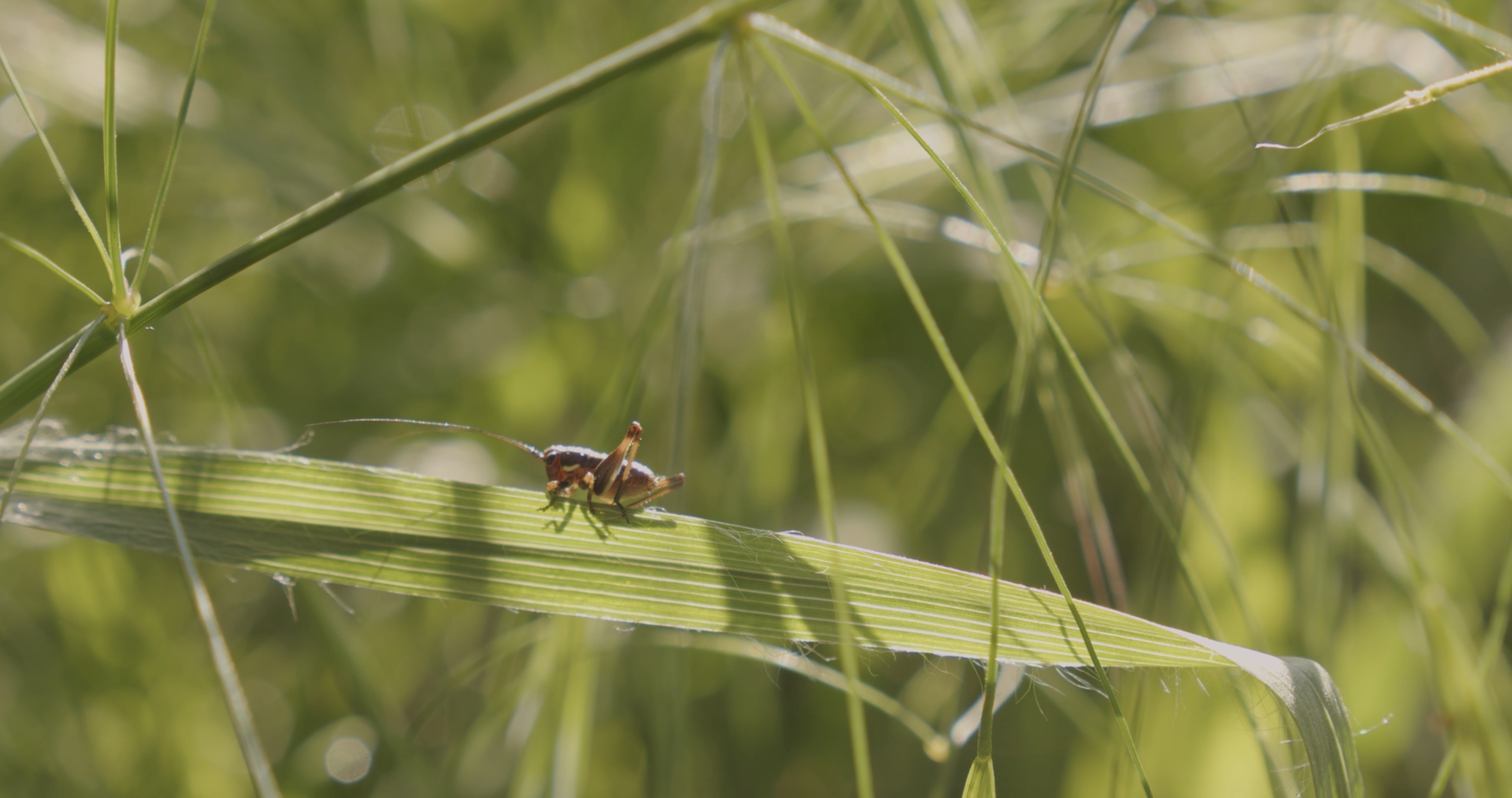
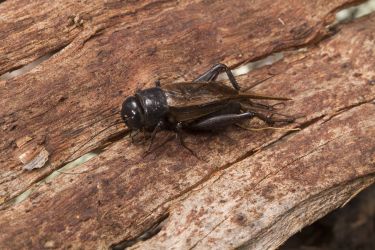
The Adriatic Marbled Bush-Cricket (Zeuneriana marmorata) once occupied wetlands across northern Italy and the Adriatic coast, until land-use change, habitat loss, altered hydrology and mosquito-control spraying between the 1940s and 1970s decimated its populations.
Today, the species survives in fragmented inland and coastal habitats across Italy and Slovenia, with an estimated annual population of 5,000 adults.
Sciences & Technology
The grasshopper that was lost, then found, is now endangered
Absent from the Venice Lagoon for decades, its disappearance inspired our team to develop the exhibit Song of the Cricket as part of the Venice Biennale.
The work was designed as a ‘living exhibition’, complete with floating habitats to allow breeding and relocation of new populations across the Lagoon – designed to continue long after the Biennale.
This month, we have already identified nymphs – young, immature crickets – emerging from the Biennale population of crickets at the translocation site. We will continue to monitor and evaluate population growth and its spread across the lagoon.
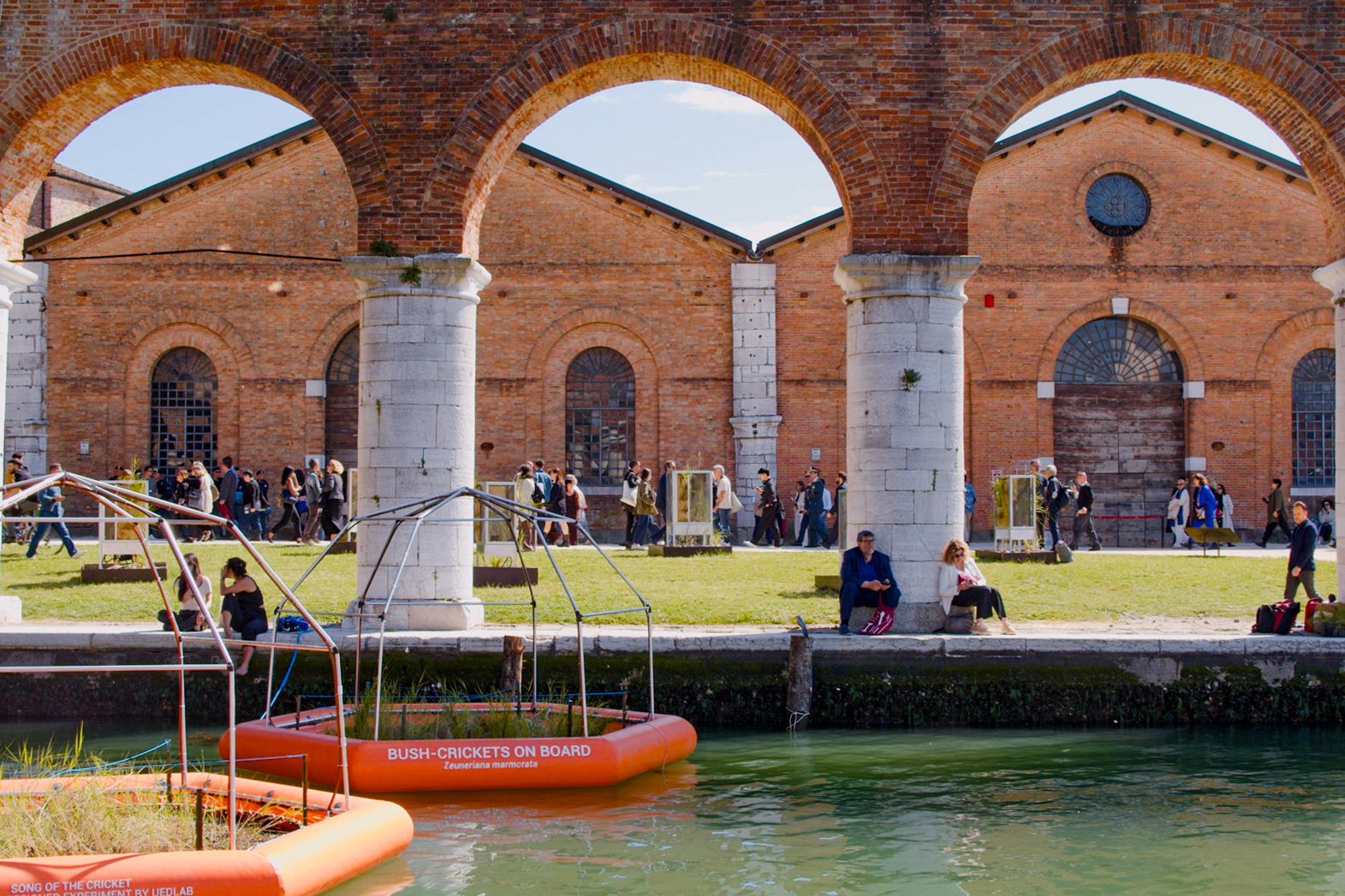
Every two years, hundreds of thousands of visitors converge on Venice to explore the Biennale – widely considered the world’s most celebrated festival of architecture and ideas.
In 2025, at the 19th International Architecture Exhibition of La Biennale di Venezia, curated by Carlo Ratti, visitors encountered something unexpected: a small singing insect whose ancestors once chirped across the lagoon’s marshes.
Our project asked whether the return of the Adriatic Marbled Bush-Cricket insect – through landscape design and environmental monitoring – could help guide the recovery of lagoon habitats.
Juvenile crickets were collected from surviving inland populations at Parco del Mincio, reared to early adulthood and transported to Venice.
The species was specifically selected because its annual life cycle – from hatching and maturation to reproduction and death – aligns closely with the timing of the Biennale, from May to August in the Northern Hemisphere.
These breeding enclosures, or living laboratories, contained reeds, sedges and rushes typical of Phragmites wetlands.
They also included rhizomes for refugia (microhabitats that support species), layered constructed soils and irrigation systems to maintain moist gradients – all designed to support the cricket’s development.
The installation was placed in the Arsenale’s Gaggiandre, an enormous shipyard. Visitors viewed the cricket enclosures while listening to field recordings from northern Italian wetlands and a musical composition, creating an immersive environment.
The public could also explore a compendium of over 60 global cricket songs played into the Gaggiandre, creating an acoustic portrait of insect biodiversity.
So, from May - July 2025, the first time in nearly a century, the live song of the Adriatic Marbled Bush-Cricket returned to the Venice Lagoon.
At the end of the festival, the eggs were moved to floating habitats for the next stage of the project, and importantly, the next stage of their life cycle.
Central to the project were modular floating islands designed to transport cricket eggs to potential reintroduction sites across the lagoon.
Sciences & Technology
A bit of bling helps insects dazzle their predators
Functioning as both sculpture and experiment, these mobile habitats follow a ‘Designed Experiments’ approach, developed in the Urban Ecology and Design Laboratory (UEDLAB) over two decades.
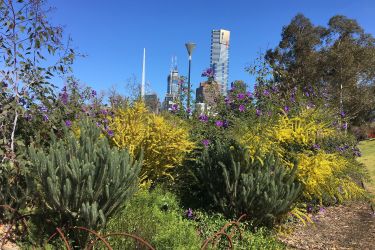
Other examples include everything from constructed urban forests in New York City to Matchstick grasshopper reintroductions and constructed raingardens in Australia.
This approach combines ecological research with spatial design prototypes. It allows scientists and designers to collaborate in testing environmental interventions while engaging the public through the experiments.
By improving food, water and nesting conditions, these islands support small, isolated populations of target species, particularly crickets, which, once reintroduced to new locations, could contribute to understanding how small wetland species respond to restored habitat conditions.
The islands create temporary habitats to facilitate reproduction and breeding across multiple life cycles while allowing distribution. Netting can be used to reduce predation.

Following the Biennale, eggs produced during the exhibition were transferred to the Valle Averto Oasis, a protected area along the lagoon with constructed channels controlling hydrology and separated by an embankment built by the Romans.
The Song of the Cricket was nominated as a Special Project at the Biennale, given its direct response to the Biennale theme, 'Intelligens. Natural. Artificial.'
Alongside the biological work, researchers at Centre for Spatial Data Infrastructures and Land Administration (CSDILA) conducted geospatial analysis to track how the lagoon has changed over time and make predictions around targeting future reintroduction sites.
Using satellite imagery, environmental indices and ecological data, the team mapped shifts in vegetation, wetlands and potential cricket habitat across four decades.
Sciences & Technology
Dengue-blocking mosquitoes here to stay
These analyses reveal how urban development, hydrological engineering and sea-level change impact the lagoon’s fragile ecosystem.
The work lays the foundation for future planning with digital technology. By integrating landscape data, habitat models and climate projections, researchers aim to develop a guide and monitor future species introductions towards large scale rehabilitation.
Recording the song of the crickets provides evidence of the health and distribution of populations.
Researchers on our team have recorded the populations at the Biennale and will continue to develop an archive of bioacoustics data for comparison and evaluation overtime.
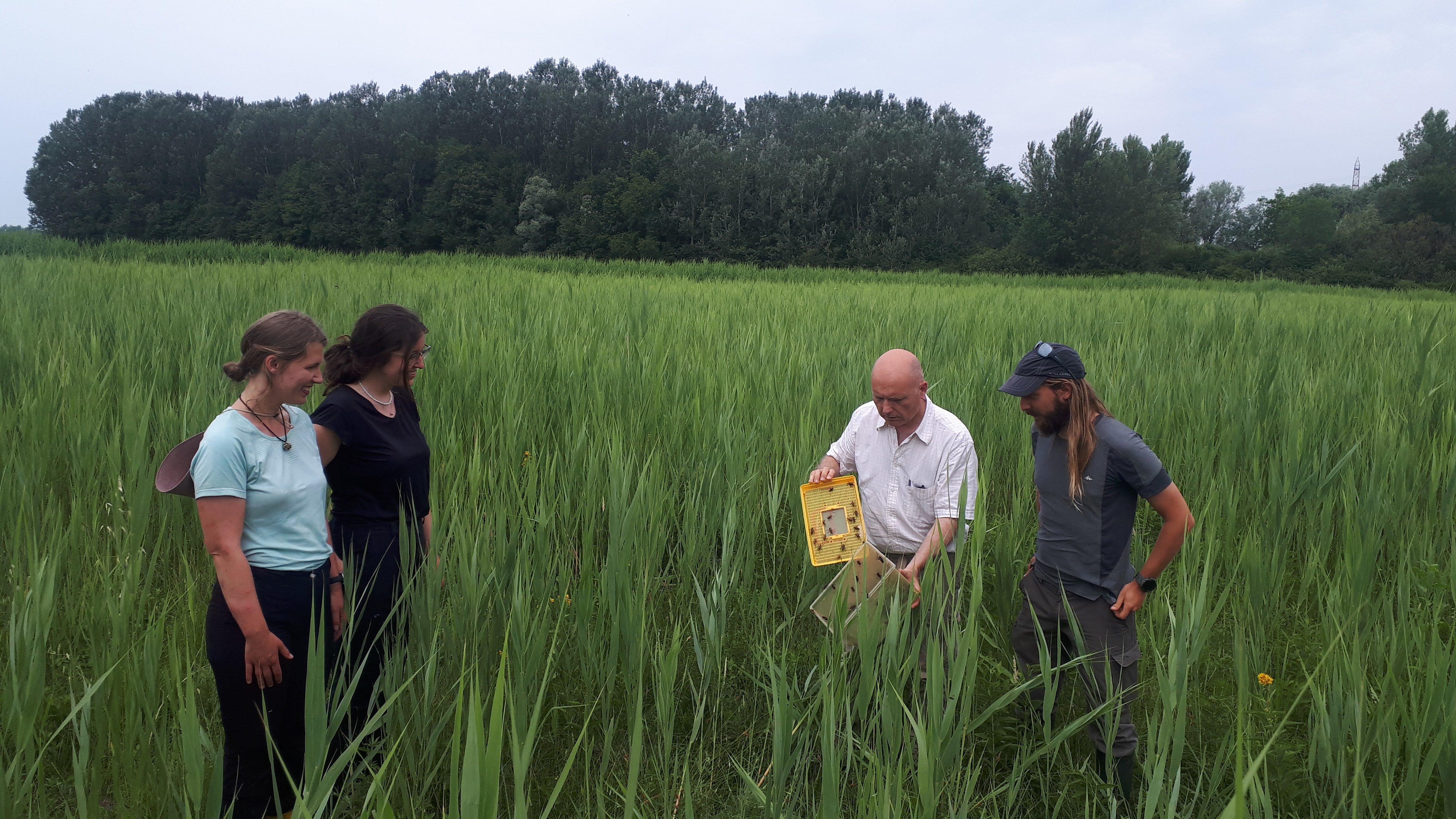
Recording the song helps us understand how ecosystems respond and recover. In this way, the insects become living sensors – bioacoustic sentinels that can reveal subtle changes as the lagoon adjusts to altered hydrology.
And these shifts are already underway.
Venice’s MoSE flood defence system (Modulo sperimentale elettromeccanico), designed to protect the city from rising seas, is reshaping tidal patterns across the lagoon.
The gates alter the timing and frequency of the acqua alta floods that historically moved sediment and sustained the mosaic marsh habitats where crickets once thrived.
Sciences & Technology
Victoria’s new habitat law fails to protect a tiny endangered species
Venice has celebrated the insects for centuries, for example, as part of the medieval silkwork, agriculture and trade.
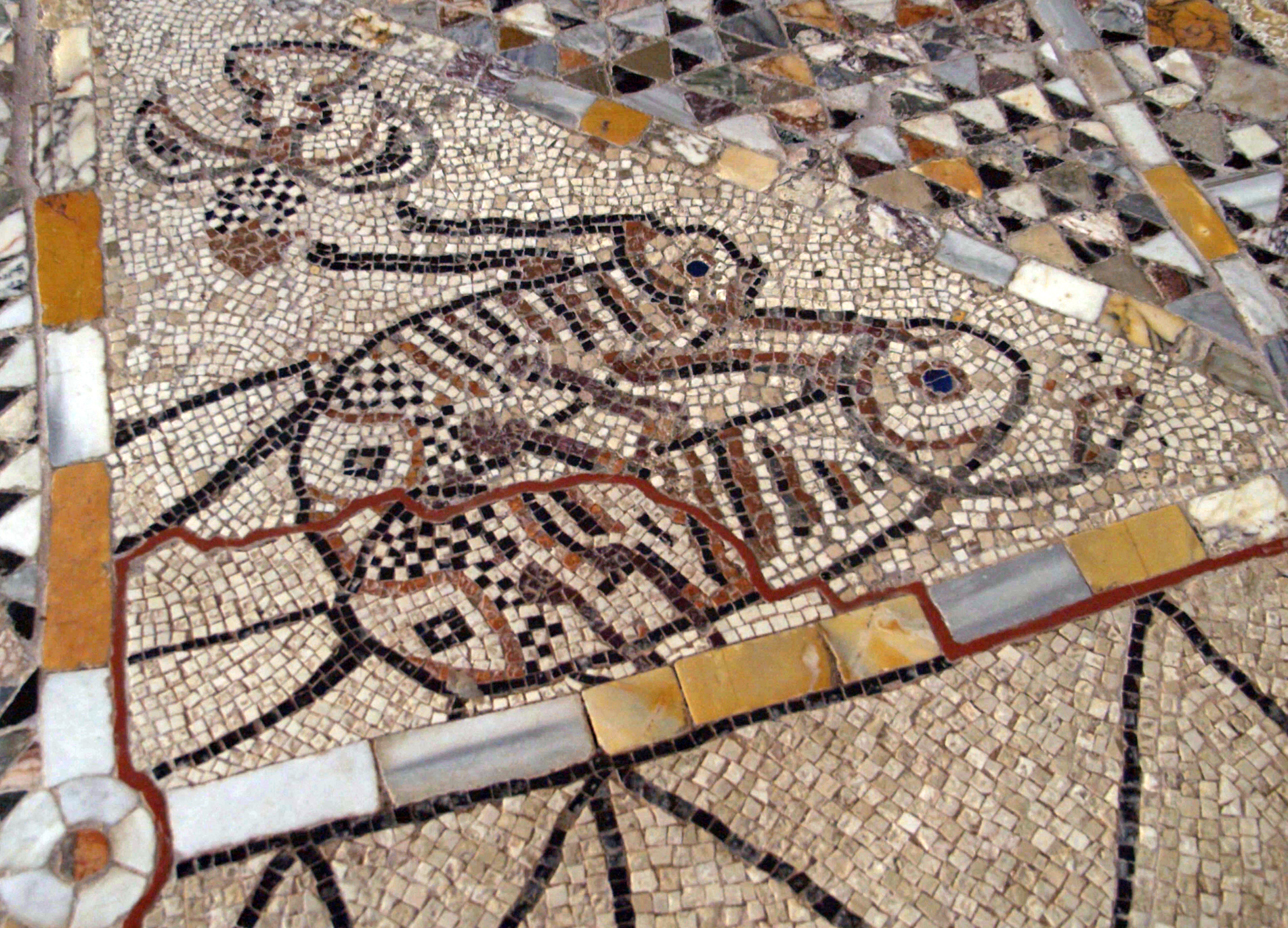
In Venice and the surrounding lagoon, insects resembling crickets appear in medieval visual culture, including a mosaic from around 1140 in Murano.
Song of the Cricket extended this tradition, linking the lagoon’s natural history to its cultural resonances. Our team has now relocated crickets from the exhbit to the Valle Averto Oasis.
One of the next steps for our team is to build on the work in Italy by exploring Indigenous knowledge around culturally significant insects in Australia.
Conversations are also continuing with Italian universities to host another Italian exhibition at Esapolis Museo, thanks to the cooperation with the Province of Padova.
The Song of the Cricket offers a new model for conservation, where art, design and science work together to restore ecological relationships.
In a city defined by its relationship with water, the return of the cricket’s song is an active experiment in listening to landscapes, species and environmental change.
These sounds echo across the lagoon, reminding us that even small voices can guide the way we design and adapt to the environment.
Project background:
This project was developed by a team of Australian and Italian partners, led by Professor Alexander Felson and the UEDLAB, in partnership with entomologist Dr Filippo M. Buzzetti from the Fondazione Museo Civico di Rovereto in Italy and the Living Insect Museum Esapolis of the Province of Padova, led by Enzo Moretto, managed by Kheprica APS and Butterfly Arc Srl. The UEDLAB also includes Gina Dahl, Harrison Baxter and Vittorio Lovato.
Through the Melbourne Biodiversity Institute, Professor Felson was introduced to composer and Associate Professor Miriama Young from the Faculty of Fine Arts & Music, and to Dr Monica Lim. They tested the music composition and wetland sound garden with Arup SoundLab, and worked with the School of Computing and Information Systems to develop an interactive map for the 60 global cricket songs that could be played as part of the exhibition. Theresa Jones was also involved in the bioacoustics for the project.
Associate Professors Alice Kesminas, Jagannath Aryal and Data Engineer Maz Tootkaboni contributed to geospatial mapping in collaboration with Arup’s ecology team and the UEDLAB.
Concurrently, Professor Felson and the UEDLAB collaborated with Professors Michael Kearney and Ary Hoffmann on the translocation of Matchstick Grasshoppers (Vandiemenella viatica) into Melbourne’s Royal Park. These parallel efforts developed into an ongoing international collaboration. The team is also working with Natalie King in an advisory curator role and with Professor Michael Shawn Fletcher from the Faculty of Science, initiating exploration around Indigenous knowledge in Australia.
The crickets were collected from Parco del Mincio and have now been relocated to the Valle Averto Oasis, a WWF site, in collaboration with Director Marco Baldin.
Project technical partners also include Servizi Tecnici, Societa di Ingegneria, Fab Lab, Machine Workshop and Maker Spaces, University of Melbourne, Alessandro Liuti and Mattia Mercatali, WET Systems, Australia, Aflex Technology, New Zealand, Biomatrix Water Solutions, Scotland.