Environment
Designing-in difference


Australia’s housing just isn’t good enough when it comes to dealing with winter temperatures – we need to take lessons from the Northern Hemisphere

Published 23 June 2021
There are a lot of things to love about Melbourne, but the changing weather isn’t always one of them.
Unlike the majority of Australia, which is dominated by sunshine and heat, anywhere south of the 35th parallel, including Melbourne in Victoria and Hobart in Tasmania, is at the mercy of the Southern Ocean’s weather patterns that deliver Antarctic blasts and cliff-like plunges in temperature.

For people new to Australia, the sudden cold in a place otherwise known as the “sunburnt country” can be a shock.
But that shock is often less to do with the outside temperature and more to do with how it feels indoors.
“I’ve never been so cold in my life,” some say, adding incredulously that “the windows only have one pane and there’s an inch-high gap under all of the doors”.
I don’t know where the term ‘glorified tent’ originated, but that is what many think of our Australian housing.
Perhaps the poor insulation of our cooler climate homes is the result of living on a continent dominated by warm weather, where airflow and big windows make sense.
But whatever the reason, the reality is our housing performance lags behind most other comparable countries.
Environment
Designing-in difference
As far back as 2005, our research for the Australian Greenhouse Office showed that Australia’s then Five Star minimum standards were actually about Two Stars below the equivalent standards in the UK, US and Canada.
And Europe is miles ahead.
High performance standards like the Passivhaus (Passive House) Standard in Germany, Minergie in Switzerland and Réglementation Thermique 2012 in France, that have been around up to 30 years, aim to improve the design of houses and their passive temperature control, rather than relying on artificial heating and cooling.
In many cases, the winter performance of these buildings is now so high that the current problem they face is, in fact, overheating.
So, if you have a coffee-like addiction to your heater, it’s a pretty good indication that the house you live in isn’t designed to deal with the cold.

It means your house, unlike a Northern Hemisphere house, lacks thick insulation, tight air seals and high-performance glazing including double (sometimes even triple) glazing.
And while it is possible to achieve warmth with a big enough heating system, this is inefficient and expensive.
Often, that pleasant comfort disappears as soon as the heater is off, leaving you with cold surfaces, cold draughts and a hankering for wearable doonas.
The more sensible option instead is to improve the performance of the building itself, with the goal of preventing heat loss through the building materials.
This includes through the window panes, door gaps, exhaust fans, fireplaces, down lights and plumbing penetrations to name a few.

Sciences & Technology
Explaining Melbourne’s crazy but predictable weather
Passive design and construction principles can work both ways.
By better insulating your house to keep the heat in during winter, you also make it more efficient at keeping cool in summer, especially if you can better shade windows and other glass areas.
Any new dwelling in Victoria (and most of Australia) is required to achieve a minimum Six Star energy rating.
There is ongoing criticism that this minimum performance standard is too low and misleading.
But there's also a significant difference between comfort in an older existing house – that probably achieves Zero, One or Two Stars – and this new standard.
It isn’t always wise to only rely on the Six Star minimum standard if you're building a new home. There's a lot more that can be done to ensure heat loss is minimised even further.

You can request that the designer or builder identify what would be required to increase the star rating to Seven or Eight stars.
It's also worth investigating whether any additional requirements would achieve passive design measures, including meeting the Passive House standard, where heaters are only infrequently used.
And it’s not just about the design of the house, it’s also about the the construction’s quality and attention to detail that makes all the difference.
If you are renting, the chances are you won’t put a screw in a wall to hang a picture let alone make changes to the thermal properties of the building.
Fortunately, Victoria recently introduced the Rental Tenancies Act in 2021, which rules that all homes must have a fixed heater in the main living area by March 2021 (and a Two Star minimum heater by 2023).
This step is a pretty clear indication of how poorly heated some rental houses were up until then.
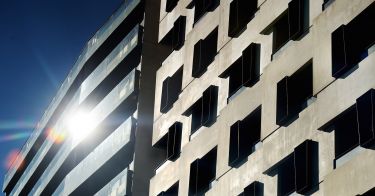
Rental housing in Victoria now requires by law the installation of reverse cycle air-conditioning.
This is far superior from an energy performance perspective if we compare it to an old inefficient electric resistance heater. But it won’t keep the house warm when it’s turned off.
The new law also prevents Victorian landlords from refusing requests from tenants to make minor changes to the property to improve winter performance.
One unfortunate side effect of sealing buildings to improve comfort in winter is an increase in indoor moisture which can lead to condensation and mould.
Common sources of excess moisture of this include showers, cooking and un-vented clothes dryers.
This can be a very serious health problem.
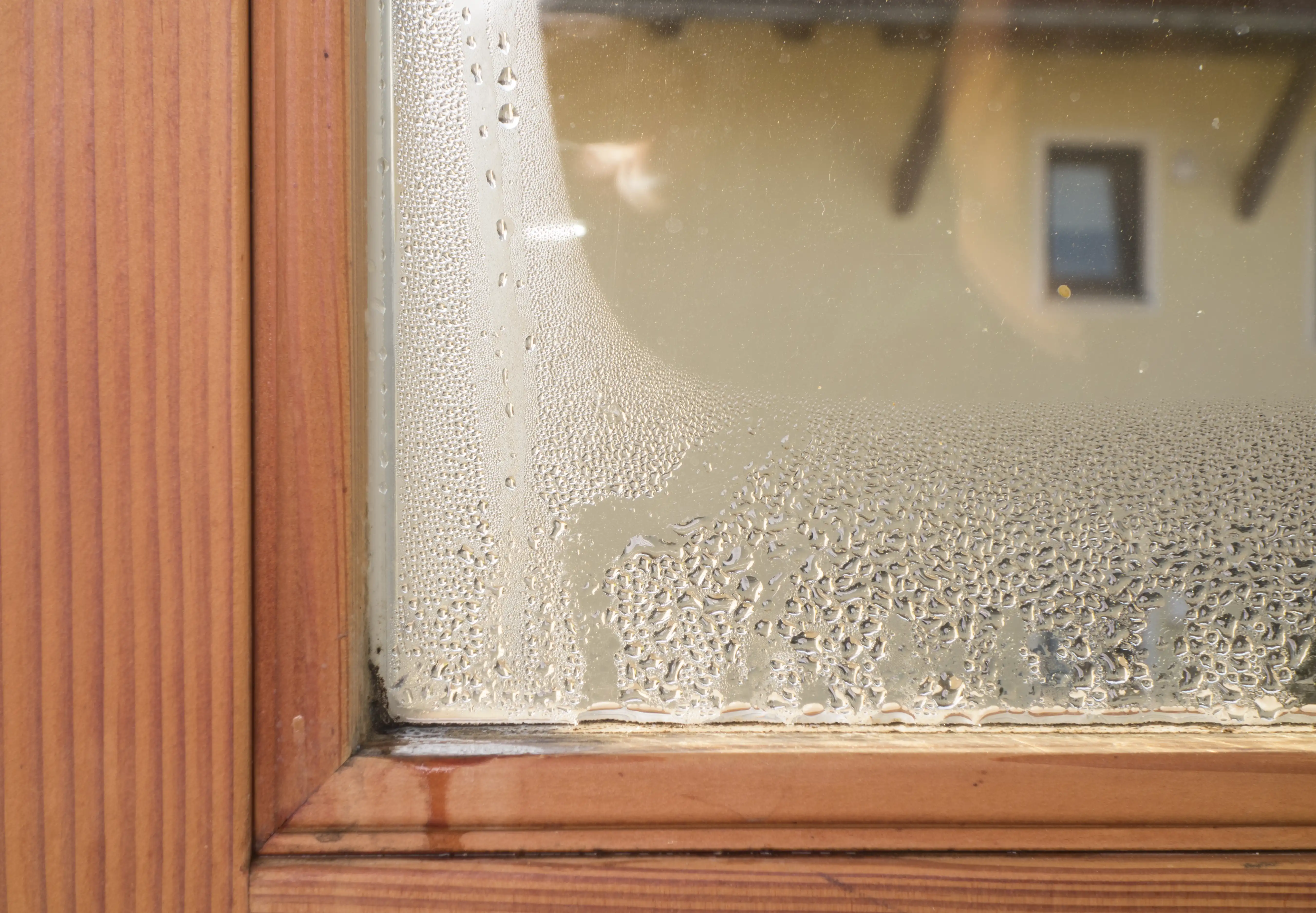
One way to ensure ventilation while keeping a house warm is to install a heat-recovery ventilator which draws in fresh air, warming it with the heat of the vented stale air.
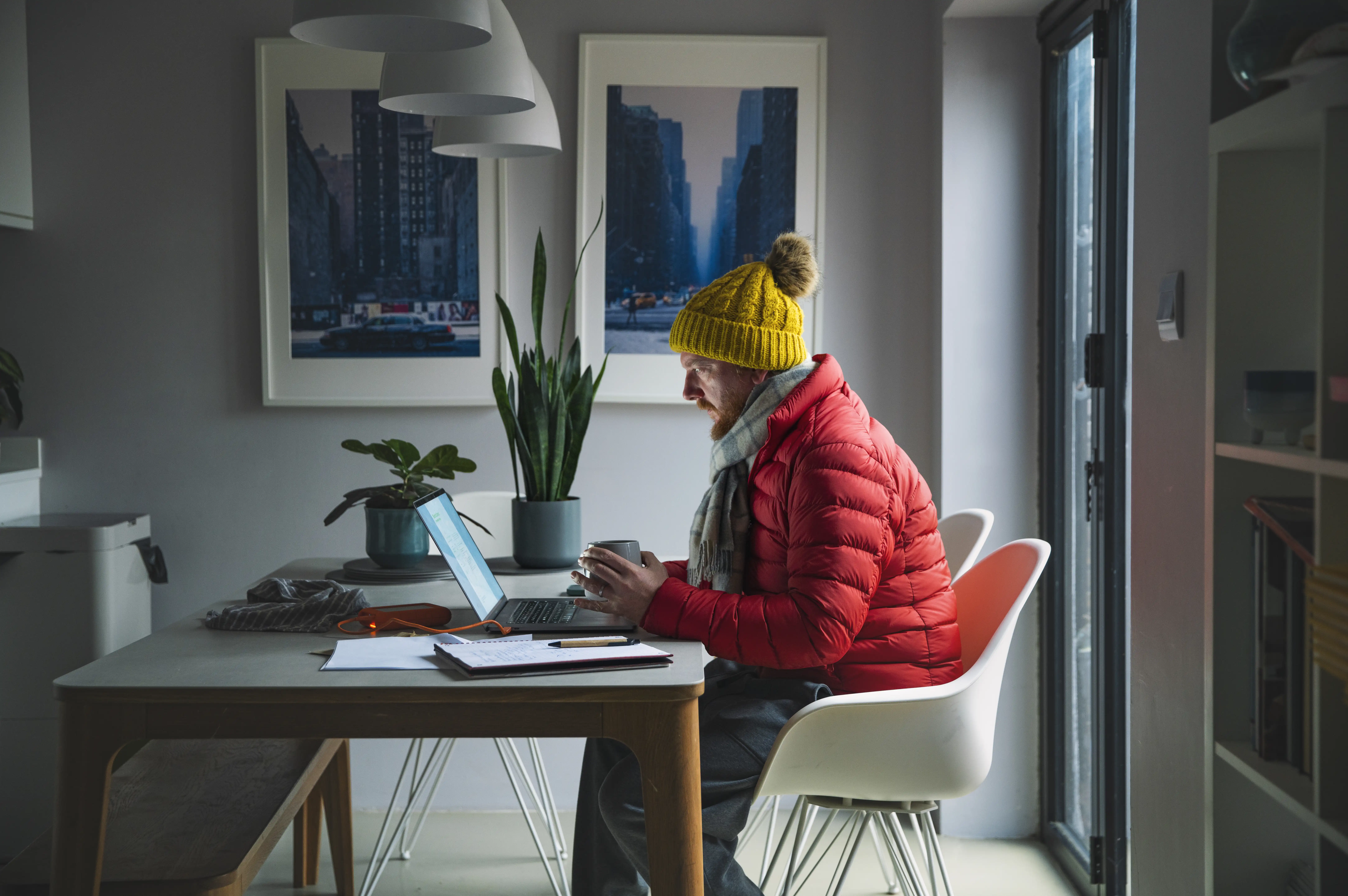
There is no good reason why Australians living in the cooler southern states are streaming their favourite shows while wearing full winter coats and wearing woolly hats.
We shouldn't be feeling colder than people doing the same in Helsinki or Tokyo inside our own homes.
We might be the ‘lucky country’ in many ways, we aren’t lucky with our housing.
We can all take practical steps to ensure our homes are warm in the winter and cool in the summer – making our living spaces genuinely comfortable spaces to live.