Politics & Society
Debate over NDIS budget ignores the cost of workforce exclusion


A new Australian platform – co-designed by people with disability and carers – is helping build connections through physical activity

Published 5 June 2026
Almost one in three Australians experiences loneliness. For people with disability and care workers, that number can be even greater.
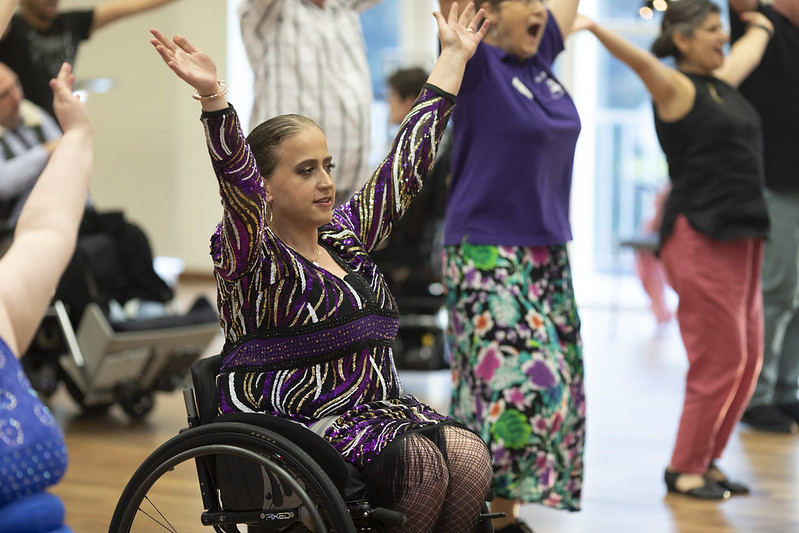
Many people living with disability face barriers to participating in physical activity, while carers often struggle to find time, social support and opportunities to look after their own wellbeing.
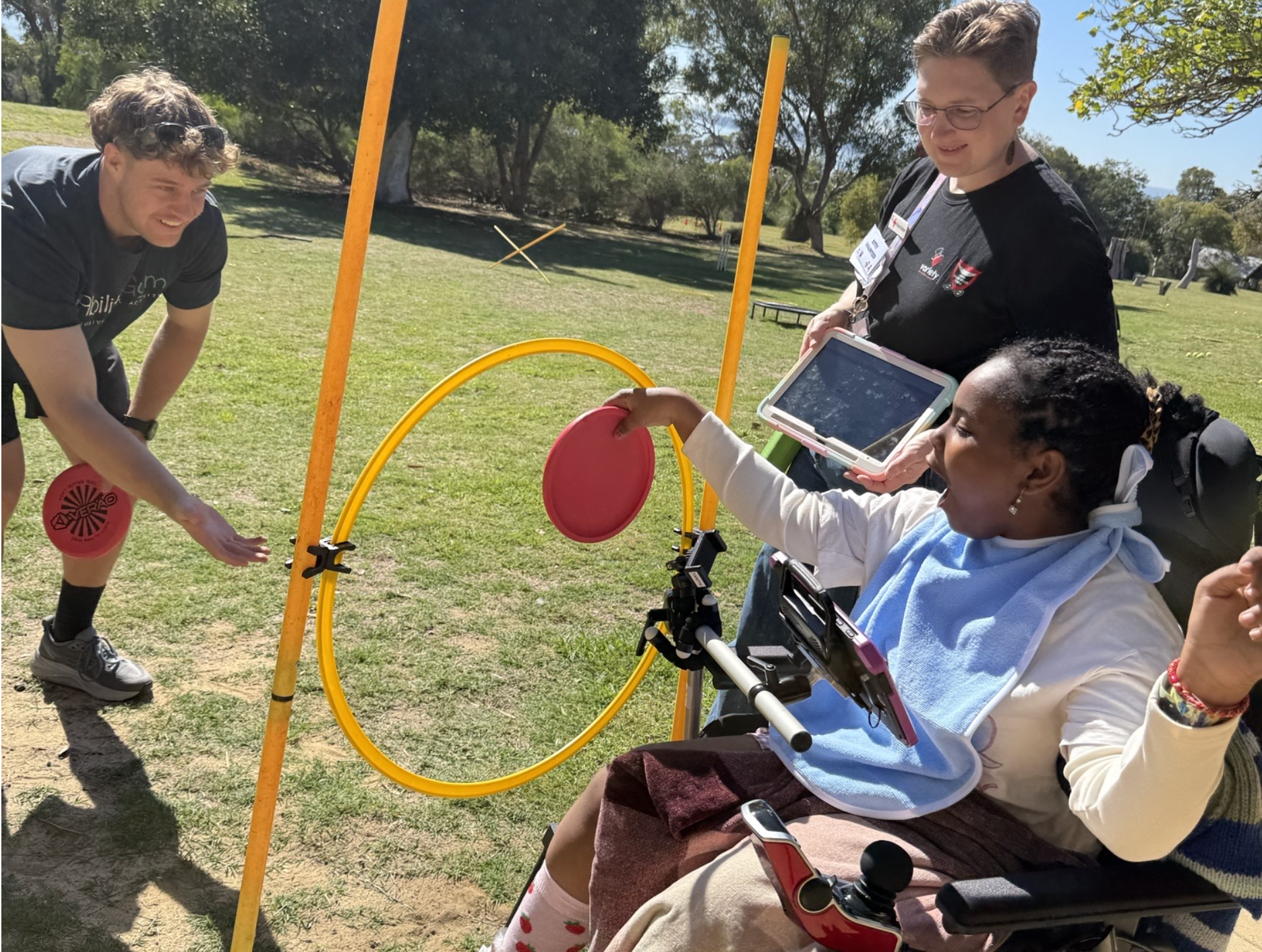
Despite contributing an estimated AU$77.9 billion annually in unpaid care to the Australian economy, carers frequently experience poorer physical and mental health than the general population.
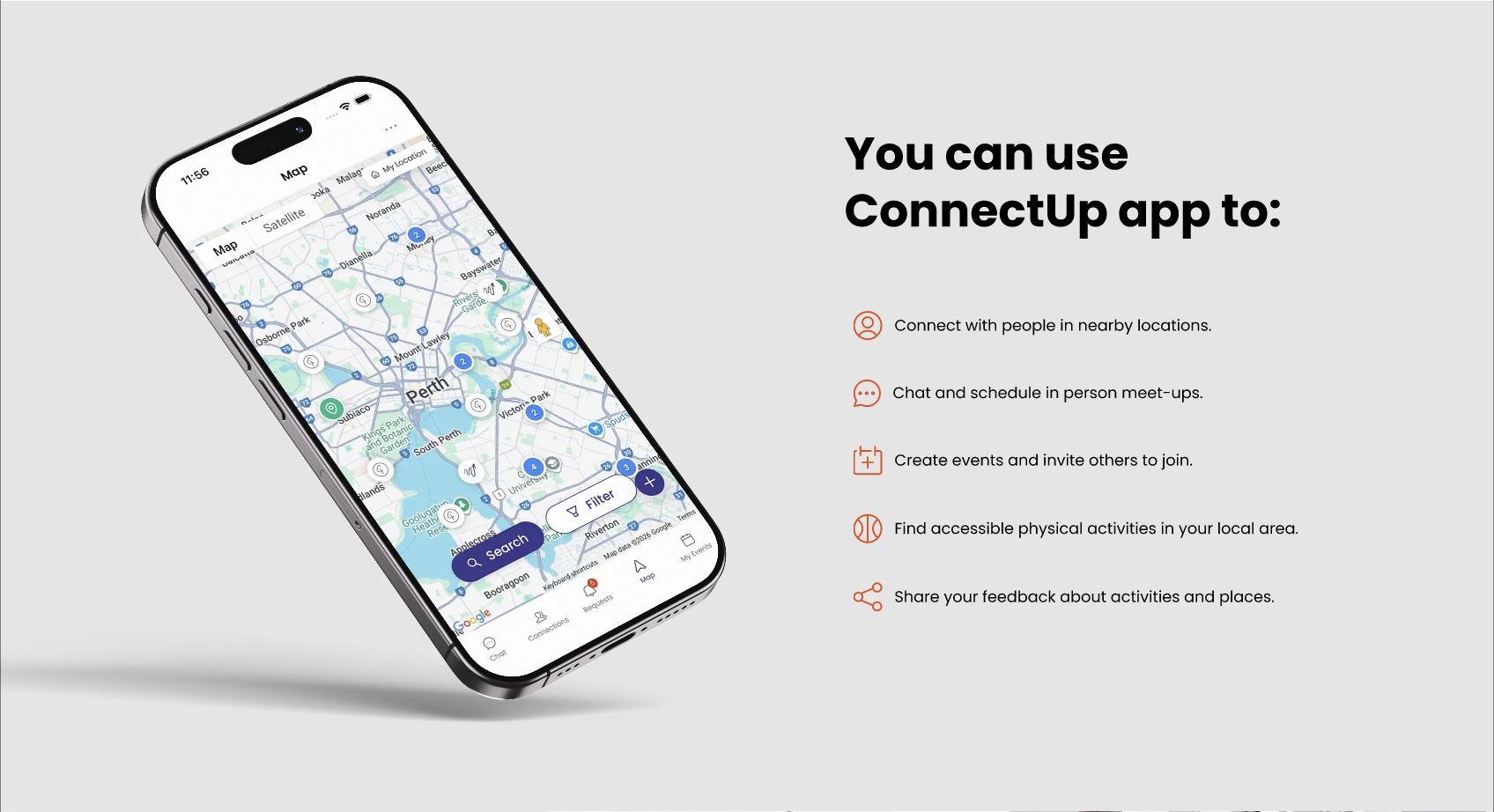
To help change this situation, our research team developed ConnectUp, a new digital platform that allows people with disability and carers to find others nearby, explore inclusive physical activities and venues, and strengthen community through shared experiences.
App users can create profiles, chat with others in their local area and organise activities together, whether that is a game of football, attending an inclusive fitness class or simply meeting for a walk in a local park.
They can also review venues and events, helping others identify spaces that feel accessible, inclusive and welcoming.
Politics & Society
Debate over NDIS budget ignores the cost of workforce exclusion
But the idea for ConnectUp did not begin with technology. It began with the problem that many of us face today – social disconnection.
For me, the issue is deeply personal. In 2017, my parents were involved in a car accident. I lost my mother and became a primary carer for my father.
After years of living abroad in Scotland, England and Australia, I returned to Poland during an incredibly difficult period of my life. I remember finding someone to exercise with who lived nearby, and who understood that the realities of being a carer were challenging.
That experience stayed with me and later shaped the early ideas behind ConnectUp.
In 2020, working alongside Carers WA, our research team responded to a funding call focused on improving social connections among people with disability and carers.
At the time, digital connection was becoming increasingly important. The COVID-19 pandemic had intensified social isolation for many Australians, particularly those already facing barriers to community participation.
The first prototype worked – at least partly.
People signed up. They chatted online. But many never actually met in person.
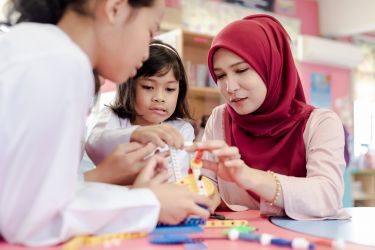
Some users told us what they really wanted was not another social platform, but some reliable information about what was happening in their local communities, accessible activities, inclusive venues and places where they felt welcome.
During co-design sessions with app users – people with disability and carers – several insights pointed to the need for this platform:
I think it's bringing all those together in the one umbrella, and everybody promotes the one thing. At the moment, I get all my resources from different newsletters, and I think you need something that's geographically located.Carer, User co-design Workshop 1, hosted by Carers WA.
We all have different things that we are knowledgeable about, and it's just bringing it togetherPerson with disability, User co-design Workshop 3, hosted online
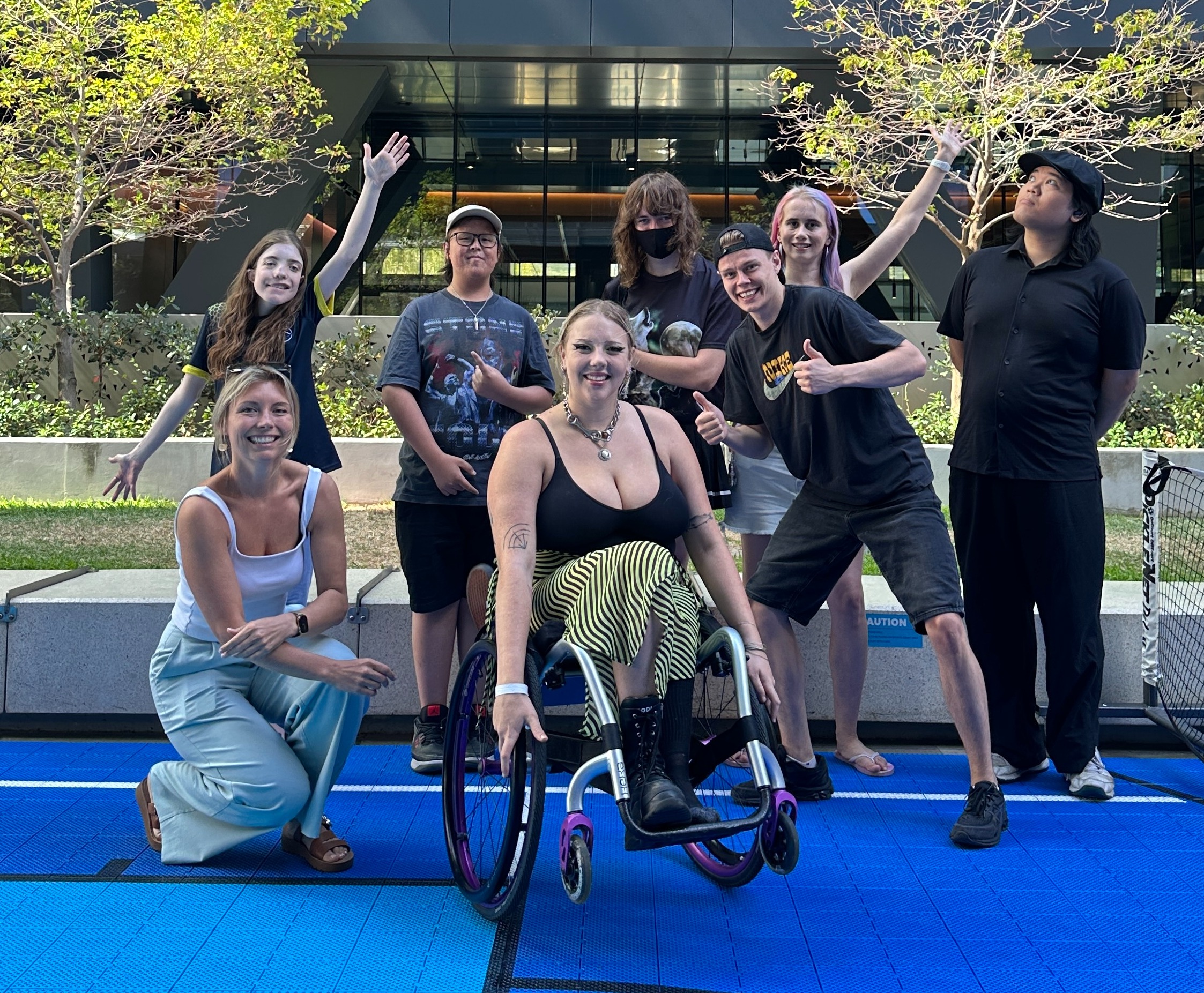
The insights these sessions provided fundamentally changed the direction of the project.
The challenge was not only helping people find each other and communicate online.
We needed to help them feel confident enough to leave the house, discover local physical activity opportunities and build confidence to participate in community life.
Research consistently shows that social connection and physical activity are closely linked to mental and physical wellbeing.
Yet for many people with disability and carers, opportunities for both are difficult to access.
So in 2023, our team partnered with the Australian Citizen Science Association and we changed the direction for how community information could be gathered and shared.
Business & Economics
Cutting the commute for students with a disability
Citizen science is often associated with documenting bird populations, monitoring biodiversity or tracking environmental changes. But we saw an opportunity to apply the same idea to social participation and inclusion.
What if communities themselves could help identify and review inclusive spaces, activities and opportunities for connection?
What if users could share local knowledge about which venues are genuinely accessible, welcoming and supportive?
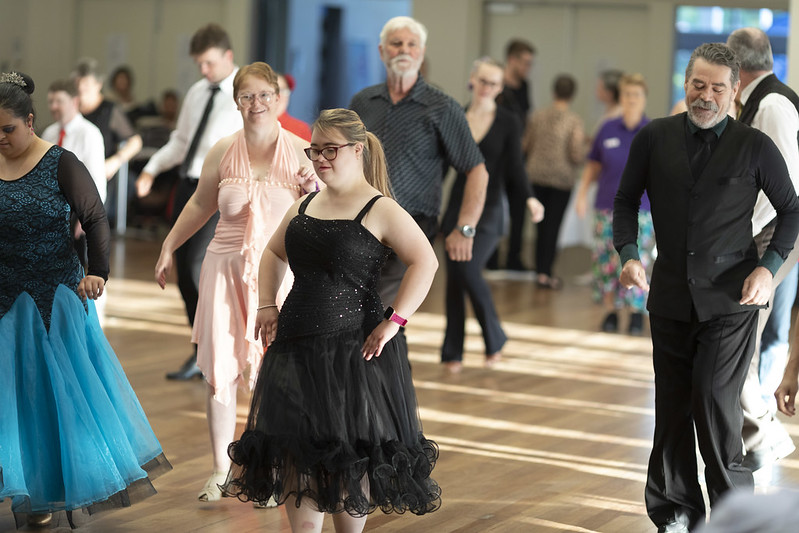
The project expanded into a national collaboration with researchers from eight Australian universities, the Commonwealth Scientific and Industrial Research Organisation (CSIRO) and a range of disability and community organisations.
Our healthcare partner Ramsay Health Care and organisations like WA Disabled Sports Association (WADSA) and Ballroom Fit were integral to the app's development.
But the most important contributors were the users themselves.
People with disability and carers have been directly involved in shaping the platform through an extensive co-design process.
They influenced everything from the app’s logo and functionality to how people communicate, what information is shared and how accessibility features work.
Inclusivity shaped every stage of app development.

Health & Medicine
Making disability support work across real lives
The feedback during the testing phase from young adults aged 18 to 25 was particularly important because younger users often have strong expectations around online experience, accessibility and communication styles.
Their insights helped the team rethink features, simplify navigation and improve the overall feel of the platform.
ConnectUp then underwent multiple rounds of testing with users across different disability groups and caring roles to improve accessibility and usability.
Importantly, accessibility was not treated as an ‘extra feature’ added later in development. It was embedded from the beginning.

Safety is also central to the platform. Users must be over 18, they must agree to the community guidelines and are able to report inappropriate behaviour and content.
The aim is to create a trusted and inclusive online space that supports meaningful real-world connections.
ConnectUp is not only about digital interactions.
Physical activities are often discussed in terms of fitness or health outcomes, but for many people it's also about belonging.
Going for a walk with someone, joining a community activity or feeling comfortable in a public space can strengthen confidence, independence and social participation.
Health & Medicine
Caring for the carers
The combination of community contributions, partner organisations' information and publicly available activity information creates a more dynamic and up-to-date picture of inclusive physical activity opportunities across Australia.
The broader goal is not simply to build another app but to strengthen a sense of belonging.
As ConnectUp launches nationally, the hope is that technology can help communities become not only more connected, but more inclusive too.
The platform will continue to evolve alongside its users, with communities themselves helping shape what inclusion looks like in practice.
ConnectUp is now available on Apple and Android devices, as well as through a mobile-responsive website designed to better support screen readers and accessible browsing technologies: https://www.connectup.org.au/