
Health & Medicine
The young people getting nature on prescription


Australian adolescents from culturally and linguistically diverse backgrounds need support to recognise mental health problems earlier, reduce stigma and build confidence in helping their peers


Published 17 June 2026
Adolescence is a critical stage when many lifelong challenges first emerge, including mental health difficulties.
While these can affect young people from all walks of life, not everyone experiences or responds to them in the same way.
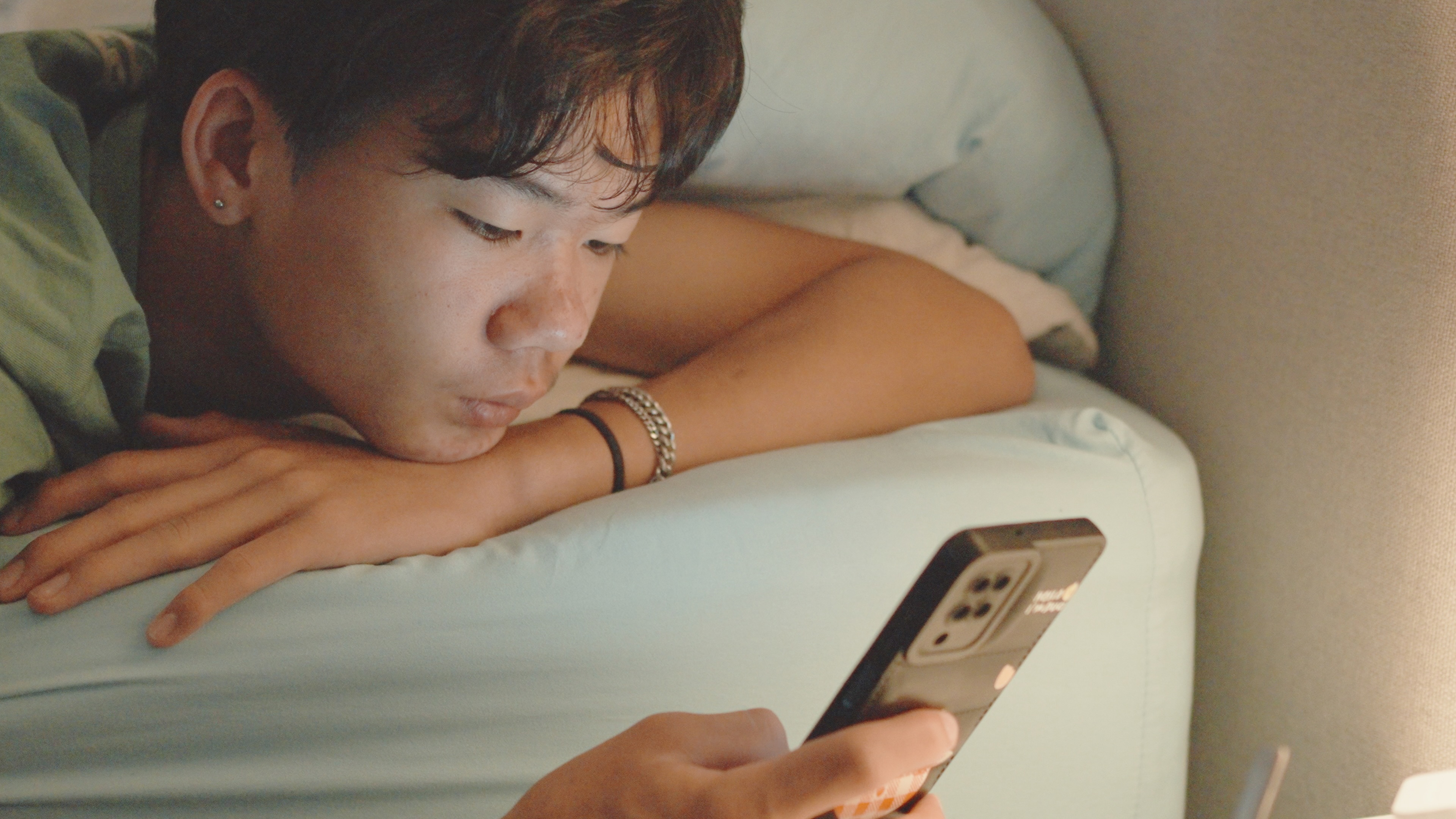
Imagine being a teenager struggling with anxiety or depression, but not knowing what it is, how to get help or even who to talk to.
For many Australian adolescents from culturally and linguistically diverse (CALD) backgrounds, this is a reality.
Our recent research shows they are significantly less likely to recognise common mental health problems – like depression, suicidal thoughts and anxiety – and more likely to hold stigmatising beliefs towards people who experience mental health challenges.
Positively, when equipped to identify these challenges, teenagers from CALD backgrounds are as likely to seek help and offer peer support as teenagers from non-CALD backgrounds.
Understanding these hidden gaps is crucial if we want all young Australians to thrive.
Health & Medicine
The young people getting nature on prescription
Australia is a diverse country.
More than 22 per cent of our population speak a language other than English at home, 31.5 per cent were born overseas, and another 20.0 per cent have at least one parent born overseas.
The stress of transitioning to a new culture or country can negatively impact mental health, particularly among the young, making those from diverse communities more vulnerable to mental health problems than their non-CALD peers.
Previous research on multicultural mental health in immigrant countries like Australia has largely focused on adults, who often display lower mental health awareness and stronger stigmatising attitudes towards people with mental health problems.

But the gaps in mental health awareness and stigma among culturally diverse youth have been much less explored.
Adolescents tend to interact more with peers from their host culture while forming their identities and it's often assumed they to adapt faster to the host cultural environment than their parents.
This raises an important question: do similar disparities in mental health knowledge and attitudes exist among adolescents from multicultural backgrounds?
Our study explored how CALD adolescents understand conditions like depression, anxiety and suicidal thoughts, their willingness to seek help and whether they held stigmatising attitudes towards people with mental health problems.

Health & Medicine
The mental health of young African Australians
Our study included over 3100 Year 10 students from six Victorian metropolitan and four regional senior secondary schools.
Students were presented with descriptions of two fictional characters with symptoms of depression (with suicidal ideation) or anxiety, and then were asked: “What do you think is wrong with the person?”
Our findings revealed a clear pattern.
Australia’s diverse youth were significantly less likely to recognise common mental health problems than non-CALD youth. If we look at the statistics, for depression, it was 64 per cent versus 84 per cent, and for anxiety, 37 per cent versus 62 per cent, respectively.
However, we also found that Australia’s diverse youth were just as willing to seek help and support others when they were able to recognise mental health concerns.

Recognising mental health problems early is vital; without it, young people may delay seeking help, meaning some of these problems could potentially escalate.
But we also identified that CALD adolescents face multiple barriers to recognising and responding to mental health challenges, including limited knowledge, stronger stigma and lower confidence in offering support.
If left unaddressed, these barriers can prevent young people from accessing help and further widen mental health inequalities.
Our research highlights the need for mental health programs tailored to the needs of CALD communities.

Health & Medicine
Mental health first aid training works
For example, the teen Mental Health First Aid (tMHFA) program is an evidence-based training course that equips secondary school students with the knowledge, skills, and confidence to recognise, understand and respond to a friend or classmate experiencing a mental health problem or crisis.
A clinical trial among Australian youth shows that this program is effective in recognising mental health problems earlier, reducing stigma and building confidence in supporting their peers.
Another trial involving youth in the US produced similar results.
Our team will evaluate if the tMHFA program works as well for multicultural youth as it does for the broader Australian youth population.
Specifically, we will explore potential cultural adaptations to ensure the program meets the unique needs of diverse communities.

By making evidence-based programs culturally sensitive and accessible, we can help young CALD people build the knowledge and skills to manage mental health challenges and provide high-quality support to their peers.
If you or anyone you know needs help or support, please contact Lifeline on 13 11 14.