Health & Medicine
Cutting through the hype on platelet-rich plasma


A randomised controlled trial found Tai Chi offers significant benefits for knee osteoarthritis sufferers – and it’s available for free online

Published 28 October 2025
Have you ever seen people practising Tai Chi in the park in the early morning?
Perhaps you’ve admired the graceful, flowing movements and thought about trying it yourself – but where do you start?
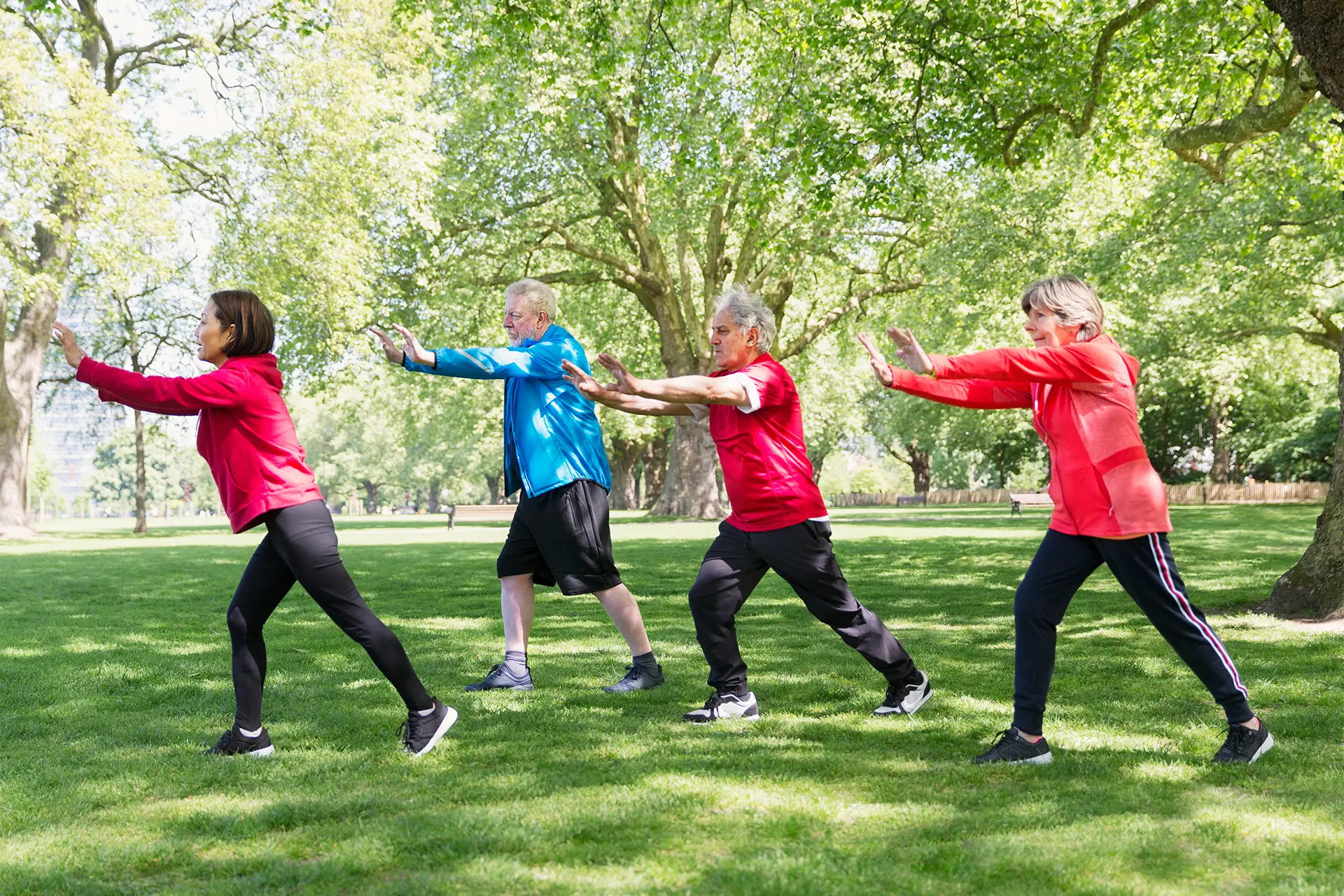
Tai Chi is a slow, gentle mind-body exercise that has been shown to benefit a wide range of health conditions and is particularly effective for people with chronic knee pain caused by osteoarthritis.
However, Tai Chi is traditionally taught in person, often in groups that might involve cost, travel and scheduling. These barriers can make participation difficult, especially for people living in regional and remote areas.
Osteoarthritis is one of the most common and burdensome health conditions in Australia, affecting one in five Australians aged 45 and over and costing the healthcare system $AU4.3 billion each year.
So, there's an urgent need for affordable and accessible exercise options.
The good news is that our new research, published this week in JAMA Internal Medicine, found that a free online Tai Chi program (My Joint Tai Chi) is effective in improving pain and function for people with chronic knee pain.
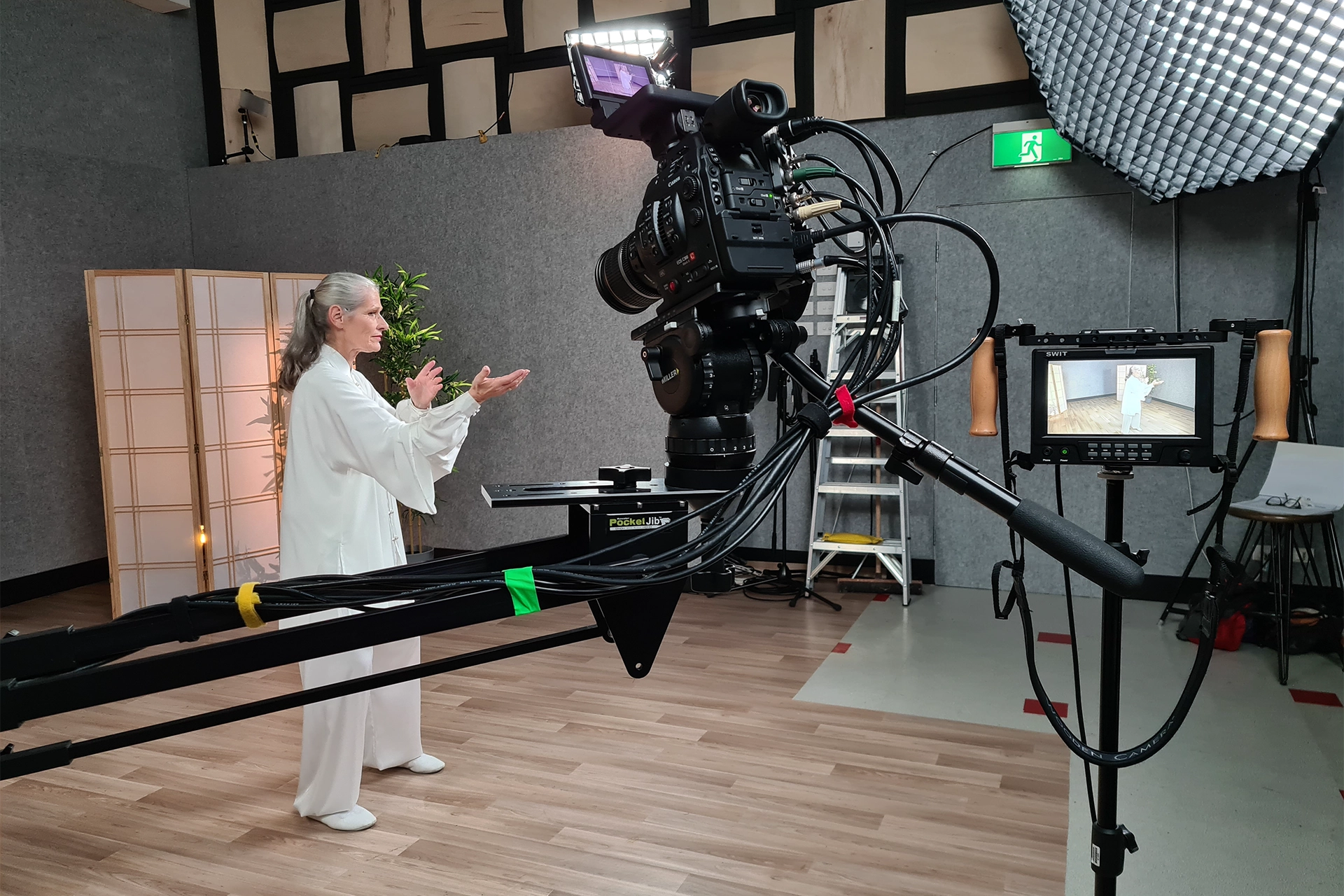
Our team at the University of Melbourne developed the online unsupervised My Joint Tai Chi program in collaboration with a panel of expert Tai Chi instructors and people with osteoarthritis.
Health & Medicine
Cutting through the hype on platelet-rich plasma
The program consists of 12 pre-recorded 40-minute videos (one each week, practised three times weekly over 12 weeks) led by an experienced Tai Chi instructor.
Each video includes a warm-up, cool-down, and a modified 10-form Yang-style Tai Chi routine tailored for people with chronic knee or hip pain and little or no prior Tai Chi experience.
Movements start simple and gradually progress each week.
To test the effectiveness of this program at improving outcomes in knee pain sufferers, I led a randomised controlled trial, called the RETREAT Trial.
A total of 178 adults, including 42 per cent from rural and regional areas, took part in the trial.
Participants were randomly assigned to either the online Tai Chi program or an online education control where they could learn about the benefits of exercise on their osteoarthritis.

Compared with the control group, those in the Tai Chi group had greater improvements in pain and physical function, with twice as many Tai Chi participants reporting an overall improvement in their knee condition.
Tai Chi participants also reported improvements in quality of life, physical and mental wellbeing, and balance confidence, with no serious adverse events reported.
Participants were highly satisfied with the program and said they would highly recommend it to others.
We also interviewed participants about their experiences with the program. Most described it as relaxing, engaging and easy to follow, and they appreciated the positive experience of learning something new.
A very knowledgeable, patient, and encouraging instructor… and the most positive thing is that my knee does feel better.Participant
Many valued the flexibility of being able to pause, rewind and repeat the session anytime, anywhere – a feature that helped them learn at their own pace and fit exercise into their daily lives.
It was very flexible, very transportable. I was able to do it wherever I needed to.Participant
Our goal was to make evidence-based exercise accessible to everyone, regardless of where they live or what their schedule looks like.
By bringing Tai Chi online, we’re removing some of the biggest barriers people face – like cost, travel and the confidence to exercise in a group setting.
We tested this program in people with chronic knee pain, but it was also developed for those with hip pain.

Sciences & Technology
Women living with chronic pain aren’t getting enough support at work
We hope the My Joint Tai Chi program will be widely used by people living with osteoarthritis of the knee or hip. We also hope it is used by clinicians to support evidence-based care for their patients.
And you can try it our yourself. The program is now freely available to the public.
It adds to our other free online exercise programs – including a knee strengthening, hip strengthening and yoga program – that aim to improve access to safe, effective and enjoyable exercise for people with chronic knee or hip pain.
So if you find it difficult to get to that early morning Tai Chi class in the park, you can simply jump online and enjoy calming, relaxing and healing Tai Chi movements from the comfort of your own home.
The research co-authors are Professor Kim Bennell, Professor Rana Hinman, Dr Rachel Nelligan, Peixuan Li, Dr Anurika De Silva and Alexander Kimp, University of Melbourne, and Jenny Harrison, Rising Moon Tai Chi school.