

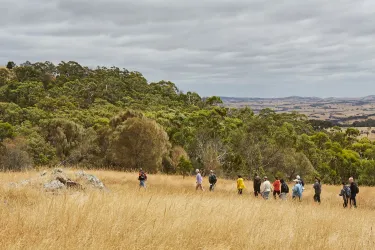
The colonial outpost resort at the heart of Indigenous Australia
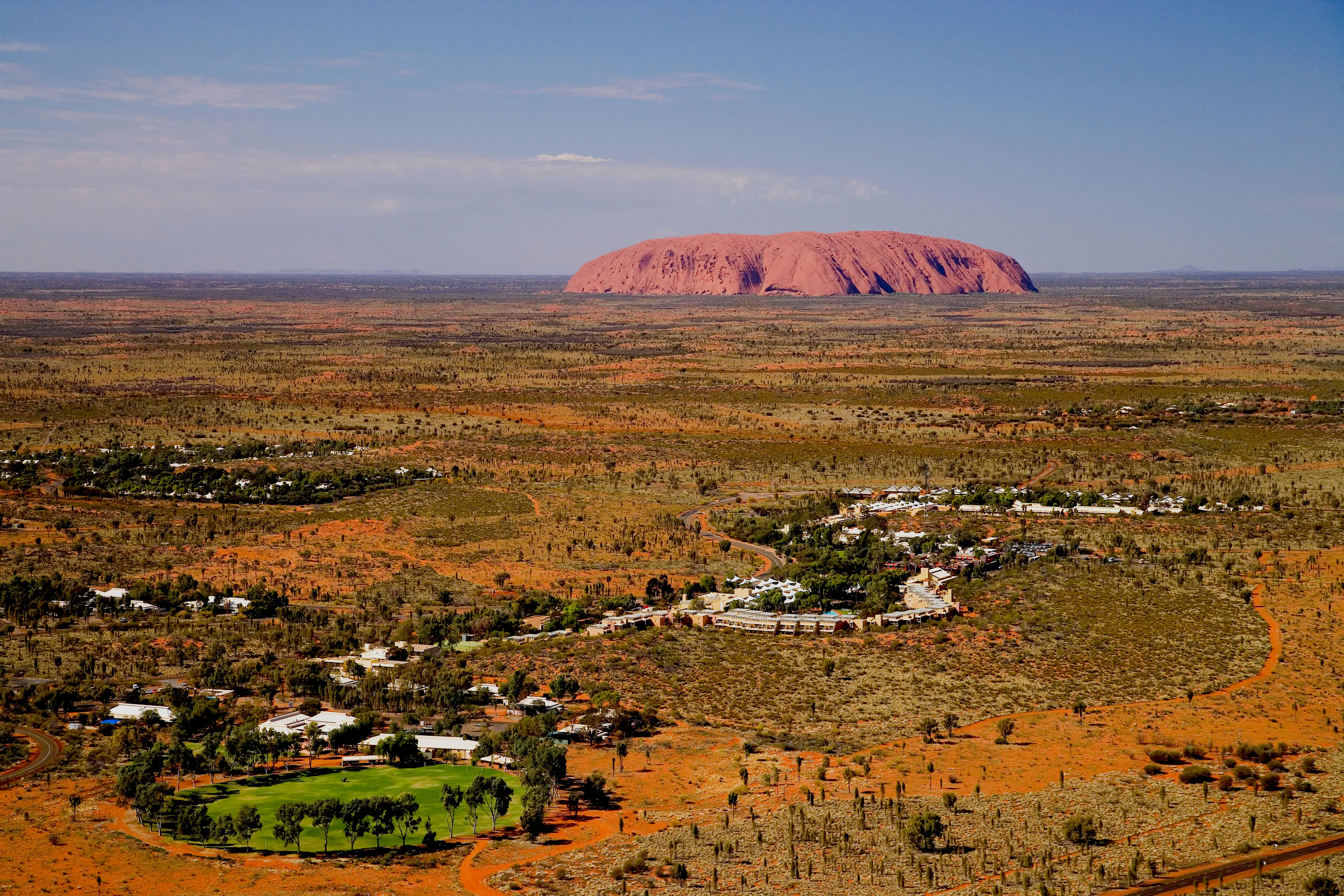
Aṉangu culture is a critical aspect of the World Heritage values at Uluru. Traditional owners must be in charge of what work and tourism looks like in the region


Published 3 December 2025
Note:
In October, the Traditional Owners of Uluru (Aṉangu) and the Australian Federal government agency, Parks Australia, celebrated 40 years since the handback of Uluṟu-Kata Tjuṯa National Park to Traditional Owners and subsequent lease of the park back to the government under a Joint Management arrangement.
Guests at the celebrations included senior and important Traditional Owners, as well as the Governor General and the Prime Minister.

Now you may think that the multi-million-dollar international tourism industry created by the Park’s dual natural and cultural World Heritage listings would have brought Aṉangu riches over the past four decades.
In fact, Mutitjulu, the Aṉangu community of Uluru, remains one of the poorest communities in Australia.
Complex social, political and economic conditions mean the Mutitjulu community endure extreme economic and social marginalisation.
But there is one glaring issue encapsulated by the sign at the entry to the tourist town of Uluru, which reads ‘Welcome to Ayers Rock Resort’.
Despite the Park’s official name change three decades ago to Uluṟu-Kata Tjuṯa – the Aṉangu name for these sacred rocky formations – the resort continues to use its colonial moniker, Ayers Rock.
In the 1970s and 1980s, the resort town was developed on the Park’s northern border. It established an outpost to make money from the Park without requiring Aṉangu involvement or providing financial compensation for the use of their lands.
All tourists stay, eat, drink and fly into and out of Ayers Rock Resort. Many tourism activities also operate within the Resort’s boundaries.
The ownership of the resort is currently in transition and potential changes have sparked discussions within the Indigenous business community about the importance of stewardship by Traditional Owners.
Ayers Rock Resort is situated in a gazetted town, Yulara (also known as the tourist town of Uluru) meaning Aṉangu receive very little financial benefit from the tourism dollars pouring through the resort.
In 1997, Yankunytjatjara and Pitjantjatjara applicants, who have inalienable freehold rights for surrounding land through the Aboriginal Land Rights (Northern Territory) Act 1976 (Cth), led the first Native Title extinguishment compensation claim over the land occupied by the resort and Connellan airport.
The claim was unsuccessful due to evidentiary issues.
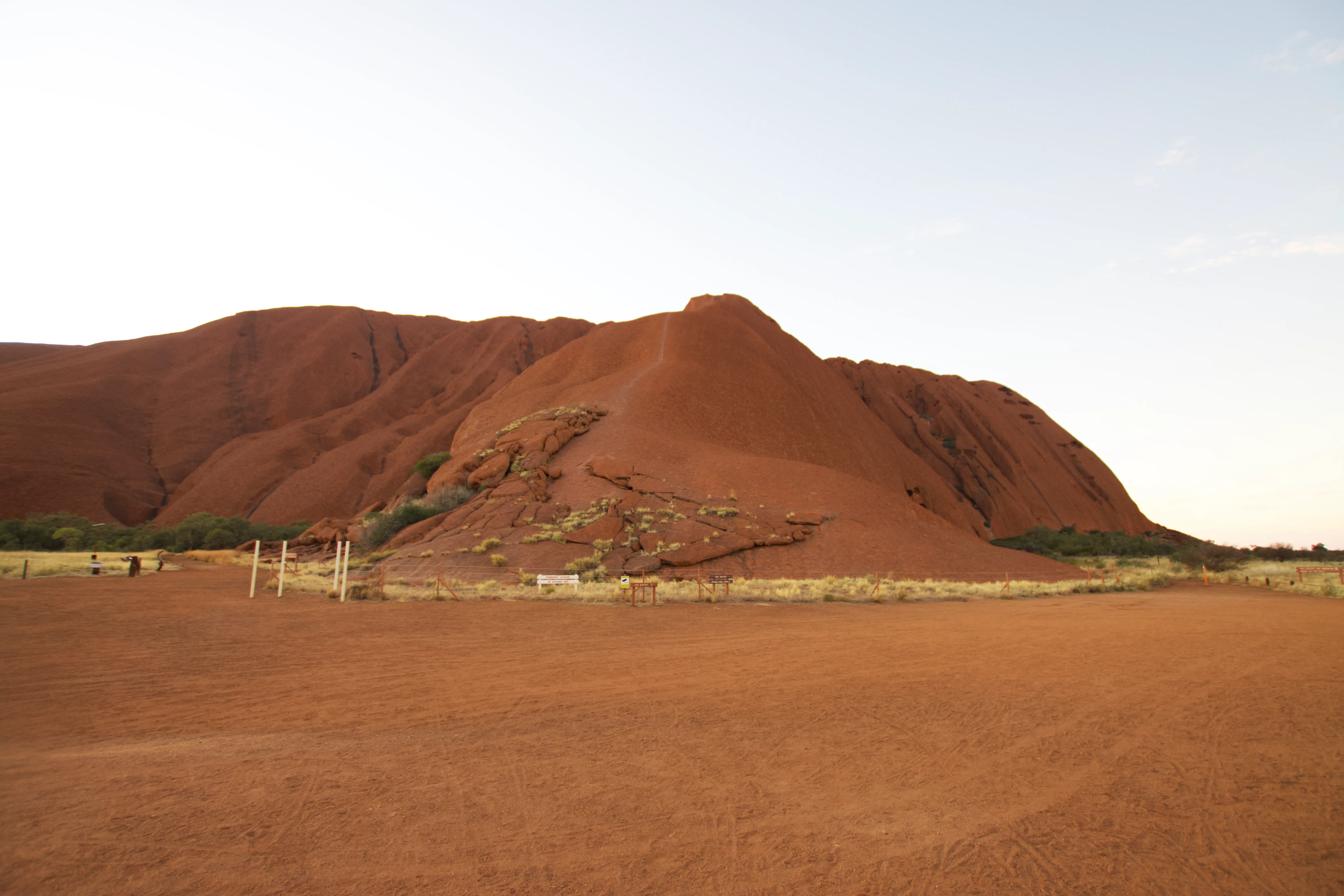
Had the claim succeeded, Aṉangu would have received significant financial compensation for their economic and cultural loss.
Yulara’s place as a tourist destination means it is maintained as a ‘space of exception’, exempting tourists from the normal rules that apply in this landscape.
Visitors may not be aware of the harm caused by embedded social structures that tourism can cause.
For example, in the resort, lawns are watered, tourists drink water treated by a reverse osmosis plant and hotel rooms have large shower heads.
But in communities like Mutitjulu, residents are often hesitant to drink their water due to unreliable water treatment or irregular water quality reports.

Politics & Society
‘The field of Indigenous Studies simply gets on with the job’
The resort's workforce presents a complex picture when it comes to Indigenous employment.
While the National Indigenous Training Program is promoted as a way to prepare Indigenous peoples for hospitality industry roles, its implementation has had mixed results locally.
The program has gained recognition for its success in training Indigenous employees. However, most participants are from remote First Nations communities, working on a 'fly-in fly-out' (FIFO) basis.
Aṉangu are less frequently seen in 'Indigenous' roles across the resort, and participation in the training program is limited.
Our research found that Aṉangu employment is a distinctly different proposition to other First Nations employment for multiple reasons, but this is rarely recognised or accommodated by the tourism industry.

While Aṉangu possess cultural knowledge that should provide an advantage in tourism, the current geographic arrangement means Aṉangu must compete with non-Aṉangu operations located closer to tourists and operating in ways that are inflexible to Aṉangu lifeworlds.
Aṉangu are acutely aware of these power dynamics.
As one Aṉangu interviewee told us: “We need to control the business otherwise we’re just the product”.
At present, this tourism product often involves non-Aṉangu sharing Aṉangu knowledge.
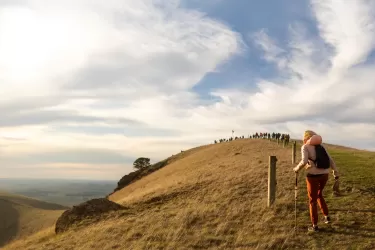
Politics & Society
‘What version of the past is promoted and what’s obscured?’
Our research with Aṉangu shows that to participate in tourism, they often feel like they are asked to, in one Aṉangu interviewee’s words, “be cultural without being cultural”.
This is ironic given that Uluṟu-Kata Tjuṯa National Park’s global significance is based in part on its living cultural heritage as recognised by UNESCO World Heritage listing.
While listings like this are created to protect living cultures, the constraints of heritage legislation often limit Aṉangu ability to practice contemporary ceremonial life within the park.
For example, for some activities involving over 15 people around the rock Aṉangu must apply for a permit under the Environment Protection and Biodiversity Conservation Act 1999 (Cth) despite their Traditional Owner status.

So next time you visit Uluru, think carefully about whose land you are on, where your dollars are going, and how you might be a good guest to Aṉangu.
The real bottom line in Uluru is that without Aṉangu culture enlivening its cultural heritage values, the significance of Uluru is greatly diminished.