
Environment
Saving the giants of the Australian forest



As demand for wood products rises, native forests and plantations are under pressure. Agricultural waste products are emerging as a promising alternative


Published 8 December 2025
While Australia’s housing shortage often dominates public discussion, another challenge lies in how we source and manufacture the materials that fill our homes and workplaces.
As construction activity grows, demand for engineered wood products continues to rise, placing increasing pressure on timber supply chains.
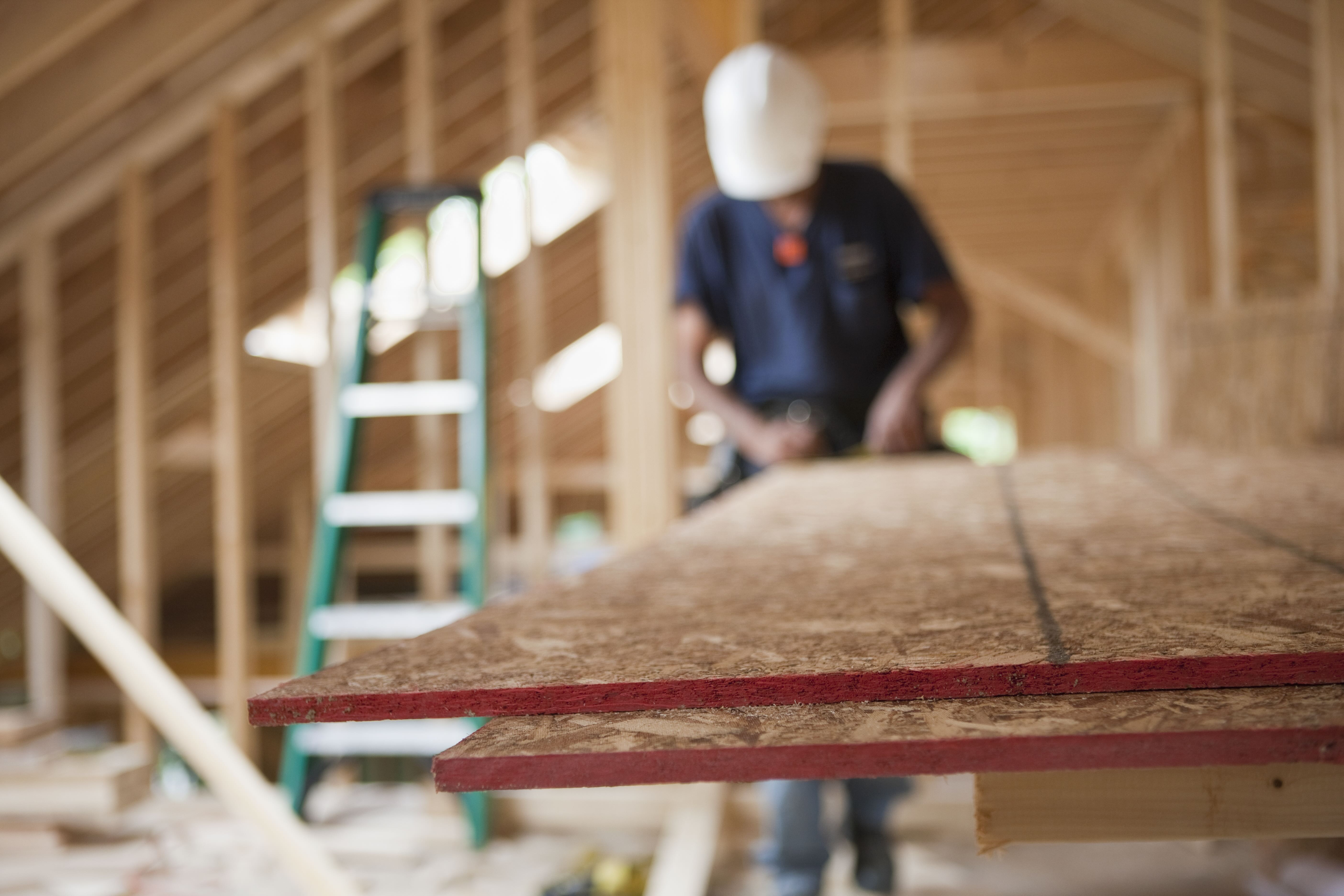
Each year, large volumes of particleboard, fibreboard and decorative laminates are used in cabinetry, joinery, wall linings and furniture.
Timber demand is expected to keep climbing toward 2050, yet the industry still relies heavily on virgin wood, imported raw materials and synthetic resins – all of which carry environmental costs.
As manufacturers look to decarbonise and move toward circular production systems, agricultural by-products are emerging as a promising alternative to virgin timber.
Post-harvest residues from crops, including hemp, corn, rice and sugarcane, offer renewable, locally available resources that can be converted into new materials rather than being burned or discarded.
Our research team is exploring how these residues can be transformed into high-performance engineered panels using both conventional and plant-based adhesives.
Environment
Saving the giants of the Australian forest
Manufacturers of wood-based materials face growing constraints.
Rising product demand is putting pressure on native forests and plantation resources, while fibre shortages, price fluctuations and tightening emissions targets drive the need for new approaches.
Agricultural residues offer a practical solution as they do not compete with food production or require additional land and are produced in large volumes across regional Australia.
Among these materials, hemp hurd, the woody core of the hemp stem, stands out.
Hemp grows rapidly, reaching maturity in around 90 to 120 days, and captures considerable amounts of carbon.
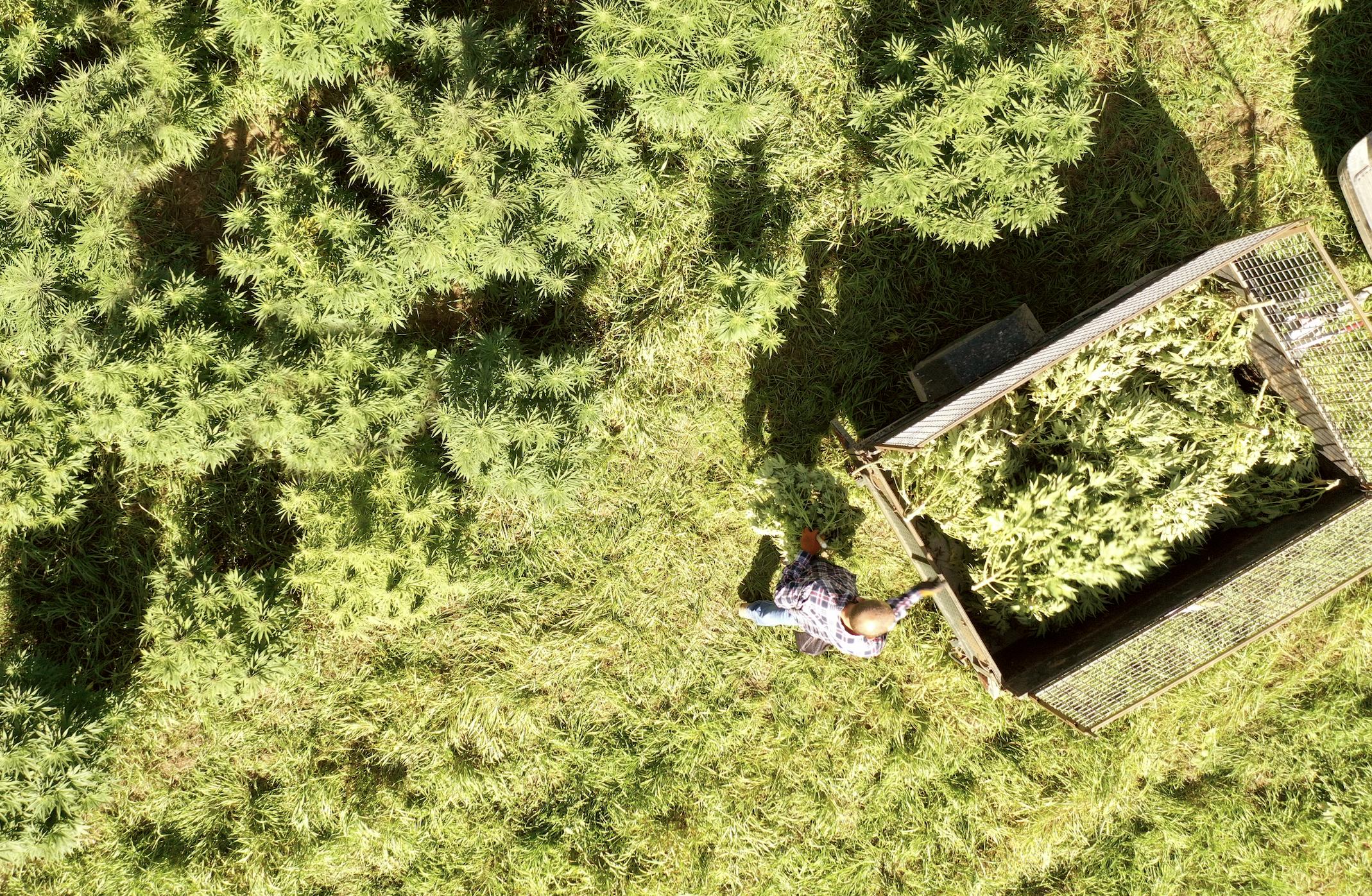
But hurd is often discarded as a low-value part once the valuable outer fibres or the nutritional seeds are removed.
Other crops also generate significant underused biomass. This gives us an opportunity to develop lightweight, non-structural and decorative panels that complement conventional wood products.
One of our recent projects examined how hemp hurd can be repurposed into ultra-light engineered panels.
We milled hurd into different particle sizes, blended it with adhesive and hot-pressed the mix into uniform boards.
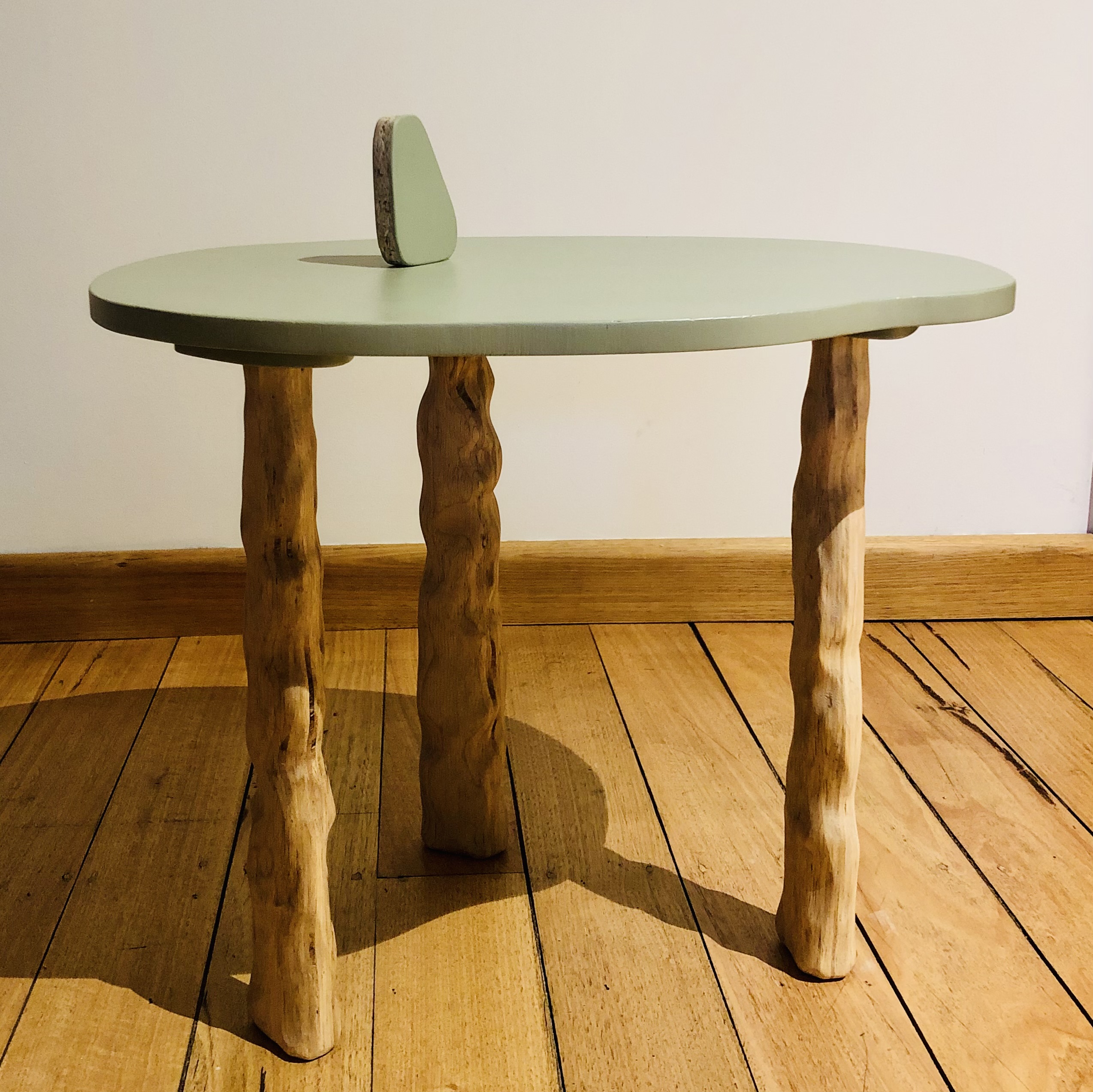
The resulting panels had a density of around 300 kg/m³, less than half that of standard particleboard (650–750 kg/m³).
They are among the lightest particleboards produced to date, providing advantages in handling, transport efficiency and potentially thermal performance.
Our research shows that particle size plays a significant role in panel behaviour.
Larger hemp particles tended to improve internal bond strength and reduce springback, helping the panels maintain their compressed thickness.
However, these panels were more susceptible to swelling when exposed to moisture. Finer particles produced smoother, more uniform surfaces but required more adhesive due to their higher surface area and absorbed more moisture.
Designing effective panels means balancing these trade-offs to achieve strength, dimensional stability and cost efficiency.
To explore bonding behaviour further, we tested both commercial and bio-based adhesives with different particle blends.
By adjusting particle-to-adhesive ratios and pressing conditions, we produced a series of panels and evaluated their stiffness, bending strength, internal bond strength, screw-holding capacity and moisture response.
This work identified combinations that delivered good performance for various indoor, non-structural applications.
Future work will extend testing to acoustic and thermal performance as well as accelerated weathering to understand long-term durability.

Politics & Society
Building faster isn’t building better
A key focus of our work is identifying adhesives that are renewable, have low toxicity and are suitable for indoor use.
Citric acid, a naturally derived organic acid produced through microbial fermentation, is emerging as an effective option.
In our hemp-based panels, citric acid performed strongly and met strength requirements for non-structural interior boards.
However, citric acid’s strength can weaken panel bonds over time in humid conditions. We are now modifying the formulation to stabilise pH during curing, with promising results.
Importantly, citric acid works not only with hemp but also with a wide range of agricultural residues, including corn stalks, sugarcane bagasse, rice husks, and even (recycled) wood.
This versatility makes it a promising binder for future bio-based composite products.

To enhance the strength and functionality of lightweight bio-based panels, we evaluated the effect of adding thin laminate layers.
Whether using timber veneer, Masonite hardboard, thin metal sheeting or kraft liner paper – the addition of a surface layer significantly increased stiffness and bending strength.
Lamination also enhances resistance to impact and moisture uptake, screw-holding capacity and offers greater flexibility in appearance.
Despite these enhancements, the panels remained lightweight and easy to work with, making them well-suited for furniture, cabinetry, interior linings, modular construction and flat packs.
We also examined corn stalk, one of the world’s most abundant agricultural by-products, as a renewable raw material for engineered panels.
Optimised corn stalk panels bonded with citric acid showed competitive strength, good screw-holding capacity and improved moisture resistance compared with conventional particleboard.
To address safety requirements, we tested a variety of fire-retardant additives. Each offered different trade-offs: some improved thermal stability but increased panel moisture sensitivity, while others affected density or durability.
Alongside this, we conducted a lifecycle assessment (LCA) to understand environmental impacts across different manufacturing scenarios.

The LCA identified specific production steps where energy use and emissions could be reduced, guiding future optimisation.
Commercial adoption of these materials is still on the horizon, but our research offers a practical way for integrating agricultural residues into engineered panel production.
While hemp or corn-based panels will not replace structural-grade wood products like plywood or laminated veneer lumber soon, they show strong potential for non-load-bearing applications where light weight, thermal performance and sustainability are priorities.
Coupled with renewable, low-toxicity adhesives, these underused by-products can support a shift toward circular, climate-positive construction.

As Australia’s hemp industry expands and supply chains for other agricultural wastes strengthen, these materials are becoming viable, locally sourced raw materials for the next generation of lightweight building products.
This transition can reduce pressure on native forests, diversify material supply chains and contribute to a more sustainable built environment.