Sciences & Technology
The world’s most powerful ocean current could slow by 2050


Record sea ice loss is transforming the Antarctic Intermediate Water – an ocean layer that regulates heat and carbon. These changes could threaten future deep-ocean warming, sea level rise and weather events


Published 28 October 2026
Deep beneath the surface of the Southern Ocean, thousands of kilometres from the Antarctic coast, a massive underwater mechanism is changing.
For decades, oceanographers tracked a steady, predictable rhythm.
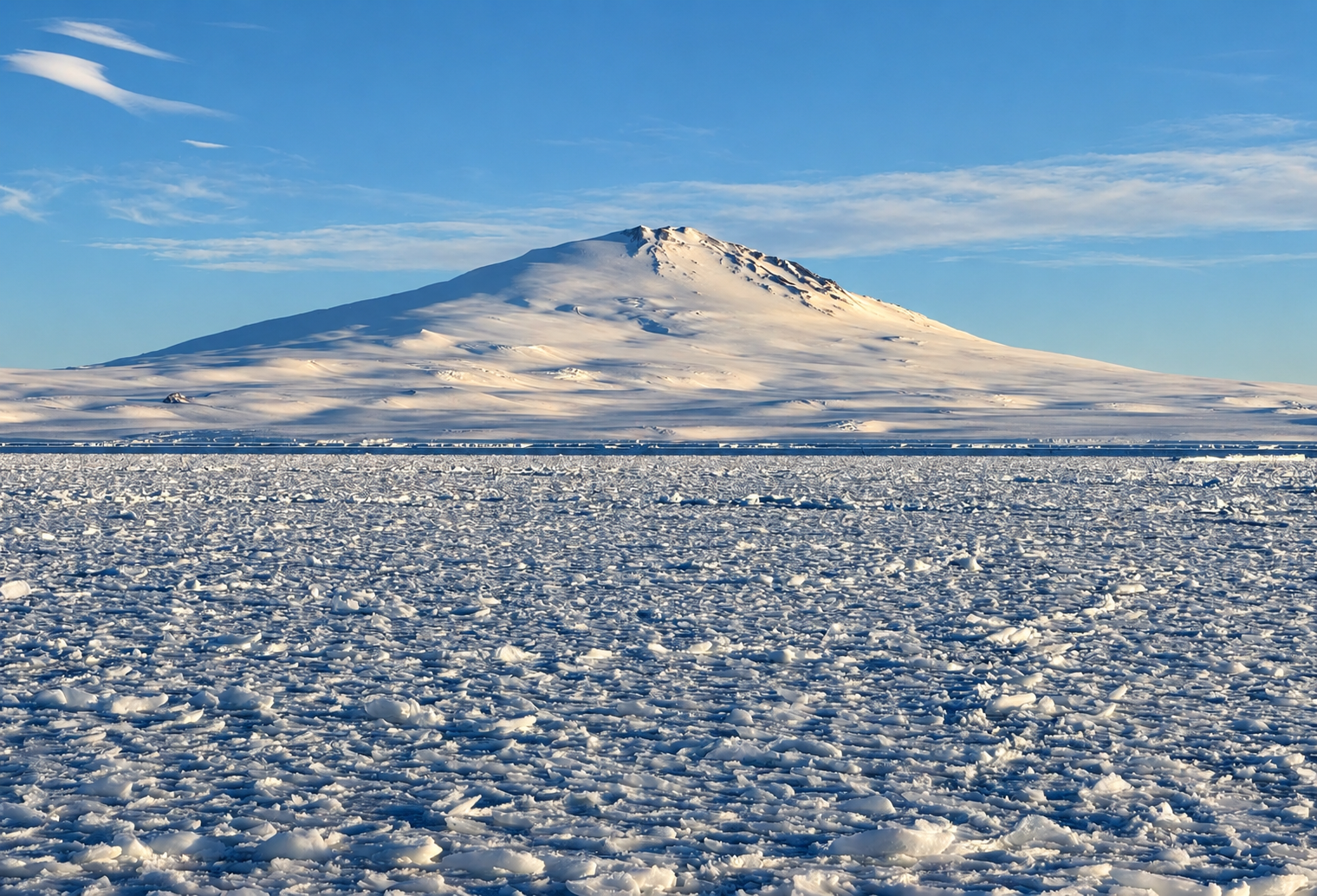
Melting Antarctic sea ice pours vast volumes of freshwater into the ocean every summer, diluting seawater and feeding the Antarctic Intermediate Water (AAIW).
This ocean layer extends beyond the Southern Ocean into the Atlantic, Pacific, and Indian Oceans, helping store carbon, supply oxygen, drive currents and distribute freshwater around the globe.
But in late 2016, that rhythm abruptly broke.
In our new study, published in Nature Climate Change, we reveal for the first time that recent Antarctic sea ice loss is changing the AAIW.
And it could have flow-on effects for sea levels, ocean warming and weather in the decades to come.
The AAIW sits 700 to 1200 metres beneath the ocean surface. It helps form a dynamic barrier that separates the warm upper ocean from the cold deep interior.
Sciences & Technology
The world’s most powerful ocean current could slow by 2050
When fed by a steady supply of Antarctic meltwater, the AAIW layer held the balance of water temperatures for decades.
The ocean absorbs over 90 per cent of all heat released into the environment by human activities, with most heat stored in the upper ocean.
Our discovery of this abrupt reversal reveals a critical missing feedback loop.
Instead of heat staying trapped near the surface, more excess heat could be pushed into the deeper ocean.
This change would mean existing models are underestimating deep-ocean warming and miscalculating regional sea level rise and long-term ocean and land surface temperatures.
To understand why this shift is happening, we need to look at the sheer scale of Antarctic meltwater.
Antarctic sea ice acts as a giant climate engine. During the polar summer, its thaw releases an extraordinary volume of fresh water into the ocean.
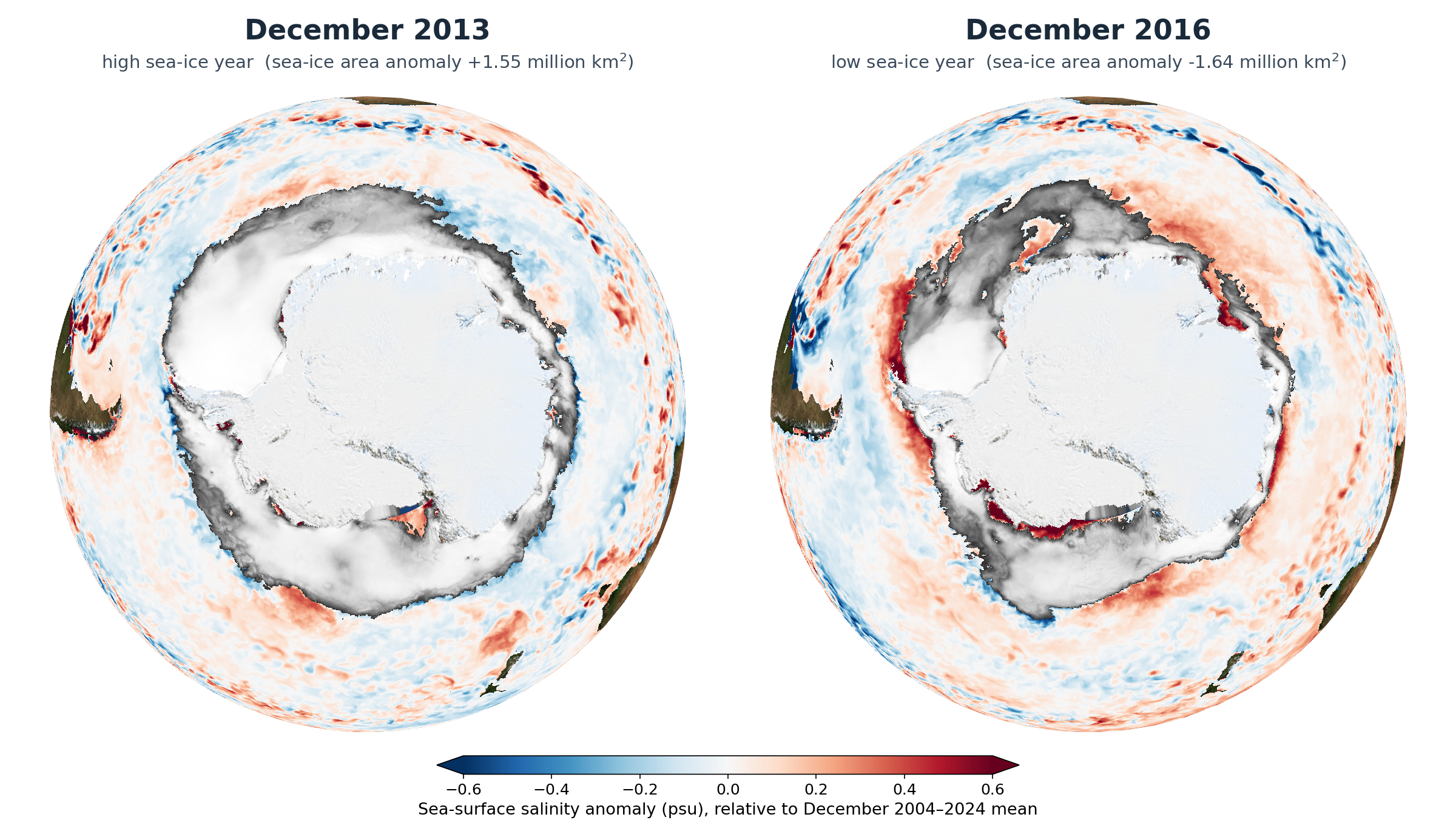
Before 2016, this summer melt dumped around 17,400 gigatons of fresh water into the Southern Ocean every year – roughly triple the total annual discharge of the Amazon River – delivered in just a few short months.
This massive surge of polar meltwater diluted ocean salt, making the surrounding water lighter and driving large-scale ocean circulation.
However, when Antarctic sea ice coverage crashed to record lows in late 2016 due to unprecedented ocean warming and shifts in atmospheric circulation, that seasonal freshwater surge was choked off.
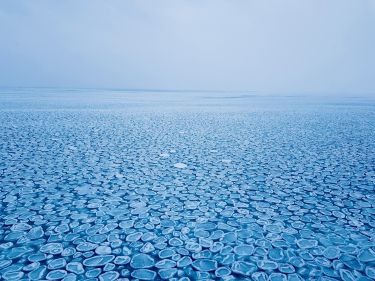
Summer meltwater inputs fell sharply, dropping 20 to 30 per cent – so closer to only double the Amazon's annual flow.
Losing that immense volume of fresh water at the surface sent shockwaves down through the ocean column.
So, why does a layer of water hundreds of metres deep matter to the rest of the world?
It comes back to how the ocean helps regulate Earth’s temperature.
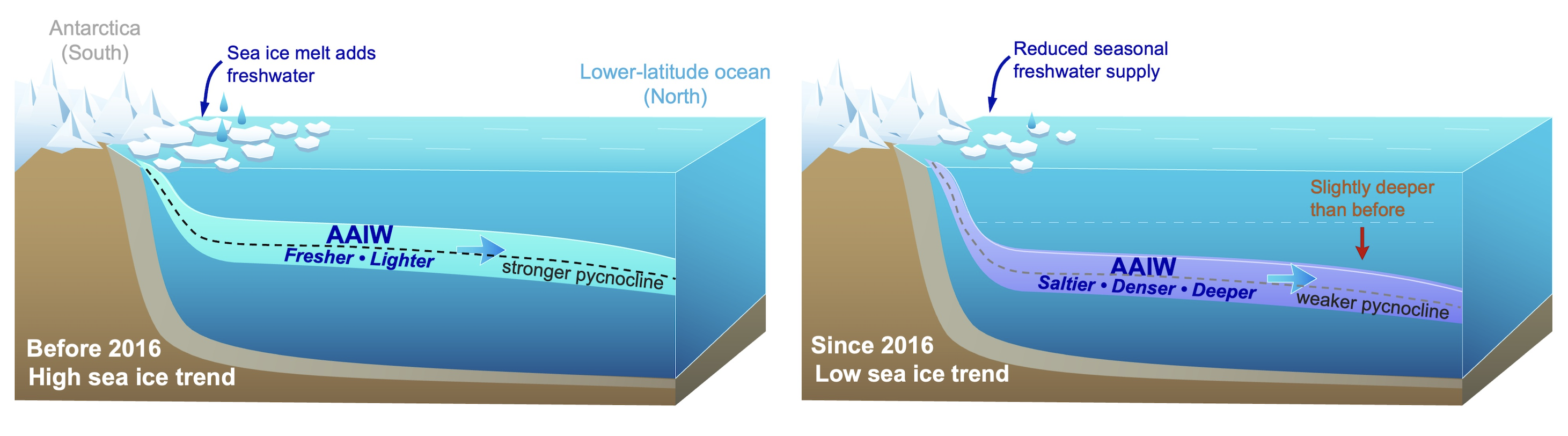
The surface layer of the ocean is a mix of fresh and saltwater. Between that and the deeper ocean lies a zone of rapid density change known as the pycnocline.
On this uppermost layer of the ocean, wind and turbulence mix the water, keeping its temperature and salinity relatively uniform.
Beneath it, the permanent pycnocline acts as a barrier to vertical mixing, limiting how readily heat can move between the surface and deeper waters.
The AAIW occupies a key part of this density structure and helps maintain the permanent pycnocline.
As the ocean layers weaken, the pycnocline can become less pronounced, making it easier for heat to move vertically through the ocean.
This could alter how heat is stored and redistributed in the Southern Ocean, which could potentially contribute to greater sea-ice melt.

Using a global network of autonomous ocean sensors and deep-sea profiling floats known as the Argo programme, we tracked the physical properties of the AAIW from 2004 through 2024.
What we saw in the data was striking.
Before 2016, this layer steadily became lighter, fresher and shallower over several decades, driven by an abundant supply of polar meltwater.
Between 2016 and 2024, that long-standing pattern completely reversed.
Stripped of its polar freshwater supply, the layer rapidly turned saltier, denser and deeper across the Atlantic, Indian and Pacific Ocean basins.

Our measurements show that the South Atlantic Ocean is currently experiencing a rapid and pronounced transformation.
The switch in these properties echoes changes in the Southern Ocean at the end of the last Interglacial period, around 130,000 years ago, when there was very little ice in the Antarctic.
However, the transition occurred over thousands of years, not just two decades.
We can follow this chain of changes all the way to our weather.
How heat moves within the ocean shapes how the sea interacts with the atmosphere above it, and we know that over long timescales, the Southern Ocean's circulation can influence broader climate patterns.
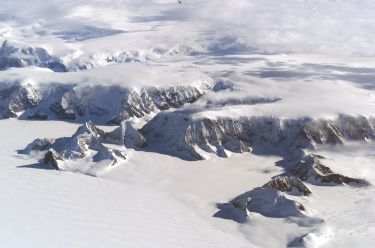
Changes in how the Southern Ocean stores and redistributes heat could, over decades, influence atmospheric circulation and storm tracks, alter rainfall patterns and affect regional sea levels.
These changes could have consequences for communities in Australia, South America and southern Africa, although the precise effects will depend on how the ocean and atmosphere respond.
Our findings demonstrate that this deep ocean layer can react far more rapidly to surface polar changes than previously thought possible.

As Antarctic sea ice cover consistently hits record lows, updating climate models to better represent these ongoing changes is an urgent priority.
Understanding these deep-water transformations is essential if we are to accurately forecast climate impacts and plan for the ocean's role in a warming world.
And that includes how it could reshape sea levels, circulation and weather in the decades ahead.