
Politics & Society
Building faster isn’t building better


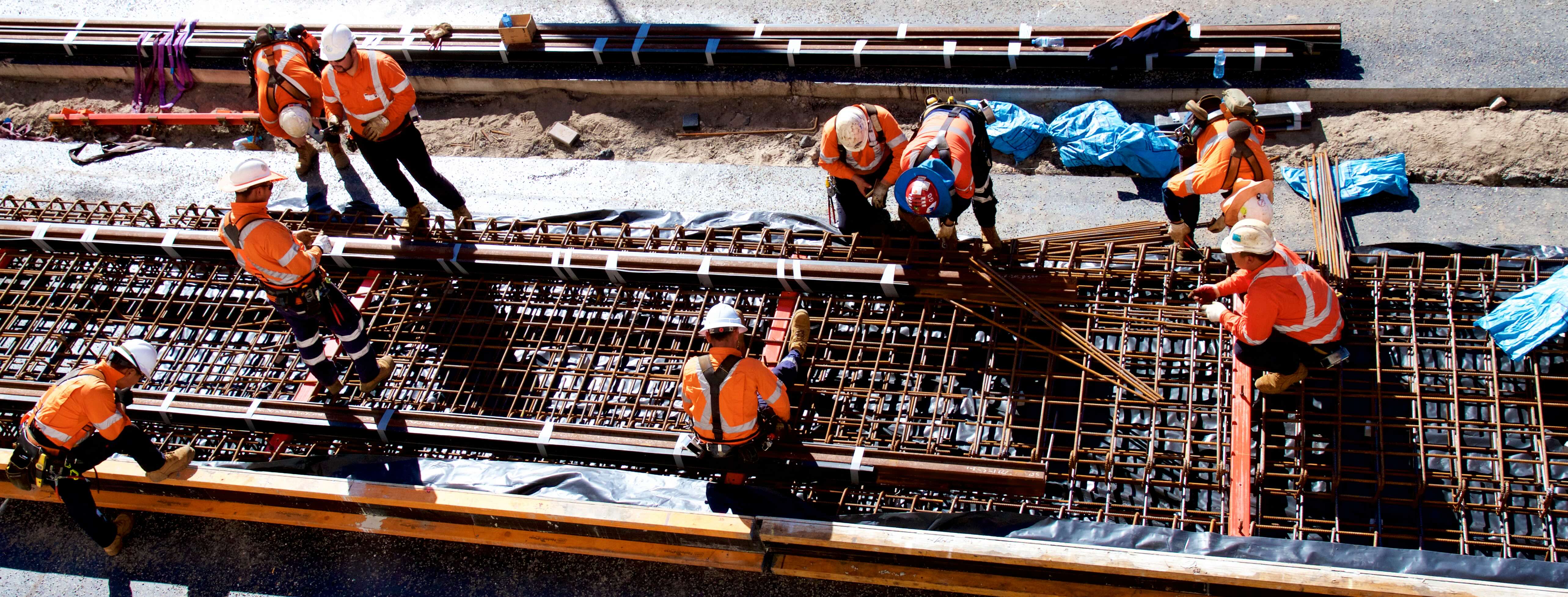
With pressure mounting to build more and build faster, it’s crucial to define – both professionally and legally – who is accountable for construction safety

Published 3 September 2026
Whether we’re in our home, working in the office or sending children to school, we make a fundamental assumption – that the building we’re in is structurally safe.
But even in the 21st century, safety can be compromised anywhere in the process, from initial design to construction.
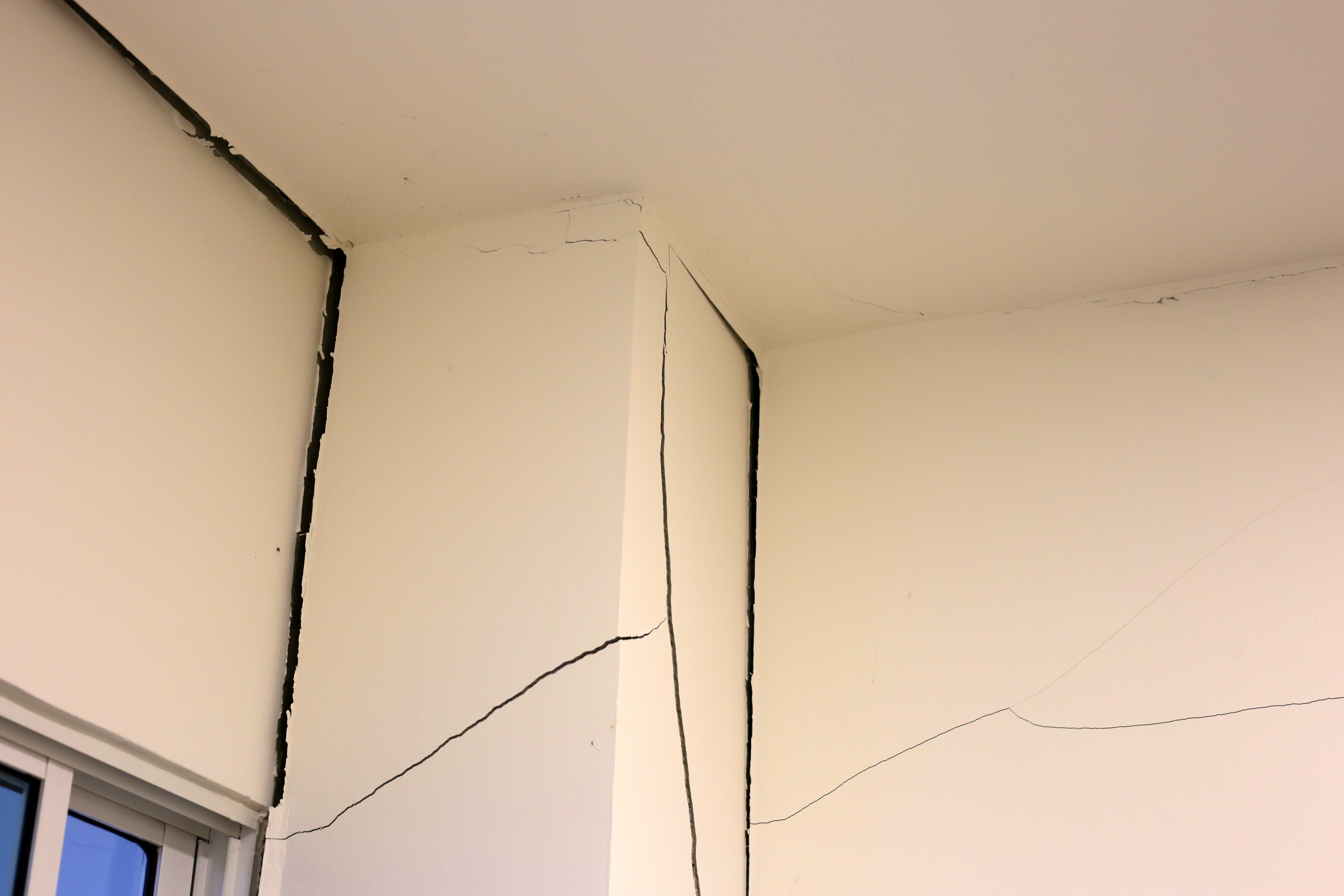
Reinforced concrete buildings are at risk of severe damage or even collapse if specifications for steel reinforcement aren't met or structural changes are made without appropriate engineering review and approval.
Victoria's new recommendation for mandatory notifications and inspections from the Building and Plumbing Commission (BPC) for all reinforced-concrete elements is an important step in the right direction.
It means that before concrete is poured, the builder must notify the Relevant Building Surveyor (RBS), who will arrange an engineer to inspect the structural elements.
This is an important safety improvement and will require significant effort from the RBS.
However, we still need professionals on-site throughout the entire building process who are accountable and, more importantly, have the knowledge to ensure that what was in the engineering designs actually gets built.
Politics & Society
Building faster isn’t building better
In Australia, other safety-critical building services like plumbing and electrical work already have clear licensed professionals and certification requirements upon completion of the works.
So why is the standard not the same across the board?
Recent near misses like the Opal Tower in Australia and the partial collapse of Champlain Towers South in Florida which killed 98 people, show why it’s essential to define in law who is professionally accountable for the building structure during construction.
You may have noticed long steel bars being laid out before a house slab is poured. That same type of reinforcement is used for beams and columns too.
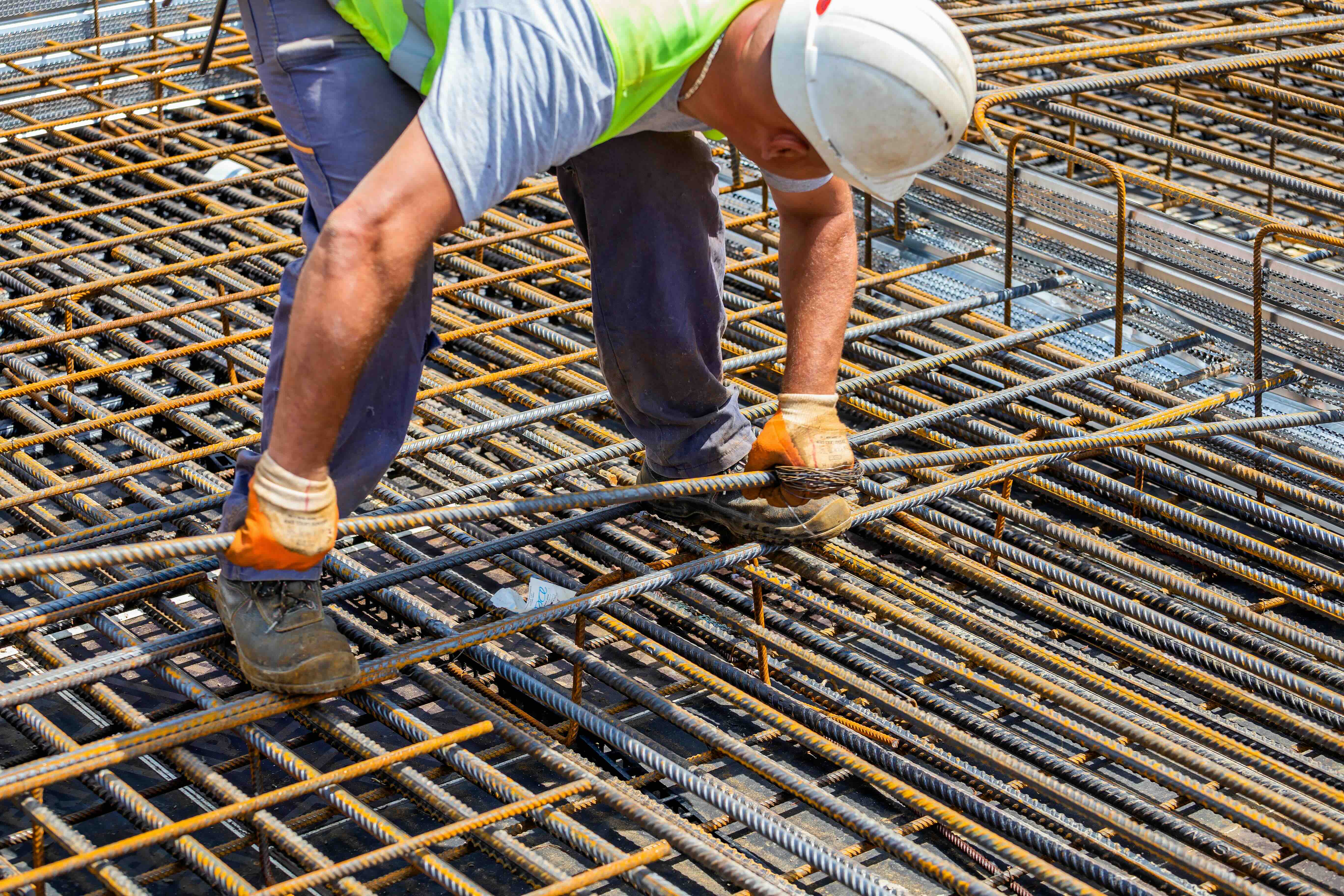
This steel reinforcement provides strength and prevents cracking. It is designed by engineers and shown on the initial structural drawings.
These drawings specify the amount and location of steel reinforcement, along with other structural requirements like the quality and strength of the concrete.
But these drawings are instructions that must be translated into something that can be physically built.
During construction, conflicts between structural drawings and other parts of the design may require alterations.
Perhaps reinforcement becomes crowded and difficult to build exactly as originally drawn where beams and columns meet. Or contractors may require changes to build around plumbing and other services.
But who determines the difference between a minor change and one with significant structural consequences?
That decision requires engineering training and knowledge.
Once concrete is poured, the reinforcement and much of the structural work disappear from view. Engineering inspection during construction is therefore critical because problems must be identified before they become permanently concealed.
In June 2026, the United States National Institute of Standards and Technology (NIST) released its technical findings concerning the 2021 Champlain Towers South collapse.
NIST identified deficiencies in the original structural design and deviations in construction from the original drawings.

In Australia, the Opal Tower investigation identified both design and construction issues, and the Kew Pool roof collapse was another local warning.
But history raises a broader question.
Major disasters have prompted changes to Australian building regulation and practice, from Cyclone Tracy's impact on national codes to the Lacrosse fire's influence on fire safety.
Do we need a catastrophe before we act, or will we identify and close structural safety gaps before a failure exposes them?
Many responsible builders and building surveyors already ensure engineers inspect all reinforcement elements before concrete is poured, even where it is not required by legislation.
But public safety should not depend on whether an individual chooses to adopt this good practice.
Since 24 December 2025, the BPC has recommended that relevant building surveyors conduct inspections for all building work involving reinforced concrete.
These revisions are an important improvement that address some key concerns.
But it still does not address who is responsible for structural engineering throughout the build.
Under the current framework, the RBS determines the mandatory inspection stages and can authorise a structural engineer to inspect structural matters on their behalf.

But mandatory inspections and engineering accountability are not the same thing.
Regulation only says who will check the work at one specific stage. It does not say who has continuous engineering responsibility for ensuring that the structural design is correctly implemented.
So who within the construction company is responsible for this?
There is currently no legal requirement to have engineers on site.
Although builders are present at all stages of construction, registration as a builder does not itself provide structural engineering knowledge.
Politics & Society
The future of our public housing towers
For prescribed structural work, an appropriately qualified and registered professional engineer should be responsible for construction-stage structural engineering, as is common practice in other countries like Singapore and Portugal.
This does not aim to overshadow the role of a building surveyor.
The engineer would have a different but complementary role – ensuring the structural design is correctly implemented, and changes are appropriately approved.
Structural construction must have a clear line of professional accountability, just as plumbing and electrical work does.
This would formalise what many responsible builders and building surveyors already do and establish a clear line of accountability.
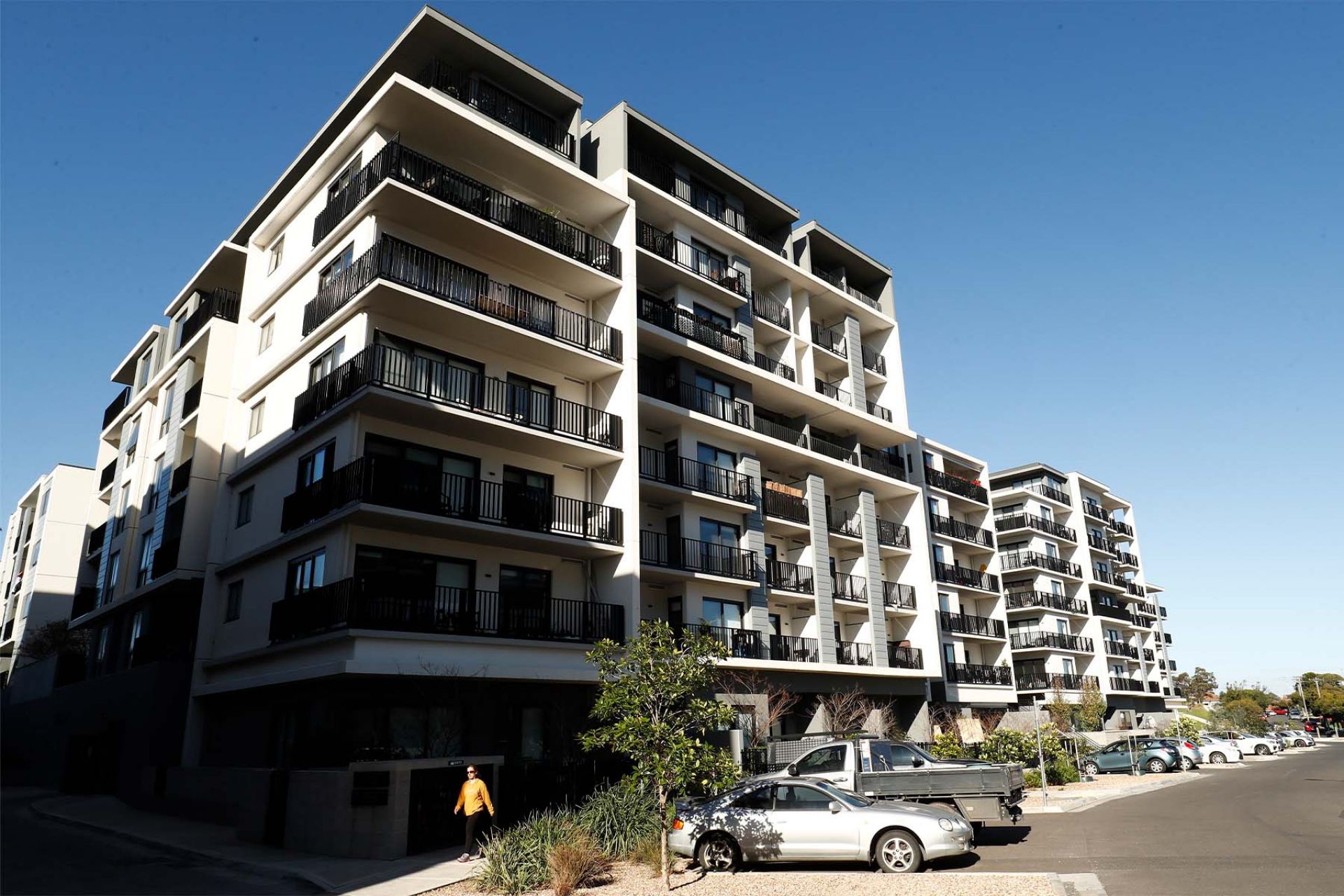
As Australia confronts its housing crisis, governments are seeking to substantially increase housing supply.
The more we build, and the faster we build, the more important it becomes to clearly define in law who is professionally accountable for ensuring our buildings are properly constructed.
At the completion of structural works, we should be able to answer three simple questions:
· Was it built as designed?
· If it was changed, was that change properly engineered?
· Who was professionally accountable for verifying it?
This is not simply a technical issue; it is a question of public safety and professional accountability.
A building is not safe simply because the drawings were correct. It is safe when what was designed was also correctly built.