

As flood risk grows, underinsurance could become Australia’s least visible climate problem
More homes than ever are being mapped into flood zones, but many households are dropping their cover. New research points to a confusing system, not complacent homeowners


Published 15 July 2026
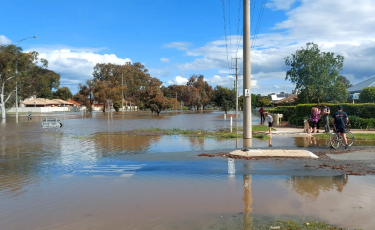
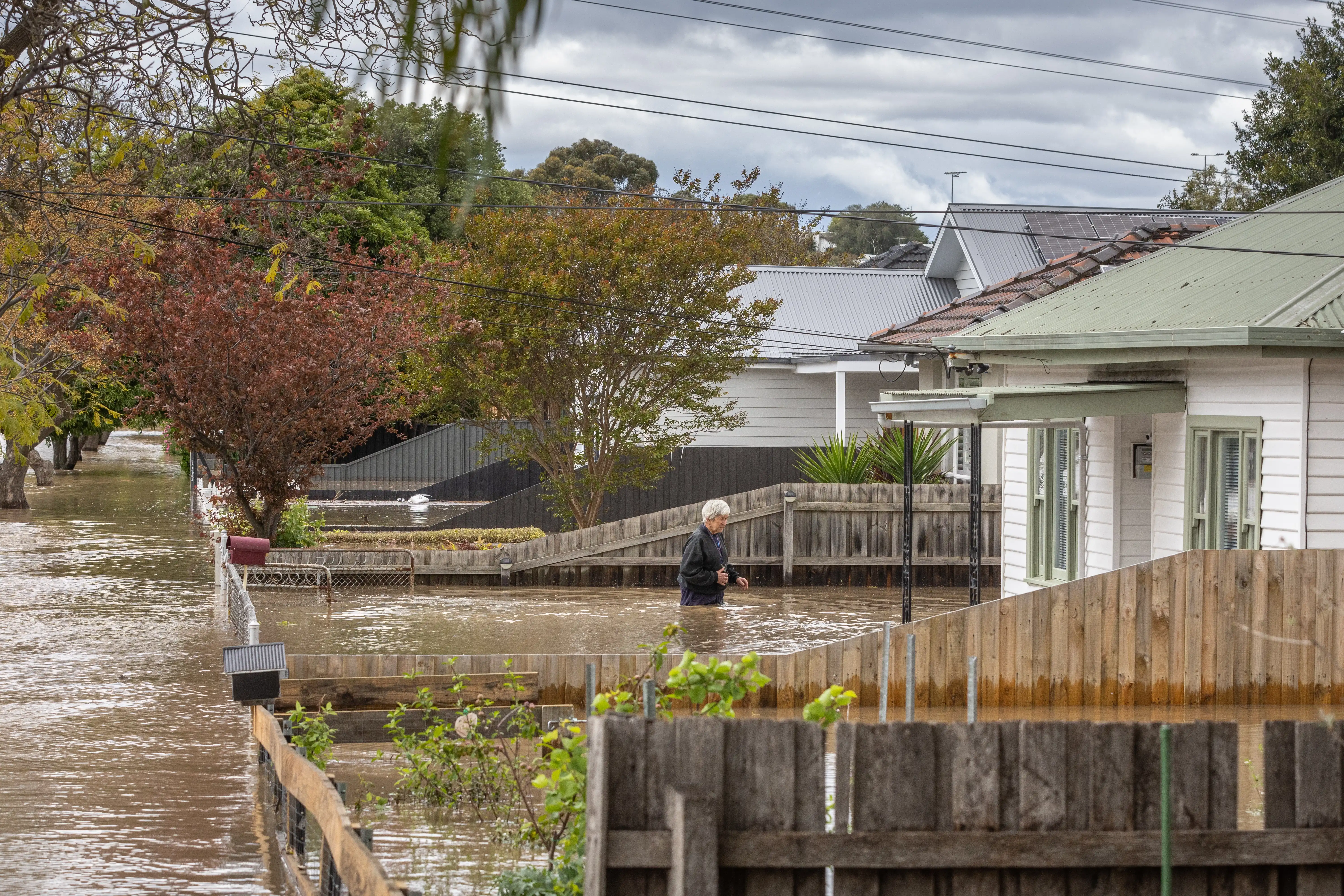
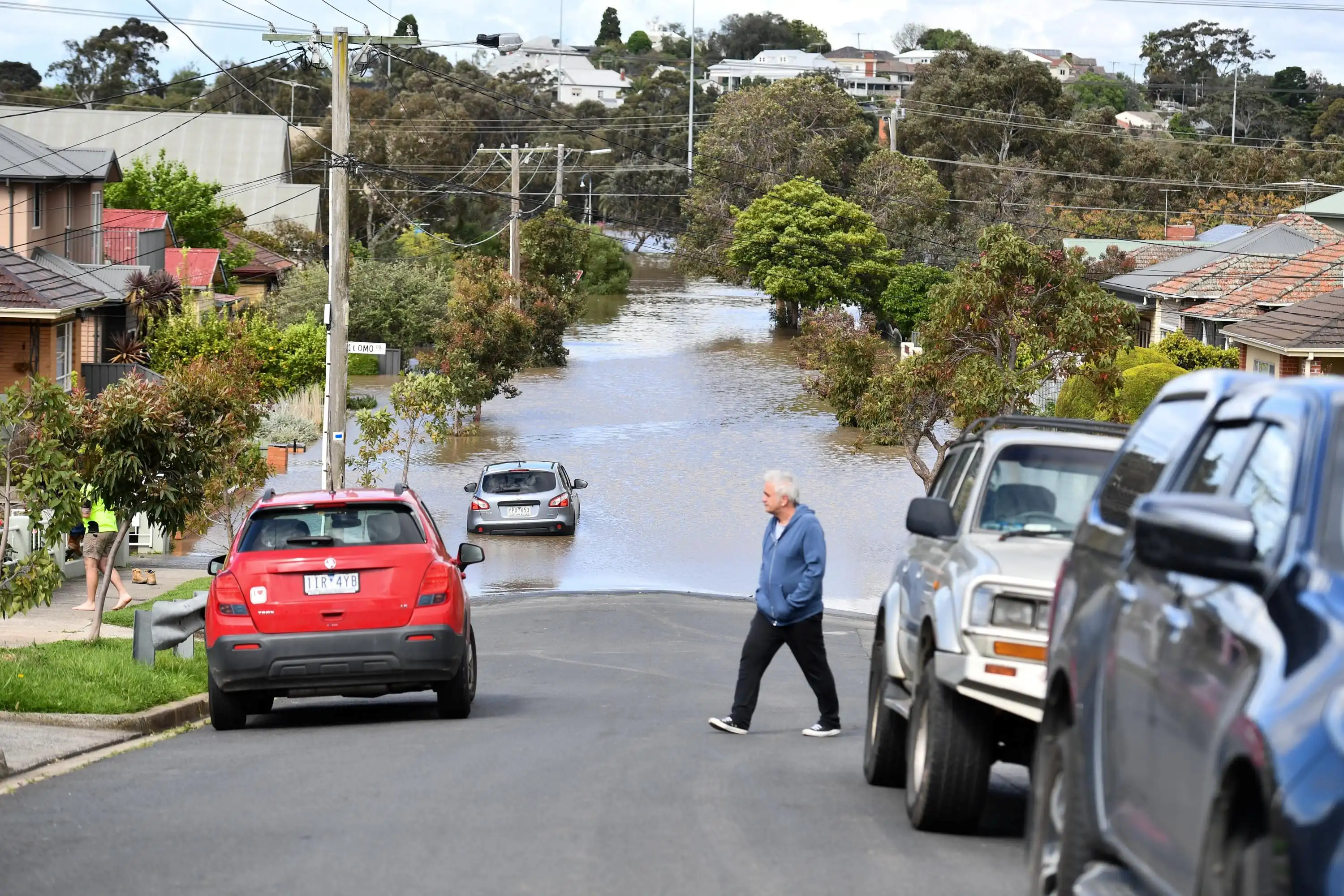
Extreme rainfall is redrawing Australia’s flood maps, but many of the affected households inside those lines remain underinsured.
The common assumption is that people simply lack information – that if households understood their flood risk, they would buy the right insurance and protect themselves. But our latest research suggests the reality is much more complicated.
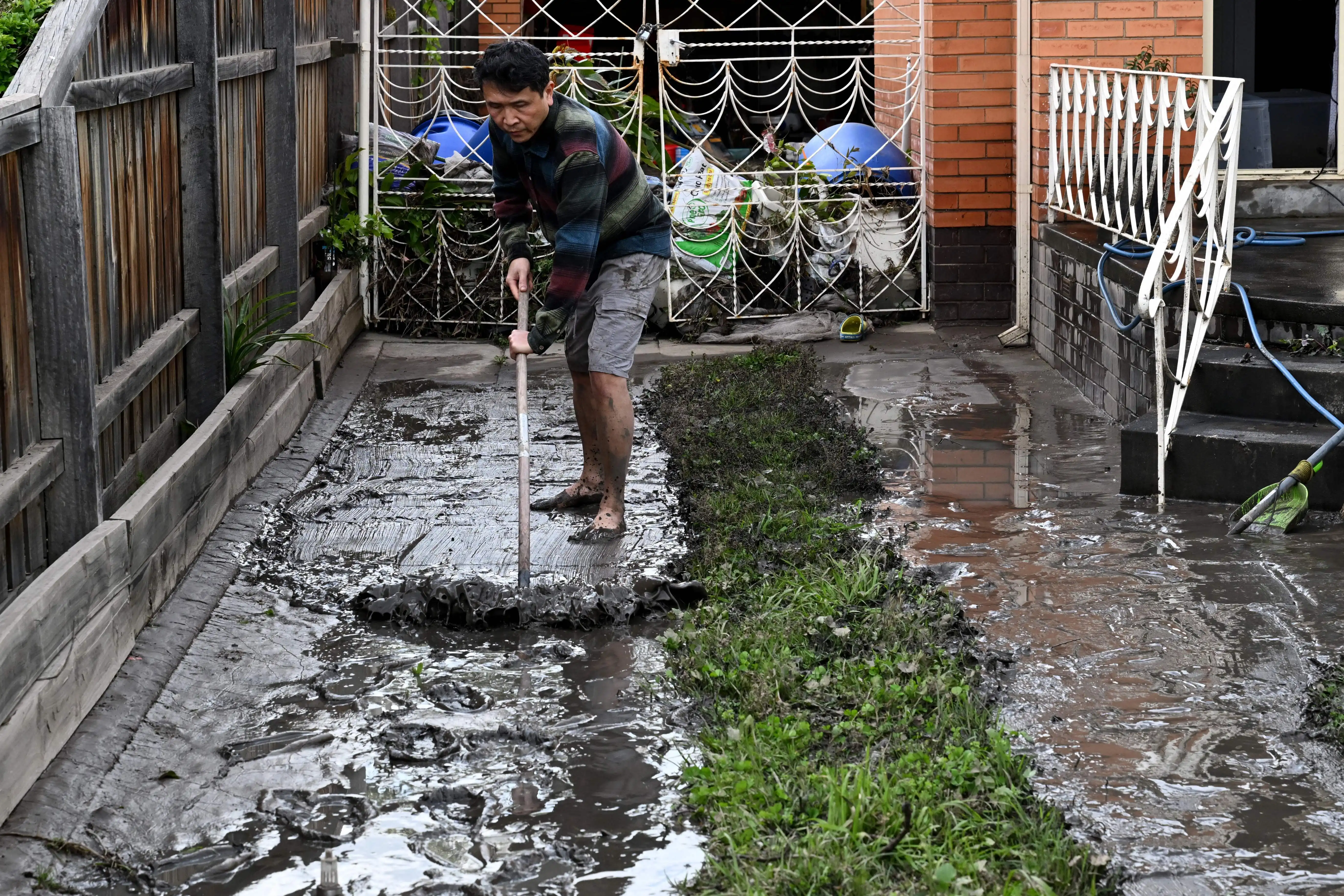
In a recent study published in the International Journal of Disaster Risk Reduction, we followed up with more than 600 households living in flood-prone areas across Melbourne to understand how people make decisions about flood insurance.
Rather than finding widespread complacency or ignorance, we found households actively trying to navigate an increasingly complex insurance landscape, one that often provides conflicting information, rising costs and little certainty about what constitutes adequate protection.
Understanding risk isn't the problem
Across Australia, flood risk is increasing.
Ageing drainage infrastructure, urban expansion and more intense rainfall mean more homes are being identified as vulnerable to flooding.
At the same time, insurance is becoming more expensive and, for some households, increasingly difficult to access.
Against this backdrop, governments have invested heavily in improving flood mapping and communicating risk.
While better information is undoubtedly part of decision-making, our research suggests awareness alone is unlikely to solve Australia's growing underinsurance problem.
Many people in our study already knew they lived in a flood-prone area. Several had researched insurance options, compared policies and spoken with insurers.
The challenge was not recognising the risk. Instead, it was interpreting inconsistent information and deciding what level of insurance was actually right for them.
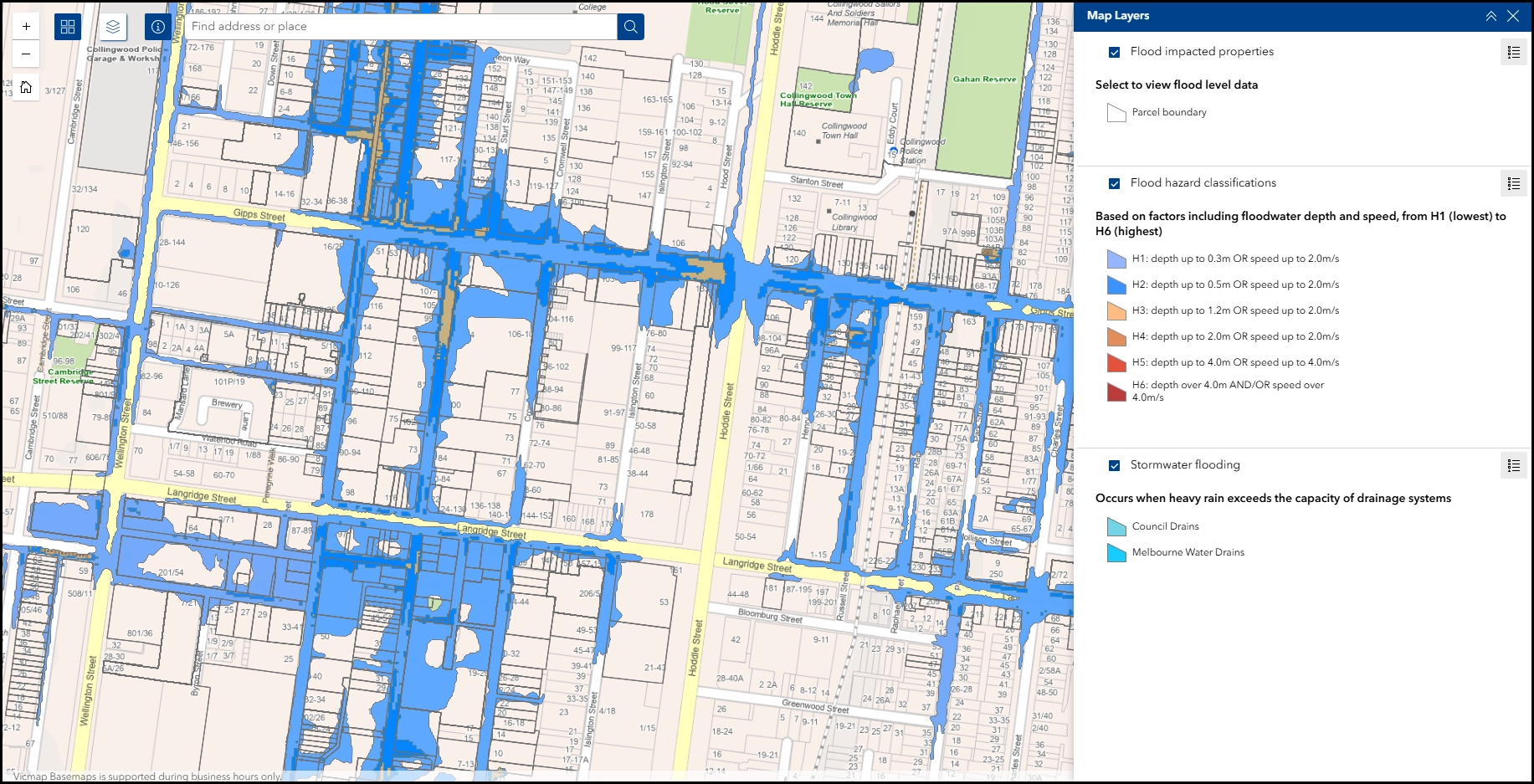
Some households reported receiving completely different flood classifications for the same property depending on which insurer they approached.
Others struggled to understand policy exclusions, varying definitions of flood cover and what level of protection would be sufficient should disaster strike.
When insurers themselves appear to disagree about the level of risk, it becomes difficult for households to make confident financial decisions.
Underinsurance is often a rational decision
Underinsurance is often portrayed as a failure of personal responsibility, a matter of poor decisions or a lack of preparation. Our findings paint a different picture.
For many households, underinsurance represents a conscious and carefully considered financial trade-off.
Sciences & Technology
What is Godzilla El Niño?
People described reviewing policies in detail before deciding to remove flood cover because premiums were unaffordable.
In some cases, annual flood premiums increased by many thousands of dollars following updated risk assessments. Faced with these costs, households were not ignoring the risk – they were making difficult choices within the limits of their household budgets.
In other words, underinsurance isn't just an individual failing, it's a structural problem, shaped by affordability, market trends and the information households can actually utilise.
Better maps can create new challenges
Across Melbourne and elsewhere in Australia, flood mapping is continuing to evolve as new modelling provides a more accurate understanding of future risk.

When properties are reclassified into higher-risk categories, homeowners may face higher insurance premiums, larger excesses, planning restrictions or declining property values. Without clear communication or accompanying support, these changes can leave households feeling confused and financially exposed.
So, improving flood maps is not simply a technical exercise.
It’s also a social transition that affects how people experience climate risk, interact with insurance markets and make decisions about protecting their homes.
Why invest if the benefits are unclear?
Governments and insurers are encouraging households to invest in measures that reduce flood risk. Raising electrical systems, improving drainage or installing flood barriers can all help mitigate damage during disasters.
Business & Economics
Insurance failing when we need it most
But many people question whether these investments would actually lead to lower insurance premiums or better coverage.
Several households told us that they couldn’t identify any meaningful financial reward for making their homes more resilient. Without a clear link between mitigation efforts and insurance outcomes, investing thousands of dollars in adaptation becomes difficult to justify, especially as people face cost of living pressures.
This weakens one of Australia's key approaches to climate adaptation.
If households can’t see how resilience investments translate into tangible financial benefits, they may trade-off those investments for ones with more certain returns, regardless of how much information governments provide.
Beyond awareness
Australia's flood insurance challenge is often framed as an information problem. Simply tell people about the risk and they will act. Our research suggests that awareness is only one piece of a much larger puzzle.
Households also need confidence that the information they receive is consistent, that insurance products are understandable, that adaptation efforts are recognised and rewarded, and that affordable pathways to adequate protection exist.
As climate change expands flood risk across Australia, more communities will confront these decisions.
Without better engagement and stronger links between mitigation efforts and insurance outcomes, underinsurance is likely to become one of Australia's most significant and least visible climate vulnerabilities.