
Health & Medicine
Too young for Facebook, old enough for prison?


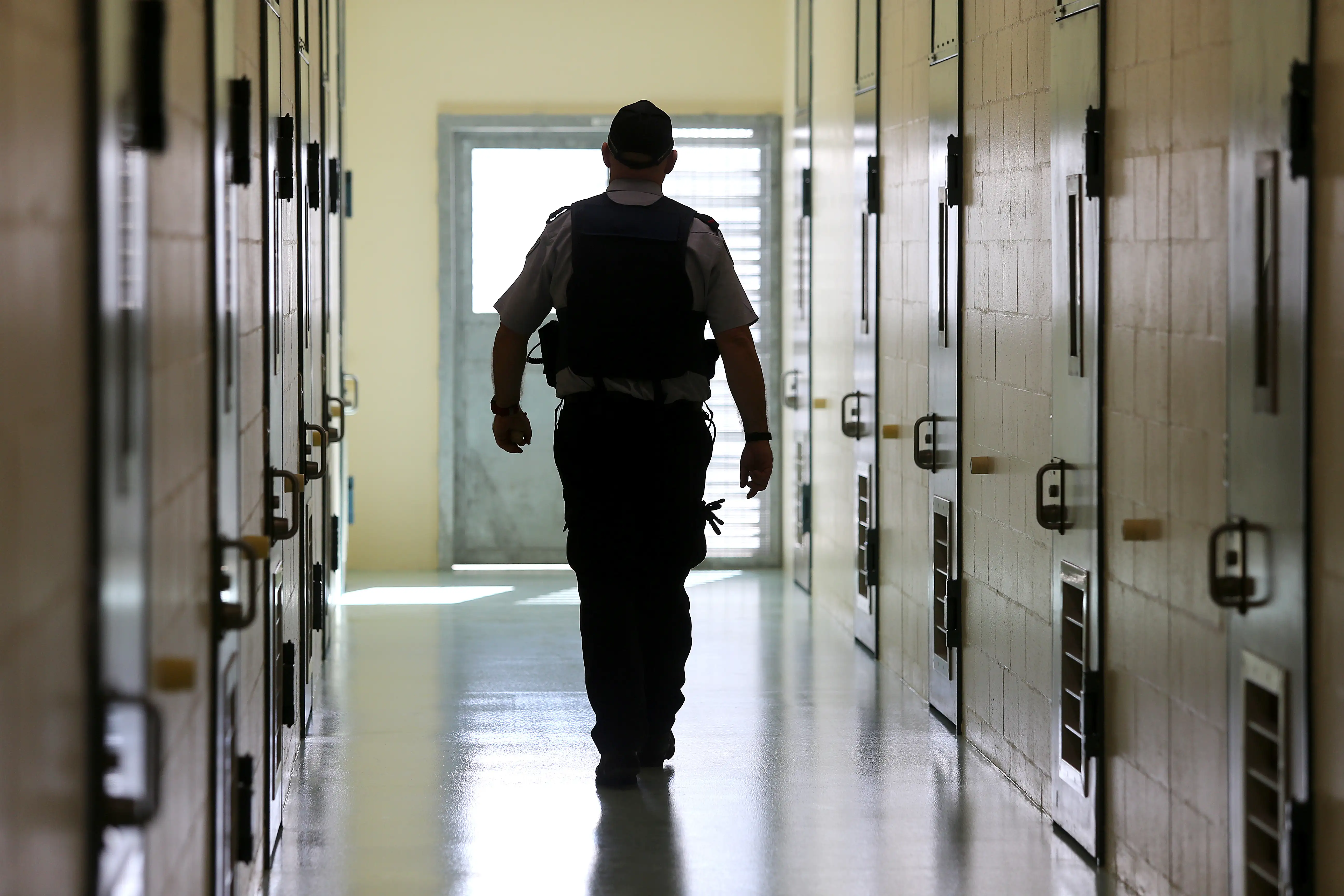
When Cleveland Dodd died in youth detention, the coroner found no single mistake – just a system that ignored the warnings. Harsher sentences won't fix that


Published 17 March 2026
Getting tough on youth crime is politically easy. Building a youth justice system that is safe, accountable and capable of learning is much harder.
And the public is worried. Some offences are serious and visible, and harsher penalties sound like 'real' action.
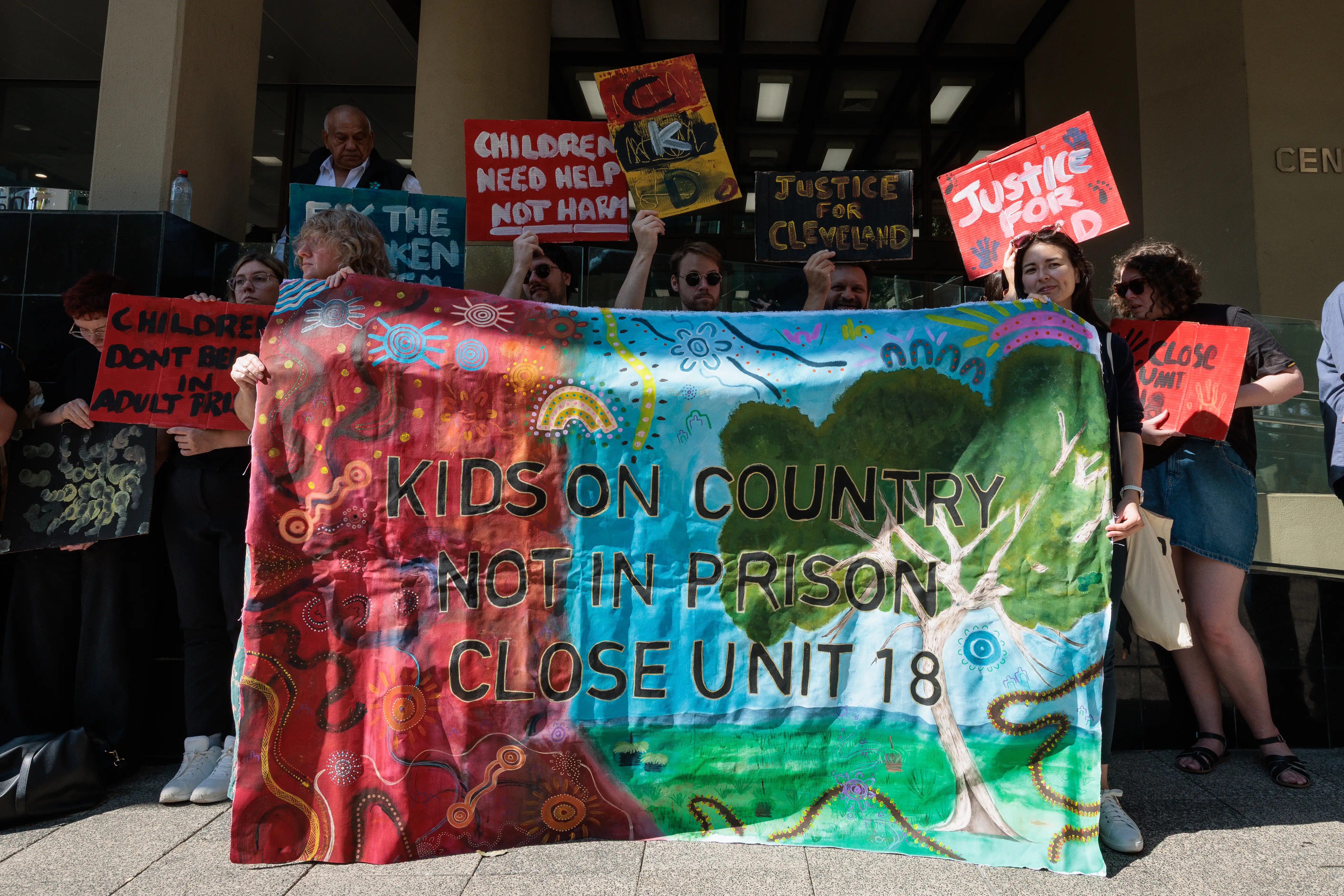
But, if the death of 16-year-old Cleveland Dodd tells us anything, it’s that youth justice cannot be understood only as a question of punishment.
It is also a question of whether the state can run a safe, accountable system for children in its care.
Cleveland Dodd died in youth detention in Western Australia in 2023.
The coroner's findings make for devastating reading. They point not to a single mistake, but to a system that failed to act on known risks.
The real lesson of this case is that when warnings accumulate, oversight is weak and learning is slow, tragedy becomes more likely.
This matters beyond Western Australia.
Health & Medicine
Too young for Facebook, old enough for prison?
Youth justice policy across Australia is shifting rapidly. Queensland has expanded its Adult Crime, Adult Time approach. Victoria has announced its own Adult Time for Violent Crime regime.
These changes are presented as strong responses to community concern about youth offending.
Serious offending causes real harm, and governments have a duty to protect the public. But there’s a difference between looking tough and fixing what is broken.
Our research analysed recommendations from inquiries, reviews and reports into Australian youth justice systems and found a familiar pattern: unsafe conditions, weak coordination, inadequate therapeutic support, poor implementation, limited accountability and bursts of political attention after crises, which quickly fade.
We know what the system’s problems are but it seems we struggle to act on that knowledge consistently and transparently over time.
That is one reason why punitive slogans have such political appeal. They are simple, memorable and immediate.
They create the impression of movement and progress, but can also crowd out the slower, less dramatic work of system improvement: prevention, early support, workforce capability, service integration, transparent monitoring and independent oversight.
They can also distort what youth justice is for.
Many children in these systems have histories of trauma, unstable housing, cognitive disability, mental ill-health, substance use, family violence or contact with child protection.
A system built mainly around punishment is badly equipped to respond to that complexity and reduce long-term harm.
This is why we need a different way to frame youth justice reform.

Health & Medicine
Giving prisoners a sporting chance
Our recent paper explores what it would look like if we treated youth justice more like other high-risk public systems, like healthcare.
In health, when serious failures occur, the answer is not simply to blame individuals or expand sanctions. It’s to also ask whether the system itself is safe, standards are clear, harms are measured, there is independent scrutiny, and lessons are translated into sustained improvement.
That same logic can be applied to youth justice.
A safety and quality approach doesn’t mean ignoring crime or abandoning accountability. It means being much clearer about what governments should be accountable for.
Are children safe in custody? Are harmful practices reducing over time? Are services coordinated around need? Are outcomes tracked transparently? Are known risks acted on before another crisis occurs?
It also means taking relationships seriously. Many justice-involved children have experienced trauma and adversity, so relationship-based, trauma-informed practice is not a soft option.
It’s part of what effective systems look like when they are designed to reduce harm, support engagement and improve the chances of change – rather than simply contain children until the next failure.
There is also an institutional governance lesson here.
The UK Government has now proposed shifting policy development, funding and performance-monitoring functions from the Youth Justice Board to the Ministry of Justice, and changing the role of the Board to focus on evidence-led improvement and frontline support.
Australia does not need to copy this model. But the debate usefully sharpens a question we have not answered well enough – who should hold the levers of quality assurance, performance oversight and system learning?

Politics & Society
Children entitled to a life where their rights are protected
If those functions sit too close to the operational machinery they are meant to scrutinise, failure becomes easier to normalise and harder to correct.
That is why governance matters.
A youth justice system needs more than beds, fences and harsh sentencing rhetoric. It needs independent oversight, clear standards, transparent data, sustained implementation effort and a willingness to learn from failure before another child is harmed.
The real test is not whether governments can sound tough, but whether they can build systems capable of detecting danger, acting on warning signs and improving key functions before catastrophe.
If the goal is to genuinely reduce offending and improve community safety, punishment cannot be the only narrative that governments tell – and sell.
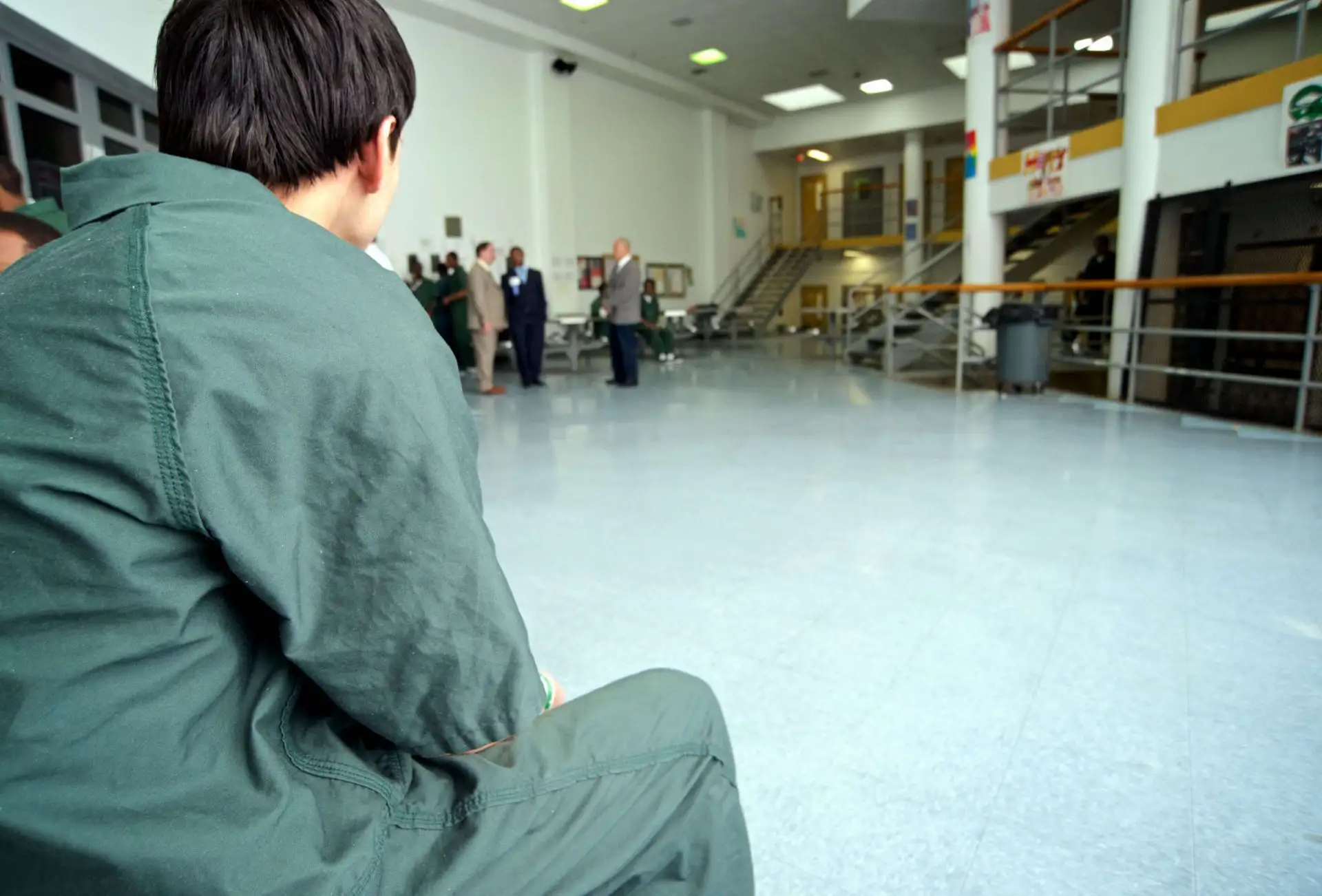
Cleveland Dodd's death should not become just another moment of outrage followed by a quiet drift.
Australia does not need another pile of recommendations that are nodded at and ignored. If governments are serious about community safety, they need more than tougher laws.
What we need are youth justice systems that are safe, accountable and honest enough to learn.