Health & Medicine
Why your brain health matters


Neurological disorders are now the leading cause of disability worldwide, but Australia has no coordinated national strategy to protect the health of our most vital organ


Published 21 July 2026
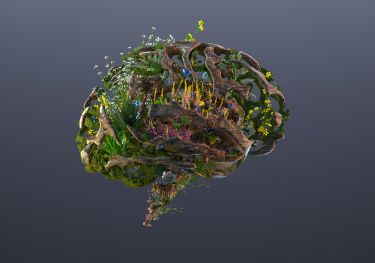
Our brains make us who we are: holding every memory and shaping every choice. But Australia has no national strategy to protect this vital organ.
Protecting brain health is not just about preventing disease. It is about enabling people to think, learn, remember, move, work and stay connected throughout life.

Without a healthy brain, there is no education, no productivity, no healthy ageing and no national prosperity.
It is easy to mistake the absence of illness for the presence of health. But they are not the same thing.
Nearly eight decades ago, the World Health Organization recognised this distinction and redefined health as "a state of complete physical, mental and social well-being, and not merely the absence of disease or infirmity."
It was a new way of thinking – one that recognised the true purpose of medicine is not merely to treat disease, but to help people live healthy, productive and meaningful lives.
Nowhere does that definition matter more than for the human brain.
Our brains are truly our most extraordinary organ.
Health & Medicine
Why your brain health matters
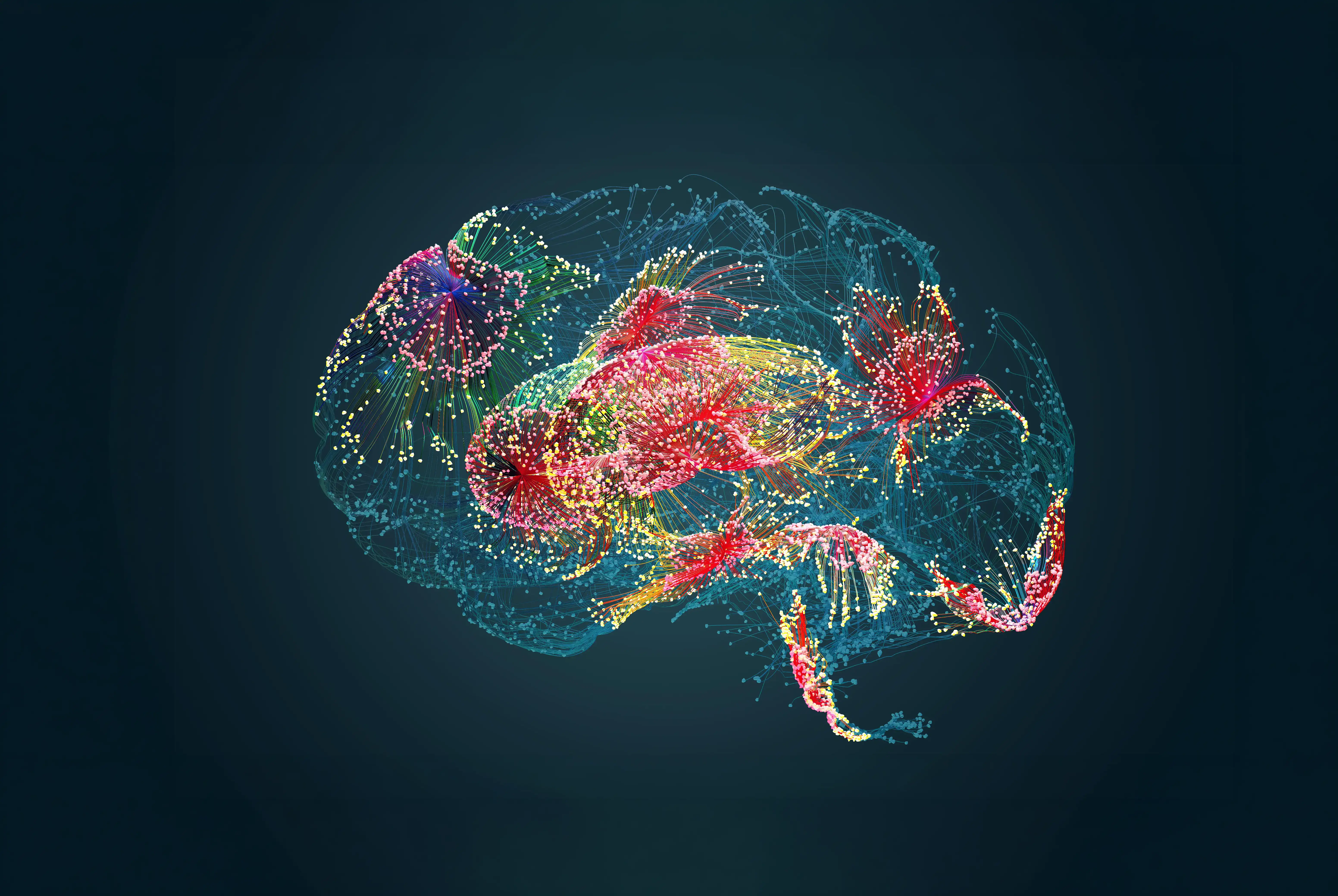
Weighing little more than 1.3 kilograms, it contains approximately 100 billion neurons connected through hundreds of trillions of synapses, forming what’s been described as the most complex known structure in the universe.
It is the command centre that controls every decision we make, every memory we treasure and every relationship we value.
So, brain health is far more than the absence of neurological disease.
If we look specifically at brain health, the World Health Organization defines it as "the state of brain functioning across cognitive, sensory, social-emotional, behavioural and motor domains, allowing a person to realise their full potential over the life course, irrespective of the presence or absence of disorders."
This definition represents an important shift in thinking.
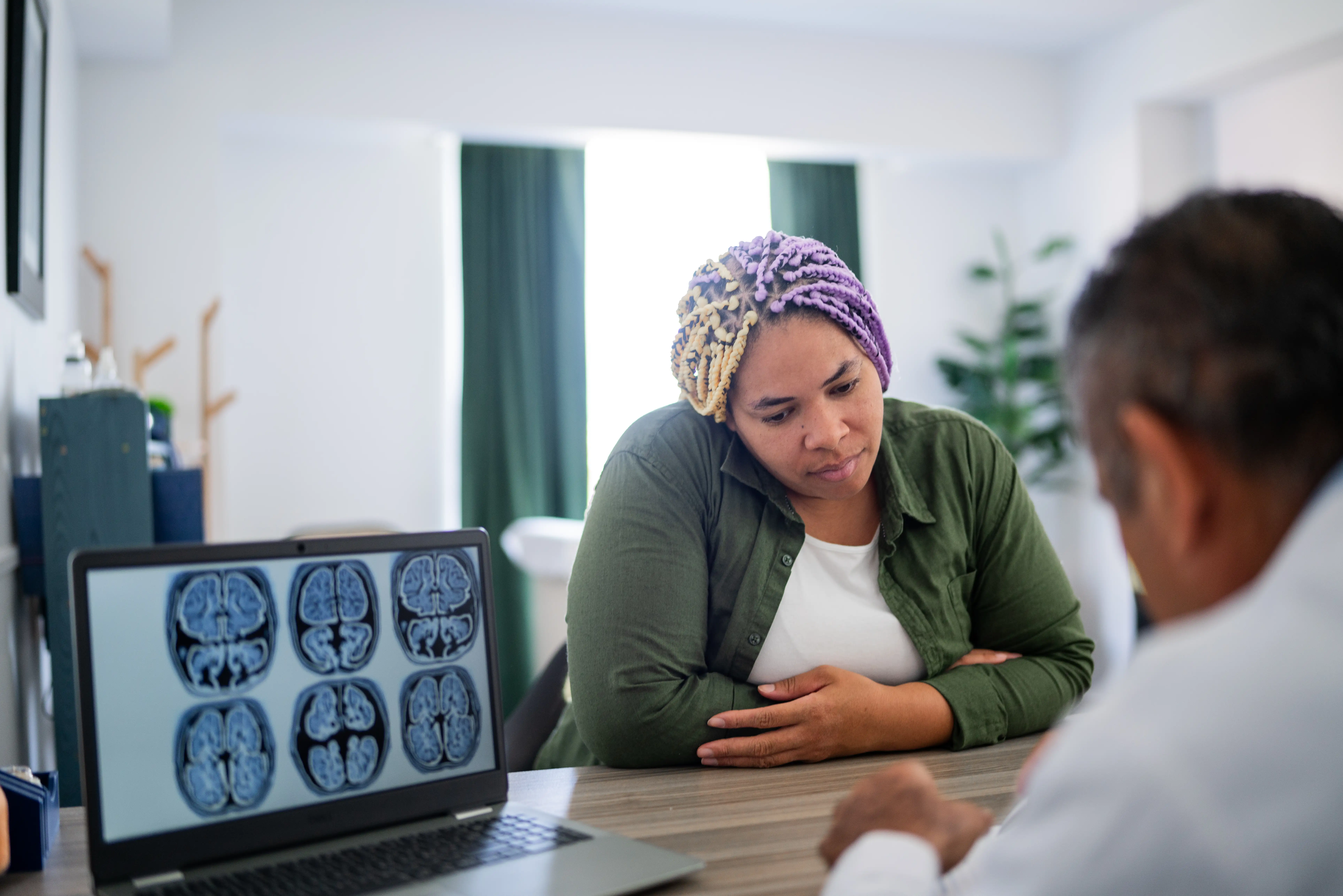
It reminds us that brain health is not solely the concern of neurologists or neurosurgeons. Brain health is a lifelong journey – for all stages of life – that begins before birth and continues through childhood, adulthood and to every older person hoping to remain healthy and independent.
In fact, protecting brain health is one of the greatest investments a nation can make.
A healthy brain builds what we might call our cognitive wealth, or the collective capacity of people to think, solve problems, create new ideas and contribute to society.
As Australia's population ages protecting brain health is no longer just a medical priority. It is an economic, educational and social priority.
It’s a remarkable achievement that Australia has one of the highest life expectancies in the world. But, it also means that more Australians are living long enough to develop conditions including stroke, dementia, Parkinson's disease, migraine, epilepsy and other neurological disorders.
Health & Medicine
What we now know about long COVID and our brains
Together, neurological disorders are now the leading cause of disability worldwide, affecting more than 3.4 billion people globally. And Australia is part of this growing challenge.
But there is reason for optimism.
Many of the conditions that threaten our brain health are preventable or can be delayed.
Simple steps can contribute to a healthier brain, including:
Controlling blood pressure, diabetes and cholesterol
Remaining physically active
Maintaining healthy sleep
Reducing smoking and harmful alcohol consumption
Protecting hearing
Staying socially connected
Continuing lifelong learning.
Increasingly, scientific evidence shows that investing in prevention delivers benefits not only for individuals, but also for entire health systems and national economies.

Brain health should be everyone's business.
Schools can help to promote healthy brain development. Employers can foster mentally healthy workplaces. Communities can reduce isolation and encourage active lifestyles.
GPs can identify risk factors earlier. Hospitals can provide timely diagnosis and treatment. Researchers can continue translating discoveries into practical care.
And governments can lead, with a coordinated national strategy that other health priorities already have.
Many countries are moving away from tackling neurological disorders disease by disease. Instead, they are joining up prevention, diagnosis, care and rehabilitation across a person's whole life.
The WHO Intersectoral Global Action Plan (IGAP) provides an important global framework to do this.
Health & Medicine
Working to stop MS in its tracks
Australia has an opportunity to lead our region.
We have internationally recognised neuroscientists, outstanding universities, world-class clinicians, strong consumer organisations and an excellent primary healthcare system.
Done well, a national brain health strategy would bring these strengths together behind common goals. It would put prevention first. Build the workforce. Back the research. And set national targets we can actually measure.
The science is compelling. The economic case is strong. The public health need is undeniable.
The question is no longer whether Australia needs a National Brain Health Strategy, but whether we have the vision to lead.
Now is the time to bring brain health to the centre of Australia's health agenda to protect the cognitive wealth of our nation for generations to come.