


Australia's under-16 social media ban is popular with parents, but will it survive the High Court?

As Australia’s under-16 social media ban heads to the High Court, experts question whether, despite its popularity with parents, it's actually working (or not)


Published 31 August 2026
As Australia's world-first ban on social media accounts for under-16s faces its first major legal test in the High Court, the law's popularity with Australian parents may be outpacing the evidence that it actually works.
On the podcast, Justice with Jon Faine, we examined the fallout from the legislation as it collides with two major developments: a US$17 billion settlement by Meta and a fresh constitutional challenge before Australia's highest court.

An age restriction rather than a ban?
The Online Safety Amendment Act, which took effect in December 2025, places obligations on social media platforms to prevent under-16s from holding accounts.
The law has proven popular in Australia: roughly 80 per cent of parents support it, according to one study.
But the evidence of its effectiveness is far less settled.
Some studies suggest that 85 per cent of kids are working their way around the ban, still accessing social media in much the same way as before.
The gap between popularity and effectiveness hasn’t stopped more than 140 academics from signing a statement opposing the legislation.
This is not because they dispute the harms of social media, but they don't think this is the best solution to that problem. Instead, they argue, responsibility should fall on platforms to redesign their products to be less addictive.
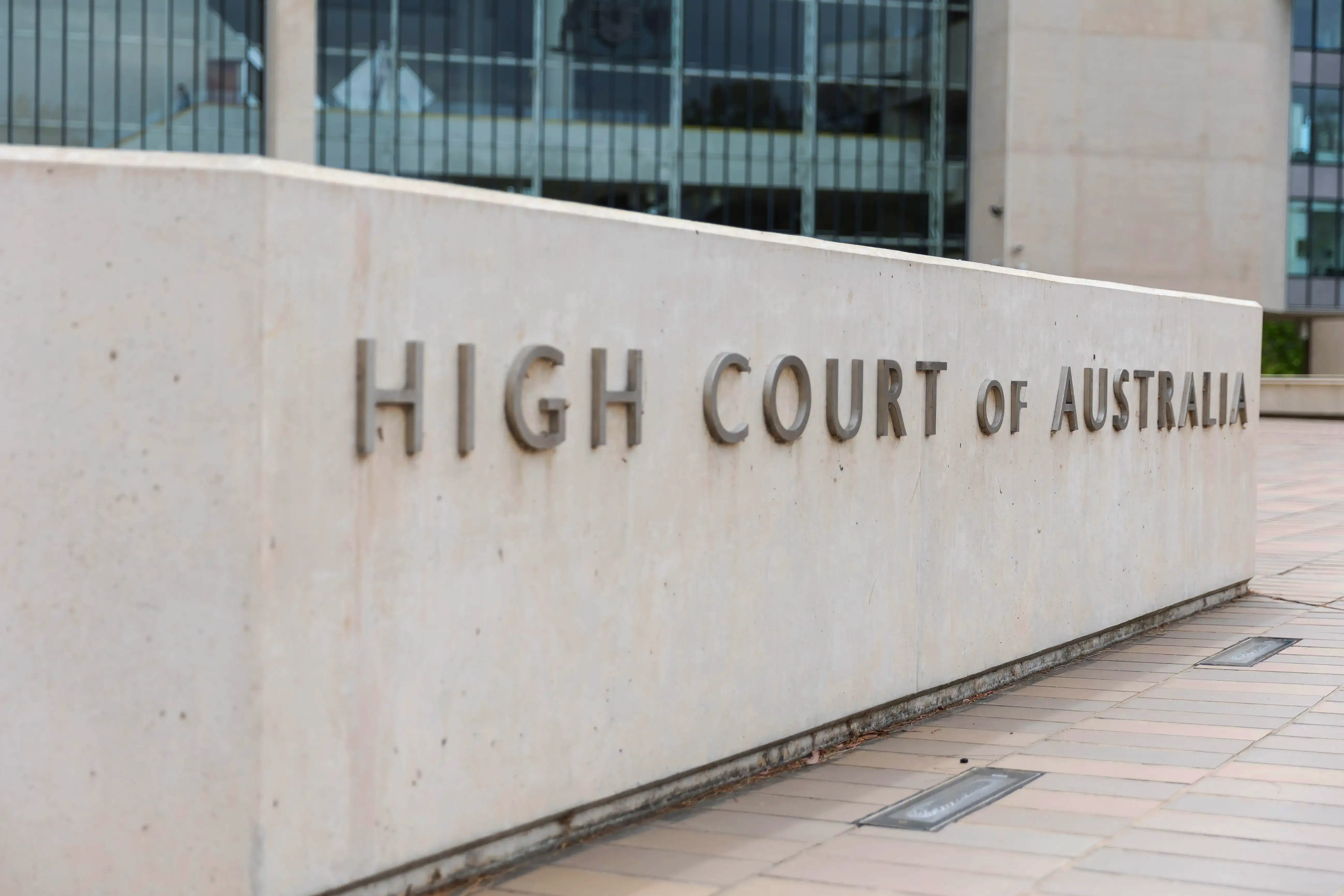
Here in Australia, the law now faces a direct legal challenge.
Two matters – one brought by the libertarian Digital Freedom Project, the other by the online discussion forum Reddit – are expected to be heard in tandem by Australia’s High Court, arguing the ban unconstitutionally burdens political communication.
Argument in these cases is scheduled for November.
These cases would provide the first opportunity for the High Court to grapple in detail with how the constitutional protection for political communication applies to social media.
The argument is likely to be narrowly focused. The parties appear agree that that the law does burden political communication and that the law’s objective of reducing harm to children under 16 from use of social media is legitimate.
The remaining question is – to paraphrase the High Court’s complex terminology - the ‘reasonableness’ or ‘proportionality’ of the law.
Under this standard, the Court must assess whether a ban on under 16s is reasonably effective; whether there were alternative and less restrictive ways to achieve the same objective; and must weigh up the burden the law places on political communication against the importance of the law’s objective of protecting children
That judgment is notoriously difficult.
The Court will need to consider all the circumstances of the case, likely to include complex and contested social science evidence, and make a value-judgment about the importance of protecting children against the importance of political communication.
It's not the Court’s job to design the best possible law
The Court’s role is to establish whether this law is ‘reasonable’ rather than whether it is the most effective way of protecting children.
If a challenger wants to argue that an alternative means is available, it would need to show that the alternative is "obvious and compelling" and "reasonably practical" .
Complicating matters further, the High Court has no investigative powers and cannot test contested social-science evidence as a specialist inquiry could.
There are parallels with France.
A similar law was struck down by the French Constitutional Council in August for failing to adequately distinguish between different types of platforms.
This ruling suggests one weak point in Australia’s law is whether it's sufficiently tightly targeted.
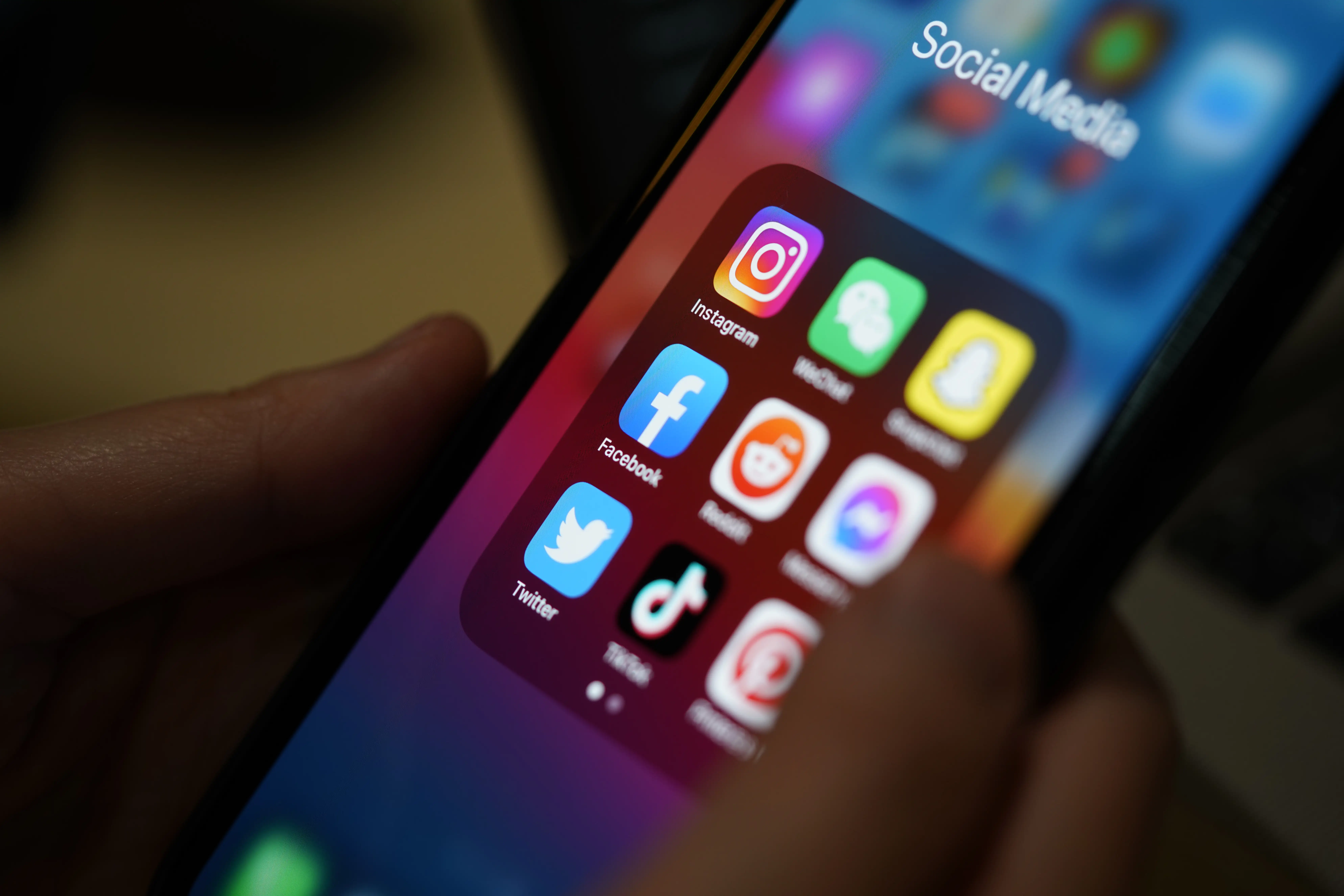
Perhaps anticipating the point, the federal government issued rules in November 2025 specifying that the law applies only to social media platforms that use personalised recommendations, endless feeds, engagement feedback, time-limited content and require login accounts to access these features
And there is an even more fundamental objection to the law.
If the age restriction can be easily evaded, and has resulted in only a modest reduction in user numbers, are the laws successfully achieving their aim of protecting children under 16?
Or is even a modest reduction sufficient, especially if the effects might be thought to increase of over time?
Big tech's response to the ban, meanwhile, is shaped by its history with Australian regulation.
The 2021 News Media Bargaining Code (NMBC) was designed to compel platforms to pay news outlets for news content appearing on the platform, and it brought in roughly AU$200 million a year for Australian newsrooms.
But Meta showed how fragile such laws can be.

Politics & Society
Supporting kids’ social lives, without social media
When the Canadian government passed the Online News Act (Bill C-18) following Australia’s lead, which required tech giants to negotiate commercial deals and pay local news publishers for their content, Meta responded by permanently blocking all news content on Facebook and Instagram for Canadian users.
It attempted a similar but temporary ban on news on Meta sites in Australia, but lifted it after last-minute changes to the proposed legislation.
After three years of the NMBC, Meta declined to renew its deals with media companies as they expired.
That left Google as the only platform still paying for news and blunted the law's aim of sustaining public interest journalism.
In response, the Australian government introduced the News Bargaining Incentive in August 2026, which applies an advertising tax to platforms that fail to strike deals with news companies.
But Australia is a small market for Meta, and changes here rarely trouble the company unless they start drawing global attention.
That global interest is now building around the under-16 ban.
Brazil, Indonesia and Malaysia are adopting similar restrictions, while New Zealand and the UK working on their own versions based on Australia’s example.
Australia isn't Meta's main worry
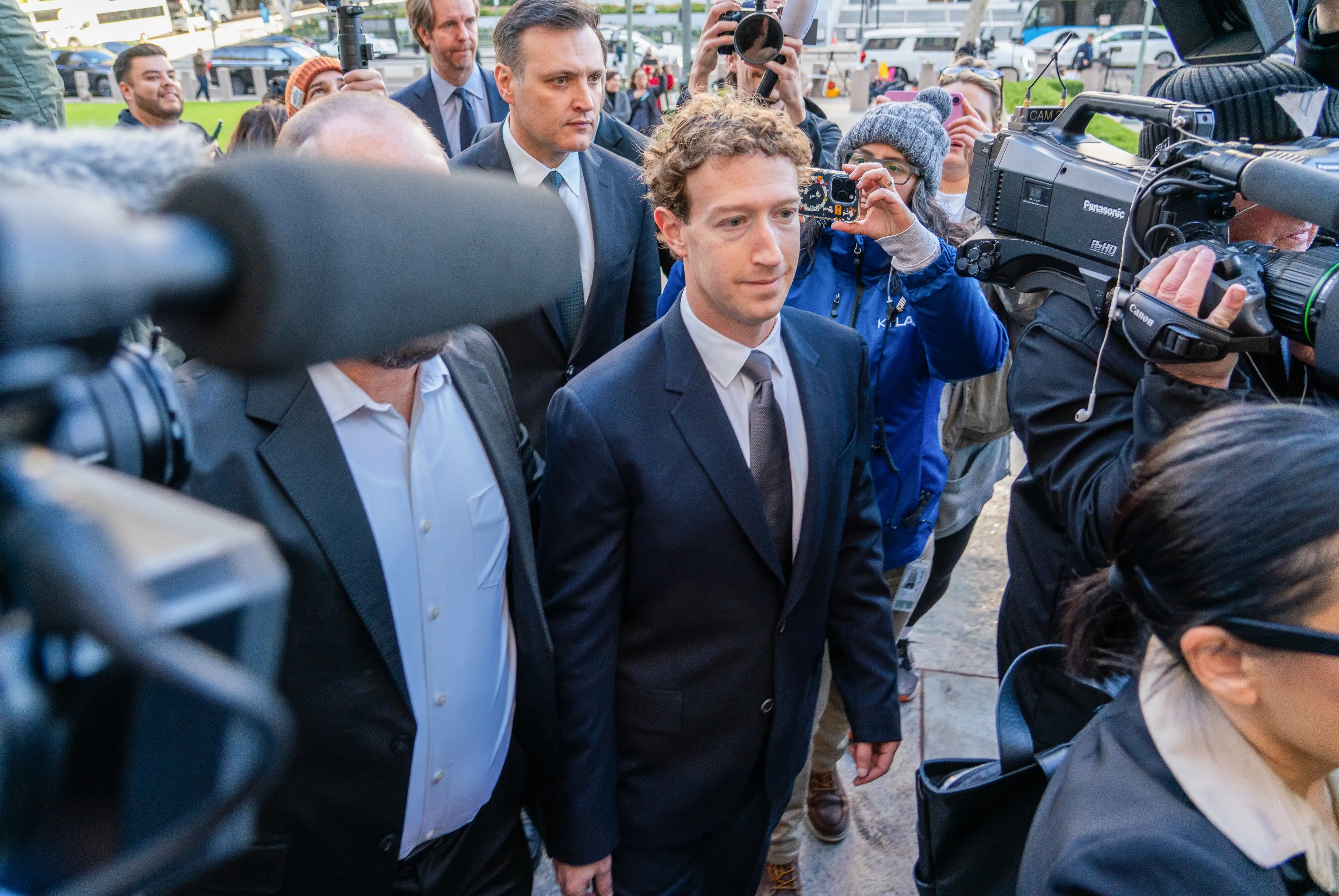
The Australian High Court case also comes as Meta agreed to a landmark US$17.1 billion settlement resolving claims from 47 US states, the District of Columbia and several territories, which alleged Facebook and Instagram were designed to hook young users.
The settlement halts federal proceedings in California and spares chief executive Mark Zuckerberg from testifying.

Sciences & Technology
We need to keep Big Tech in check
While Meta has not admitted wrongdoing, it will bring in stricter rules for US users under 18.
For now, those changes won't extend to Australia.
With the High Court hearing expected this year, one option is for the courts to stay out of the fight altogether.
If the Court agrees that the law is a proportionate measure, the result would be to let the 'social experiment' run, to give time for the regulator to work with social media platforms to find more effective ways of implementing it, and give Parliament room to refine the law as real-world evidence comes in.
That might be better result than allowing the issue to 'crystallise' before that evidence exists.
While the High Court will probably rule on whether the ban is lawful, whether it adequately protects children is a verdict that may take far longer to reach.
You can listen to a special episode of the podcast, Justice with Jon Faine, with Professor Andrea Carson, Director of the Centre for Advancing Journalism, and Professor Adrienne Stone, Director of the Centre for Comparative Constitutional Studies at Melbourne Law School. To listen to the episode on Spotify, click here.