

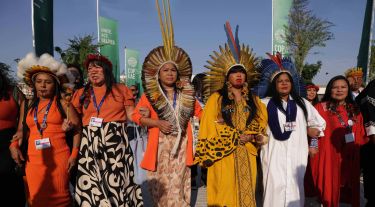
Caring for Country means First Nations are at the heart of decision making
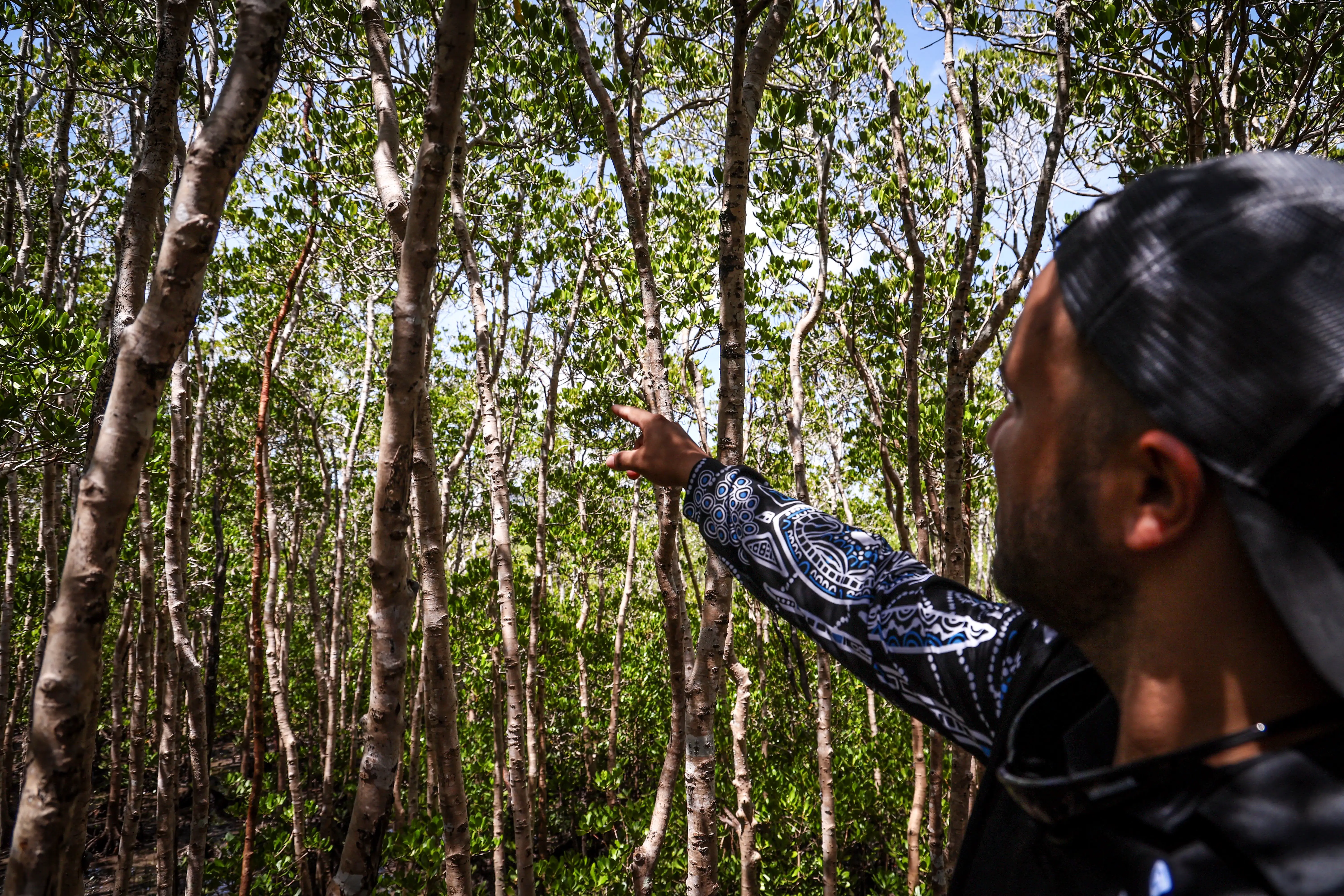
Recent environmental reforms have left the door open for new standards that ensure meaningful engagement with Traditional Owners


Published 30 April 2026
Australia is at a critical moment in shaping the future of environmental stewardship.
Reforms to the Environment Protection and Biodiversity Conservation Act 2025 (EPBC Act) have passed, and the federal government has laid out a legacy for how they will care for the environment and provide protection for critically important species and ecological communities.

These reforms were long awaited – promising streamlined approvals, a new environmental regulator, national standards and greater engagement of Indigenous peoples in decision making.
While they signal progress for Indigenous inclusion, the proposed standards, namely the National Environmental Standards for First Nations engagement, are still being developed. The scope, remit and authority of these proposed engagement standards remain unclear.
The EPBC Act is our principal environmental legislation, protecting nationally important species, habitats and places.
Like the preceding legislation, however, this Act privileges western scientific knowledge and frameworks, while marginalising Indigenous ways of knowing, being and doing.
The separation of humans from the natural world prevails as the dominant narrative, largely excluding the holistic values of Country that have sustained healthy ecosystems for millennia.
What we do know is that these proposed engagement standards are of crucial importance in supporting decision making for Country that is informed and directed by Indigenous communities and knowledges.
The current climate
The reforms arrive in a complicated and tense environmental reality.
Catastrophic degradation of biodiversity and irreversible climate change is disproportionally impacting Indigenous peoples across the world.
The way of life for our brothers and sisters in the Pacific is increasingly threatened by the escalating impacts of climate change, with Australia set to receive the first official climate refugees in 2026.

This disparity is only increasing the gap in health outcomes and quality of life between Indigenous and non-Indigenous peoples.
If done right, the EPBC Act reforms could cement how future generations see our commitment to care for Country.
Whether the Act does, is another story.
A foundation of exclusion
The 1999 EPBC Act provided little in the way of Indigenous inclusion, with no mechanisms mandating meaningful consultation with Traditional Owners.
There was no requirement for free, prior and informed consent and no mechanisms for Traditional Owners to reject projects that are to the detriment of Country.
That meant projects could proceed without just consultation, consent or respect for cultural values and rights. Even in cases where Native Title is established, Traditional Owner non-consent could be circumvented.

Business & Economics
How Indigenous business enterprise is rewriting Australian economics
Despite this, the 1999 Act was not entirely silent on Indigenous participation.
It established an Indigenous Advisory Committee (IAC), a ministerially appointed body that provided advice on issues and best-practice standards for the engagement of Indigenous peoples.
From the 1999 Act flow two key documents – Engage Early and Ask First – which provide guidance on engagement with and participation of Indigenous peoples in projects that intersect with the Act.
These were important first steps, but they provide no clear avenue for binding decision making. Last year’s reform gave us a chance to change that.
More of the same?
Disappointingly, the new EPBC Act 2025 fails to provide real, meaningful self-determination for Traditional Owners.

The role of Indigenous peoples in matters that relate to the health of Country are at best advisory. There is no substantial transfer of power from the government to Traditional Owners to make decisions for their ancestral lands and communities.
It’s a familiar story – our knowledge is valued as an add-on to western science, our ancestral obligations an afterthought and our sovereignty over our own land is denied.
It reinforces a paternalistic system where we are treated as stakeholders in government processes, not as the rightful custodians and experts of Country.
There are also a new set of standards resulting from the new legislation for engaging with Indigenous peoples, which are promised for delivery sometime after December 2026.
These standards will presumably set clear and measurable outcomes for engagement.
If the proposed standards of engagement 'double down' on this disempowering rhetoric, they will be greasing the wheels of a system that has failed our environment and our people.
From advisory to authority
Traditional Owners should have the right to determine what happens on their Country.
They should be meaningfully involved from the start of project planning right till the end.
The new standards need to clearly articulate expectations around how and when engagement happens, and on whose terms.
This could look like:
Clear and binding Indigenous engagement for any planning and approvals processes, underpinned by principals of free, prior and informed consent
Expansion and greater clarity of the roles and power of the IAC to support Traditional Owners
Stronger enforcement mechanisms that provide Traditional Owners with avenues for legal challenges and judicial review when a project does not meet the engagement standards
Decision-making and leadership that reflects Traditional Owner protocols and values
These are the kinds of reforms that would reshape the relationship between the government and First Nations.
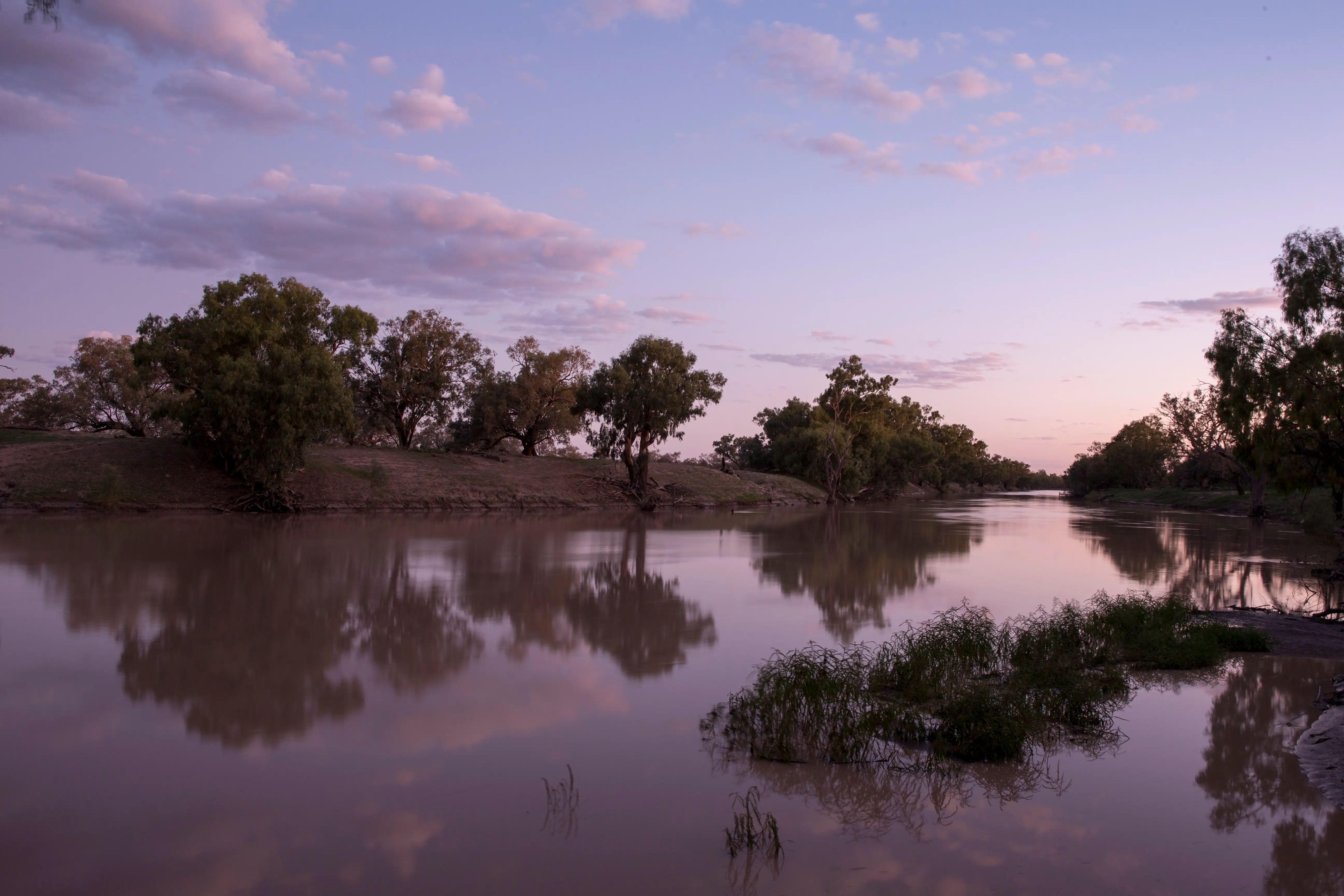
When Traditional Owners are in the driver’s seat, caring for Country, we see incredible environmental outcomes.
Like the return of healthy river systems, ones that give life to communities and support a range of threatened species, and more resilient land that reduces the threat of frequent catastrophic bushfires.
Our knowledges are the key to building resilience so that healthy Country and healthy communities can thrive.
Setting a better standard
We cannot continue with a system that pays lip service to reconciliation while approving the destruction of our sacred sites and ecosystems.
Arts & Culture
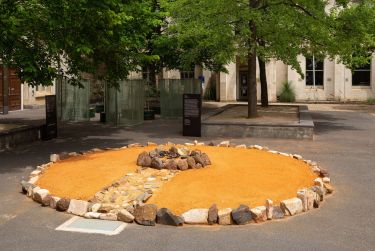
We are Country
We missed an important opportunity with the most recent legislative change to hand meaningful decision-making powers to Traditional Owners.
New standards that empower Traditional Owners in real and meaningful ways offer an opportunity for transformative change.
It’s a chance to move beyond simply hearing us, to actually listening and allowing the people who have cared for this land for over 65,000 years to enact proven solutions.
It’s time to write a new story for Australia’s environment. One where the wisdom of the world’s oldest living culture is not just an advisory note, but the very foundation upon which we build a better future for all.
Maddi is a Darug woman whose research looks at ways of knowing Country. Connor is a proud Larrakia man and 2023 Wattle Fellowship recipient.