


COP30 must match climate action with political will
Emerging climate researchers are hoping for adaptation funding, fair energy transitions and multilateral agreements that prompt real action at climate negotiations in Brazil


Published 10 November 2025
As COP30, the United Nations' intergovernmental climate negotiations, begin in Brazil, extreme climate events continue to shake communities around the world.
There’s a lot on the line.

But there’s also a real opportunity to make strides in the battle against climate change. Early-career University of Melbourne researchers run us through the progress they’d like to see from the negotiations.
A turning point for adaptation
Arthur Wyns, Research Fellow, Melbourne Climate Futures
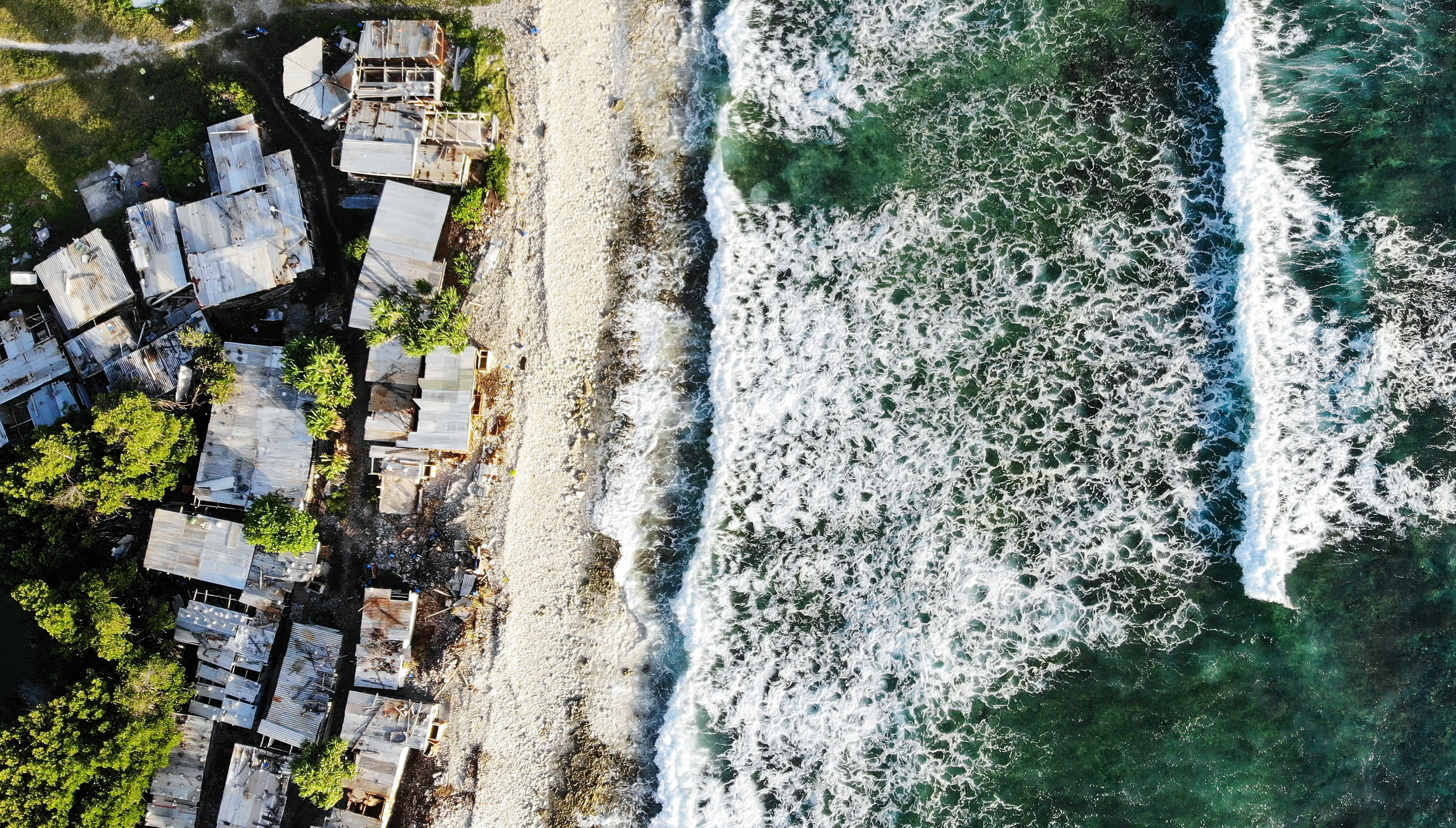
As Jamaica reels from one of the strongest-ever hurricanes in the Caribbean, and Australia records its hottest October on record, COP30 must respond to the escalating climate impacts disrupting lives and livelihoods.
According to the Intergovernmental Panel on Climate Change (IPCC), 3.6 billion people are already highly vulnerable to the rapidly worsening impacts of climate change, like droughts, floods and heat stress.
The Brazilian government has raised adaptation as a political priority for COP30, a move welcomed by Pacific Island Countries and other vulnerable nations.
Success will hinge on whether countries can agree on a new finance target for adaptation efforts and a system to track global progress on adaptation.
Adaptation finance has historically been trailing behind finance for emission reduction efforts, despite vulnerable countries needing an estimated US$310 billion per year to adapt to climate change.
Tangible new financial commitments and reforms are necessary to protect communities worldwide.
Tracking progress on adaptation is notoriously difficult.
The Paris Agreement established a Global Goal on Adaptation, which sets out shared priorities to build resilience in key sectors, including water and sanitation, food and agriculture, health, ecosystems, infrastructure, livelihoods, and cultural heritage.
At COP30, countries have to agree to a detailed set of indicators to measure this goal, which in turn will drive greater action, visibility and finance for adaptation and resilience efforts.
A just shift to green energy
Aseera Shamin, PhD Candidate, History and Philosophy of Science
COP30 convenes at a pivotal juncture, a decade following the Paris Agreement, where it is increasingly clear that global climate action must be judged not by the scale of its promises but by its capacity to support those living on the front lines of environmental and social disruption.
The meeting in Belém is a critical opportunity to embed justice into implementation as countries prepare updated Nationally Determined Contributions and negotiate the next phase of adaptation and climate finance.
My hope, shaped by my research in intersectional energy justice, is that COP30 strengthens these social foundations.
While COP28 produced consensus on transitioning away from fossil fuels to renewable energy, what remains missing is a credible pathway that ensures this shift does not deepen existing inequities.
Sciences & Technology
Climate change is turning global wildfires into monsters
Energy transitions reshape everyday life unevenly, so any roadmap must centre affected communities by recognising Indigenous leadership, supporting gender-responsive and locally led adaptation, and addressing how race, gender, and class structure vulnerability and resilience.
Progress on climate finance will be central, particularly movement toward the US$300 billion annual target agreed at COP29 as part of the New Collective Quantified Goal.
This will shape efforts to shift from fragmented interventions to long-term, community-grounded resilience.
Clear goals and real plans
Navam Niles, PhD Candidate, Earth and Atmospheric Sciences
My hope is that COP30 matches the pace of climate ambition with the pace of political reality.
The science is clear about the need for faster emissions cuts; politics, shaped by uneven development in and between high-income and emerging economies, is less so.

We are already seeing backlash around net zero, tighter rules on cars and agriculture, and now the energy demands of artificial intelligence (AI) that populist and protectionist movements are exploiting.
If the UN process continues to widen the agenda without sequencing the most challenging transitions, it will move ahead of the policies that governments actually have in place and weaken coalitions that support decarbonisation.
COP30 should use the Conference of the Parties serving as the meeting of the Parties to do one thing well: agree on how to pace sectoral shifts.
This means responding to the 2035 Nationally Determined Contributions with guidance on timing, completing the UAE–Belém Work Program to clarify adaptation indicators, and adopting the Just Transition Work Programme to enable countries to protect workers and households while decarbonising.
A COP that clarifies pace, indicators and social protection would be more useful than headline-grabbing pledges.
Multilateralism at the heart of climate action
Rebekkah Markey-Towler, PhD candidate, Melbourne Law School
COP30 will be a test for multilateralism.
2025 brought significant changes, including the rise of the Trump administration, the advancement of AI, and an increase in natural disasters.
It would be naïve to presume that upheaval in world order will not continue.
All countries, entities, and people attending COP30 must reckon with this changing landscape.
My hope is that multilateralism, where multiple countries and others work together, will not falter but lead to renewed commitment to common but differentiated responsibilities.

Specifically, all countries need to finalise their ambitious 2035 targets that are aligned with the 1.5°C goal, as required under international law.
Non-state actors need to step up by reducing their greenhouse gas emissions, contributing to climate adaptation and providing sufficient finance for both.
And there needs to be actual accountability for promises made, so these words aren’t just ‘hot air’ but amount to genuine action.