Politics & Society
Taking the pulse of the NDIS



While arguments continue over the value of the NDIS, deficit-based stereotypes for people with disability are quietly impacting our economy


Published 20 May 2026
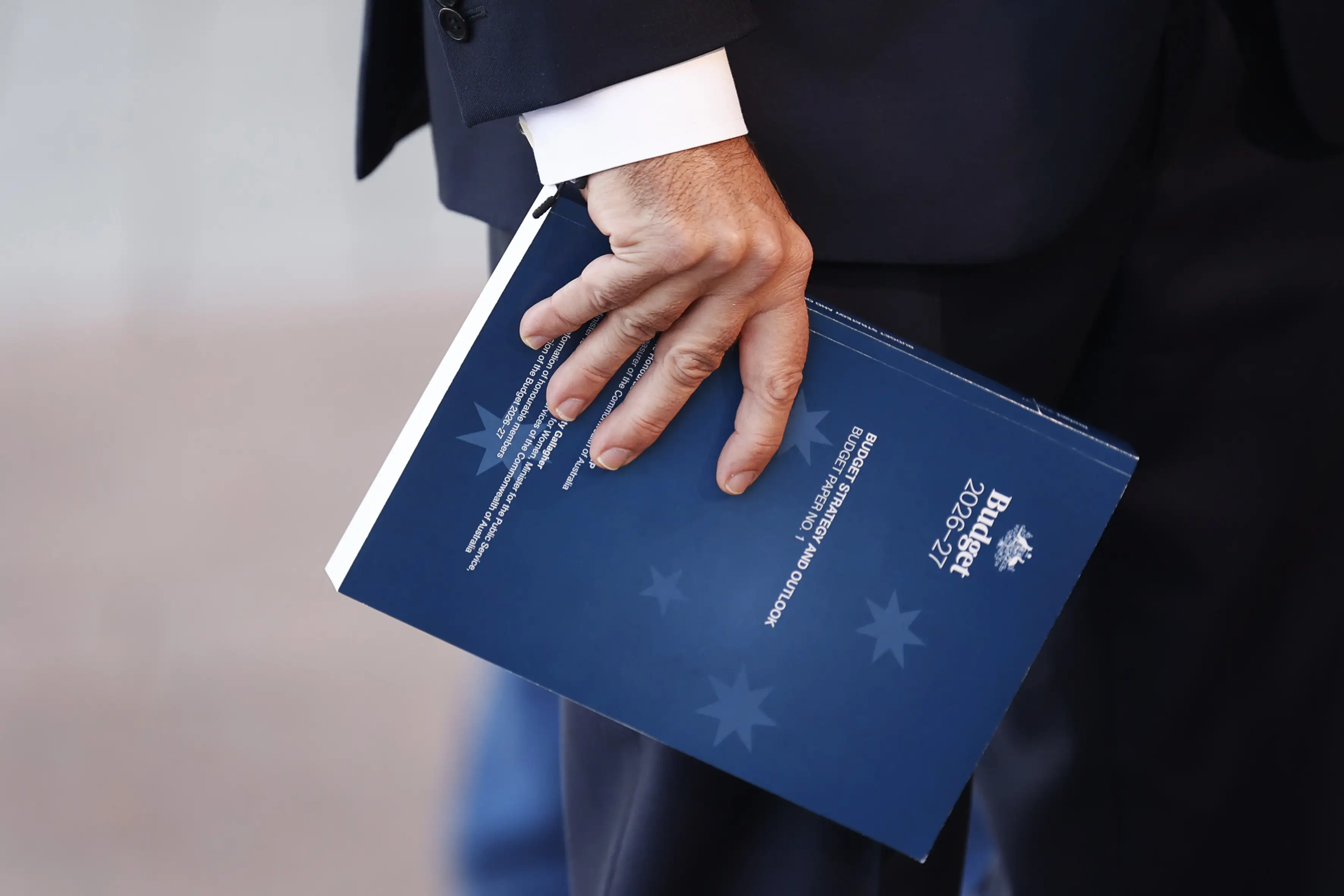
This year’s federal budget was again characterised by debate about the growth and sustainability of the National Disability Insurance Scheme (NDIS) and its rising cost to Australian taxpayers.
Discussion continues to centre on who is (or should be) eligible for the NDIS, what support participants can purchase with NDIS funding and alleged rorting of the scheme.

What has been lost amid the focus on crackdowns on NDIS scams, fraudulent providers, and fake services is a much larger problem no one seems to be talking about – and it’s costing the economy far more than we see in the budget.
Taxpayers’ willingness to fund the NDIS hinges on their perception of the scheme’s value for money – that is, whether they can see that the benefit of the scheme equals or outweighs the public money invested in it.
It’s not news that the NDIS has a reputation problem.
Constant media reports suggesting that the ‘bloated’ scheme has drifted from its purpose of supporting Australians with permanent and significant disability keep one question dominant in the minds of the community: Who is rorting the system this week?
Politics & Society
Taking the pulse of the NDIS
More than a decade of unclear messaging about the scheme and its purpose has made it difficult for the general public to ascertain the value of the NDIS, whether it is achieving its goals and who is accountable for any issues.
The debate also ignores the lack of alternative supports to help Australians with disability cover disability-related costs of living, despite most Australians with disability not participating in NDIS.
Only 13 per cent of people living with disability (739,000 people out of 5.5 million) have access to the NDIS due to extensive barriers to entry including cost of diagnosis, the administrative burden of applying for and navigating the scheme, and tight eligibility criteria.
The NDIS has been plagued by negative coverage in mainstream and social media, sowing widespread doubt about the scheme’s fairness and return on investment.
These narratives stigmatise people with disability as a financial burden, ignoring what they can contribute to society and the economy, and hindering their inclusion across the community.
This has also been the focus of our ongoing research on employment for people with disability, which explores the influence of these narratives on the workplace and workforce.
We argue that until workplaces create internal narratives powerful enough to counteract prevailing negative narratives often perpetuated by the media, these deficit-based stereotypes of people with disability will dominate workplace culture, entrenching the false ‘us’ and ‘them’ dichotomy, at great cost individually and collectively.
In 2025, the average Australian’s life expectancy is 83.1 years – up from 77.0 years in 1990.
With an ageing population comes an aging workforce and in 2023, the age at which Australians can access the aged pension increased to 67.
At 45 years, an Australian is conceivably midway through their working life. Yet this is the age at which disability prevalence peaks in the Australian population.

Health & Medicine
Removing barriers to participation for people with disability
Some of the most common disabling health conditions set in or accelerate from the age of 45 and over, including musculoskeletal conditions like neck pain, back pain and arthritis; mobility issues; chronic pain; fatigue; and mental health conditions like burnout or stress.
Growing numbers of Australians will spend up to half their working lives with acquired disability and chronic health conditions.
This year, the Australian Human Resources Institute (AHRI) reported that 7 out of 10 employers deliberately exclude people from the recruitment process based on factors including disability, mental illness and age.
This statistic is staggering, given that almost one-third of occupations in Australia face persistent skills shortages, with recruiters needing more qualified applicants and experiencing ongoing vacancies.
It is a sobering reminder of the direct consequences of negative perceptions of people with disability in the community.

Our recent report for the Centre for Inclusive Employment explored the demand for skilled labour in the context of barriers facing people aged 45 – 64 with acquired disability or chronic illness, many of whom are unable to gain or maintain meaningful employment.
Approximately 1.4 million people aged 45-64 in Australia’s population live with disability, representing 22 per cent of the total population in that age range and 8 per cent of our total working-age population.
Many of these people are willing and able to work, but complex, intersecting factors exclude them from the workforce.
In doing so, we restrict national economic growth, limit individual economic freedom and increase demand for employment services and income support.

Health & Medicine
It's time to improve employment for Australians with disability
To quantify this, more than 50 per cent of the disability employment services caseload is aged over 45 (many with acquired disability and valuable work history).
There are many more unemployed people with disability engaged in Australia's mainstream employment services, Workforce Australia, and others who are forced into early retirement.
With Australia’s ageing population, the unrealised value to industry and the economy of experienced workers with fluctuating or partial capacity to work due to ill-health is grossly underestimated.
The Disability Royal Commission reported that people with disability are often pushed into work that neither aligns with their skills, experience or goals.
Many factors will be needed to overcome this issue.
That includes rethinking individualised approaches to helping jobseekers find and keep work, and potentially trialling programs that show promise overseas, like Flex Plus, in the Australian context.

But one action that is perhaps the most pressing is for employers, both in terms of workplaces and workforces is a change of perspective.
Collectively, we need to see people living with disability as valued and valuable employees and colleagues. And people with disability need to feel respected as part of Australia’s potential labour force.
As Australia’s Disability Employment Strategy notes, negative community attitudes toward people with disability need to change.
And until they do, this ongoing debate about the NDIS will cost us far more than what the budget projects.