Politics & Society
The changing nature of oligarchy in Indonesia


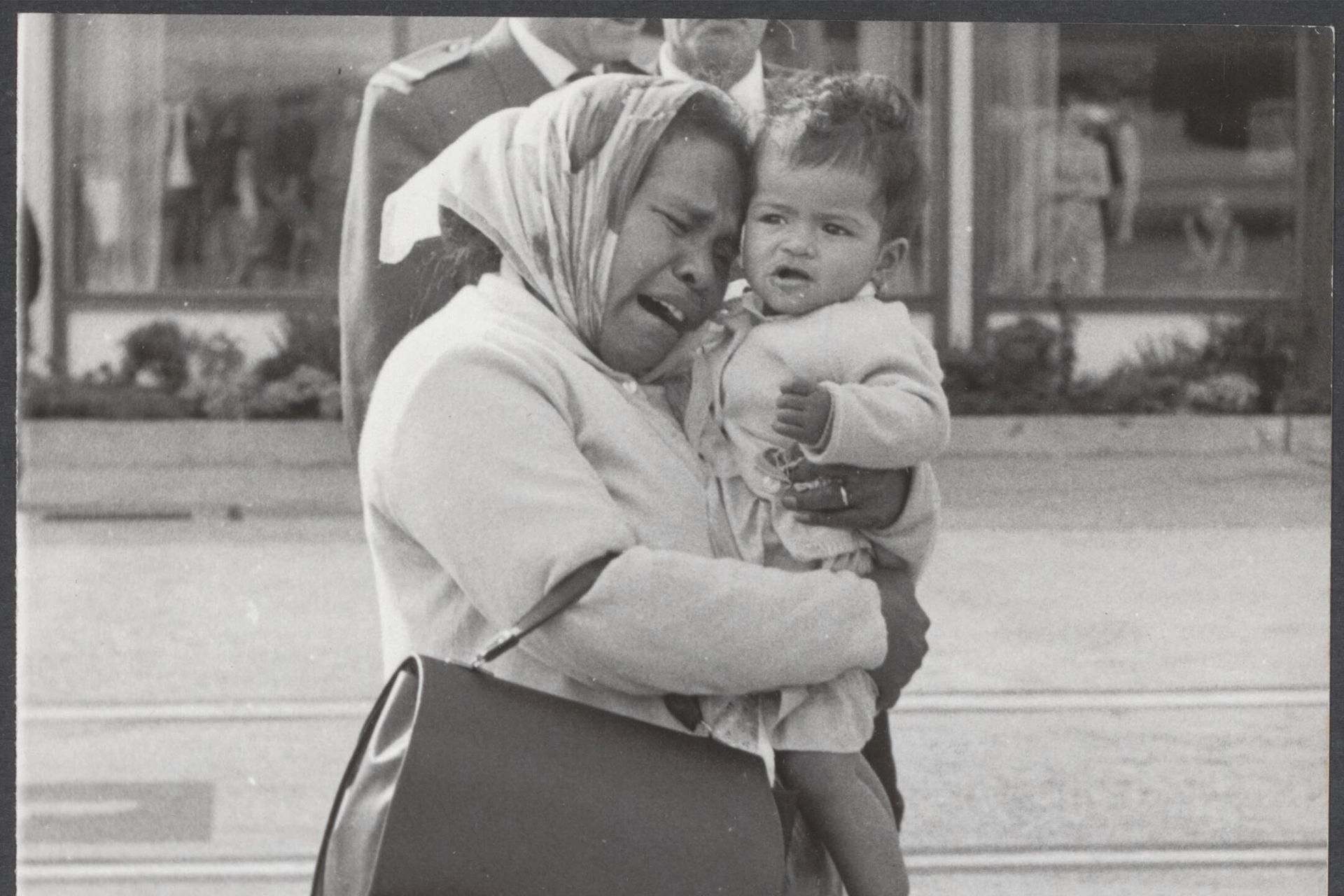
The violence and trauma stemming from European colonialism is a global phenomenon that has reverberated across generations and across the world, as one woman’s story illustrates


Published 29 October 2025
Iris van Santen is a project manager at the Rijksmuseum, the national museum of the Netherlands in Amsterdam.
The museum is dedicated to Dutch art and history. It’s best known for its collection of art from the Dutch colonial period.
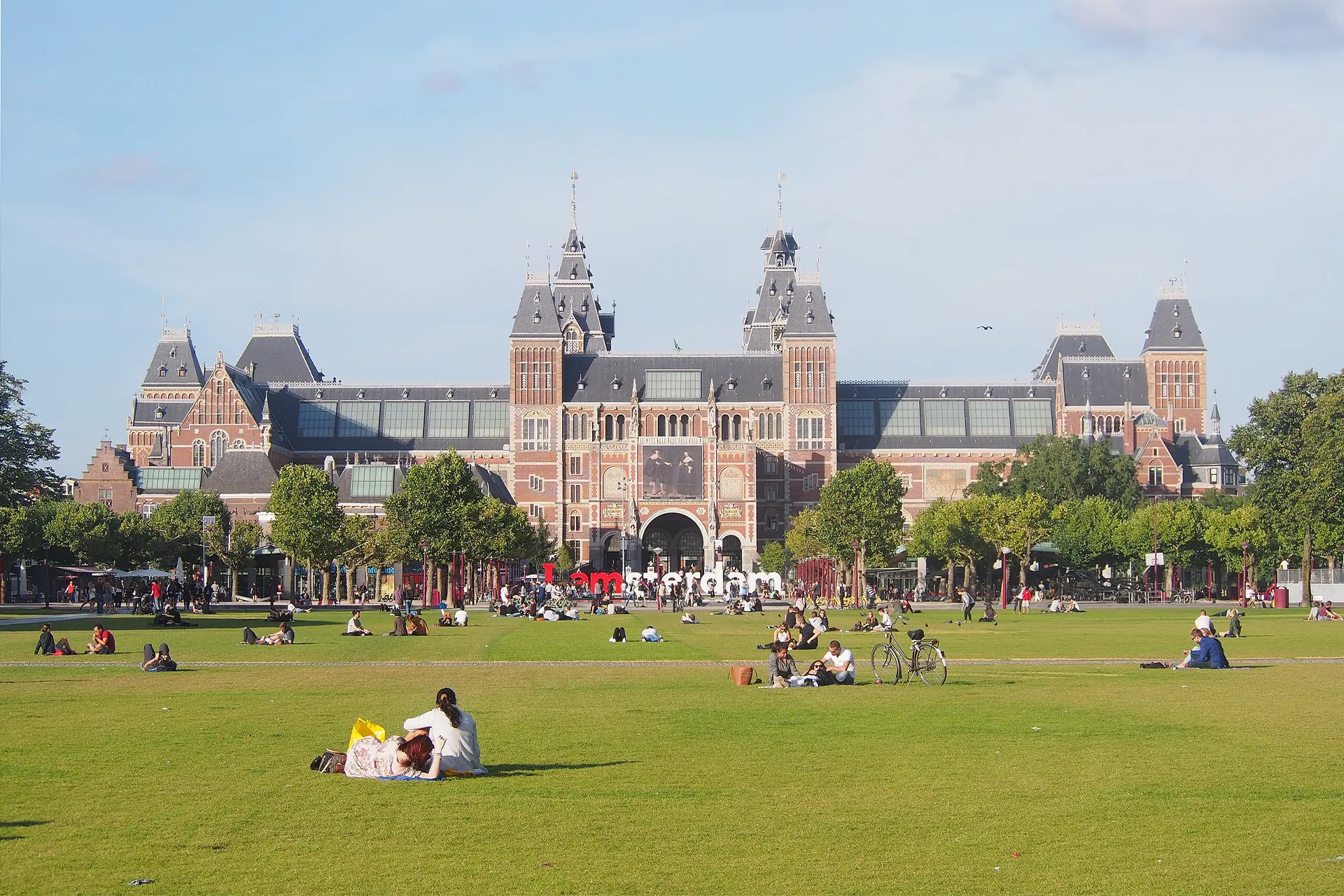
In recent years, the museum has made efforts to decolonise and confront the complexities of the Netherlands’ imperial past.
One major initiative was the 2022 exhibition Revolusi! Indonesia Independent, produced in collaboration with Indonesian curators.
The goal was to represent the nuances of Indonesia’s 1945-1949 struggle for independence from almost 350 years of Dutch colonial rule. By centring Indonesian perspectives, the Rijksmuseum hoped to take steps in decolonising its narratives and fostering greater understanding of this complex past.
When Iris was appointed project manager for this exhibition, she was excited by the opportunity to learn about her family’s connection to colonialism.
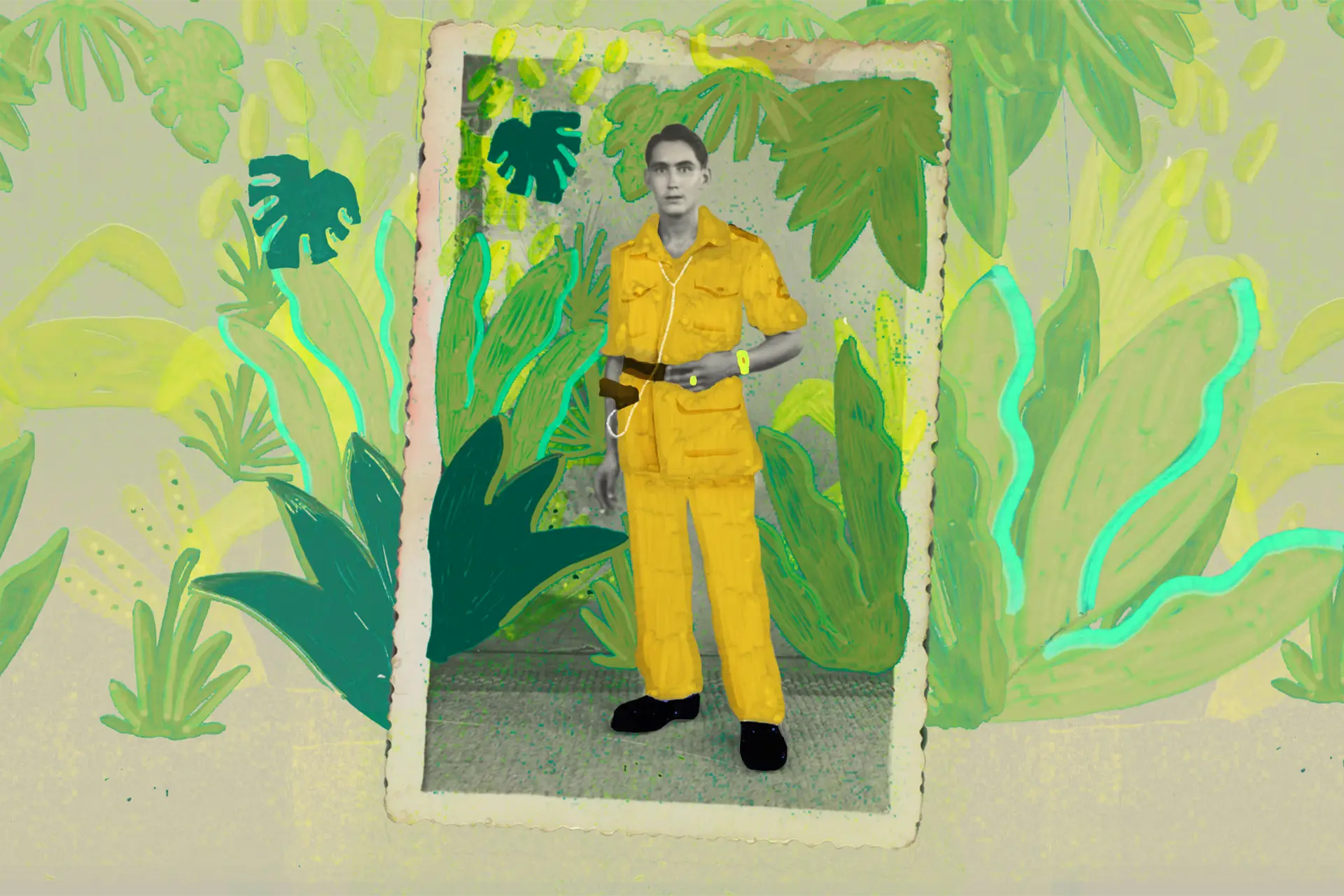
Iris’s grandparents lived in the Dutch East Indies, present day Indonesia. Her grandfather was of Indonesian-Dutch descent and her grandmother was of Indonesian (Moluccan) descent.
Politics & Society
The changing nature of oligarchy in Indonesia
They had sided with the Dutch during the independence struggle and moved with their family to the Netherlands in 1958, thirteen years after Indonesia proclaimed independence from the Dutch.
Iris did not learn about Dutch colonial history at school, and when she asked her family members about it they responded in terms of ‘tempo doeloe’ – longing for the ‘good old days’ of the colonial empire when the Dutch East Indies were under Dutch rule.
In an interview conducted as part of our ARC-funded research project Submerged Histories: Memory Activism in Indonesia and the Netherlands, Iris shared, “I had never thought about colonialism as something that concerns me personally.
“I honestly didn’t know anything about the Indonesian independence struggle or the end of the war in which my family was involved.”
As preparations for the Revolusi! Indonesia Independent exhibition at the Rijksmuseum progressed, discussions between the Indonesian and Dutch curators about the content grew increasingly intense.
Iris found these conversations more and more uncomfortable, though she couldn’t pinpoint why.
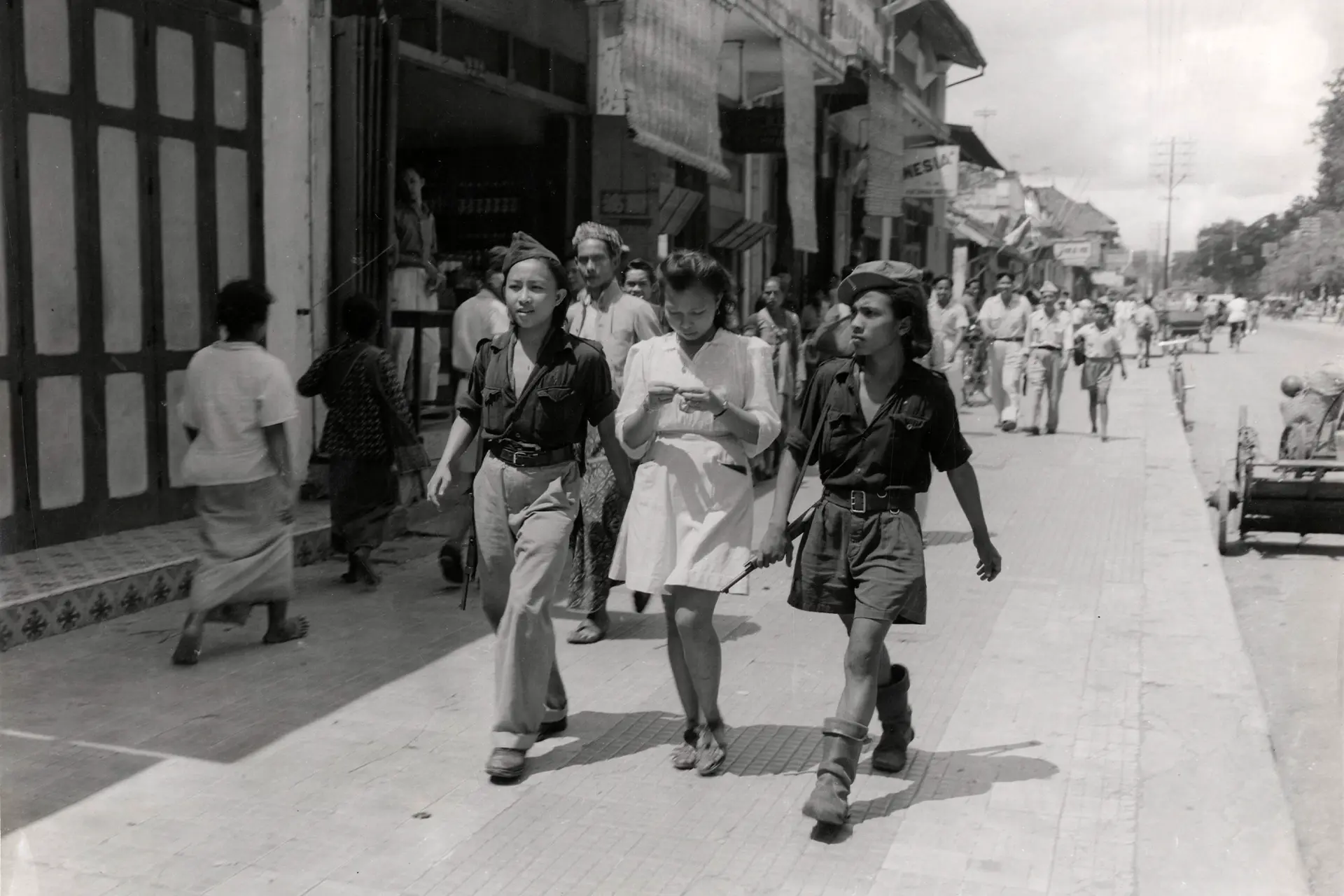
It was during this period that Iris remembered a box of letters passed down from her grandfather to her father.
Curious about their contents, she decided to read them.
One letter, dated March 1946, provided a harrowing account of the aftermath of a massacre carried out by Dutch soldiers near the city of Medan in East Sumatra.
Deeply shocked by these first-hand details of colonial violence, and believing the letters should be shared with the public, Iris offered them to the exhibition’s curators.
The sudden revelation of her grandfather’s participation as a soldier in Dutch colonial violence in Indonesia did not bring the relief often associated with uncovering long-repressed family secrets.
Instead, Iris began experiencing intense back pain she couldn’t explain. This led her to seek help from a somatic therapist.
Arts & Culture
How women are changing Indonesia
Iris told us that during the therapy session, “I felt scared. I couldn’t move, not even my face, and I couldn’t talk.
“The therapist asked if anything came to mind, and all I could think about was my grandmother and father.”
The therapist concluded that the fear, rapid heartbeat, difficulty breathing and full-body tension Iris was experiencing stemmed from intergenerational trauma she had inherited from her family’s colonial past.
This revelation set Iris on a journey to heal from the inherited trauma, which she documented in a three-part podcast series accompanying the Revolusi! Indonesia Independent exhibition.
What began as a professional project to confront the Netherlands’ colonial legacy became a deeply personal reckoning for Iris.
Her own family’s entanglement in the violence of Dutch colonialism in Indonesia had manifested in physical and emotional ways she never expected.
The violence and trauma stemming from European colonialism is a global phenomenon that has reverberated across generations and across the world.
From the Americas to Africa, Asia and the Pacific islands, the brutal subjugation of indigenous populations has left deep intergenerational wounds.
There is frequently resistance to confronting the harsh realities of how empires were built through dehumanisation, displacement and massacres.
Dominant narratives tend to glorify colonial ‘discovery’ and ‘conquest’ while glossing over the staggering human toll.
However, the impacts of colonial violence cannot be overstated.
The psychological and emotional trauma was passed down over generations. Many people have inherited unresolved ancestral pain in the form of physical problems, depression, anxiety and other ailments linked to intergenerational trauma.
Sciences & Technology
Island encounters
As Iris van Santen’s case illustrates, this can surface unexpectedly when one’s family’s colonial ties are unveiled.
Reckoning with this past is essential for intergenerational healing.
It requires deconstructing nationalist mythologies, amplifying long-suppressed voices, teaching historical complexities and creating spaces for truth-telling and restorative justice.
Only through this difficult process can the insidious cycles of intergenerational colonial trauma be confronted.
The Revolusi! Indonesia Independent exhibition and Iris’s podcast are powerful examples of confronting colonial legacies.
Initiatives like these model the path toward greater understanding and reconciliation between the colonised and coloniser on both a personal and societal level.