Politics & Society
Disinformation damages democracy, but perhaps not in the way you think



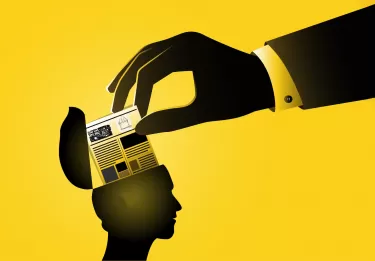
Eliminating bot farms won’t stop misinformation and disinformation while platforms like TikTok and Instagram use algorithms that help false information spread. What if we could choose our own?

Published 19 October 2026
Following Ukraine's recent drone strikes on Russian data centres, Ukrainian President, Volodymyr Zelenskyy, suggested there was "less hate, less division and fewer provocations" online because of fewer Kremlin-linked bot networks spreading misinformation and disinformation.
While it’s an interesting idea, researchers investigating the claims found no convincing evidence of a substantial decline in Russian propaganda accounts.

Much of the reported fall in ‘bot traffic’ involved web crawlers, which are automated programs that index websites, rather than social media troll accounts spreading disinformation.
But this hints at something important.
Even if we could eliminate every Russian disinformation operation tomorrow, misinformation would still be a serious problem.
And that's because we have focused too much on who produces false information and too little on the systems that help it spread.
First, we need to understand the distinction between misinformation and disinformation.
Politics & Society
Disinformation damages democracy, but perhaps not in the way you think
Misinformation is false information shared without an intention to deceive. Disinformation is false information deliberately spread to mislead.
But both can cause enormous harm.
Since 2024, the World Economic Forum has ranked misinformation and disinformation among the top two short-term threats to global stability every year.
The consequences are not abstract.
False claims that the 2020 US presidential election was stolen helped fuel the attack on the US Capitol on 6 January 2021.
And misinformation about health can be deadly.

One peer-reviewed study estimated that around 232,000 deaths due to COVID-19 in the United States between May 2021 and September 2022 could have been prevented through vaccination.
While not all these deaths can be attributed to misinformation, misinformation is a significant contributor to vaccine hesitancy.
But why are misinformation and disinformation so hard to contain? Part of the answer lies in how we get our news.
More than a quarter of Australians get most of their news from social media, which is problematic as it lacks the editorial safeguards of traditional media.
But there is a second, more fundamental problem.

Health & Medicine
Why are we so vulnerable to bad information?
When you open TikTok, Instagram or Facebook, much of what you see doesn’t come from people you follow. Instead, recommender algorithms choose what’s on your screen by predicting what will hold your attention.
And because attention generates advertising revenue, platforms have every reason to keep you watching, clicking and scrolling.
Unfortunately, what holds our attention is not necessarily what is good for us.
Outrage, fear and conflict can be engaging. So algorithms built to maximise engagement can amplify divisive or harmful material, even when nobody goes looking for it.
Researchers at Dublin City University tested this by setting up TikTok and YouTube Shorts accounts that looked like they belonged to teenage boys.
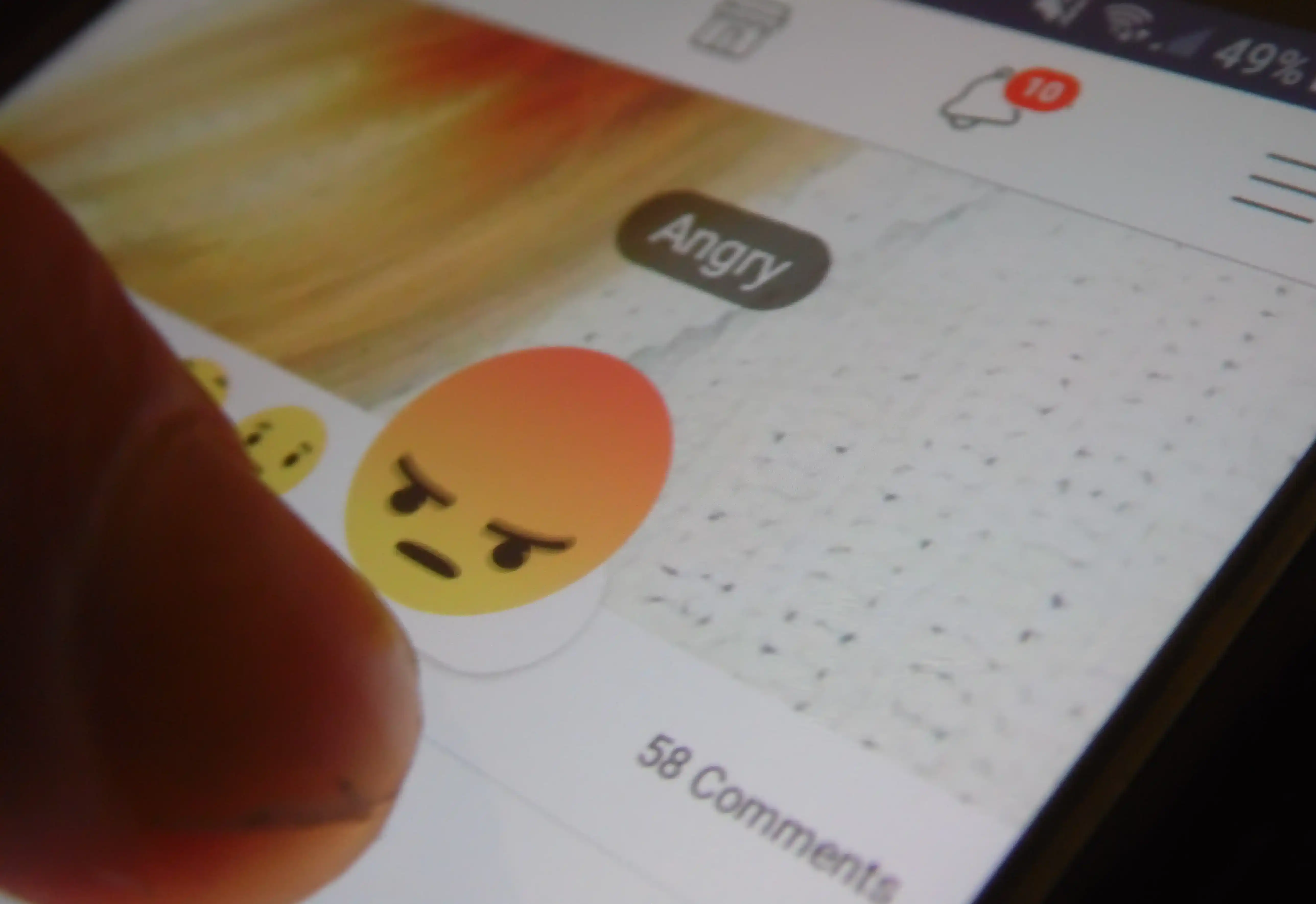
Within 23 minutes, the platforms served every account harmful content, even those that began by searching for everyday interests rather than misogynistic material.
Seeing this content doesn’t automatically change someone’s beliefs, but a steady stream of recommendations can help normalise harmful attitudes.
Now the obvious response might be to switch off personalised recommendations altogether.
Australian advocacy group Teach Us Consent has campaigned for exactly that option through its Fix Our Feeds campaign. The Australian Government has proposed draft legislation, My Feed, My Way, that would let people see posts only from accounts they follow.
And under its Digital Services Act, the European Union already requires very large platforms to offer a feed that doesn’t rely on profiling users.
These are welcome steps, but they overlook a much bigger opportunity.
Arts & Culture
Why fake news is anything but new
There is far more information online than any of us could possibly read. We need some way to find useful material.
Personalisation is not inherently bad; good recommender algorithms can introduce us to valuable ideas and perspectives we would otherwise miss.
So, why should our only choices be to accept a company's algorithm or abandon recommender algorithms altogether?
Imagine opening Instagram and choosing which algorithm shapes your feed. Perhaps you would select one developed by a university to prioritise reliable information. Or you might choose one that introduces contrasting political viewpoints.
You might prefer recommendations designed to reduce misogynistic or racist content, or simply content that does not leave you angry and anxious.
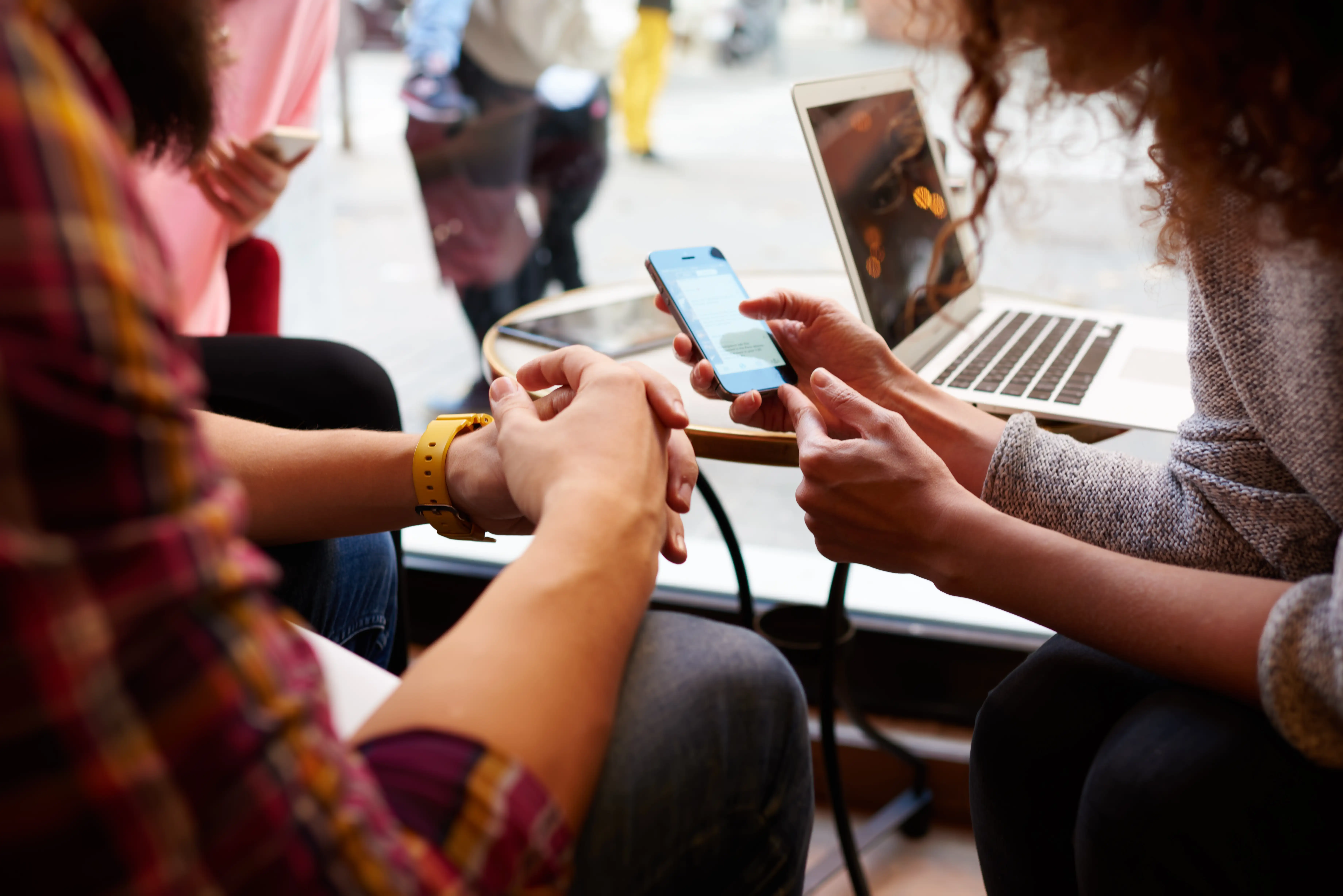
You would not need to understand the underlying code, any more than you need to understand how your internet browser works. You would choose the provider whose priorities match your own, and switch whenever you wished.
This isn’t science fiction.
Bluesky, a social media platform, already allows people to select feeds created by independent developers. Extending that principle to larger platforms would be technically and politically challenging.
Outside developers would need appropriate access to content, with safeguards for privacy, security and accountability. But these challenges are reasons to design the system carefully, not to abandon the idea.
Crucially, choice would create competition between recommender algorithms.
Politics & Society
Your social media feed is changing democracy
Instead of competing for our attention, developers could compete to deliver what we actually value, whether that’s trustworthy news, constructive conversation, useful learning or simply enjoyment.
Universities, charities and independent developers could test approaches that commercial platforms have little incentive to explore.
Of course, some people might still choose feeds that reinforce their prejudices.
Algorithmic choice wouldn’t eliminate misinformation, and we’d still need to challenge organised disinformation campaigns. But it could make us less dependent on a handful of companies to decide what deserves our attention.
We have spent years asking social media companies to make their algorithms safer, but perhaps we've been asking the wrong question.
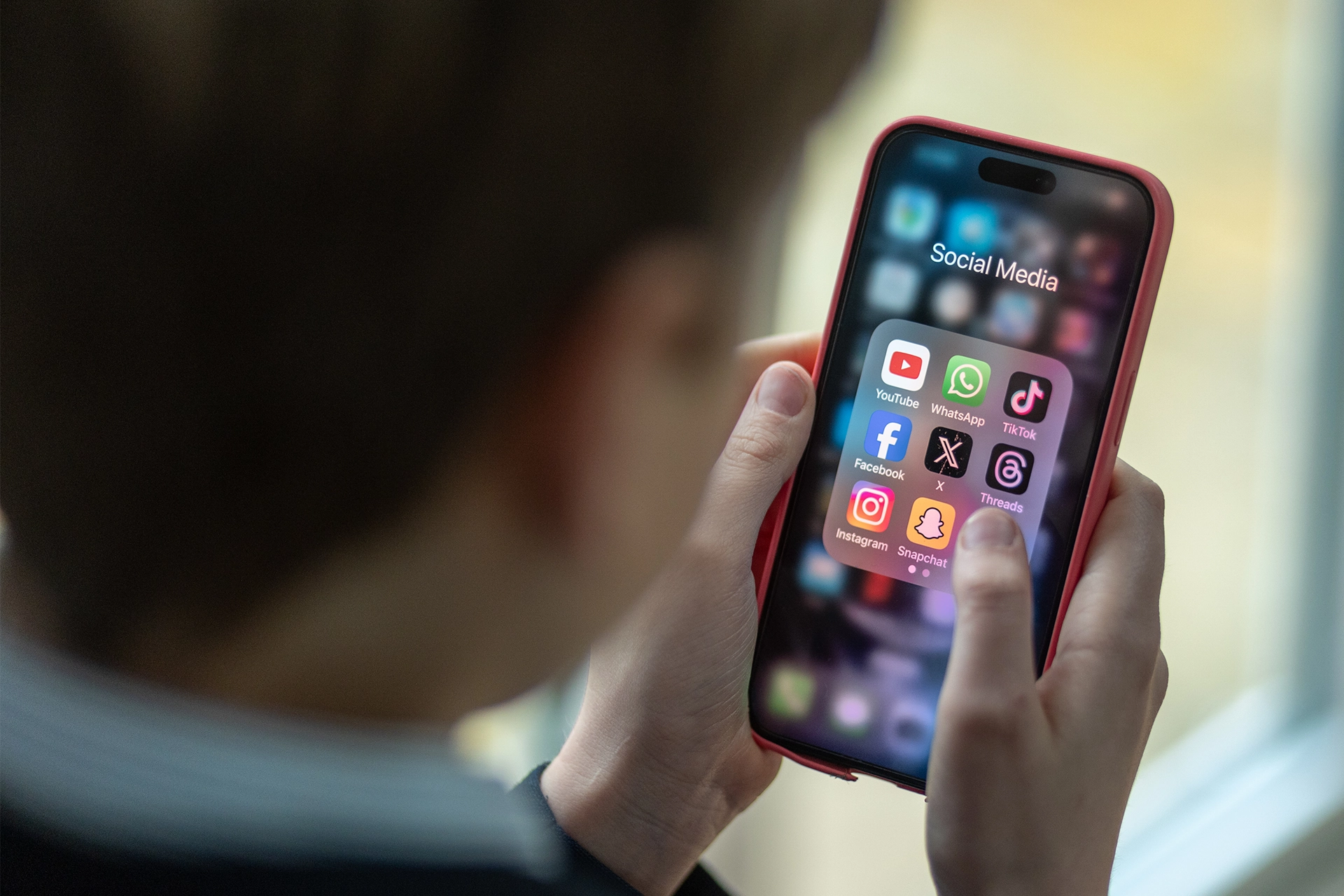
We choose our newspapers, television channels and websites. Why should we not choose the algorithms that increasingly determine what we see, think about and discuss?
Recommender algorithms are here to stay. The missing step is our right to choose them.