

Instead of demonising BMX riders, councils could try working with them
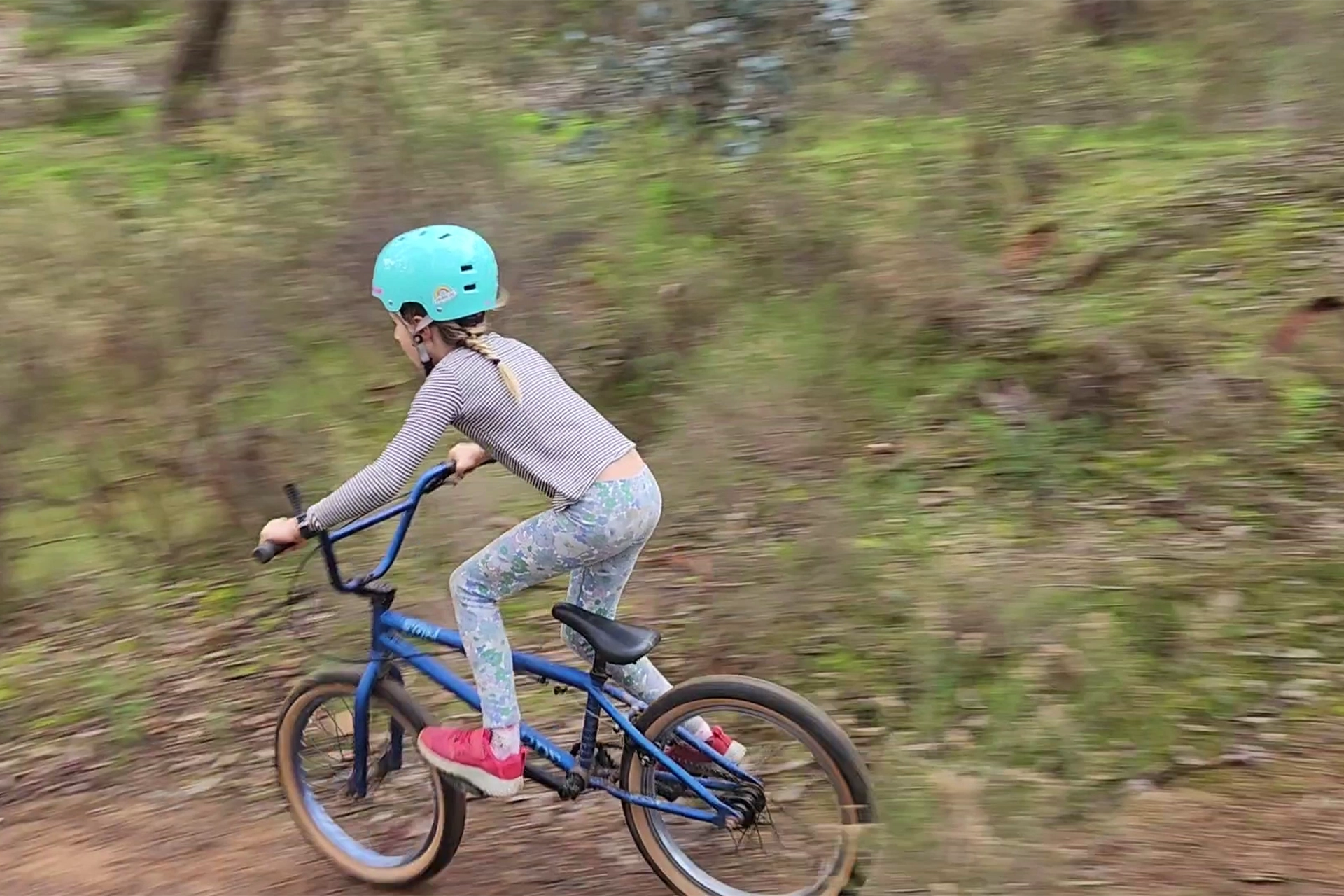
Demolishing do-it-yourself BMX trails destroys an active, creative, supportive community of young people

Published 3 November 2025
Instead of demonising BMX riders, councils could try working with them
Australia’s suburbs are full of hidden trails, dirt mounds and makeshift bike tracks. Some tucked away in bushland, others carved into the edges of parks.
To many young people, these BMX trails and dirt jumps are places of freedom, creativity, connection and belonging. To many councils, however, they are unauthorised, unsafe and a liability.
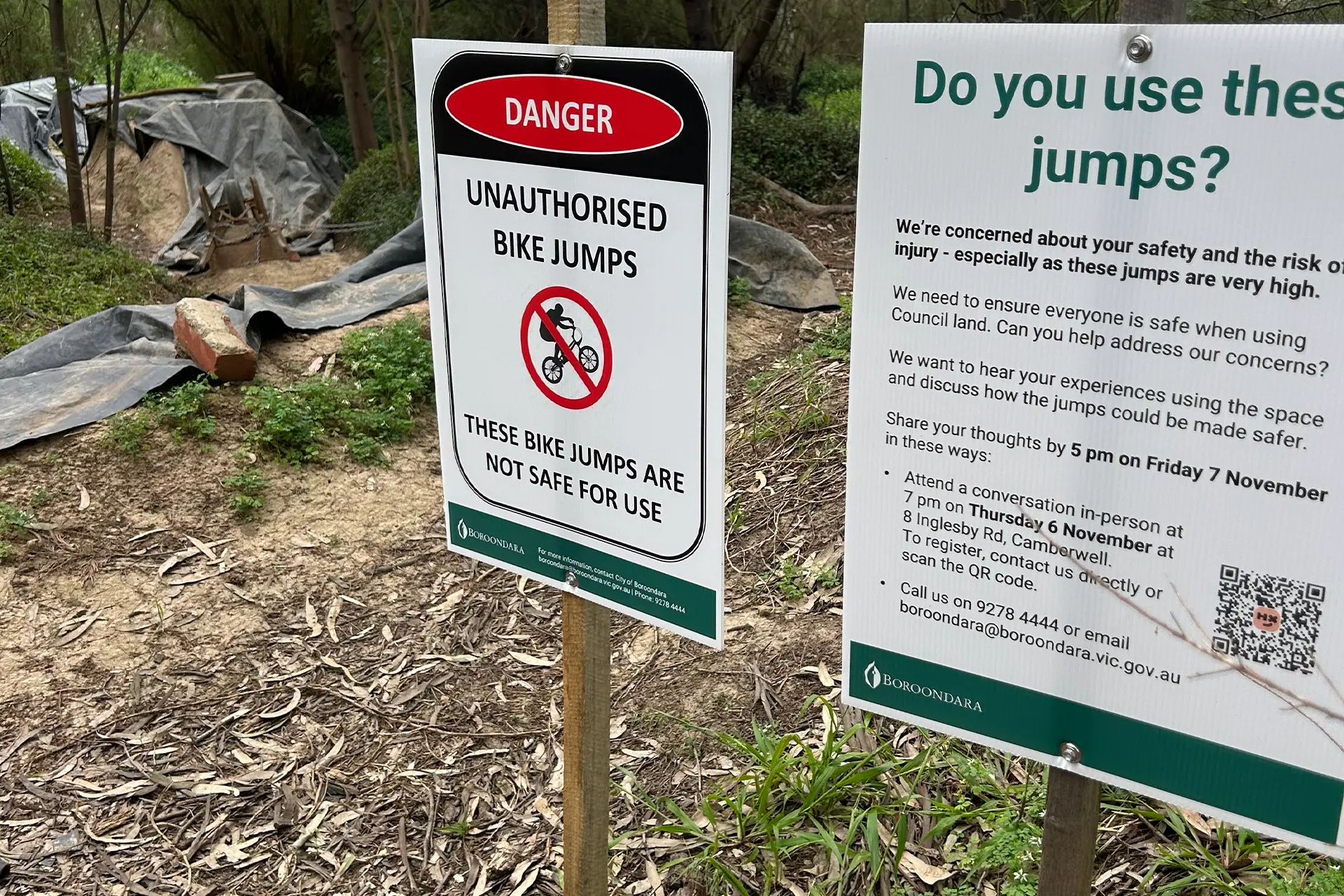
This clash of perspectives has led to the steady demolition of rider-built jumps across the country.
But our new research suggests that viewing BMX spaces only as ‘unauthorised’ overlooks their social, educational and health benefits, and risks alienating the very communities councils aim to support.
What is BMX?
BMX (or bicycle motocross) began in California in the 1970s, when kids mimicked motocross racing on bicycles. It has since grown into a global sport, with Olympic disciplines like racing and freestyle, and grassroots traditions like trails and dirt jumping.
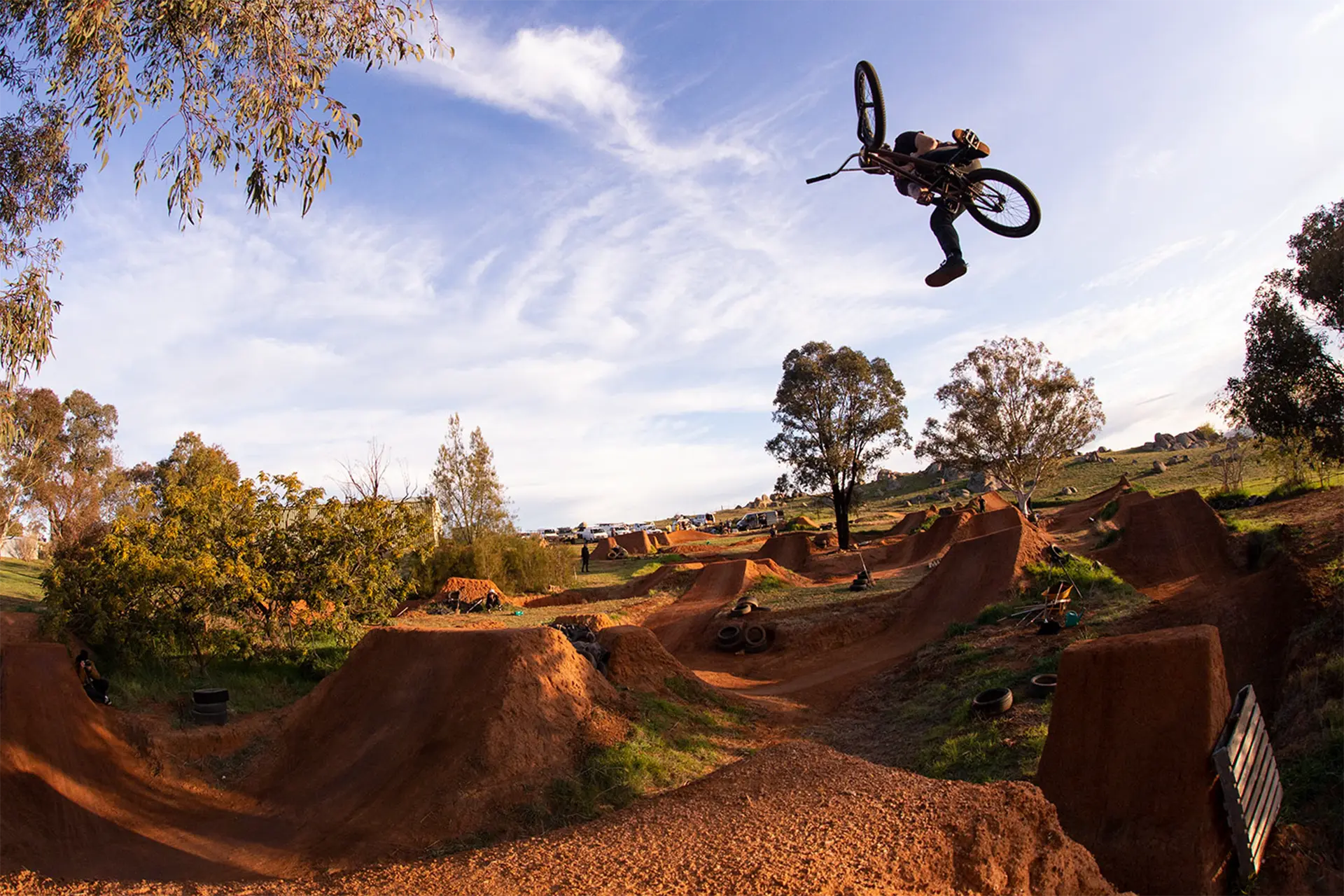
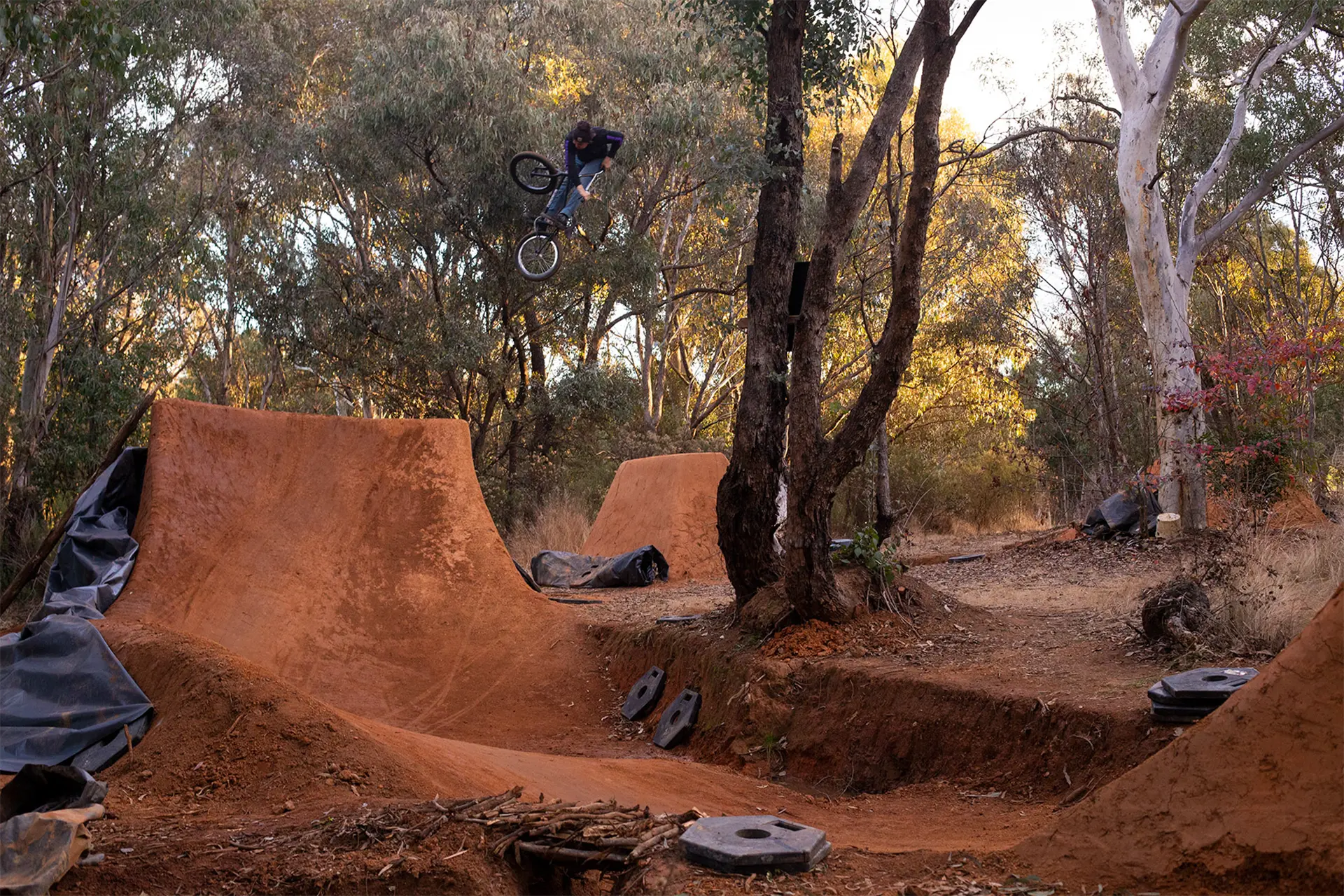
Dirt jumping involves launching bikes off sculpted jumps to perform tricks.
For many, the local jumps built in suburban bushland are the entry point to BMX culture. Riders come together to dig, shape and ride, creating a social hub as well as a training ground to rehearse the learning of many skills.
The impact of jump closures
Across Australia, local governments have moved to shut down informal BMX sites.
In Queensland, the Goondiwindi Regional Council demolished jumps built on council land, citing safety concerns.
In Brisbane’s Johnston Park, parents banded together in protest after children’s homemade jumps were bulldozed by council contractors.
In Adelaide, riders along the Torrens Linear Park were told their creations were “illegal”.
And in Melbourne suburb Brighton, debates over jumps in Hurlingham Park divided the local community.
One of the participants in our study described the impact of flattening DIY jumps as “terrible”:
That feels like someone is dying. Some close mates dying pretty much. Even more, like you feel like some part of you is … if you actually put some hard work there, you definitely died a little bit with the place.Study participant
The demolition of jumps can also erode trust in governments and institutions.
When authorities act without consultation, riders are left feeling their contributions are neither valued nor understood. Over time, this fosters mistrust of local government and discourages young people from engaging in community planning processes.
Why BMX spaces matter
Our research shows that BMX trails offer far more than adrenaline. They play a vital role in these areas:
Social impact
Do-it-yourself (DIY) BMX trails foster belonging:: peers collaborate, share skills and form strong friendships. Unlike many structured sports, BMX jumps are free to access and open to riders of different ages and abilities. Membership is given to those who dig and help out.
These sites are also intergenerational, where many builders continue digging and riding well into adulthood, passing knowledge and responsibility to younger riders.
Educational value
Building and riding jumps is a form of hands-on learning.
Riders design, test and refine their creations, gradually increasing the complexity as their skills develop. This self-scaffolding process teaches resilience, problem-solving, creativity and risk assessment.

Conflicts that arise over how to shape a jump, when to ride or how to maintain a trail, also build conflict resolution skills. The act of creation is as educational as the riding itself.
Health and wellbeing
BMX riding promotes physical fitness, balance, coordination and focus. Just as importantly, trails offer an outlet for mental health and wellbeing.
Riders describe jumps as an “escape”, where they can find calm in nature, recharge and regain a sense of purpose.
As one rider reflected:
A little pocket of bush along the creek in the suburbs, and if people can just escape … you don’t even have to be riding your bike. You can just enjoy nature. It’s just an escape.Study participant
Recognising BMX as a community asset
While councils often justify demolitions on legal or environmental grounds, solutions exist that balance safety with community needs.
Different types of public land, such as council reserves or Crown land, carry varied legal responsibilities.
Councils point to liability for injuries, environmental protection and cultural heritage as reasons for removal. Jumps classified as ‘unauthorised structures’ can also bring riders into contact with rangers or police, reinforcing mistrust.
Supporting DIY BMX should not be interpreted as support for the unauthorised alteration or disturbance of culturally significant or environmentally sensitive land.
But demolition is not the only option. Many risks can be mitigated through collaboration with the community.
Building with, not against, riders
Instead of treating BMX trails as a nuisance, recognising their benefits opens up new possibilities. With collaboration, informal trails can become community assets.
In an era when young people are often criticised for being glued to screens, these jumps represent something different: youth-led, outdoor, physically challenging and socially enriching.
Reframing BMX trails as opportunities rather than liabilities could help communities strengthen bonds across generations, foster healthier lifestyles and build greater trust between councils and residents.
At their best, BMX jumps are not just mounds of dirt. They are places where people of all ages create purpose and connection, and where communities can come together to have fun.