
Health & Medicine
From burnout to endurance: Coaching immune cells to go the distance


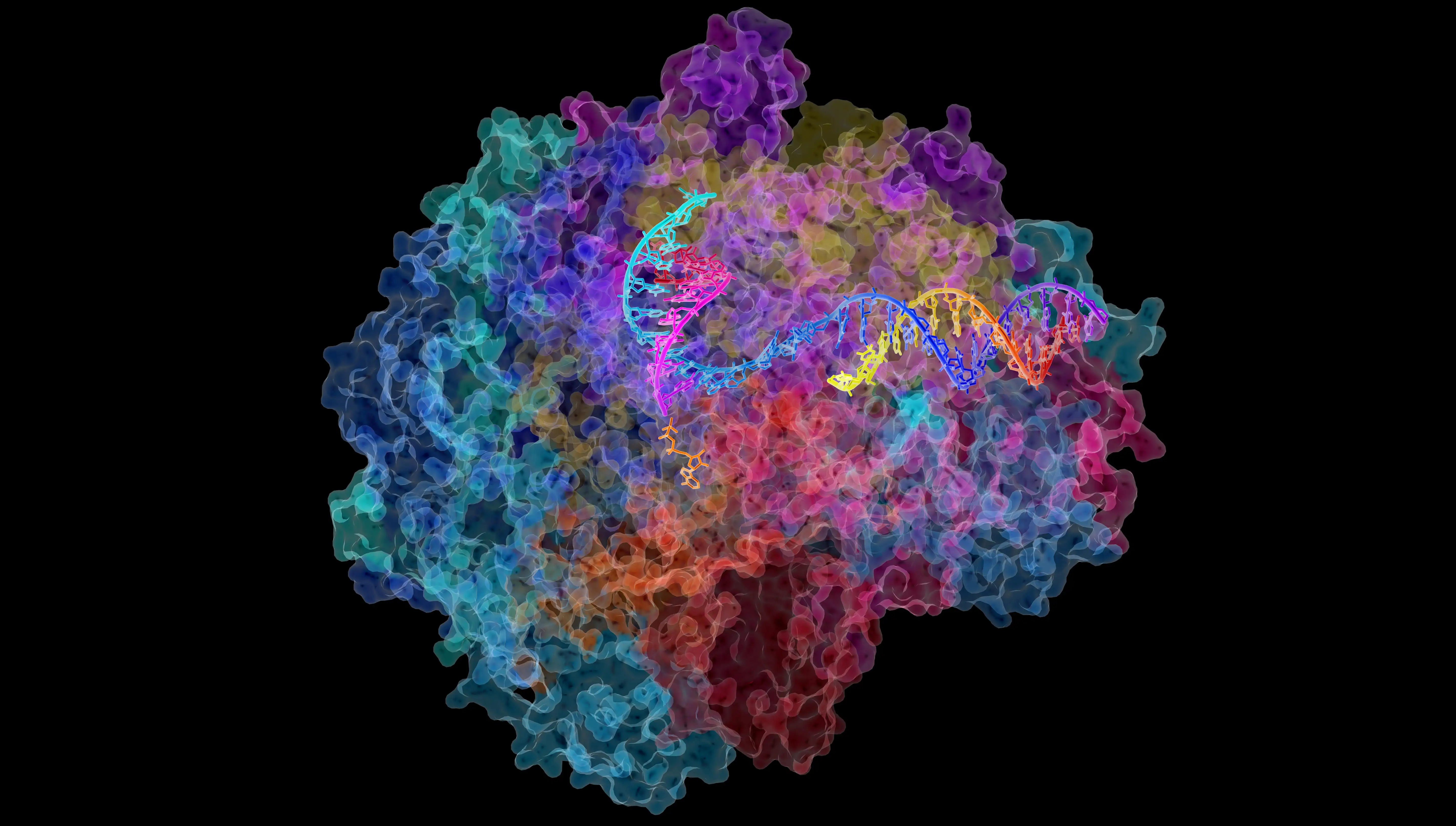
Hailed as the ‘Lego of medicine’, mRNA is emerging as the versatile backbone of new medical technologies

Published 12 December 2025
Aside from maybe high school biology classes, the first time many people heard of mRNA was during the pandemic because of the vital role MRNA technology played in COVID-19 vaccines.
Recent studies have also shown that mRNA technology may hold the key to ‘off-the-shelf’ cancer vaccines and has shown early promise as a more effective alternative to conventional flu vaccines.

As the building blocks for so many applications, mRNA technology is earning the moniker of ‘the LEGO of medicine’.
So, what exactly is mRNA technology? The ‘m’ in mRNA stands for messenger, and its full name is messenger ribonucleic acid.
If we think of DNA (or deoxyribonucleic acid, often called our genetic blueprint) as the cookbook of our body’s instructions, then mRNA is a messenger that carries a copy of the recipe.
mRNA’s role is to travel to the kitchen (the cell’s ribosome), where the DNA copy is used to make essential proteins for our growth and metabolism.
mRNA doesn’t linger any longer than necessary; after the recipe has been read and the instructions follow, the messenger is naturally broken down.
Health & Medicine
From burnout to endurance: Coaching immune cells to go the distance
In therapeutic use, mRNA also acts like a recipe. It carries targeted instructions to our cells to make proteins that may help fight disease, reduce inflammation or produce substances that support healing.
mRNA's properties make it the perfect candidate to prepare us for the next pandemic. We don’t know what or when it will be, but as history and predictions show us, there will be one.
In the context of infectious diseases, mRNA can be used preventively to avoid infection or to alleviate symptoms and speed up recovery.
This versatility makes mRNA one example of what’s known in science as a ‘platform technology’.
Within the field of infectious diseases, these are tools designed not to fight a single virus, but to act as flexible, reusable building blocks – ready to be adapted for a wide range of pathogens.
Think of them like LEGO blocks: modular, interchangeable and designed for speed.

In 2024, the World Health Organization updated its pandemic preparedness framework, urging scientists to focus less on individual pathogens and more on those things we can meaningfully progress now.
These include a better understanding of general infection mechanisms, our body’s immune response to infections and the technological building blocks of future therapeutics.
Investing in platform technologies now will help form the backbone of our future response – just as decades of investment made the rapid COVID-19 vaccine rollout possible.
But investment in science is only one part of the puzzle.
We also need to build public trust in science long before the next crisis hits. For many, the first time they heard the word ‘mRNA’ was while sitting in a chair, about to be vaccinated.
This is both undesirable and unnecessary.

Health & Medicine
Tracking avian influenza to safeguard Australia
When the next pandemic emerges, it’s likely that the life-saving vaccines or treatments will again use a combination of these ‘LEGO blocks’ – pieces of technology already developed and tested.
If those individual components have been validated ahead of time, the resulting therapeutic can move through safety and regulatory approvals much faster because we already know and trust its parts.
But that only works if the public trusts them too.
Building that trust means being transparent, communicating clearly and early, and inviting the public into the scientific process.
It’s not just about showing outcomes, but explaining the testing, iteration and rigour behind them.
As the U.S. Department of Health and Human Services continues to cut funding for mRNA research and development, it’s more important than ever that the global scientific community advocates for the value of these tools.
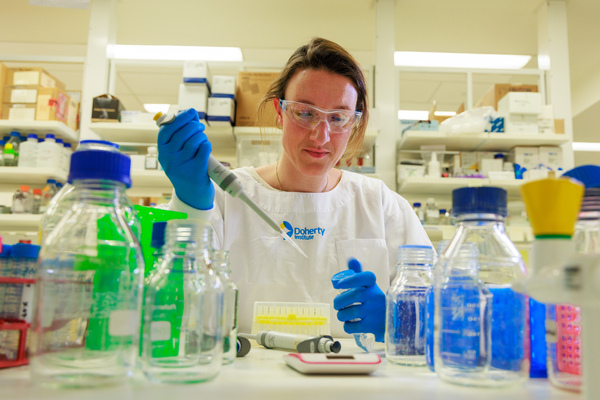
Our research teams at the Cumming Global Centre for Pandemic Therapeutics at the Peter Doherty Institute for Infection and Immunity are already working to prepare us for the next public health emergency.
The Centre’s mission is to develop new platform technologies – or ‘LEGO blocks’ – so we can rapidly respond when the next threat arises.
It’s built on the belief that treatments can be developed in much shorter timeframes than currently possible – but only through investment in new science, new ideas and public trust.
Health & Medicine
Cannibal immune cells could offer new treatment path
We may not know the name of the next pandemic pathogen, but we know it’s coming.
If we want to save lives, keep our health systems functioning and protect our communities – we must build the blocks now and bring the public with us every step of the way.
Listen to more on the role of platform technologies – including mRNA – with Dr Paula Cevaal on Off Script, a podcast by the Cumming Global Centre for Pandemic Therapeutics.