Arts & Culture
How Melbourne grows as a cultural capital



Melbourne is on course to become Australia's biggest city. But size isn’t everything. What would make it Australia’s most healthy, sustainable and equitable city? Here are three ideas

Published 4 September 2026
At some point in the 2030s, population estimates predict Melbourne will become Australia’s largest city, home to more than six million people.
While these numbers are often guesswork – there are numerous possible scenarios – the question isn't the size of our growth but the direction of that growth.
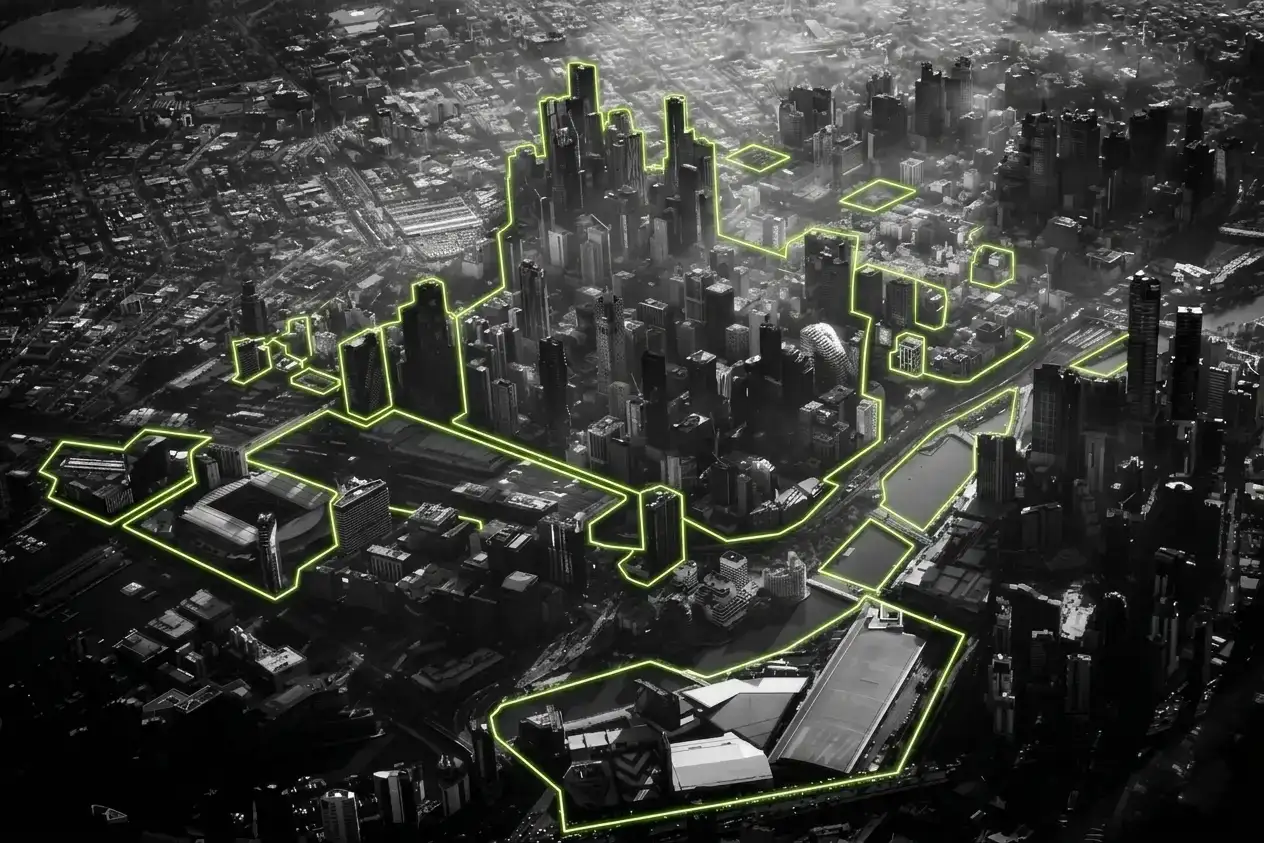
Is it equitable, sustainable, resilient, healthy, enriching and meaningful? What should we be doing now to prepare for the responsibilities that come with Melbourne’s expansion?
There are three ideas that can help push our city towards a positive future.
First, the building industry is one of the most extractive sectors on the planet, so we have to rethink the way we design and construct buildings, particularly in terms of what they’re made of, where the materials come from and whether we need to build at all.
But over the last century we've switched from growing and farming building materials to mining them.
Rather than local materials, like timber and stone, hemp, straw or earth – we use concrete and steel, both of which drive the climate and biodiversity crisis already playing out across Australia and beyond.
We have produced more than enough building space already to house Australia, retrofitting and repurposing what we've already built might avoid further emissions and extraction.
Arts & Culture
How Melbourne grows as a cultural capital
Secondly, we will need to rethink how we make shared decisions about Melbourne's future. We can’t solve 21st century problems with 19th century institutions, so we must transform how city governance happens.
So, how could we reimagine and rebuild municipal governance? Could a different kind of municipality host our best minds to help us tackle what's coming down the track?
Thirdly, in the spirit of using what we already have, we could create new public spaces by reimagining our existing under-used infrastructure corridors across Melbourne, unlocking significant social, health, climate and biodiversity value at the scale of the city.
As Melbourne has grown, we have continually expanded its edges, leaving us one of the lowest density big cities in the world. If we did need to grow further, this is not the way to do it.
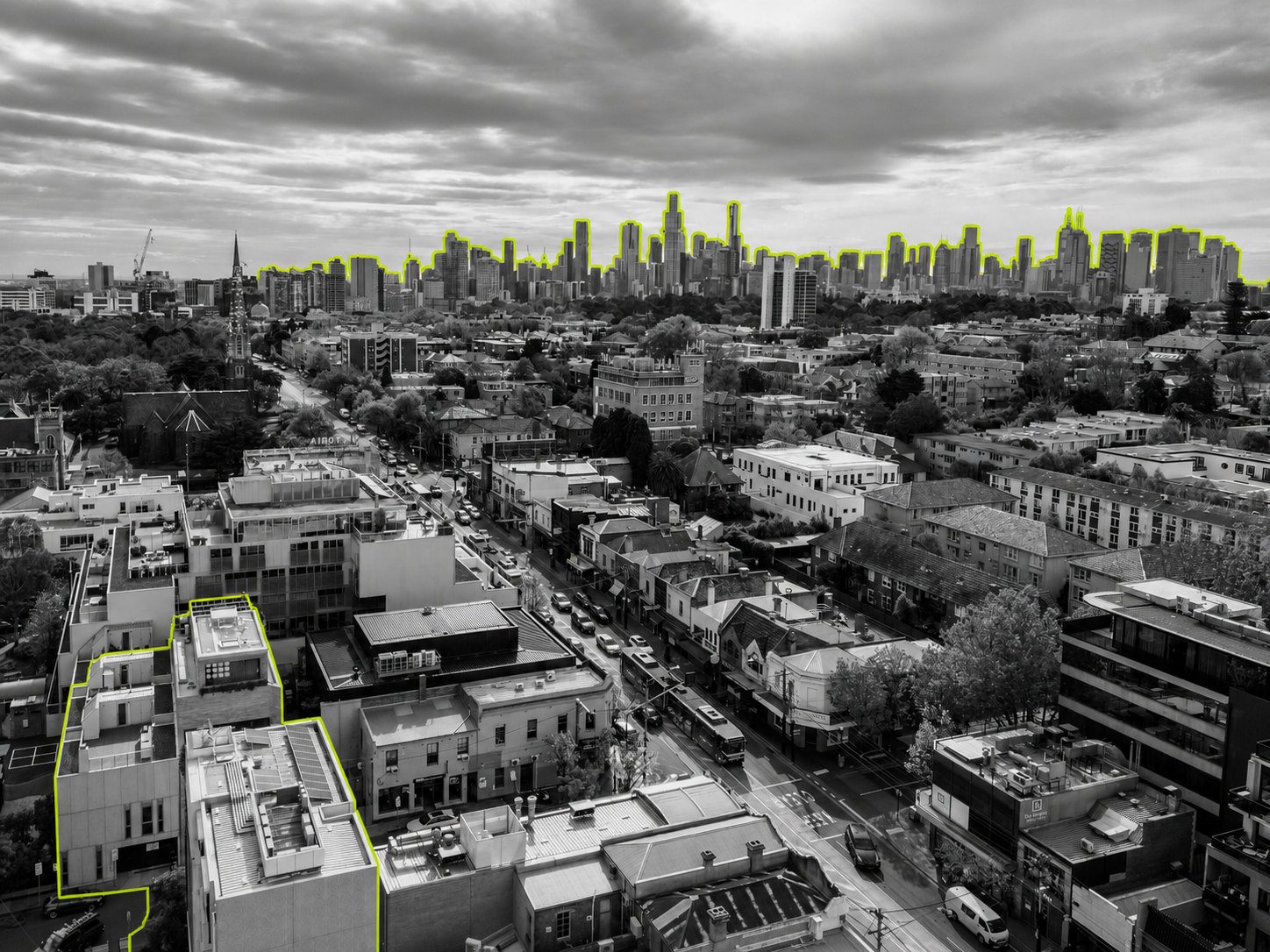
Fringe growth increases loneliness as people are dispersed to areas with less public transport, which increases car dependency and pushes emissions up – and our health down.
We build the biggest houses in the world for some of the smallest household sizes. We use asphalt, steel and concrete to build new estates, while the land is scraped clean of biodiversity.
Instead, imagine affordable, healthy and sustainable homes carefully located near existing amenities and transport, reducing car dependency and reinforcing our richly diverse centres of community, culture and commerce.
This potential future means working carefully with what is already built.
In the UK, the City of London and City of Westminster councils recently introduced retrofit-first policies.
Developers now must prove they can't reuse or retrofit an existing building, before they're given permission to demolish it and rebuild in its place.
Health & Medicine
The Melbourne that big ideas could shape
Across Europe, getting permission to demolish is becoming increasingly difficult due to carbon, heritage and cost.
Imagine if Melbourne saw retrofitting existing buildings and places as the first place to start, rather than the last.
We don’t need to build high at all, but we do need to build carefully, delicately and inventively, threading new spaces into the gaps in our very ‘baggy’ city.
And what if this mix of retrofits and new builds were built in a way that improves the soil, air and water by using locally sourced biobased materials?
As well as bringing these significant environmental, health and wellbeing benefits, this kind of local production also means local jobs, creating innovative industries up and down the supply chain, right across Victoria, reconnecting architecture to agriculture.
For example, in France, all new public buildings must be at least 50 per cent timber or equivalent bio-based material, driving transformation through the building and forestry sectors.
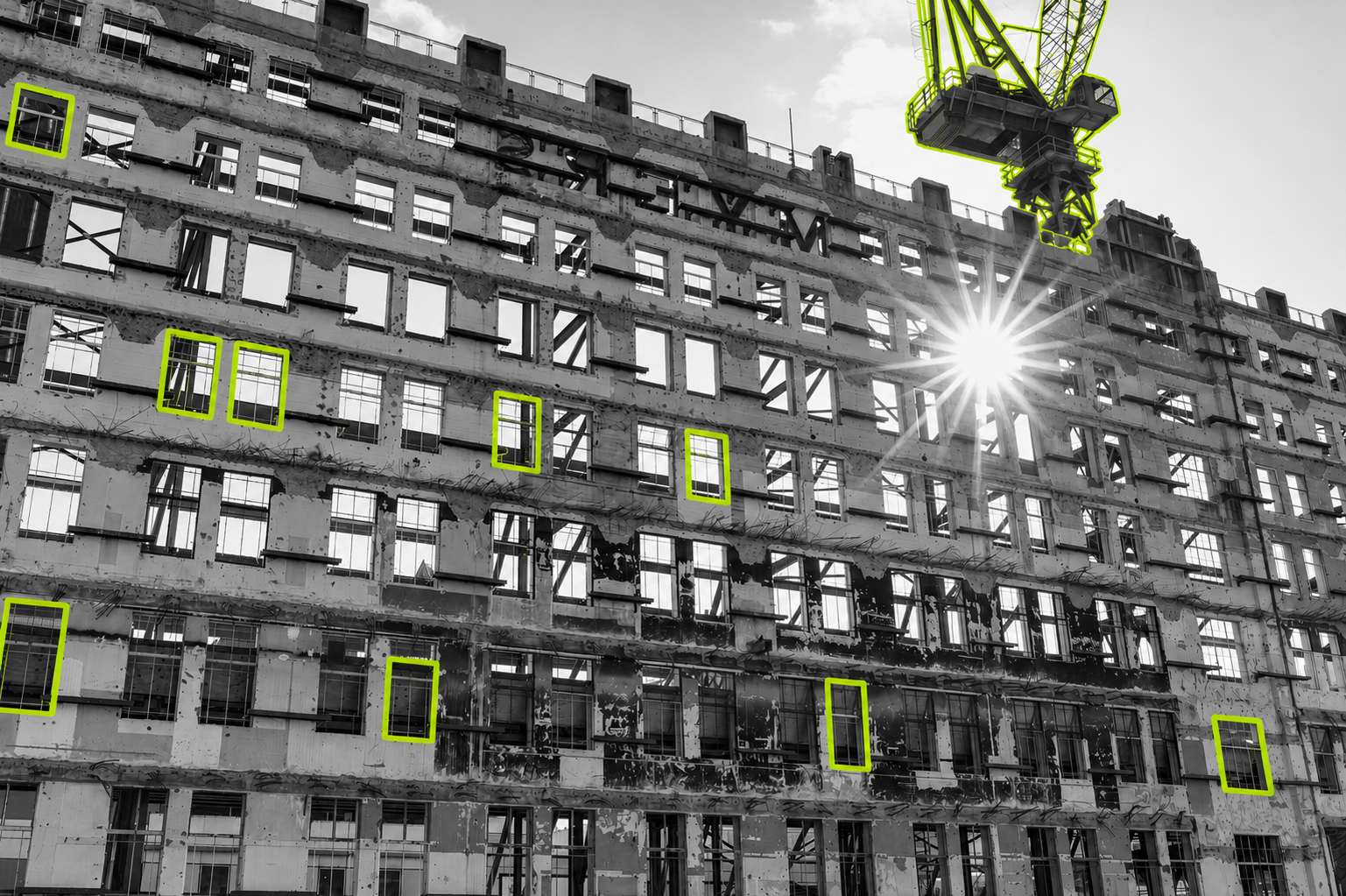
Construction companies across Europe are using super-compressed straw blocks to build well-insulated, healthy, fire- and weather-proofed homes and schools.
Paired with timber structures, these buildings can rise to 12 storeys, combining an ancient building material with modern fabrication technologies.
In Australia, we produce tonnes of wheat straw and yet also discard much of it as ‘waste’. What if we diverted that ‘waste-stream’ into these innovative new building materials?
There’s no reason we can’t do things like this in Melbourne. We are not short of talent. But we do have to realise that these choices are meaningful, for us and others.
A key role of city governments is to imagine, construct and deliver on the complex, collective decisions that shape a city’s future.
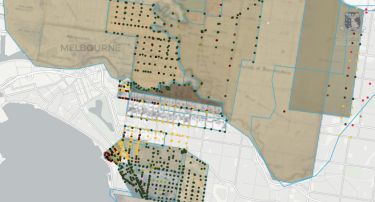
But Melbourne is carved into 31 councils, drawn from legacy boundaries, sitting underneath a state government responsible for a huge area across massively diverse environments.
The biggest city in Australia is effectively without a government at all. Who is at the helm?
Australian municipalities typically sit at the bottom of that pile, with the least power and resourcing, but with the closest relationship with residents.
By global standards, this is unusual.
Successful cities tend to well-resourced, integrated city governments with significant delivery capability in meaningful elements of urban life, like housing, transport, education, culture, industry, health and environment.
In Victoria, we ask them to look after the bins. They can do much more than this.
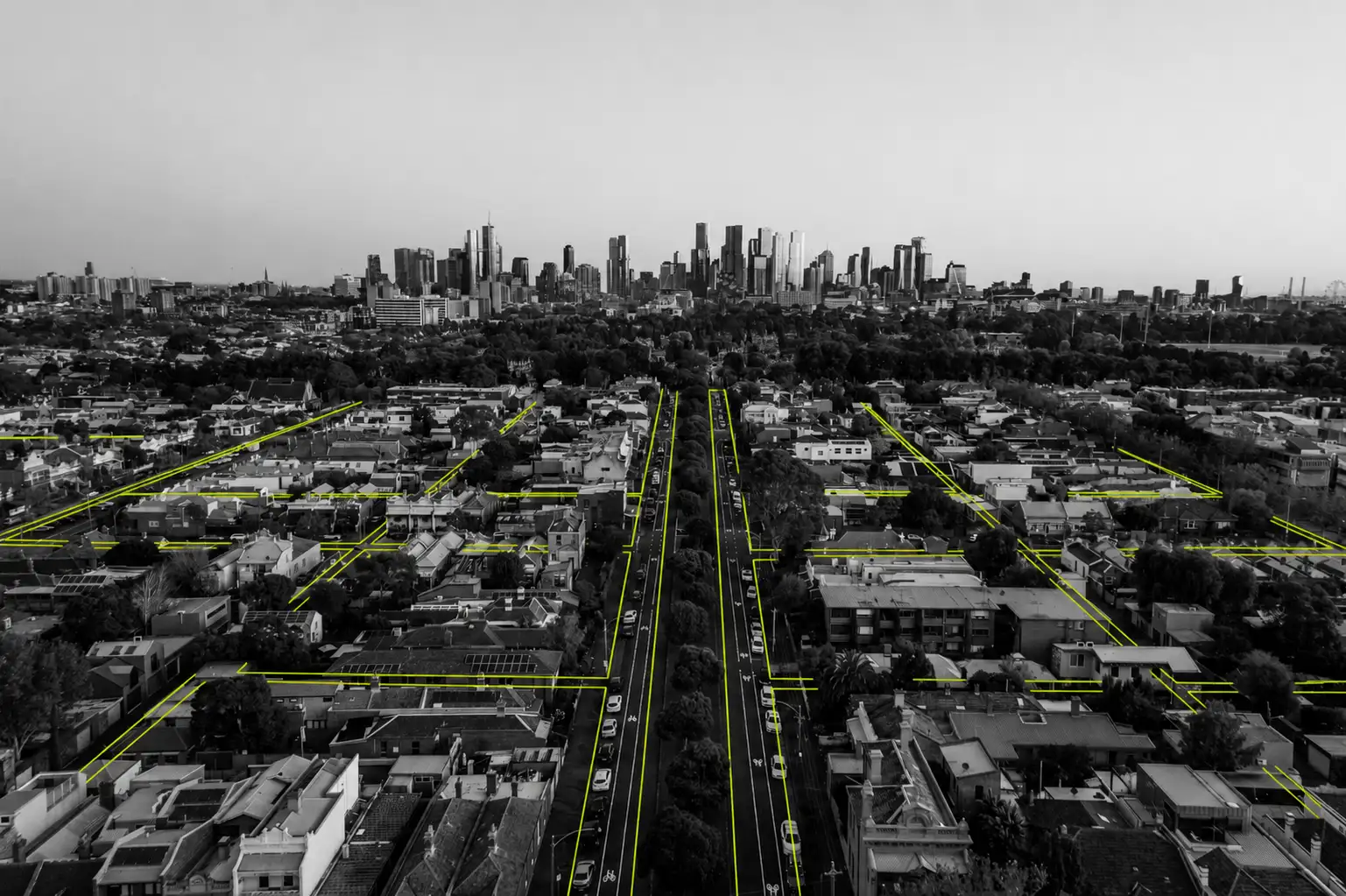
Cities are where our biggest challenges play out, from public health and climate, to culture, as well as technological and demographic change.
As a result, global municipalities are building so-called ‘21st century dynamic capabilities’ to meet these challenges head-on.
Imagine if Australian city governments were responsible for more than 'rates, rubbish and roads'.
This means rethinking what city government is, what it's for, how it’s funded, who works there, what kind of capabilities they have, and how they work in partnership with the others that make up a city, from community to industry and other layers of government.
What if our best minds worked on genuinely meaningful public challenges rather than in generic consultancies or tech firms?
Picture a city government equipped to work closely with people and place every day, helping shape Melbourne's future as an active steward of the city. That's a job worth aspiring to.

Sciences & Technology
Australia's elusive rakali is hiding and thriving in Melbourne's waterways
Threaded through our suburbs are at least 1600 kilometres of ‘infrastructure corridor’: pipe tracks, pylon tracks, retarding basins, easements, sidings.
While they host important bits of public infrastructure, meaning they can’t be built on, at street level they are typically mown grass and little else.
But the very same strips of land could become richly diverse living corridors, full of trees and shrubs, flowering meadows, playgrounds, outdoor gyms, community gardens or bike paths, creating spaces full of care and culture – all without damaging the essential infrastructure that lies beneath the ground.
Stitch them together and Melbourne gains a network at city-scale, one that cools neighbourhoods, soaks up floodwater and brings good quality green space to neighbourhoods all over the city.
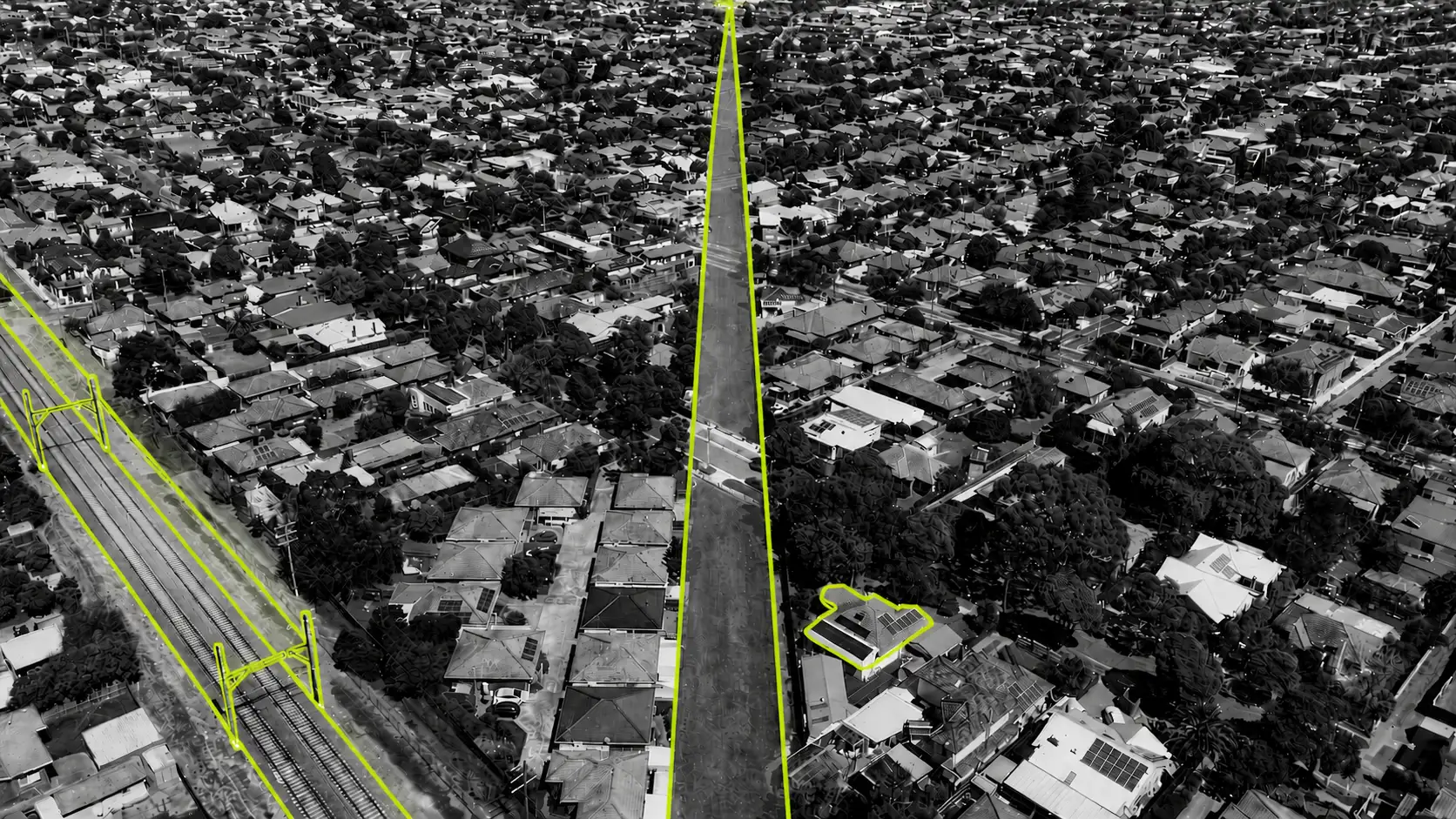
Given the scale of this connected system – approximately 29,000 hectares of existing public space, eight times larger than the City of Melbourne – the ‘return on investment’ could be extraordinary.
Every dollar invested in urban greening returns an estimated four dollars through avoided public health and disaster relief costs. Each can also knit together social fabric and regenerate biodiversity.
In Melbourne and around the world, communities are already actively regenerating many of their own neighbourhood-scale backyards like this.
But ‘the grain’ of the system typically works against them.
This is often not on purpose.
It’s just we are not used to asking institutions to engage in ‘multisolving’: using the same space for multiple different outcomes.

Sciences & Technology
A vital native bee highway can start in your own backyard
The Connected Corridors project, led by local non-profits OFFICE and Regen Melbourne working with the University of Melbourne, has mapped these corridors in detail.
It is now working with infrastructure providers, councils, government, philanthropies and communities to reimagine these public places for health, biodiversity and social benefit.
That work includes demonstration projects and toolkits for community and government to use.
These three ideas share similar patterns, similar challenges and potential.
What if we could assemble these efforts and give them a tailwind rather than a headwind?
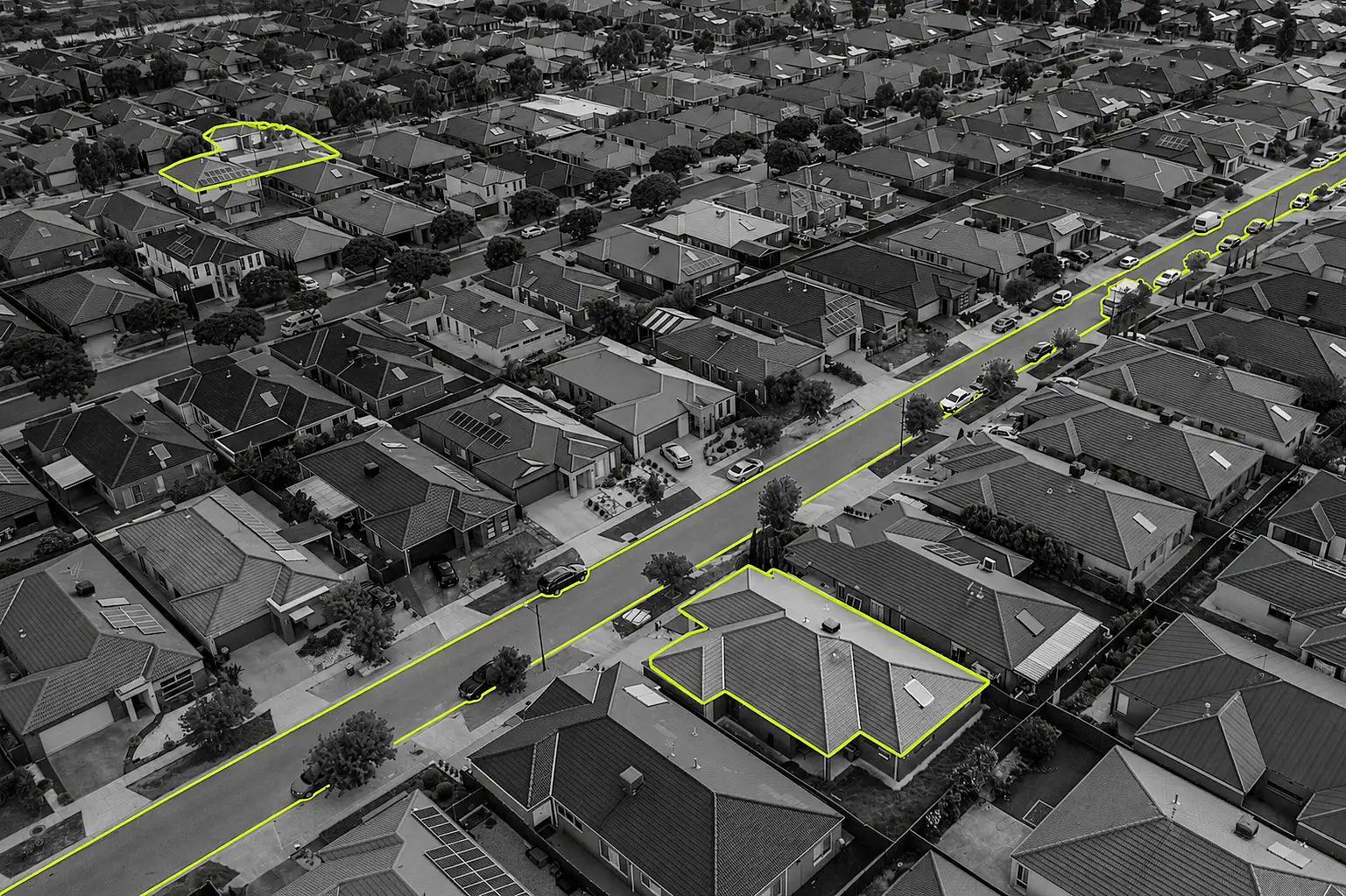
How do we make a city that’s greater than the sum of the parts? Melbourne as a shared common good, not just a collision of private interests?
None of this works in silos.
Big problems only shift when everyone with a stake, from government and councils to public institutions, businesses, universities and communities, starts working together on the same ground.
Melbourne's future is something we build together.
Professor Dan Hill is speaking at the Melbourne Assembly, a three-day public forum on the future of the city hosted by The Age and the University of Melbourne at Fed Square, from 19 to 21 October 2026. For tickets, visit the Melbourne Assembly website.