


Our world-first study found ‘forever chemicals’ in Australian possums
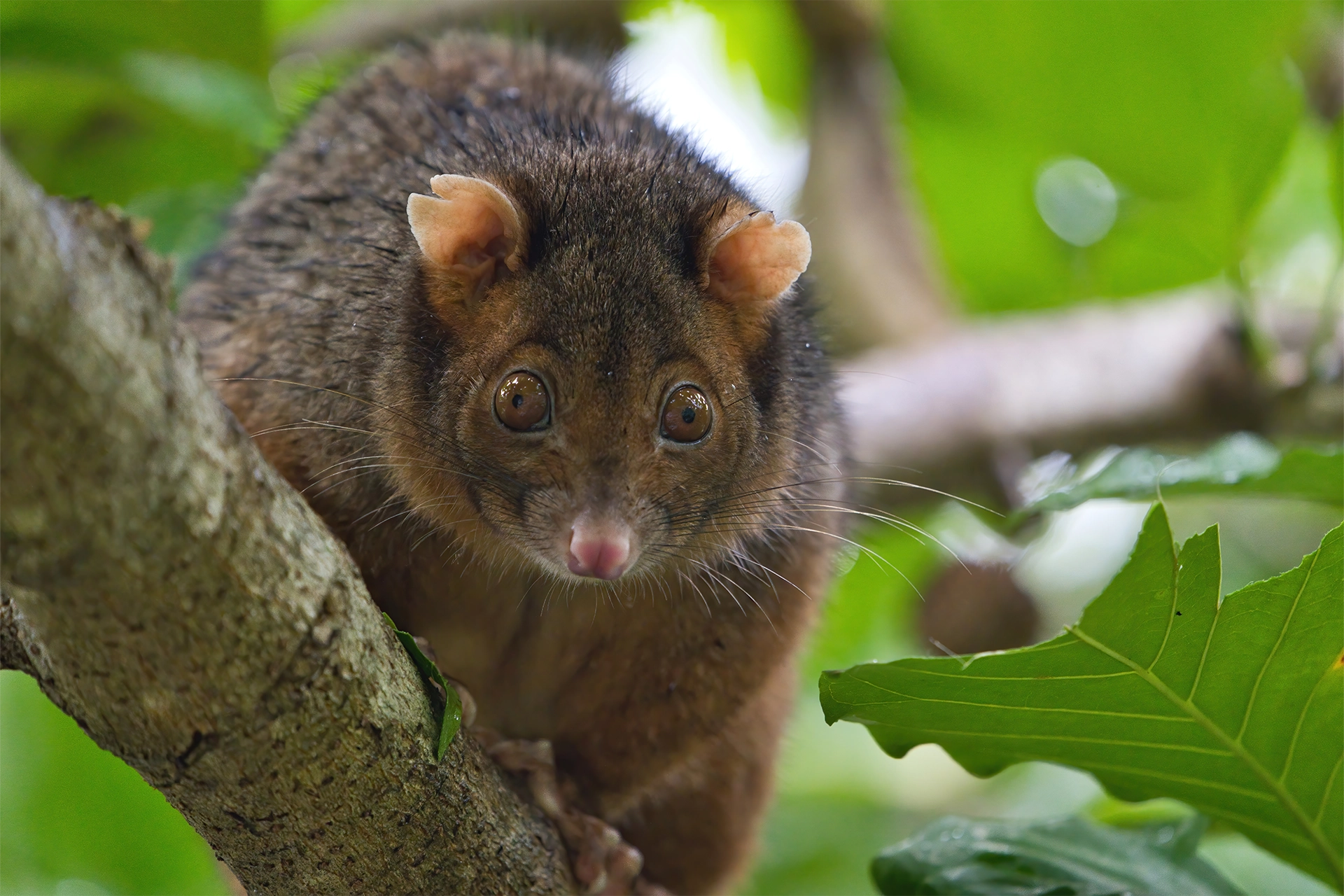
Possums tested in Melbourne could be ‘canaries in the coal mine’ for PFAS contamination in our urban environment


Published 31 October 2025
Common brushtail and ringtail possums are a quintessential part of city life for many Melbourne residents.
Possums have become well-adapted to the comforts of civilisation: an abundance of vegetable gardens to dine in, a well-connected transit system of garden fences and green corridors, and plenty of trees and roofs to call home and raise a family.
But life as an urban possum is not without its challenges, with busy traffic, burgeoning habitat loss, predation from household pets and exposure to a plethora of toxic chemicals that humans have released into their environment.
When we first set out to measure per- and polyfluoroalkyl substances (PFAS) in Melbourne’s possums we knew we would find something.
PFAS are now ubiquitous in the environment and have been measured in everything from human blood to snow on the summit of Mount Everest.
What we did not expect was that our local possums would emerge as some of the most contaminated small terrestrial mammals that have been tested anywhere in the world.
PFAS, also known as ‘forever chemicals’, are synthetic compounds with many applications, including fire-fighting foams, oil and water repellent coatings in clothing and cookware and for improving the properties of cosmetics.
Strong carbon-fluorine bonds contribute to the water and grease-repelling properties of PFAS. While this is a useful industrial quality, it also means that PFAS can take a long time to degrade in the environment.
This contributes to the capacity for some PFAS to bioaccumulate in plants, animals and humans.
For our study, published in Science of the Total Environment, we opportunistically collected 46 common brushtail and ringtail possums from the Melbourne region that had died due to illness or injury.
We measured the levels of 75 different PFAS in possum liver samples using liquid chromatography and mass spectrometry.
We found PFAS contamination in every liver sample, with 45 different PFAS detected across the sample set.
The median PFAS concentration was 24 nanograms (billionths of a gram) of PFAS per gram of animal in ringtail possums, and 104 nanograms per gram in brushtail possums.
The most abundant PFAS was perfluorooctanesulfonate (PFOS), which we observed at median levels of 16 and 74 nanograms per gram in ringtails and brushtails, respectively.
To put this into the global context, this places the brushtails in our study alongside rodents sampled near a chemical-waste site in Nevada, USA, which had comparable mean PFOS concentrations of 71 nanograms per gram three kilometres from the site (although it was 468 nanograms per gram inside the site).
Among studies that have focused on small urban mammals, researchers have reported median PFOS concentrations of 10 nanograms per gram in foxes from Oslo, Norway, and 37 nanograms per gram in brown rats from Hangzhou, China.

Brushtails likely had higher PFOS levels than their ringtail counterparts due to differing behaviours, diets and metabolisms.
Ringtail possums are folivorous (leaf-eating) and spend most of their time off the ground, whereas brushtails are omnivorous and are known to consume a wide range of foods from leaves and fruit through to roadkill, birds’ eggs and human food waste.
Additionally, differing metabolic processes – including how they digest their food and process toxins – in the two species will impact the accumulation of PFAS and related chemicals.
The accumulation of PFAS has been linked to a range of impacts in animals.
This includes changes in reproductive hormones and egg quality in eastern short-necked turtles from Queensland, Australia; mortality, decreased liver and body weights and hormone changes in a laboratory study on monkeys; and alterations to dopamine levels – a neurological hormone closely linked to the control of a range of behaviours including thermoregulation, aggression and reproduction – in wild bank voles from Norway.

Associations have also been found in humans, including high cholesterol levels, increased thyroid hormone levels in women, lower testosterone levels in men and increased cancer risk.
Melbourne’s possums could be the ‘canaries in the coal mine’ for urban PFAS contamination across our region.
Our findings add to a growing body of evidence in the region, with the highest PFAS levels ever observed in cetaceans recorded in dolphins from Port Phillip Bay in 2024, and high concentrations and uncommon profiles of PFAS reported in black swans from Albert Park Lake in 2022.
This adds to concerns about the potential health risks associated with PFAS for possums and other native species, as well as for humans living in urban areas.
Continued research on the extent and impacts of PFAS in wildlife is an important pathway towards conserving our unique native species and ecosystems.