
Sciences & Technology
Sports coaches make these seven kinds of decisions


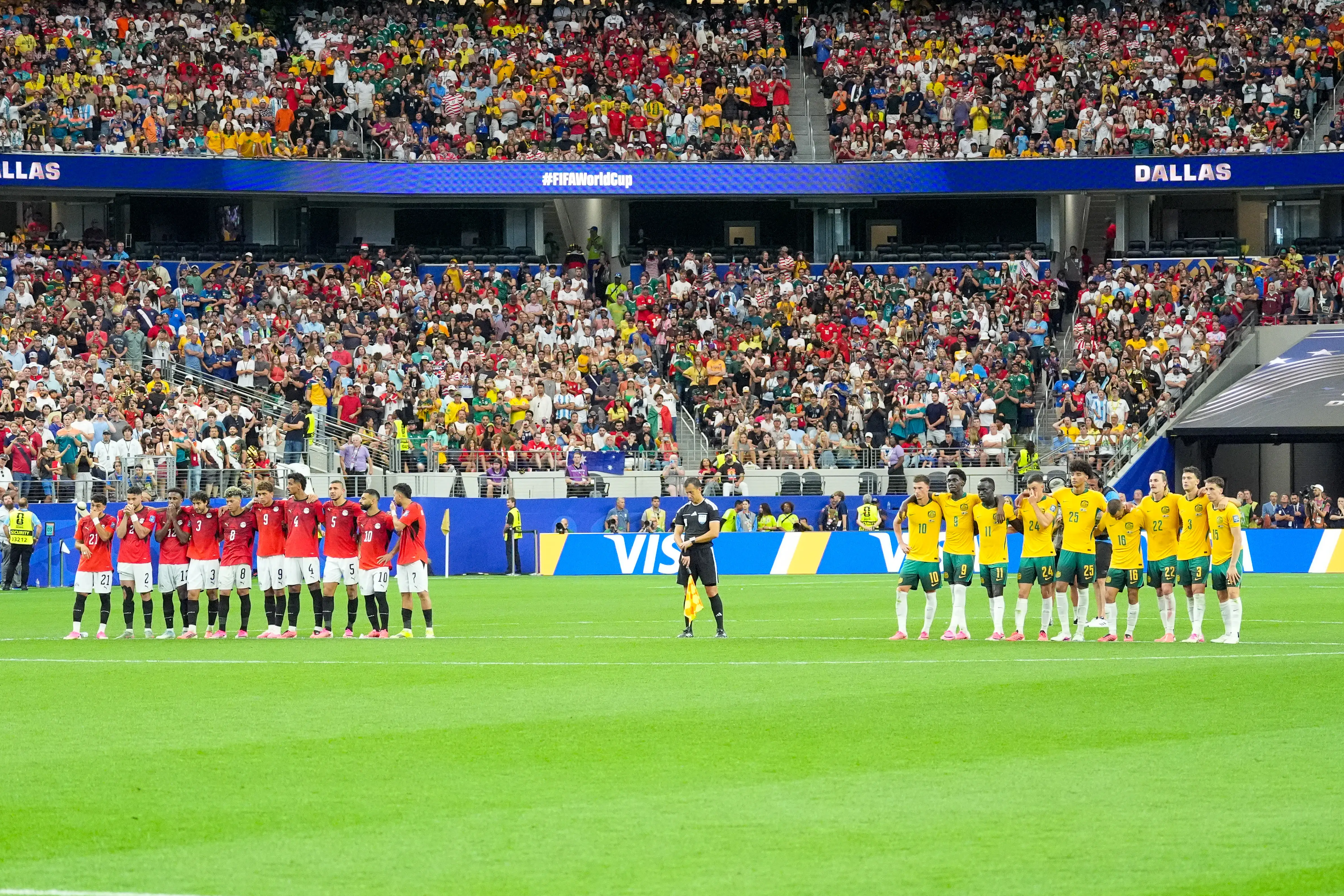
Every World Cup, coaches are quick to call penalty shootouts a lottery. A neuroscientist who has worked with elite coaches explains why they say it and how teams actually prepare

Published 14 July 2026
The final week of the World Cup is a reminder that every big sports tournament teaches us some strange lessons about performing under pressure.
I explored some of them in my book Nerves of Steel, but they can include tropes like ‘hardened, stubborn men excel when the heat is on’ (although, I don’t think so), that Germans always win in the last seconds of a match (again, ich glaube nicht – I don’t believe so), and that penalties are beyond training.
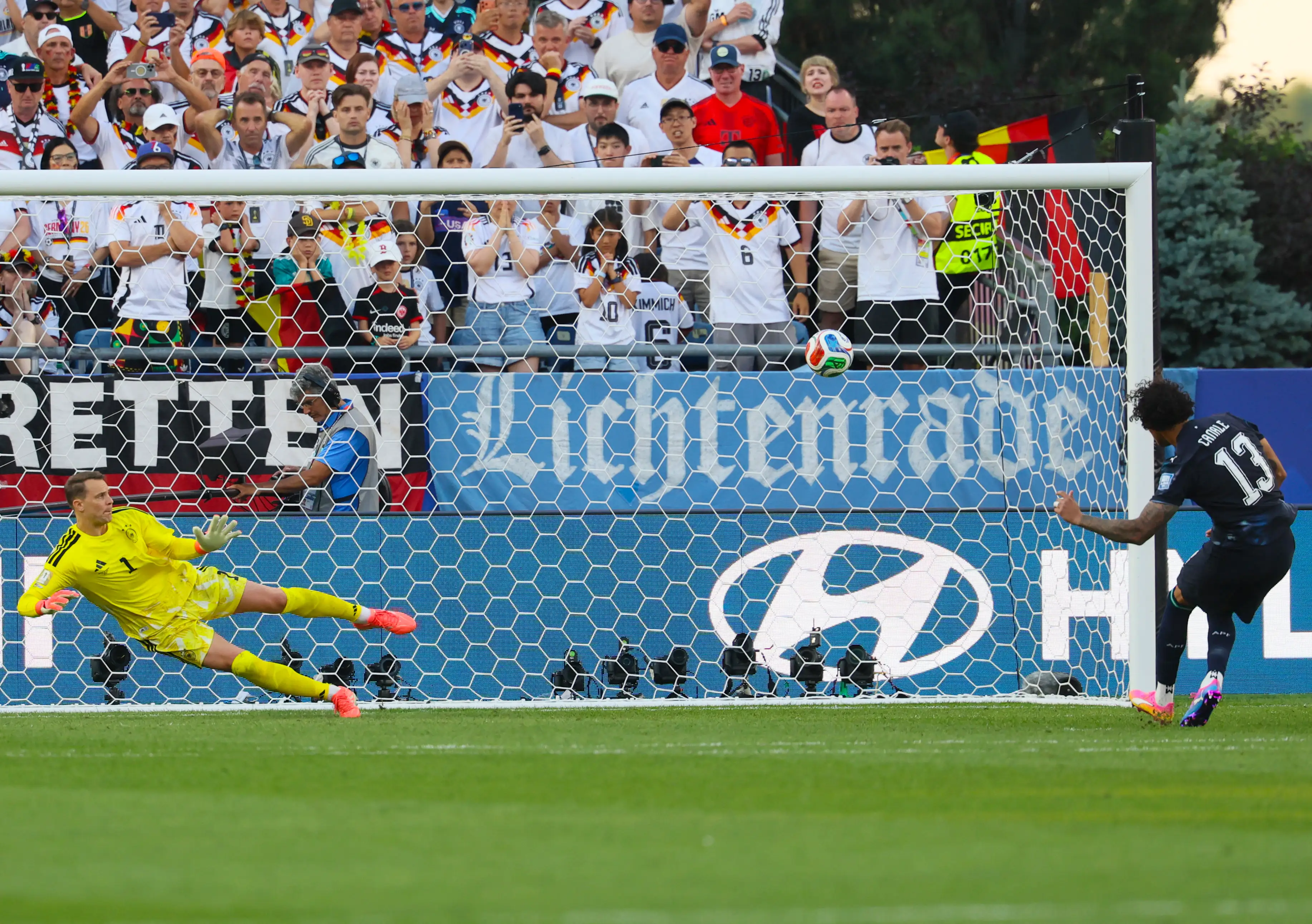
Let’s take a look at this last one as it has resurfaced again in the World Cup, often voiced by sport coaches after their team loses a penalty shootout.
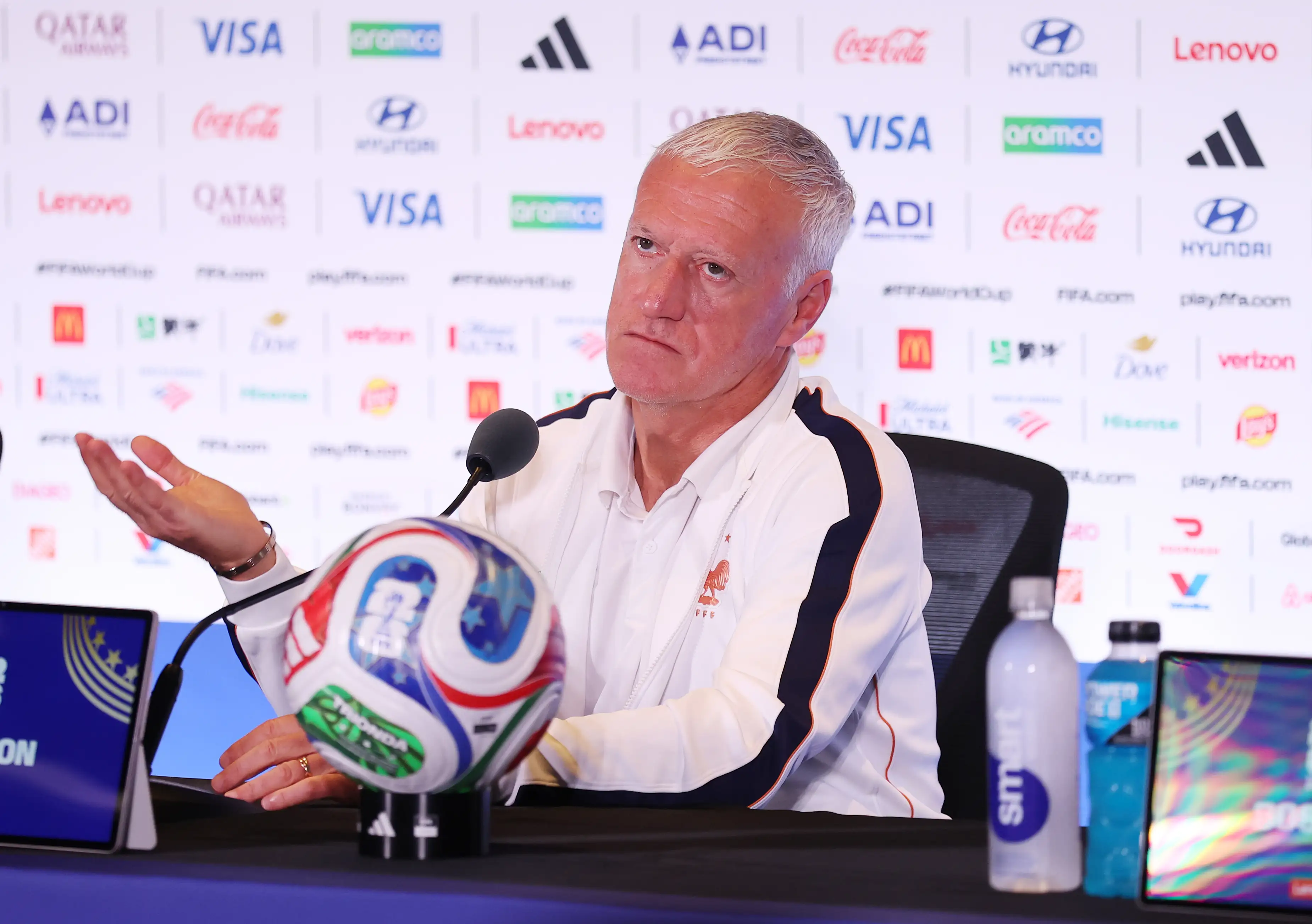
The most celebrated managers, including Guus Hiddink (former Australia manager), Carlo Ancelotti (Brazil), Didier Deschamps (France), Ronald Koeman (the Netherlands) and Pep Guardiola (former Manchester City manager) have all said at some stage that training for penalties is useless, often referring to them as a “lottery”.
It’s a curious line of thinking. Few other professions would accept it.
Surgeons, pilots and emergency responders routinely train for the most stressful, high-stakes moments imaginable.
In football, the logic unravels fast: if pressure invalidates preparation, why train at all? Every pass, every tactical drill, every set piece is practised with the understanding that performance under pressure can improve.
Sciences & Technology
Sports coaches make these seven kinds of decisions
Writing my book got me working with sports coaches in the Netherlands and, later, in Australia.
The Dutch Olympic Committee also asked me to design a critical thinking course for coaches because its leadership worried that some of them were at times too gullible.
Working with these coaches was my chance to dig into that strange idea about penalty shootouts. Did they really think training was useless?
Of course not – quite the opposite, in fact. These coaches had devised all sorts of ingenious drills to put their players under pressure.
Sarina Wiegman, now head coach of England's women's team, told me that when she coached the Dutch side she would deliberately make bad refereeing decisions during training matches.
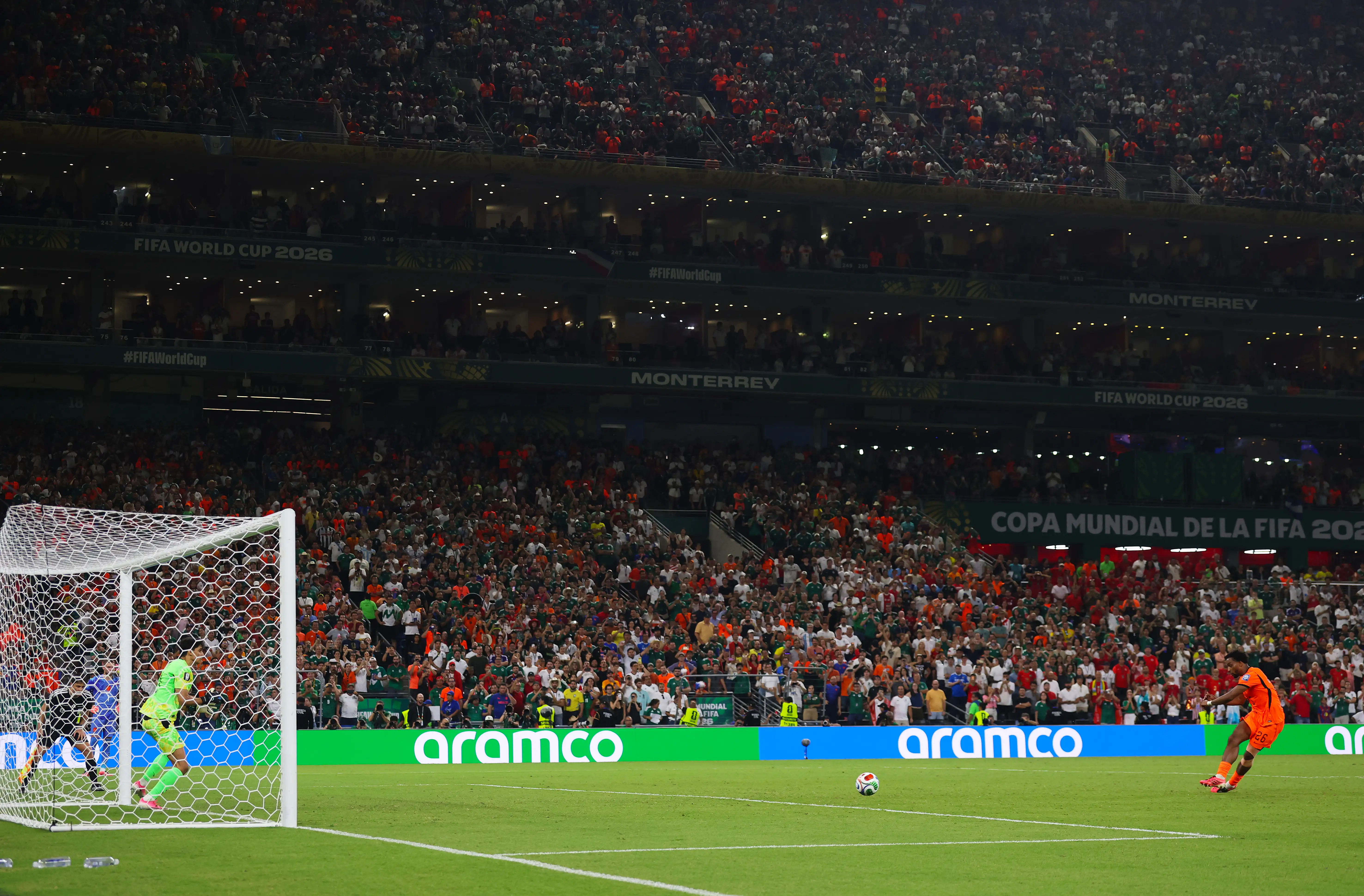
Her aim was to teach players to stay focused and composed when things felt unfair – because in high-pressure competition, they inevitably will.
She didn't stop there.
Wiegman had her players take penalties against the goalkeeper of the Dutch men's national team, watched not just by her and her staff, but also by the men's coaching team – several Dutch soccer legends among them.
The men's game has its own proof that penalties can be trained.
Polish striker Robert Lewandowski and England's captain Harry Kane are among the most reliable penalty takers in history, converting at almost 90 per cent.

Kane's former coach José Mourinho credits meticulous preparation: “Harry decides before the game, a few days before, how he is going to take it. And then he spends three to four days before the game practising that shot.”
So why do coaches keep insisting that preparation is useless?
The answer, I think, lies in where they say it: at a press conference just before an important match or right after losing a shootout.
These are high-pressure moments in their own right, and under pressure, minds can slide into irrational thinking.
The American psychologist Daniel Kahneman showed that when we face a difficult question, we often answer an easier one instead without even noticing the swap.
For example, if we’re asked, 'Will this candidate be successful and productive at our company?', what we actually answer is 'Do I like this person?'.
Something similar happens at press conferences.
Pressed by journalists certain that a lack of training knocked a team out of the World Cup, the coach faces a hard question: “What are the gains from practising for a penalty shootout?”.
What comes out is the answer to an easier one: ‘Is training for penalties a guarantee for success?'.
The first question is genuinely hard. Answering it means weighing probabilities against each other, including how much a team can realistically improve in the weeks before a big tournament.
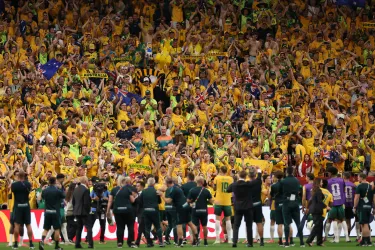
Aussie superstar Jordy Bos had never taken a professional penalty before the World Cup. How much would he improve in a few weeks of training?
But practice has a price.
Time spent on shootouts is time not spent on other things like the defensive work that stops a match reaching penalties at all.
Had the Netherlands defended better against Morocco, they'd have won in regular time and never lined up for penalties in the first place.
Then there are the odds themselves. How likely is a game to reach a shootout at all, versus being decided by tactics you under-practised to make room for penalty drills?
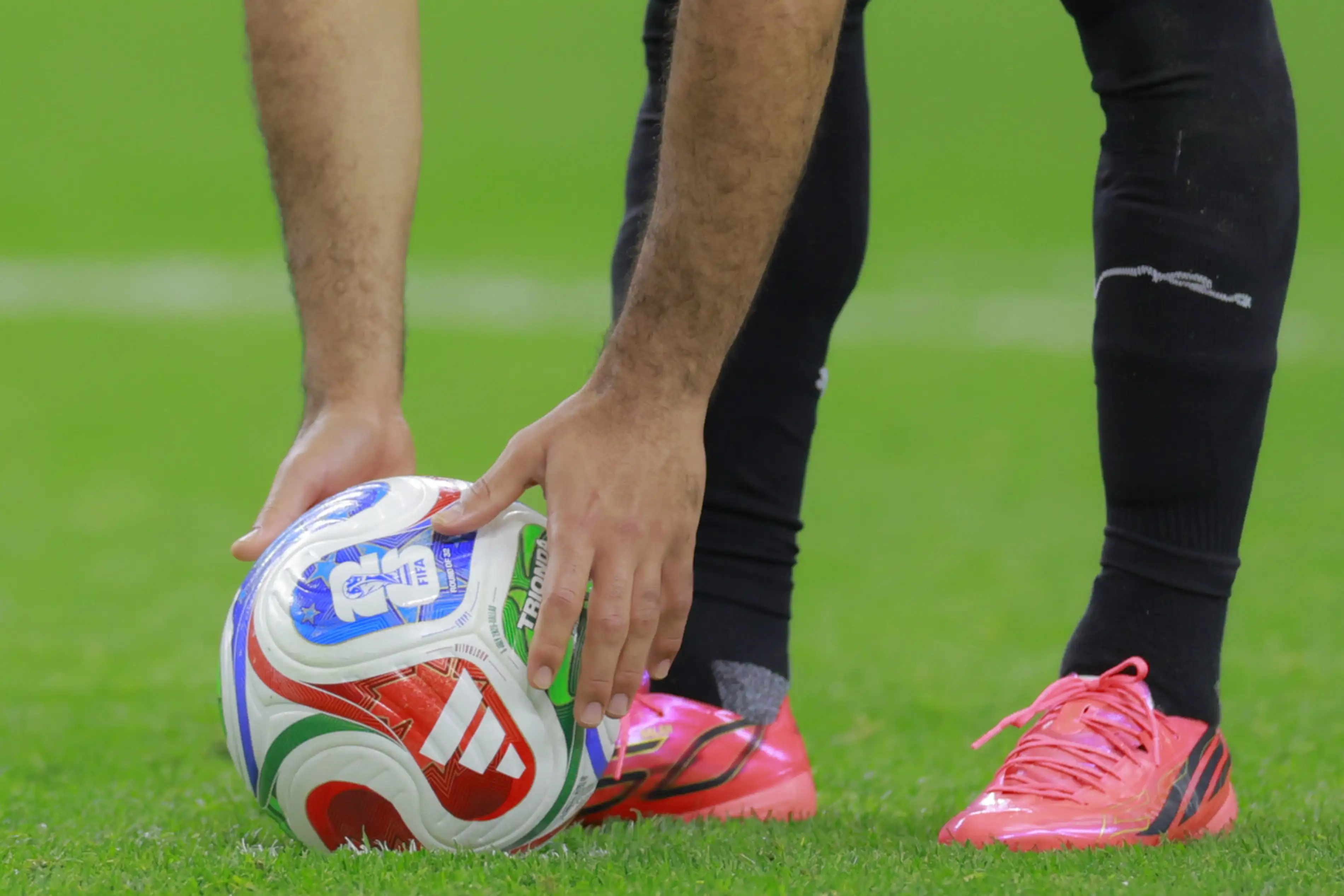
Once you factor all this in, skipping shootout practice can be a perfectly rational choice, or at least practising less than some journalists seem to demand. But there's no room for that reasonable answer at a press conference.
There's also a second reason to keep the answer short.
A coach who explains their penalty thinking in public is doing the opposition's homework for them.
The lesson? Don't take a World Cup press conference as the truth about penalty shootouts. If you want to know how a team really prepares, watch what they do on the training pitch.