

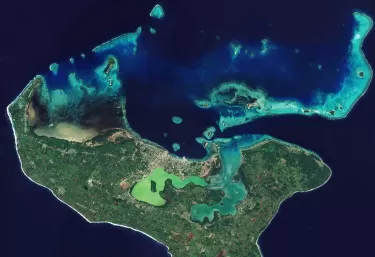
Putting people at the centre of global climate efforts
Following progress at COP30, Australia’s partnership with Pacific nations offers an opportunity to progress solutions that protect human health from climate change


Published 16 December 2025
This year’s UN Climate Change Conference in the Amazon city of Belém in Brazil delivered mixed results. Progress was made on climate finance and adaptation, but efforts to develop a global roadmap to phase out fossil fuels were unsuccessful.
One area that saw a lot of progress is the global response to the health threats of climate change.
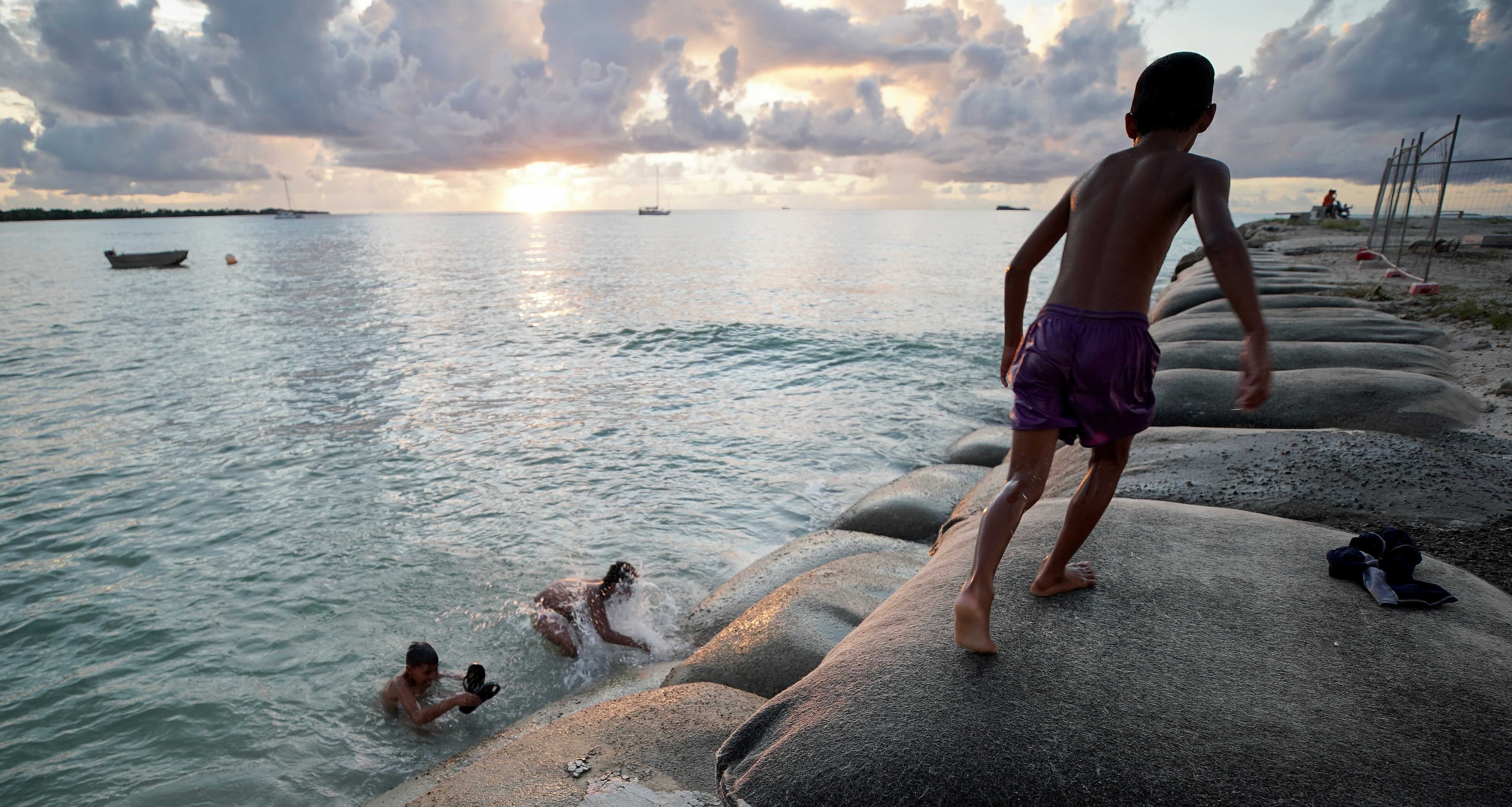
The human face of climate change
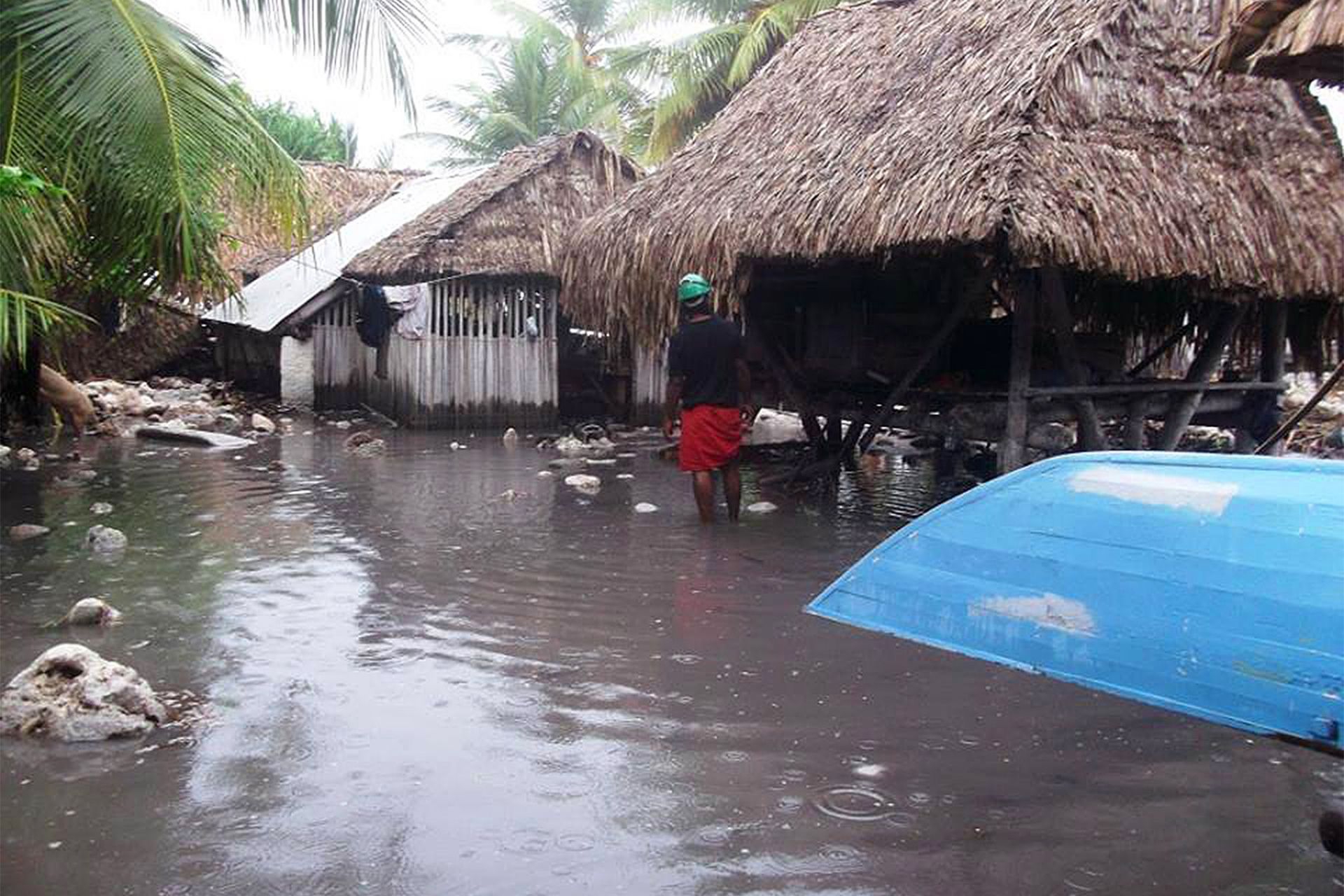
The negative impacts of climate change on human health and wellbeing are already being felt worldwide.
The 2025 Lancet Countdown on Health and Climate Change report, produced in collaboration with the World Health Organization (WHO), finds that rising global heat is now killing one person a minute around the world, and that continued climate inaction is costing lives, straining health systems, and undermining economies.
COP30 responded to this threat by launching the Belém Health Action Plan, a blueprint for global health systems to adapt to climate extremes that was endorsed by the Australian Government.
Global health leaders from around the world participated in COP30 Health Day, while a coalition of funders committed US$300 million to accelerate climate and health solutions.
The formal UN climate negotiations also increasingly reflect the importance of human health in the global climate response.
Most notably, countries adopted a list of health indicators to monitor global progress on adaptation, while the final COP30 decision text recognised “the economic and social benefits and opportunities of climate action, including … improved public health”.
Securing Pacific priorities at an unusual COP31
After a three-year diplomatic standoff, the hosting arrangements for next year’s climate conference were finally resolved at COP30. Australia and Türkiye have now agreed to work together in order to co-host the summit in 2026.
Türkiye will physically host the talks, be in charge of the action agenda, and appoint the COP31 president, while Australia will lead the formal negotiations.

The pre-COP meeting will take place in the Pacific, enabling a pathway for Pacific priorities to remain at the centre of the climate talks.
Pacific leaders have already highlighted various climate priorities they would like to see reflected at COP31, including increasing the ambition of national climate plans, strengthening the role of the oceans in fighting climate change, and building climate and health resilience in the Pacific.
The Pacific has long prioritised climate and health, including through the Malé declaration in 2007, the launch of a special initiative to address the health impacts of climate change in Small Island Developing States at COP23 in 2019, which was presided over by Fiji.
More recently, the Australian Government provided support for the establishment of a Pacific Network on Climate and health, while the University of Melbourne is supporting four Pacific Island Countries to strengthen their response to the health impacts of climate change.

Politics & Society
COP30 must match climate action with political will
Potential health priorities at COP31
Following COP30, the Australian Government and the World Health Organization hosted a high-level roundtable on climate and health at Parliament House in Canberra.
The meeting was chaired by Assistant Minister for Health and Aged Care, the Honorable Rebecca White, and Australia’s Special Envoy for Climate Change Adaptation and Resilience, the Honorable Kate Thwaites, and was attended by the Ministry of Health, Brazil, alongside senior Pacific leaders.
The meeting offered an opportunity to reflect on the outcomes of COP30 and articulate potential health priorities for COP31, including Pacific resilience, First Nations, the health argument for a just transition, finance and decarbonising supply chains.
Ongoing efforts to build climate resilience from health impacts in the Pacific region could be supercharged by improved coordination from the Pacific network on climate and health, alongside increased finance, including for the Pacific Resilience Facility.

Australia could also learn from Brazil’s approach by centring the voices and solutions of First Nations, Pacific communities and the wider Pacifika community, both at pre-COP in the Pacific and COP31 in Türkiye.
COP30 for the first time clearly articulated the health, social and economic case for the transition away from fossil fuels. Australia and Türkiye could build on this narrative to make the case for a global roadmap on fossil fuels.
Finance for climate and health solutions has increased rapidly since COP28 in 2023, but access to quality finance remains a major barrier to countries, especially in the Pacific.
COP31 could help unlock climate finance to deliver real health gains for communities across Asia-Pacific and the world.

Seeing the immediate and clear impacts on health and wellbeing in the region – especially via hazards such as sea level rise and cyclones – has the potential to ramp up climate commitments.
Lastly, building on Australia’s ongoing work in this area, COP31 could launch an international coalition of governments and healthcare partners to decarbonise international healthcare supply chains.
These and other health efforts in the lead-up to COP31 could ensure an ambitious outcome for healthier lives on a healthier planet.