


Small changes at home can help older Australians beat the heat
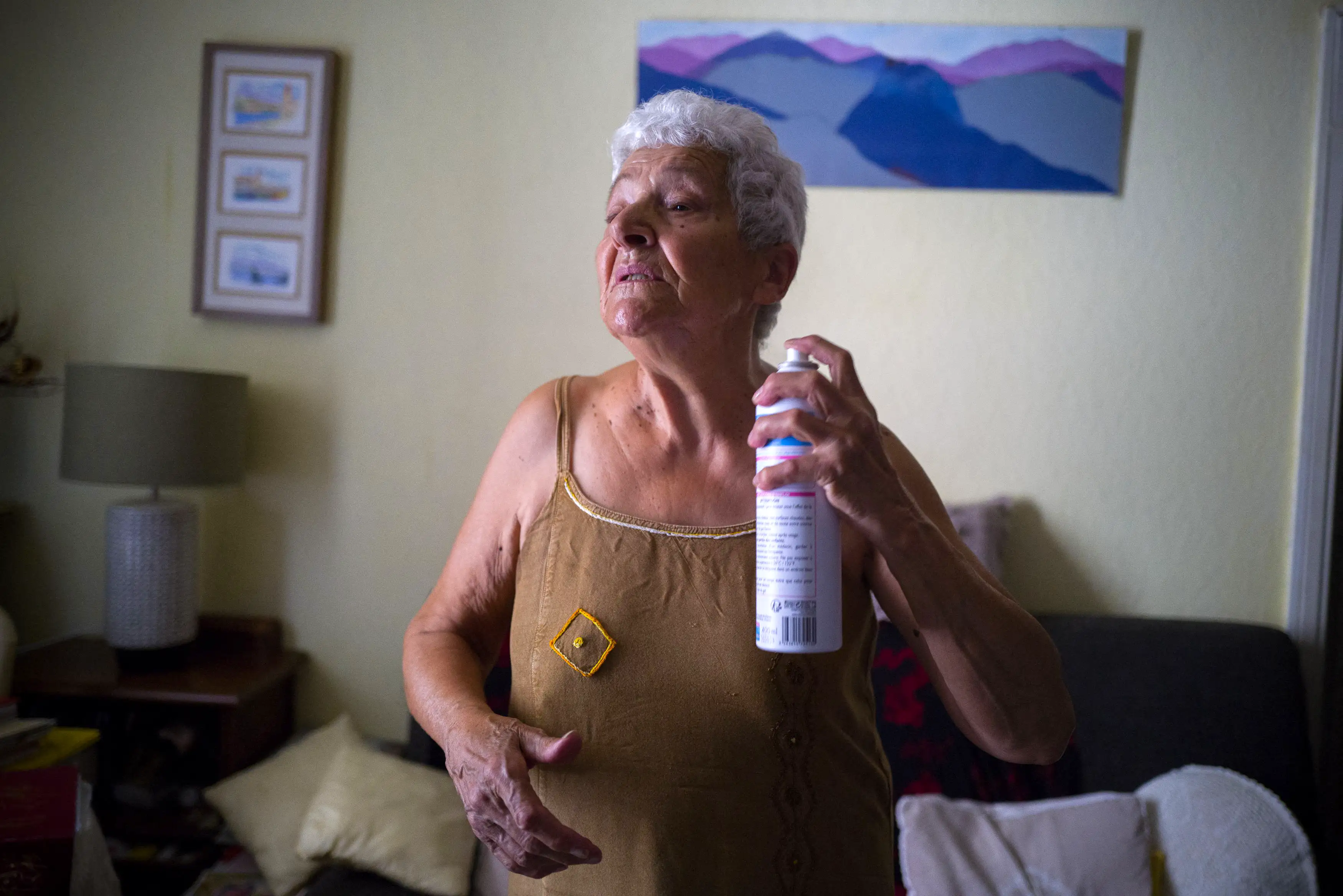
Home temperatures can affect our health and wellbeing, and older people can suffer the most. But small fixes can have big impacts

Published 4 February 2026
As our bodies age, physical changes can affect our ability to perceive and respond effectively to temperature.
Because thermoregulation is vital for health and comfort, older people can become more vulnerable – particularly during Australia’s heat waves and cold snaps which are becoming more extreme as our climate changes.
In fact, heatwaves are Australia’s deadliest natural disaster – surpassing bushfires, floods and storms. And it’s vulnerable people, particularly older Australians, who are most affected.
Guidelines about designing and adapting homes to suit ageing-in-place are available, but most are related to accessibility and physical barriers.
Information that aims to help older people’s thermal comfort and related health and wellbeing are not always considered.
In addition, big home modifications – like putting in double glazed windows or installing newer air conditioning – can be quite expensive, especially for older people.
This is particularly important as, in Australia, a significant number of older people own their homes but many live in the lowest income brackets.
Australia’s older occupants, especially those with lower income, can experience a series of challenges when it comes to adapting their homes to suit their needs, particularly when it comes to thermal comfort and energy efficiency.
But there are small and low-cost fixes that can make all the difference.
Small changes to improve our home’s temperatures
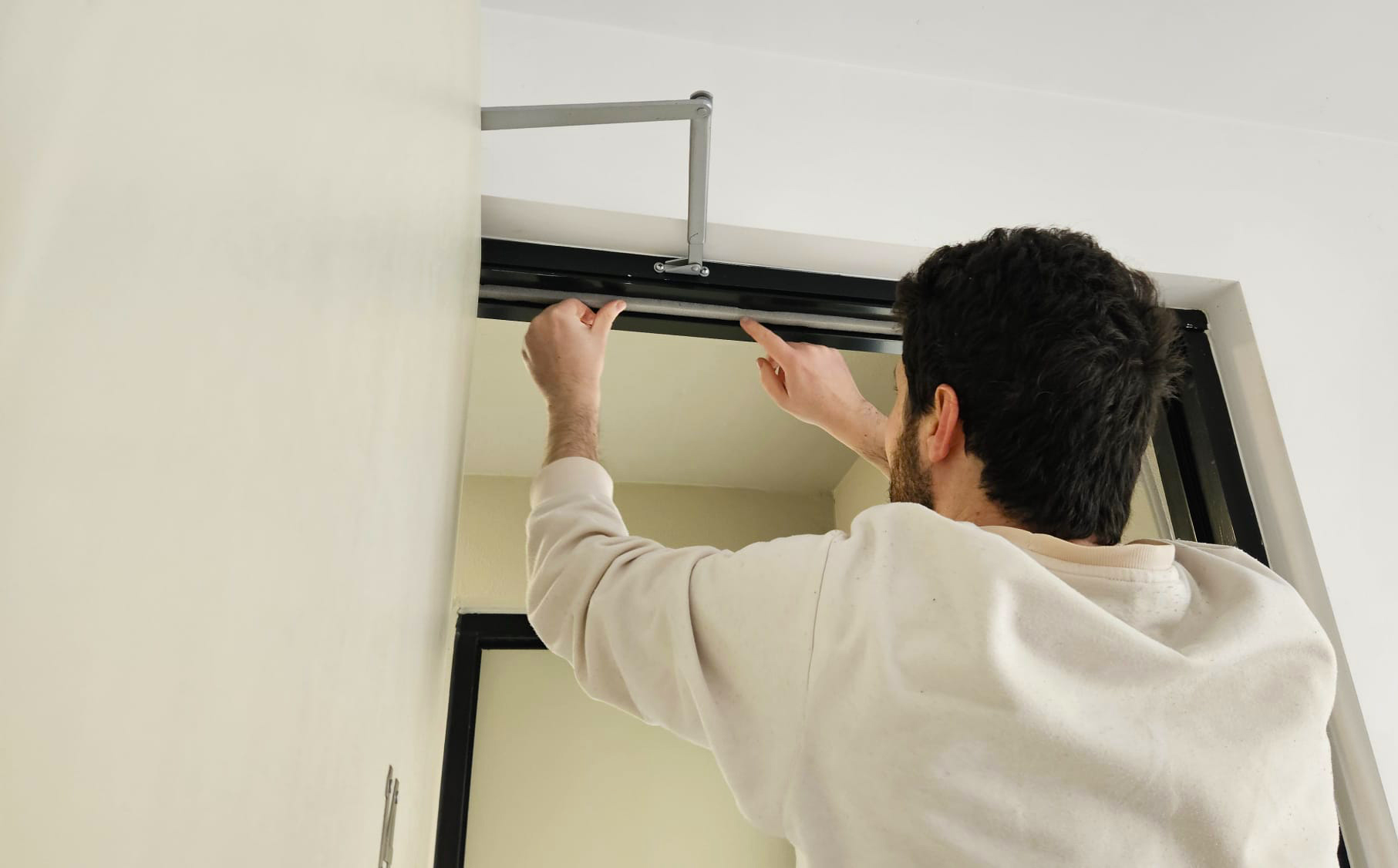
Installing weather stripping in doors and windows is one of the most cost-effective fixes we can do at home.
Weather stripping is commonly made of rubber, vinyl or foam, in strips with a self-adhesive back that helps installing it around doors and windows. These strips help to keep the weather, dust and noise out – and can ultimately improve your home’s energy efficiency.
The famous ‘door snakes’ we have in Australia do the job quite well, helping to close large gaps under doors or around window frames. (For non-Australian readers, this is not another venomous reptile, but a long, cylindrical fabric tube filled with sand, rice or fabric).
Curtains or movable partitions in passageways are also quite effective. They help reduce the volume of a space, making cooling or heating rooms much quicker and more efficient.
By fitting and operating your curtains wisely you can avoid or profit from the sun when you need it.
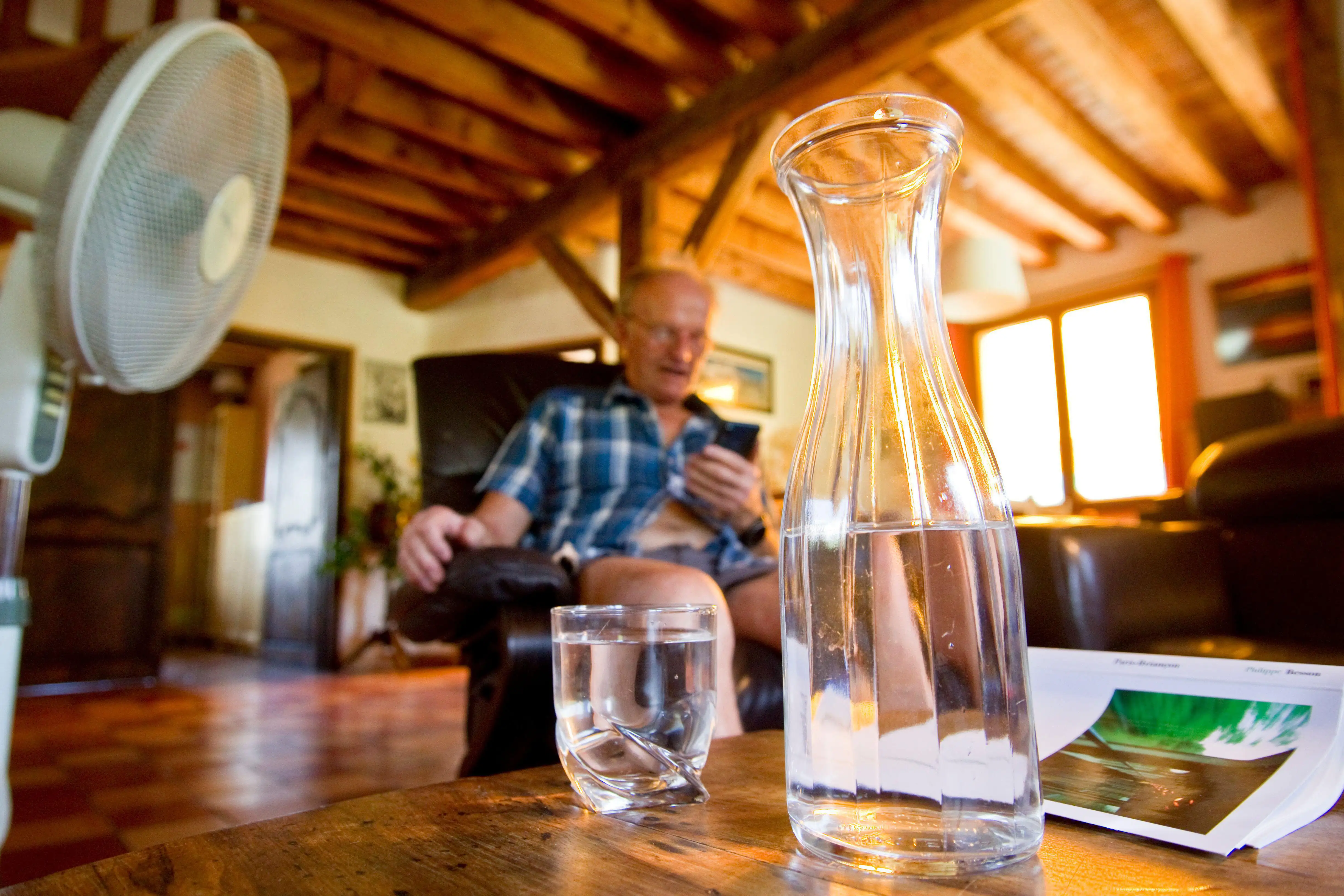
While ceiling or pedestal fans (potentially combined with air conditioning, even in winter), as well as ventilating spaces through windows and doors, can also help.

Map of the Month
These maps tell us we need to cool our sweltering streets
These tips can work in the entire home, but also in selected rooms, creating perfect thermal refuges when the temperatures outside fluctuate or are extreme. Also known as climate safe rooms, these little havens in the home can have direct impact on people’s health and energy bills.
Trust your instincts and learn from the past
Thinking about what makes you feel good is key.
A recent study on older people’s homes in South Australia shows that personal adjustments can help.
This includes things like adjusting clothing, keeping hydration up, using a cool wet towel around the neck in summer and using wheat bags or staying active in winter.
Even adapting your diet depending on the season can be beneficial (and quite cost-effective) to cope with the weather at home.

Another recent study of older adults found that past and culture-specific practices remain common and efficient in maintaining comfort at home.
For example, in the same study, research participants with Chinese backgrounds consider certain foods based on their ‘cool or warm nature’ and eat them to adapt to seasonal environmental conditions.
This is related to the thermal nature classification of food in Traditional Chinese Medicine. Food’s cooling or warming effect to the body is not always dependable on actual temperatures – but instead related to their properties to reduce inflammation or boost metabolism during different seasons.
Mung beans, for instance, are often considered as a cooling option for summer, while ginger, a warming option in cold weather.
Health & Medicine
Your cold house is bad for your mental health
Culture is linked to the way in which we experience, perceive and interact with our environment.
In Australia especially, where more than 30 per cent of people aged 65 years or over come from diverse cultural and linguistic backgrounds, we need flexible interpretations of and recommendations on comfortable and healthy environments.
Health and wellbeing wins
Regardless of your age, managing your thermal environment is proven to directly impact your health and wellbeing, with varying degrees of effectiveness.
These positive health outcomes range from the physiological and psychological, to behavioural.
Our recent review shows that common benefits include improved blood pressure, a decrease in hospital admissions, better self-reported health, less frequent respiratory symptoms and improved mental health.
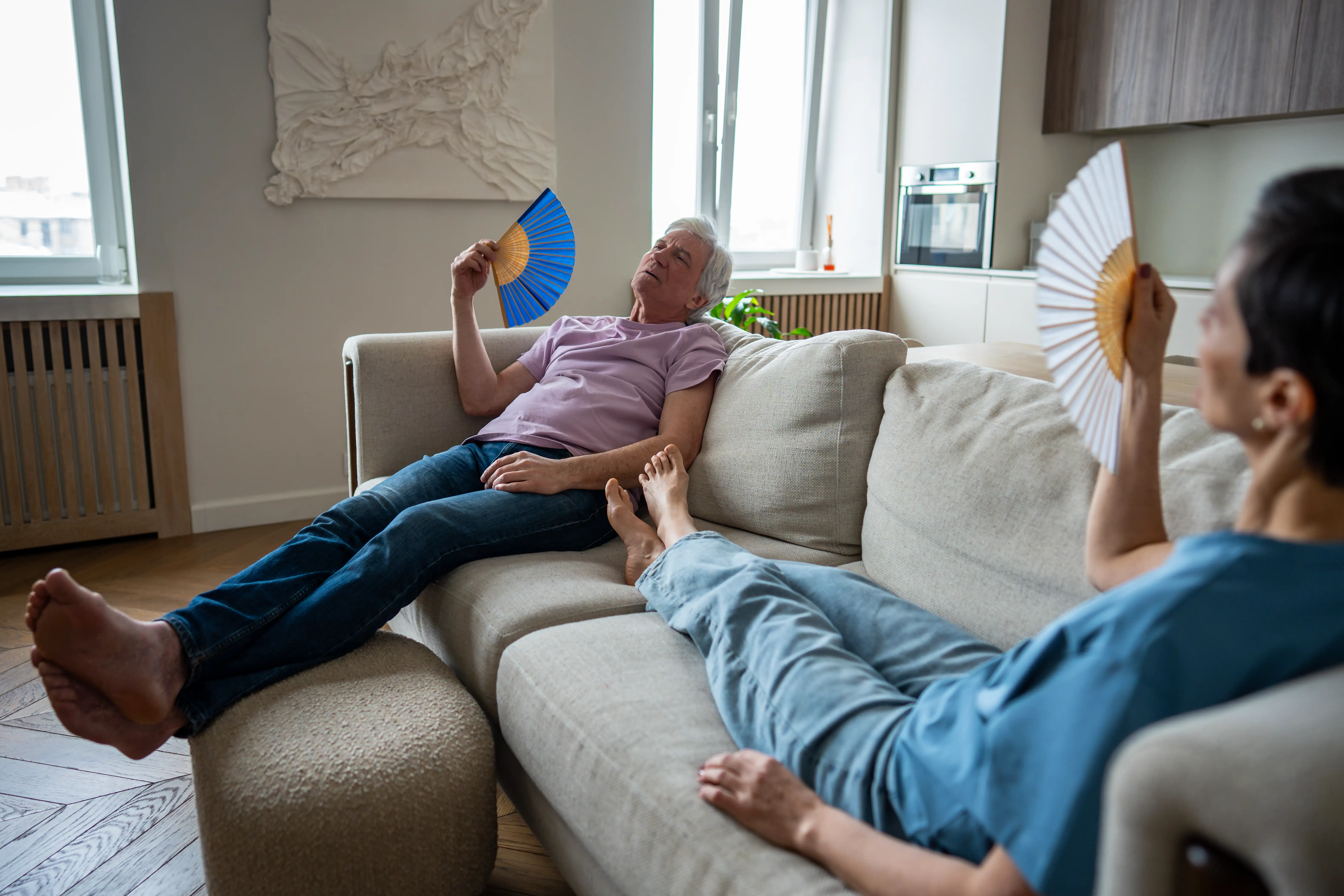
Although many research projects do focus on the ‘big ticket’ thermal performance improvements, like installing or modifying the insulation in external walls, or replacing windows to improve glazing and frames – these simple fixes can still help.
The She Lab (Sustainable and Heathy Environments Lab) at the University of Melbourne is working on a research project to better measure and understand the health and wellbeing outcomes of small, low-cost interventions, specifically in the homes of older Australians.
By learning through the lived experiences of older people in Melbourne, we’re aiming to bring together as much information as possible on what works (and what doesn’t) when it comes to our comfort and energy efficiency at home.