

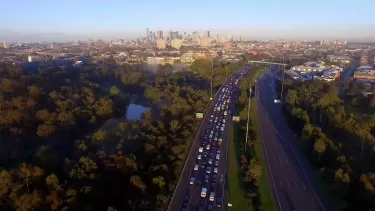
Soaring petrol prices are hurting more than your wallet
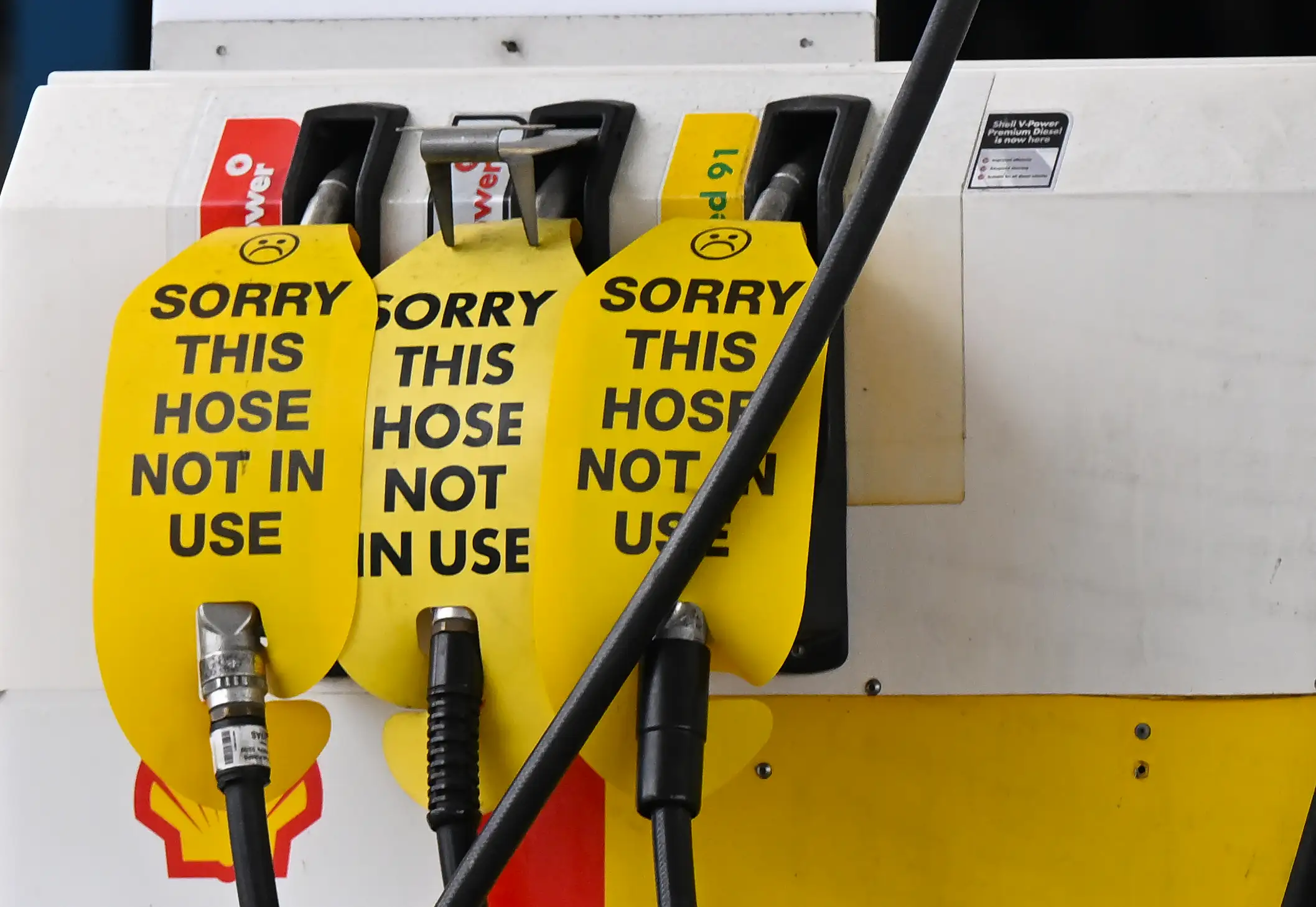
For car-dependent Australians, petrol isn't just a household expense, it's a lifeline. As the fuel crisis deepens, rising prices don't just strain budgets, they hit our wellbeing hard

Published 2 April 2026
Australians don't need an economist to tell them they're hurting at the petrol pump. They feel it every time they pull into a service station, every time they rethink a planned holiday, or every time they've had to squeeze another household bill to fill the tank.
But the cost of rising petrol prices isn’t only financial. It’s emotional, social and psychological too.

In his recent national address, Prime Minister Anthony Albanese urged Australians to go about their lives as normal but to be mindful of others – not to overfill at the bowser, and to take public transport where possible to preserve fuel for farmers, miners and shift workers who have no choice but to drive.
"It's the Australian way," he said, "that people want to do their bit."
My research, published in Energy Economics, found that every time petrol prices go up, people’s overall life satisfaction goes down.
And the numbers are more confronting than you might expect: an AU$1 increase in petrol prices causes the same amount of loss in wellbeing that an AU$3475 decline in monthly household income does.
Life feels worse
Drawing on 17 years of nationally representative Australian household data, my study finds that higher petrol prices are associated with lower subjective wellbeing, even after accounting for a wide range of socio-economic factors.
The key message is simple: rising fuel prices don’t just strain budgets, they make life feel worse.
That finding has become especially relevant again this year.
With the Middle East conflict continuing to rock global fuel markets, the Australian Competition and Consumer Commission (ACCC) has been issuing weekly updates to track the fallout.
Its most recent report, at the end of March 2026, found that international crude oil and refined fuel prices had climbed further – with retail petrol and diesel prices following suit, and diesel, in fact, rising faster than petrol.
At the same time, the Australian federal government announced it would temporarily halve the fuel excise for three months, a move expected to cut fuel prices by 26.3 cents a litre.
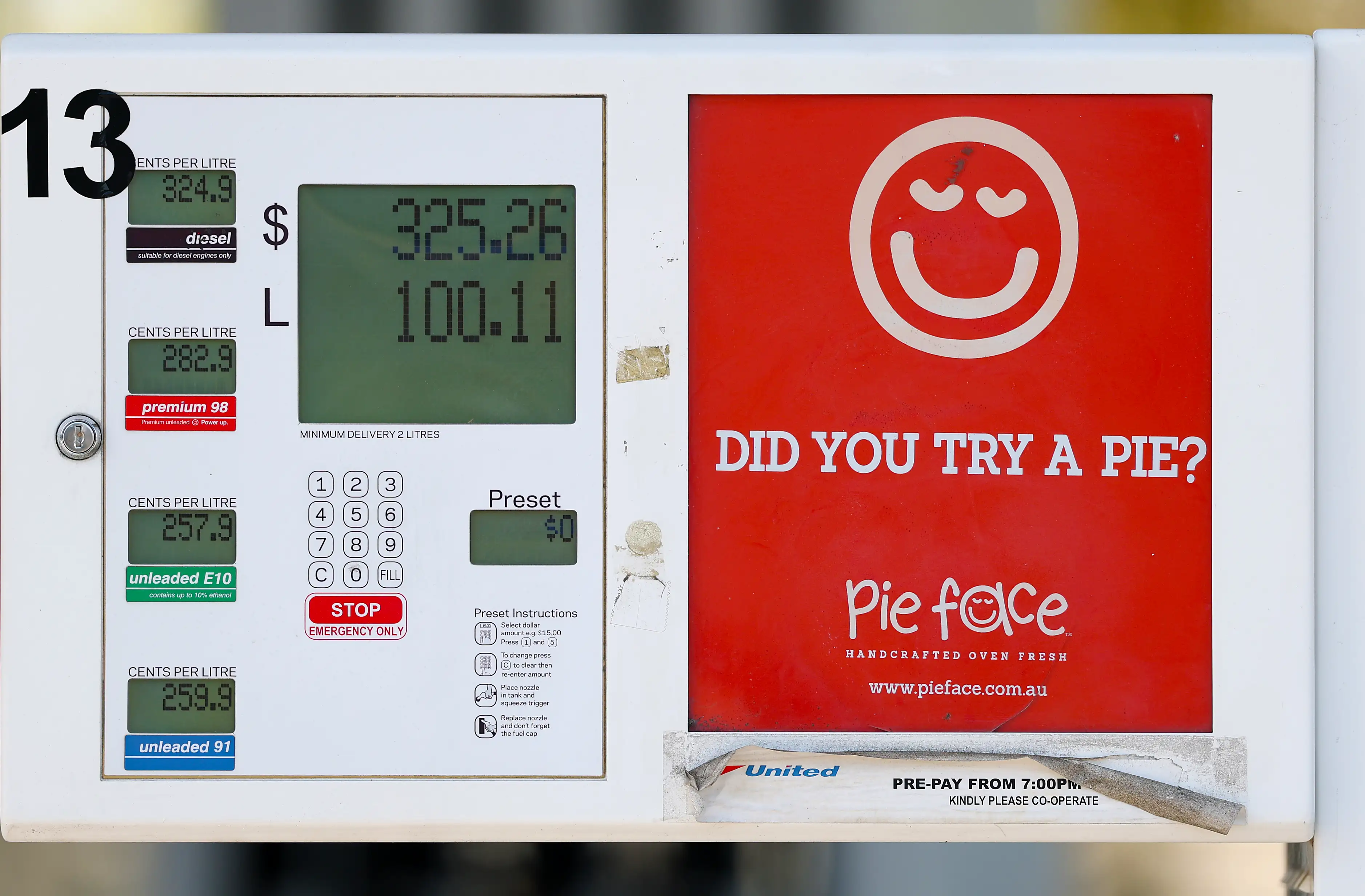
The measure is part of the Government's National Fuel Security Plan and builds on an earlier relaxation of fuel quality standards.
This is bigger than fuel prices
This current fuel crisis should push us to broaden how we think about cost-of-living stress. Too often, public debate treats fuel as just another line item in household expenditure.
But fuel is different.
For many Australians, especially those in outer suburbs, growth corridors and regional communities, petrol is what makes work, childcare, family visits, shopping, sport and social life possible.
When petrol prices rise sharply, it's not merely disposable income that's squeezed – but mobility, connection and peace of mind.
And that’s exactly what my research bears out.
Politics & Society
The Australia-EU trade deal runs deeper than tariffs
Rising petrol prices erode wellbeing partly by cutting into social connection – reducing how often people see extended family and keep in touch with friends, and it is that fraying of ties that helps explain the broader decline in life satisfaction.
This matters because wellbeing is deeply tied to our social relationships. If fuel becomes too expensive, many people do not simply spend more. They go out less, visit less and gradually become less connected.
Economic stress is the other mechanism at work here.
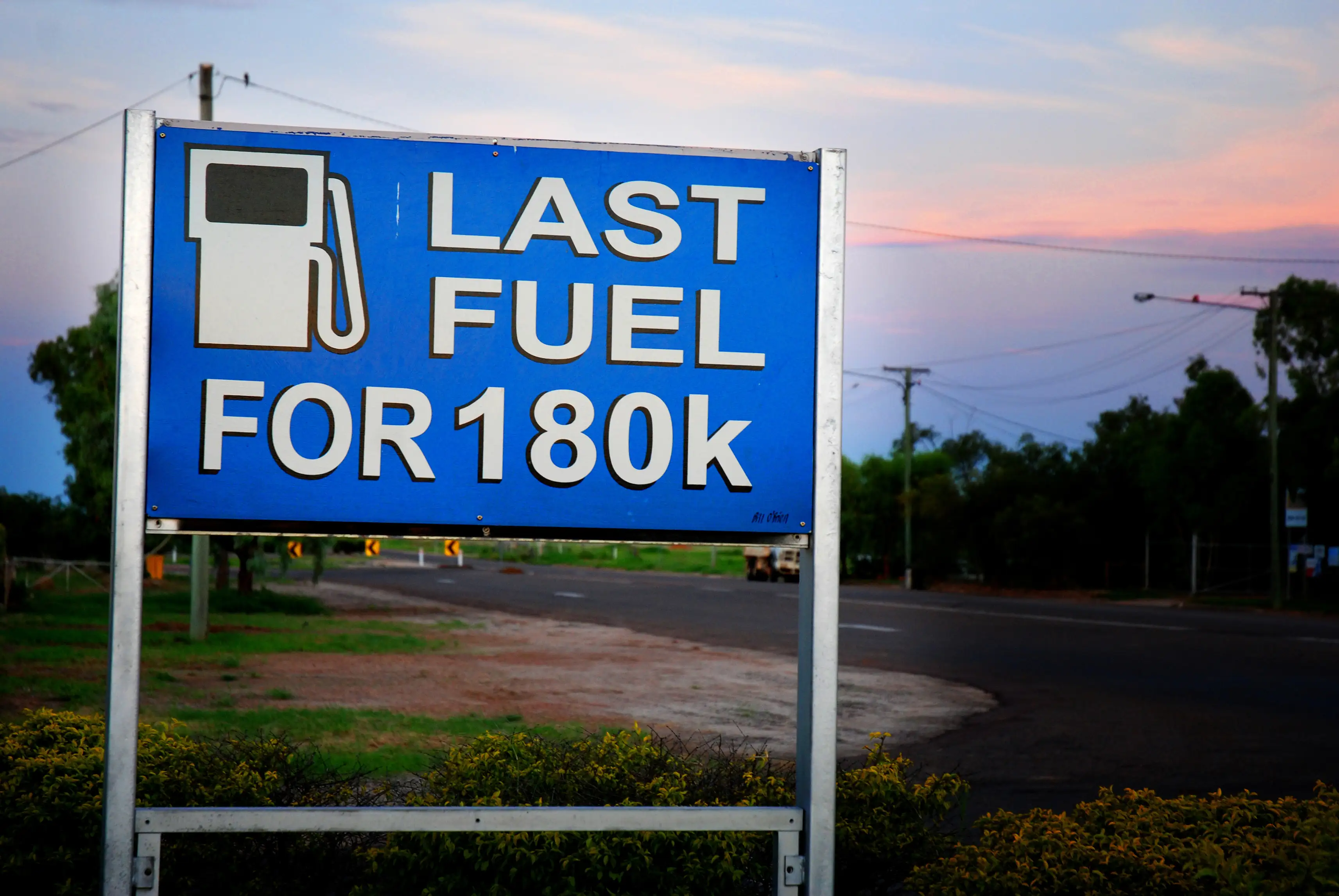
Petrol prices are uniquely visible – people don't need inflation data or economic forecasts to see that something is wrong.
The numbers are right there, in giant digits on roadside signs.
My study finds that rising petrol prices can heighten anxiety by signalling broader economic instability, which is why fuel price spikes can hit confidence and wellbeing even before households have had a chance to adjust their spending.
And the effects are not evenly shared. Some people are much more exposed than others.
Older Australians, lower-income households and those who rely heavily on cars for everyday travel bear the greatest wellbeing losses.
These effects are especially pronounced for older people and those below median income – which makes intuitive sense.
Older Australians often live on fixed incomes and have less room to absorb sudden cost shocks. Lower-income households already operate within tighter budgets, so a jump in fuel costs forces sharper trade-offs elsewhere.
And in places where public transport is limited or unreliable, people may have little choice but to keep driving and absorb the hit.
Putting a price on wellbeing
All of these reasons explain why the impact of fuel price hikes can be particularly severe in car-dependent Australia.
In many outer suburban and regional areas, driving is not a luxury. It is essential infrastructure in private form.
If someone has to drive to work, take children to school, attend medical appointments or care for family, then higher petrol prices function almost as a tax on participation in daily life.
The fewer viable alternatives, the bigger the damage to wellbeing.
My research aims to provide a practical way to understand the scale of this burden.

A 15.47 cent per litre rise in petrol prices generates a wellbeing loss equivalent to losing around AU$538 in monthly household income.
Scaled up, this means a AU$1 increase in petrol prices is equivalent to roughly AU$3,475 in lost monthly household income.
This is roughly around two per cent of average life satisfaction.
This tells us something important. Fuel price shocks are not minor irritants, they can produce wellbeing losses on a scale comparable to major financial setbacks.
Australia’s policy response must get this right
For some Australians, how policymakers respond to this crisis will be make or break.
Firstly, they should consider fuel affordability as a wellbeing issue, not just a household budget issue.
Business & Economics
How tacit collusion makes consumers pay
When assessing cost-of-living pressures, governments should look beyond inflation and spending capacity to consider the toll on mental health, stress and social connection.
Rising petrol prices can quietly erode quality of life long before the damage shows up in conventional policy metrics.
Secondly, broad relief measures can help in an emergency, but long-term resilience requires reducing car dependence.
Better public transport, more connected suburbs, improved regional mobility and urban planning that shortens necessary travel would all help buffer households from future fuel shocks.
The more Australians have transport choices, the less exposed their wellbeing is when global oil markets turn volatile.

This matters all the more because Australia is far removed from the source of the shock and has little control over it – but households bear the consequences all the same.
Finally, policy support should recognise that the burden falls unevenly.
Older Australians, low-income households and car-dependent communities need particular attention and targeted support will do far more for wellbeing than a one-size-fits-all approach.
Fuel prices are often discussed as if they only matter because they change what households can buy. But they also change what households can do, who they can see and how secure they feel.
In that sense, petrol prices are not just an economic variable, they are part of the architecture of everyday wellbeing in Australia.
As the current fuel crisis reminds us, the real price of petrol is higher than the number on the bowser.