Politics & Society
Negotiating trade post-Brexit


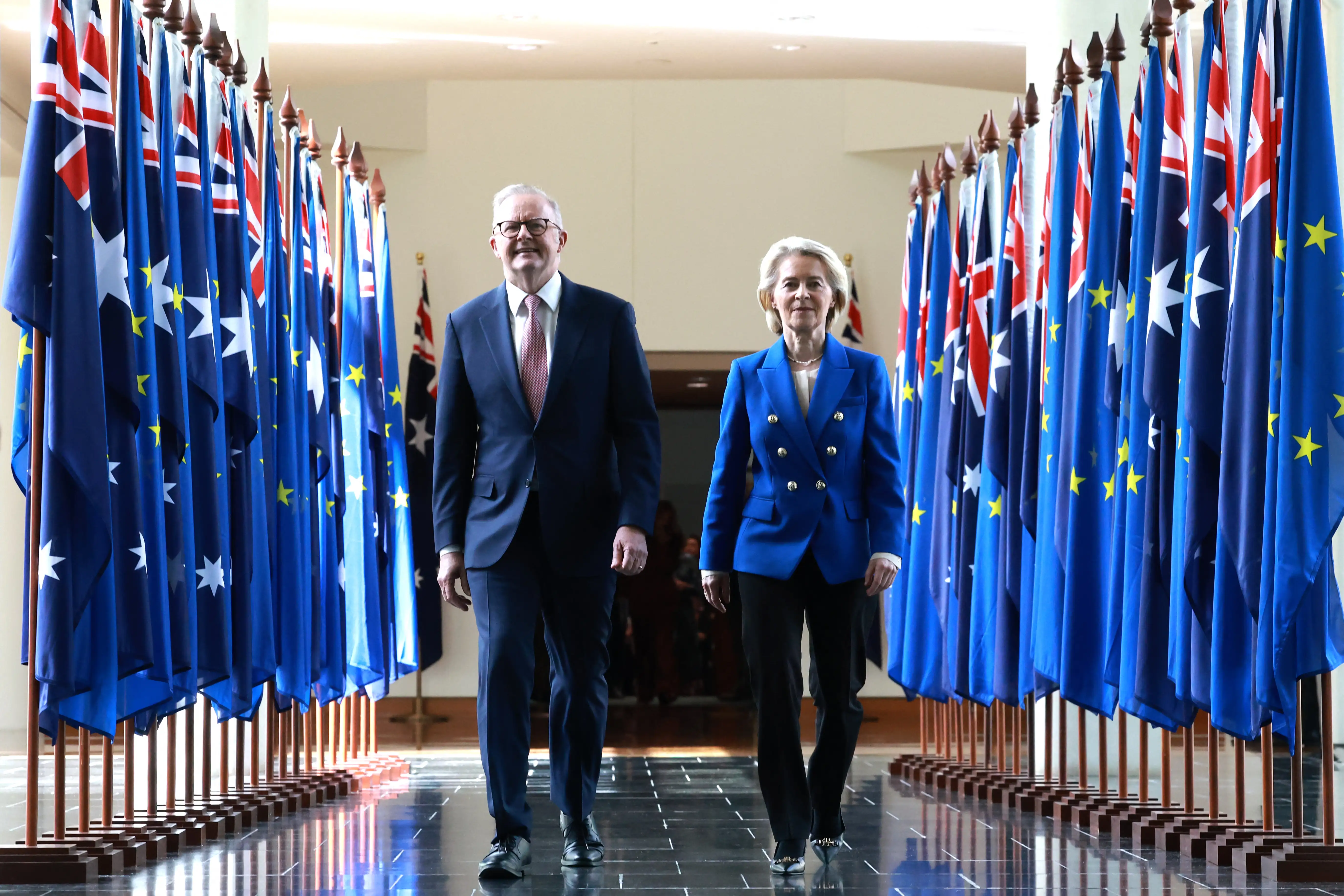
After a decade of negotiations, Australia and the EU have finally struck a deal. But beyond the tariffs lies something more consequential – a quiet reshaping of democratic alignment in an unstable world

Published 30 March 2026
After nearly a decade of stop-start negotiations, Australia and the European Union have finally done it.
The signing of a free trade agreement (FTA) this week (alongside a new security partnership) marks one of the most consequential shifts in Australia’s international relationships in a generation. But to understand what this deal really means, you have to look well beyond the tariff schedules.

At its core, the Australia-EU FTA is designed to dismantle barriers to trade across a vast range of goods and services between Australia and a market of 450 million consumers.
More than 99 per cent of existing tariffs on European goods will be dropped. For Australian exporters, the FTA also means significantly improved access to one of the world’s wealthiest trading blocs.
Critical minerals (lithium, cobalt and rare earths) feature prominently, giving Europe a more secure supply chain as it races to reduce its dependence on China for the raw materials needed for both the green energy transition and defence manufacturing.
There are wins on both sides of the negotiating table.
Politics & Society
Negotiating trade post-Brexit
Australian producers will retain the right to use some contested geographic names (think prosecco, parmesan, but not feta – the original feta, spelled with a single ‘t’) that European producers had been pushing hard to monopolise.
A compromise on Australia’s luxury car tax keeps European manufacturers broadly satisfied without a full capitulation from Canberra, and Australians will be able to purchase electric vehicles without paying the old 33 per cent tax.
New labour mobility arrangements will make it substantially easier for Australians on working visas to move between EU countries, and vice versa.
The red meat outcome, however, is the deal’s most visible bruise.
The EU’s offer of roughly 30,000 tonnes of tariff-free beef annually falls well short of the 50,000 tonnes of beef and 67,000 tonnes of lamb the National Farmers Federation (NFF) had been pushing for.
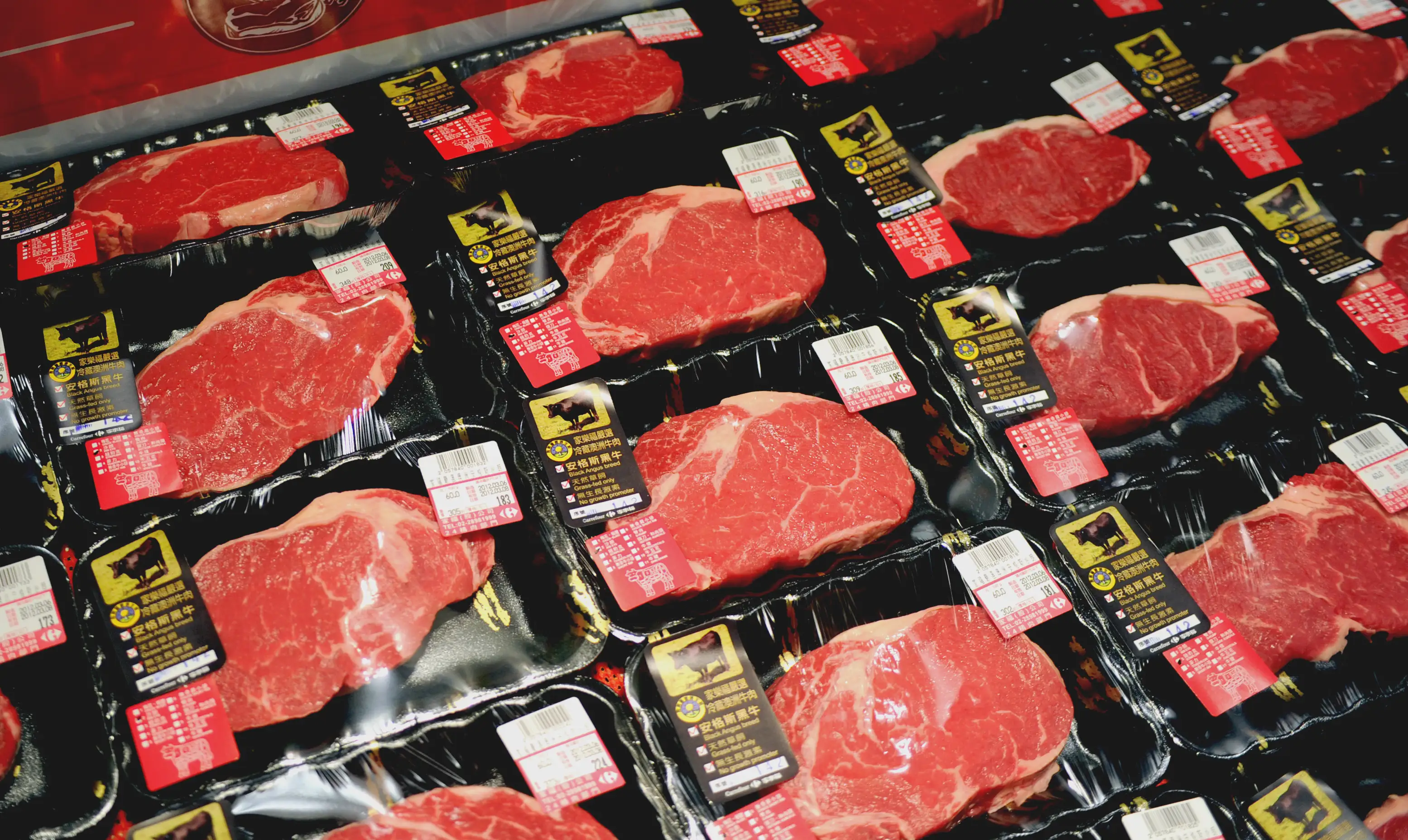
The NFF’s warning that “no deal is better than a bad deal” reflects genuine frustration from a sector that has waited years for meaningful access and may feel it has been traded away for progress elsewhere.
This tension will not disappear overnight.
It would be a mistake to read this deal in isolation from the broader rupture in the global trading system being driven by the Trump administration.
Washington’s escalating assault on multilateral trade norms (through aggressive tariffs, unilateral trade actions and a studied contempt for the World Trade Organization’s (WTO) framework has created both pressure and opportunity for countries like Australia.
Business & Economics
Trump, tariffs and the implications for Australian supply chains
For decades, Australia’s trade architecture leaned heavily on its alliance with the United States and its deep economic ties with Asia.
The EU was always the conspicuous gap. Filling that gap now, at this precise moment, is a significant act of strategic diversification.
It signals that Canberra is unwilling to leave its trade future hostage to the unpredictability of any single partner, including its most important security ally.
But this is not a pivot away from the United States.
The ANZUS alliance, AUKUS and the Five Eyes intelligence partnership are not going anywhere.
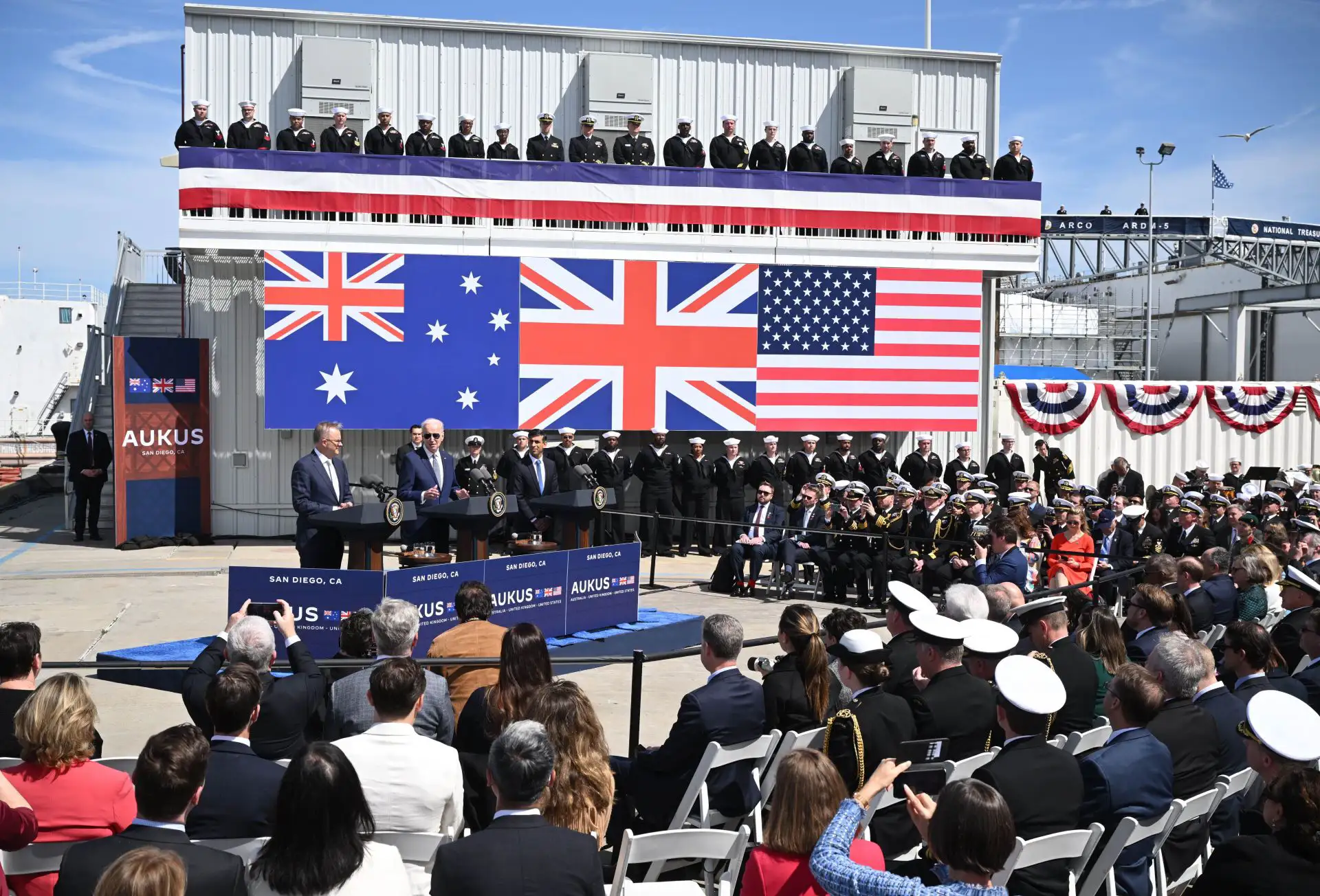
But it is a quiet, deliberate statement that Australia is building resilience into its international relationships (economic, strategic and diplomatic) in ways that would have seemed less urgent just a few years ago.
Zoom out further, and the Australia-EU FTA is part of a broader pattern that deserves serious attention.
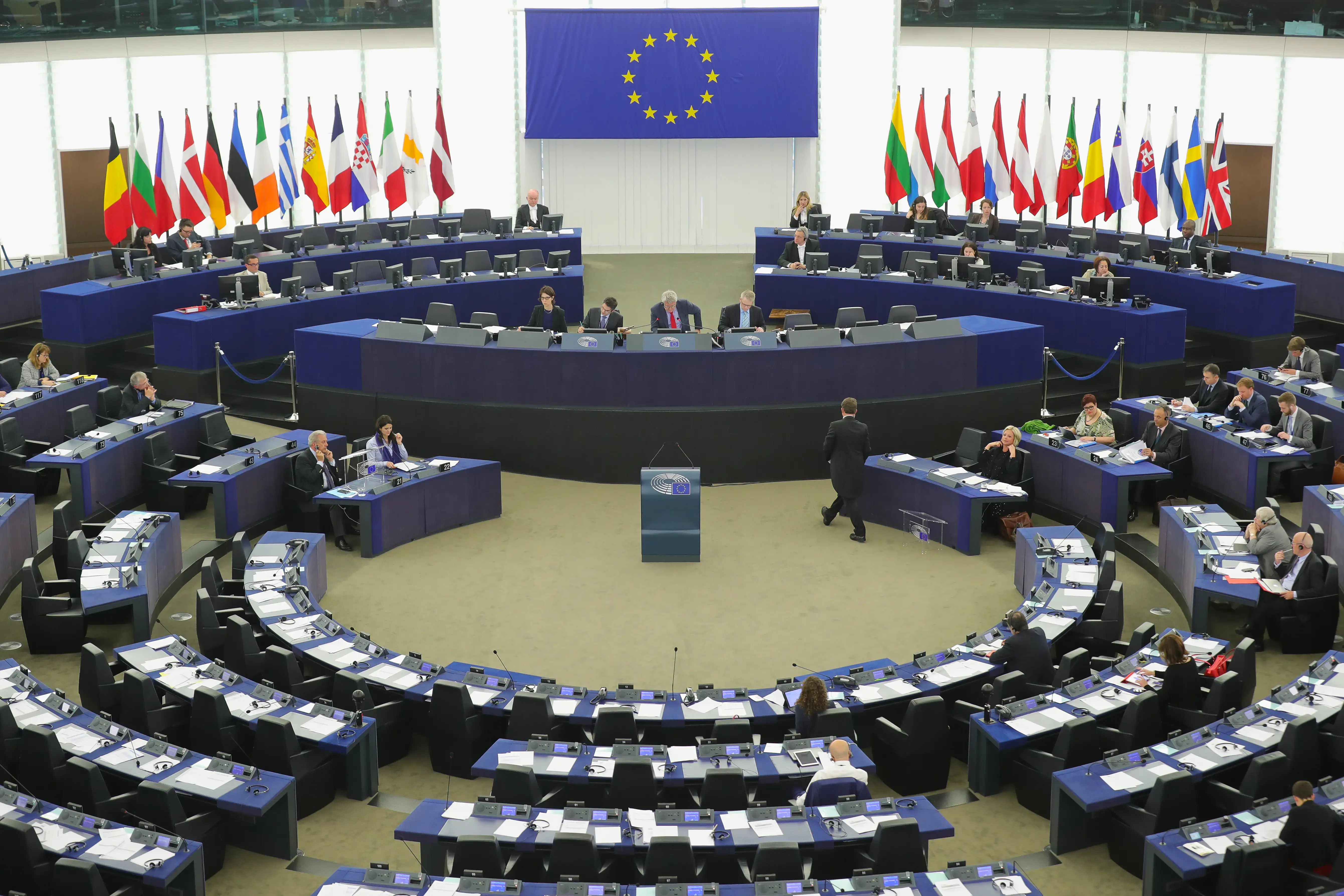
The European Union has been systematically expanding its web of bilateral partnerships (with Canada, Japan, South Korea, India, Indonesia and now Australia) while simultaneously deepening its engagement on security matters through non-binding but symbolically significant partnership agreements.
This is not accidental.
Politics & Society
The US Supreme Court has curtailed what Trump can do in the world
It reflects a considered EU strategy, driven largely by Commission President Ursula von der Leyen, to position Europe as a pole of stability and rules-based order in a world where the traditional guarantors of that order are increasingly unreliable.
Her address to the Australian federal parliament (the first by a female foreign leader) underlines just how much political weight both sides are attaching to this moment.
For watchers of international relations, what is emerging looks less like a conventional trade story and more like the early architecture of a new alignment: democratic, multilateralist and oriented around shared vulnerabilities, including the authoritarian pressures from Russia and China, climate change, supply chain fragility and the unpredictability of an inward-looking United States.
One aspect of the deal that has received less attention than it deserves is what closer Australia-EU ties mean for research and innovation collaboration.

Australia is in the process of fast-tracking its associate member status in Horizon Europe, the EU’s flagship research and innovation programme, alongside ratifying the FTA.
For Australian universities and research institutions, this opens pathways to collaborative funding, joint projects and researcher mobility that were previously difficult to access.
For European partners, Australia brings distinctive capabilities in areas ranging from clean energy to biosecurity to Indigenous knowledge systems.
The research dimension of this partnership is not a footnote – it is one of its most durable, long-term assets.
This is where I want to make a slightly different argument, one that examines how governments in Australia and Europe design and sustain long-term public policies.
Politics & Society
Is the US Government handing its tariff decision making to AI?
Trade agreements are, by their nature, long-term governance instruments. They lock in rules, norms, and expectations across electoral cycles, across governments of very different political stripes and (as the NFF rightly notes) across generations.
The choices embedded in this FTA will shape the Australia-EU relationship for decades.
That means the imperfections in the red meat chapter, the compromises on geographical indications, the labour mobility arrangements – all of these are not just today's headlines, they are the baseline from which future policymakers will negotiate.
What long-term policy-making asks us to consider is whether the institutions and processes that produced this agreement are genuinely capable of anticipating long-term consequences, or whether short-term political pressures have shaped an outcome that future generations will need to revisit.
A “generational deal”, as the NFF calls it, demands generational thinking. The question is whether it received it.
The Australia-EU FTA is a genuine achievement.
After almost ten years of negotiations, it is a testament to diplomatic persistence, to the value of rules-based trade and to the capacity of democracies to find common ground even under significant external pressure.
But celebrating a milestone and scrutinising it carefully are not mutually exclusive activities.
The deal struck is the beginning of a deeper relationship, not its conclusion.
Nurturing that relationship (through research collaborations, people-to-people ties, strategic partnerships) is the work of the years ahead.
For those of us who study the long game of public policy, that is where the real story begins.
Dr Benjamin Leruth was recently awarded the EU-funded Jean Monnet Chair in Public Policy for his project, Long-Term Policy-Making in Europe and Beyond.