

The silence of Australia and its European allies on Venezuela is making the world a more dangerous place
The failure to condemn the illegality of the Trump administration’s assault on Venezuela is also an assault on international law

Published 6 January 2026
Globally, experts have unanimously stated that the United States military operation in Venezuela on 3 January was illegal under international law.
And many have rightly argued that this is yet another attack on international law by a Trump administration that has little regard for global norms.
But less has been said about the failure of influential democracies like Australia, France, Britain and Germany to clearly and strongly condemn the use of force as illegal under international law.
The silence of these nations reinforces the Trump administration’s assault on international law and will make the world a more dangerous place.
Enforcing international law
There have long been sceptics of international law. But international law is not ‘dead’ or ‘irrelevant’ when it is violated, even when it’s by powerful nation-states like the United States.
Breaches of law are normal in any legal system. In fact, they are expected or there would be no need for a legal rule.
But unlike domestic legal systems, there is no sovereign court or institution that enforces international law. Instead, it is enforced by the conduct of the primary actors in the international legal system: nation-states.
If these nation-states want to live in a rules-based order, their actions and statements must make it clear what the law is.
A key aspect of this is clearly and directly condemning violations of international law.
Article 2(4) and a more peaceful international system
The use of force in international relations is prohibited in Article 2(4) of the United Nations Charter.
This provision states that “[a]ll members shall refrain … from the threat or use of force against the territorial integrity or political independence of any state".
The use of force can only be lawful in three cases: 1) if supported by a resolution from the UN Security Council; (2) if the state using force was acting in self-defence; or (3) there was consent by the lawful government.
This all sounds very legalistic. But Article 2(4) is more than just a technical legal rule. It reflects an ambitious centuries-long attempt to reduce the use of force in international relations.
This attempt begun with the 1928 Kellogg-Briand Pact, which outlawed war as an instrument of national policy.
At the time, this was a revolutionary change: for the centuries before, the use of force had been a legal way of resolving disputes between states.
This rule failed during the 1930s and 1940s, as German and Japanese imperialism triggered World War II.
But after WWII, this rule against the use of force became a foundational part of the United Nations Charter and its goal of saving “succeeding generations from the scourge of war, which twice in our lifetime has brought untold sorrow to mankind”.
Politics & Society
How do you judge tough military decisions?
Is the rule against the use of force failing?
Almost since its inclusion in the Charter, there have been claims that this rule is failing.
For instance, in 1970, an influential American international law professor famously asked Who killed Article 2(4)?.
But claims about the ‘death’ of Article 2(4) were incorrect. In fact, empirical research has suggested this norm has been effective in reducing the use of force in the international legal system.
In recent decades, we have seen renewed claims about the death of Article 2(4). But evidence once again suggests that there is still some life left in this norm.
We can see this in the most brazen assault on Article 2(4) since World War II – Russia’s full-scale invasion of Ukraine in 2022.
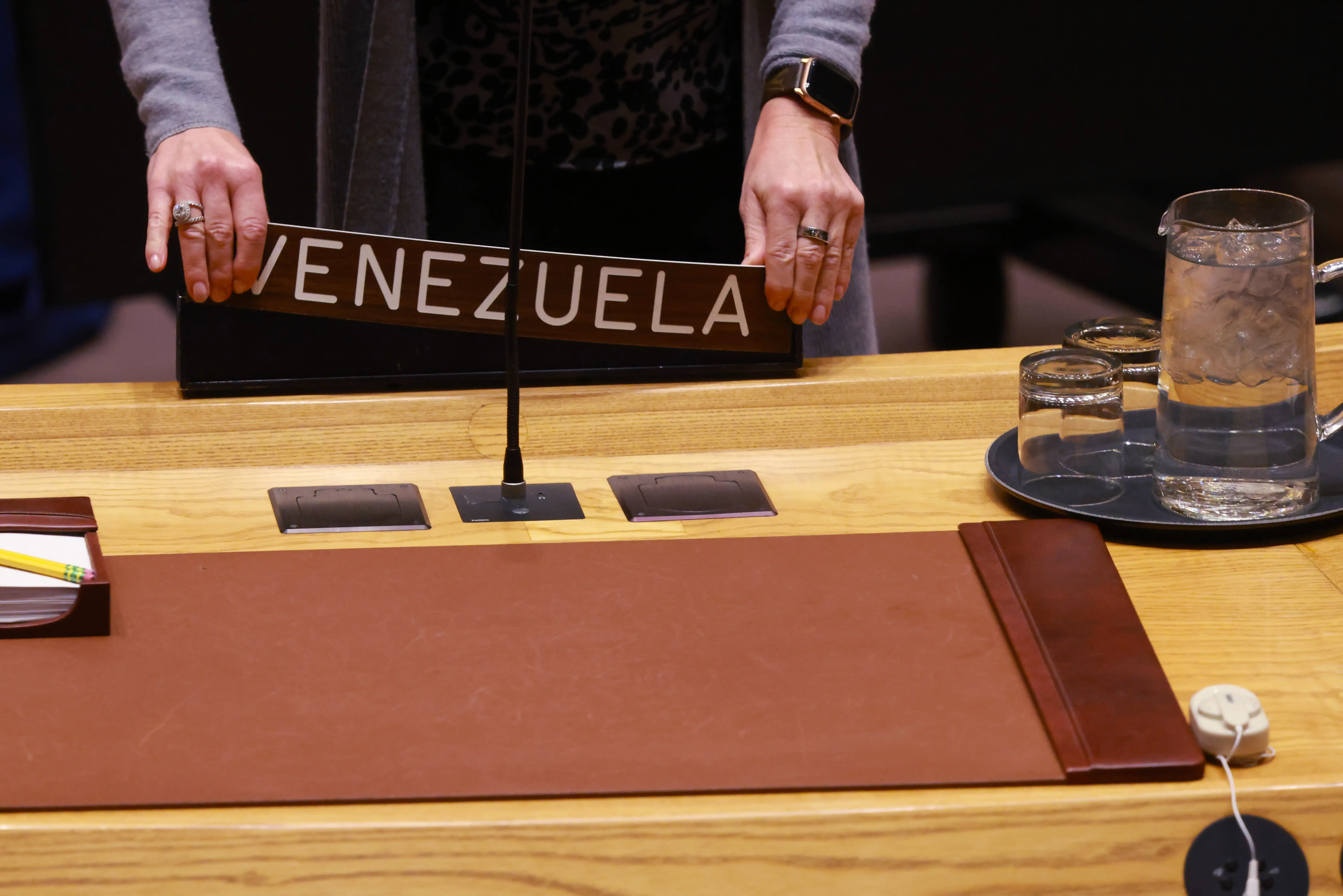
Russia’s imperialistic use of force in Ukraine was met with swift collective action by the international community. The Security Council met three days after the invasion and, despite a Russian veto, immediately called an emergency Session of the United Nations General Assembly.
It was here that a vast majority of nation-states voted to endorse a resolution that: “Deplores in the strongest terms the aggression by the Russian Federation against Ukraine in violation of Article 2 (4) of the Charter”.
Since then, Australia and its European allies have played a key role in supporting a range of other legal mechanisms seeking to hold Russia accountable for its violation of international law.
The Venezuela military operation
The response to the United States’ use of military force in Venezuela, however, tells a less optimistic story.
Politics & Society
Is the world suffering from treaty fatigue?
Australia and its European allies have refused to clearly and explicitly condemn the United States’ use of force in Venezuela.
They have instead chosen to focus on Nicolás Maduro’s corrupt and illegitimate dictatorship.
France's President, Emmanuel Macron, made no mention of international law in his response, calling instead for the “upcoming transition” to “be peaceful and democratic”.
The Australian Prime Minister, Anthony Albanese, also failed to mention the legality of the military operation, calling for “dialogue and diplomacy in order to secure regional stability and prevent escalation”.
The British Prime Minister Keir Starmer, a human rights lawyer, has also refused to condemn the attacks as illegal under international law, instead seeking to “establish the facts”.
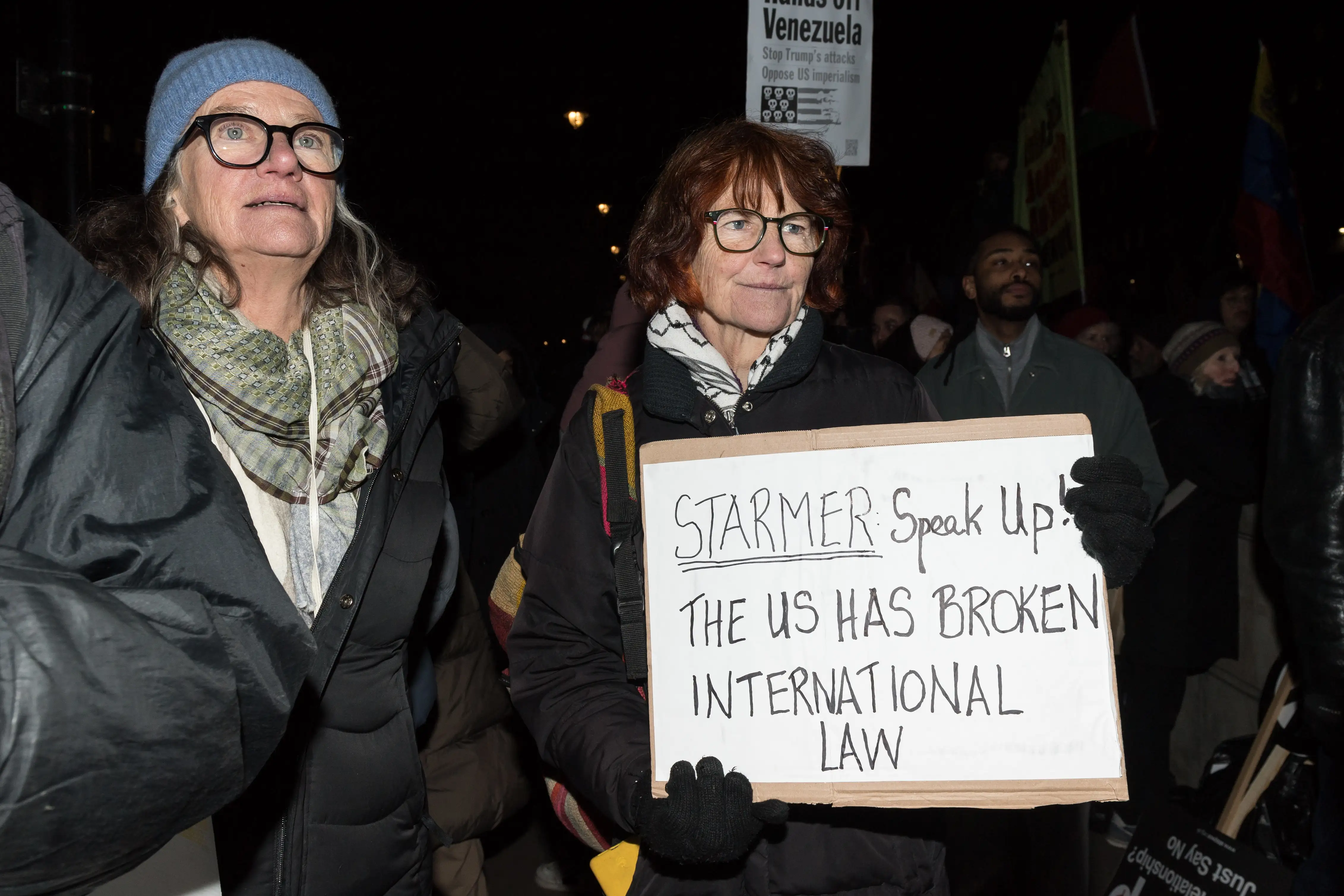
German leader Friedrich Merz said the legal assessment of the US operation is complex and “we will take our time” to evaluate it.
At a Security Council meeting in early January, France and Britain again focused on the illegitimacy of Maduro’s leadership and failed to clearly condemn the United States’ use of force in Venezuela.
They are right to highlight that Nicolás Maduro and his regime were both illegitimate and dictatorial.
But acknowledging this point does not absolve Australia and its European allies of their broader responsibility to openly and clearly condemn the violation of a foundational rule of international law.
Words and statements matter in international law. In fact, they are the primary means by which states create, interpret and agree to be bound by legal obligations.
If Australia and its European allies continue their silence, it will not just be the Trump administration that is responsible for the death of Article 2(4) – they too will be helping to create a more dangerous and violent world.