
Politics & Society
Building faster isn’t building better


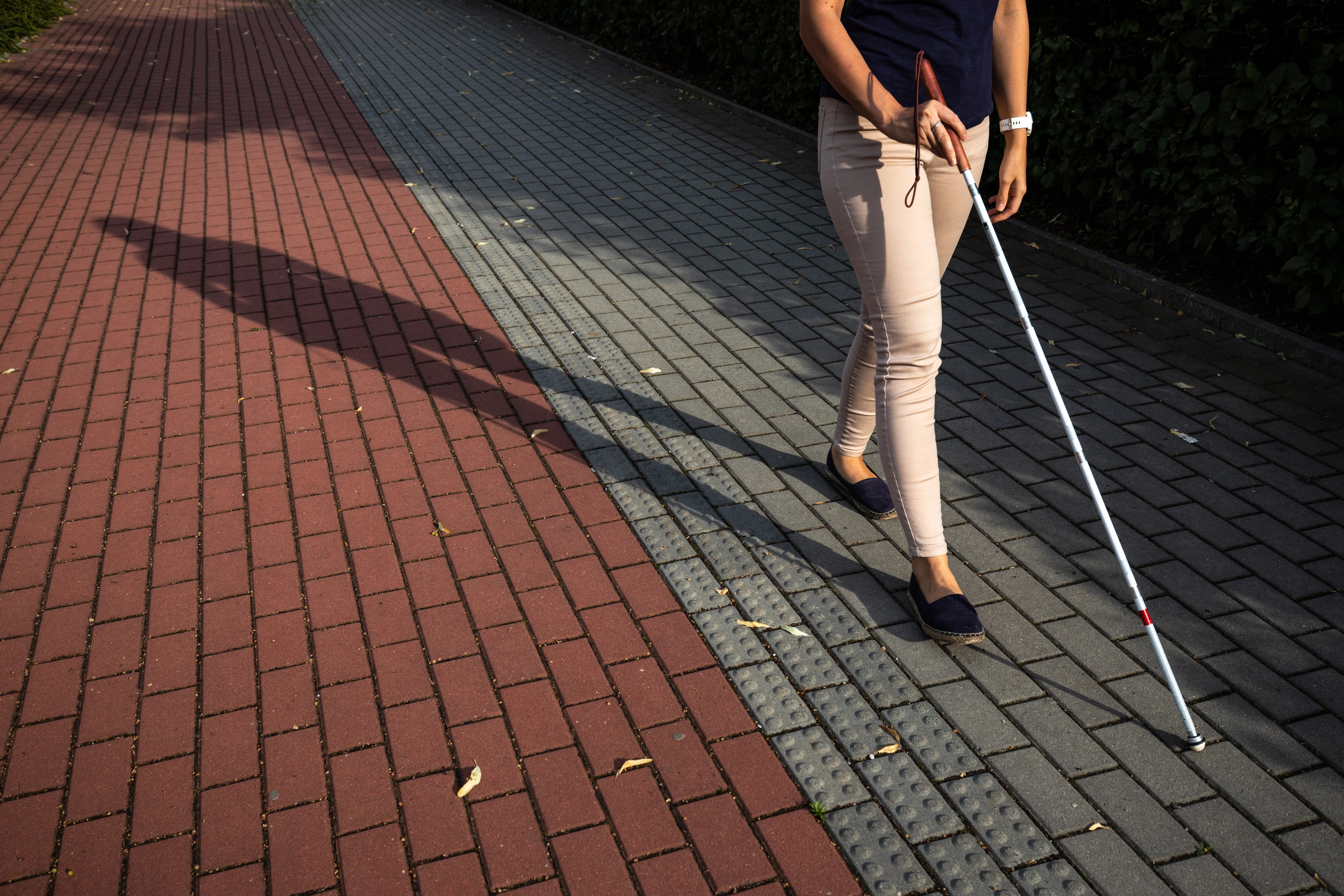
We call out certain acts of violence like racism and sexism, but when it comes to ableism, do we let too much slide? In architecture, we think the answer is yes


Published 2 December 2025
Outdated models of disability still dominate thinking in our built environment. Approaches grounded in old medical and charity models of disability have long reinforced a status quo trapped in hundred-year-old thinking – and it shows.
Our cities are not only inequitable for people with disability, but they’re also hostile.
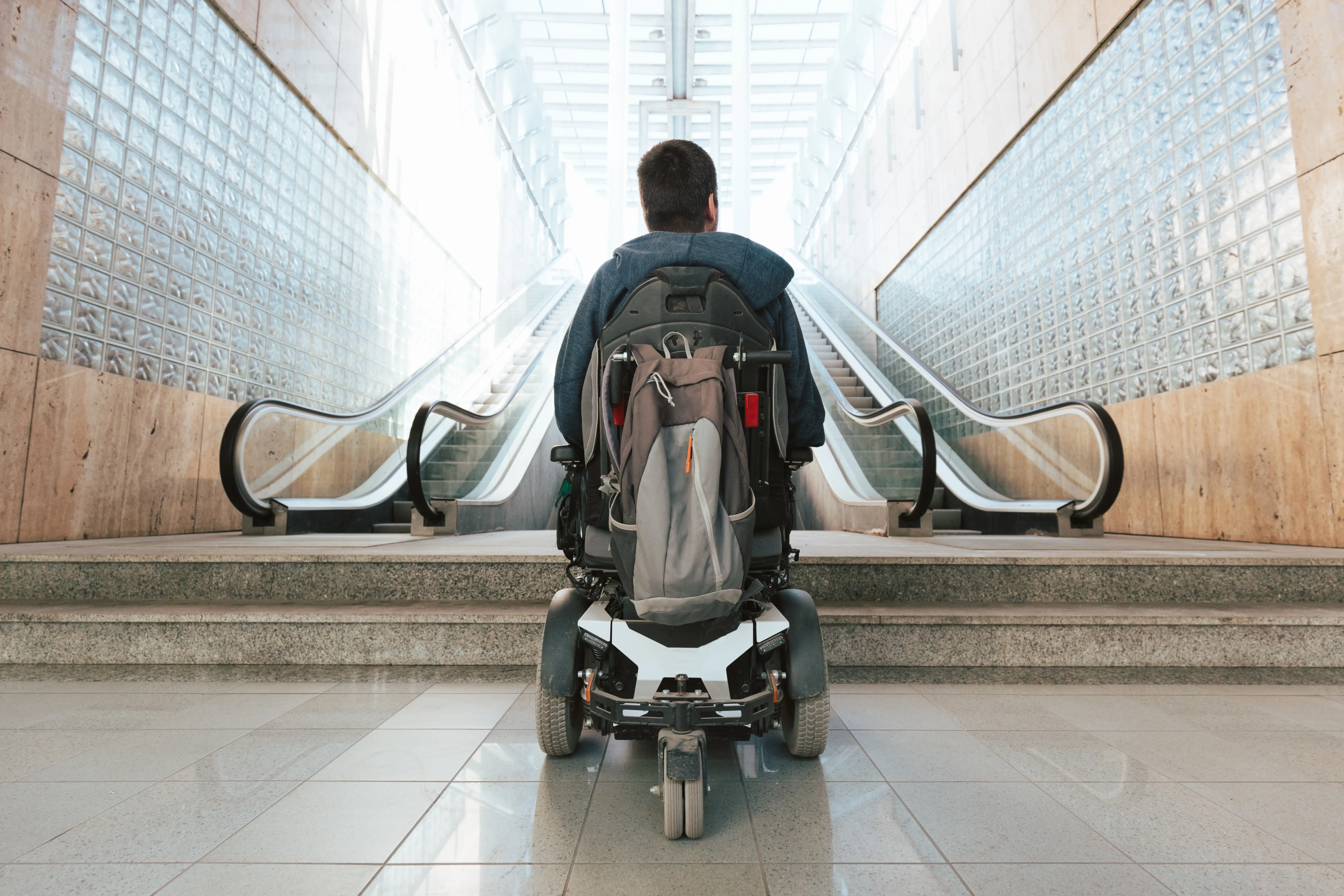
This year, for International Day for People with Disability, we want to discuss a reality that many people living with disability face.
Across the built environment, urbanism, geography and architecture conferences, disability is often missing. Most alarming is its absence from forums that aim to tackle issues of social justice.
Rather than considered as a keynote topic, disability is frequently sidelined, missing the opportunity to have important discussions about how to make the world more just for people with disability.
Disability is one of the largest and most diverse ‘minority’ identities, representing at least one in six people globally. Even more if we include psycho-social disabilities and disabling chronic illness.
Politics & Society
Building faster isn’t building better
Another way to understand this is to think of the population as two groups: those with a disability and the not-yet-disabled. Because disability can affect anyone, at any age, a significant proportion of the community will be impacted by ableist built environments.
Disability exclusion or discrimination is often talked about in abstract terms, dismissing the real experience of people with disability.
In the built environment, this exclusion is perpetrated by an inanimate object or system, making it more complicated to fix, responsibilities harder to determine and the root cause difficult to uncover.
The process of addressing the problem can become so removed from the initial experience, that it can seem benign. But the experience for many people, is one of violence.
The concept of structural violence helps explain this.
Unlike personal violence – structural violence is indirect and perpetrated through systems and objects like buildings. It can go unnoticed, even to those affected, but it causes no less suffering.
Its silent and persistent nature also makes it slippery and evasive for those trying to solve it, particularly when it comes to architecture and urban design.
Yes, it’s violence. And one of us – Sheelagh, a Gomeroi woman with low vision – experienced this at a recent conference.
Picture this: you finally arrive at a venue, but the journey was anything but easy.
Health & Medicine
Is life getting better for people with disabilities?
The hotel lift doors close so quickly, it makes you worry that someone or something might get stuck. The treads on the unpainted escalators appear as grey and silver streaks as they whiz past - a vibrating blur.
Outside, years of movement have left the concrete a muddle of sharp slopes and sudden rises. You feel them poking through the soles of your shoes.
Tracing the cracks and bulges with your cane – the red and white, the steady tap – carefully placing your feet around the obstacles.
A colleague calls out – “let’s go through the park, it looks beautiful”.
But her enthusiasm masks the invisible challenge ahead. You agree, a stroll through the park sounds pleasant enough. How bad can it be?
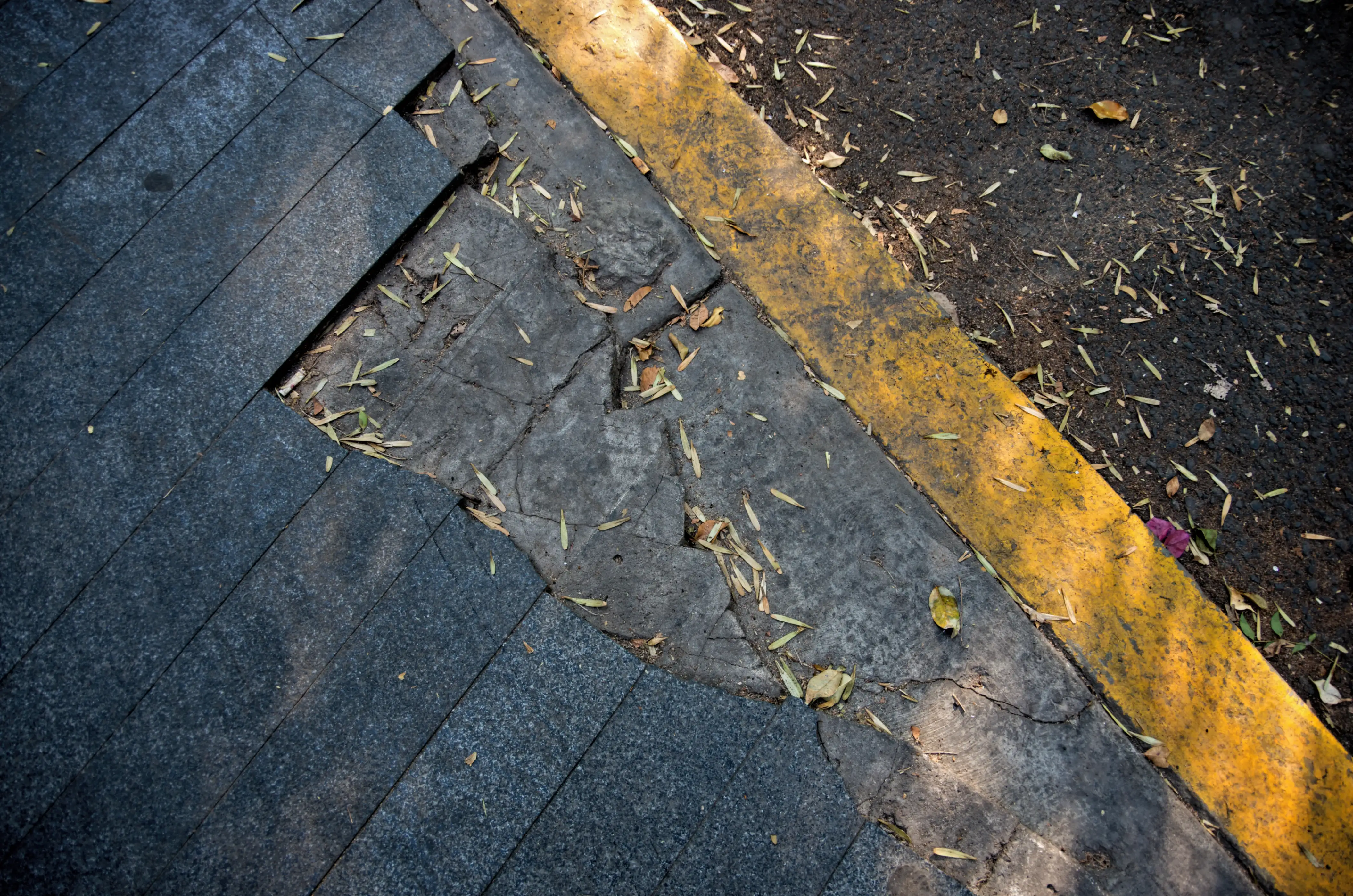
It turns out it can be bad.
The park, surrounded by steep embankments, can only be reached by climbing disintegrating stairs or navigating bumpy, aging bitumen paths.
Your hip and recently recovered broken foot scream at the thought of the first stair, but you grit your teeth.
By the end of the park, your hip is aching, foot resisting and lungs ballooning.
But finally, you’ve arrived.
Politics & Society
It’s time to make waves in beach accessibility
Now all you need to do is register with 30 minutes before the opening address. Time for coffee. A premature celebration.
As you enter the building, a harsh glare pours through skylights and full glass walls. Sunlight streaks across the floor, distorting depth and making the ground appear to shift beneath your feet.
Your eyes water - an automatic photophobic response – as you blink and squint, pushing the moisture away.
The noise of the arriving delegates is deafening. Their voices bounce and echo off the windows, floor and ceiling. You supress your rising anxiety and try to get on with things.
Where’s the registration desk? You pause, listening carefully for sounds of welcome.
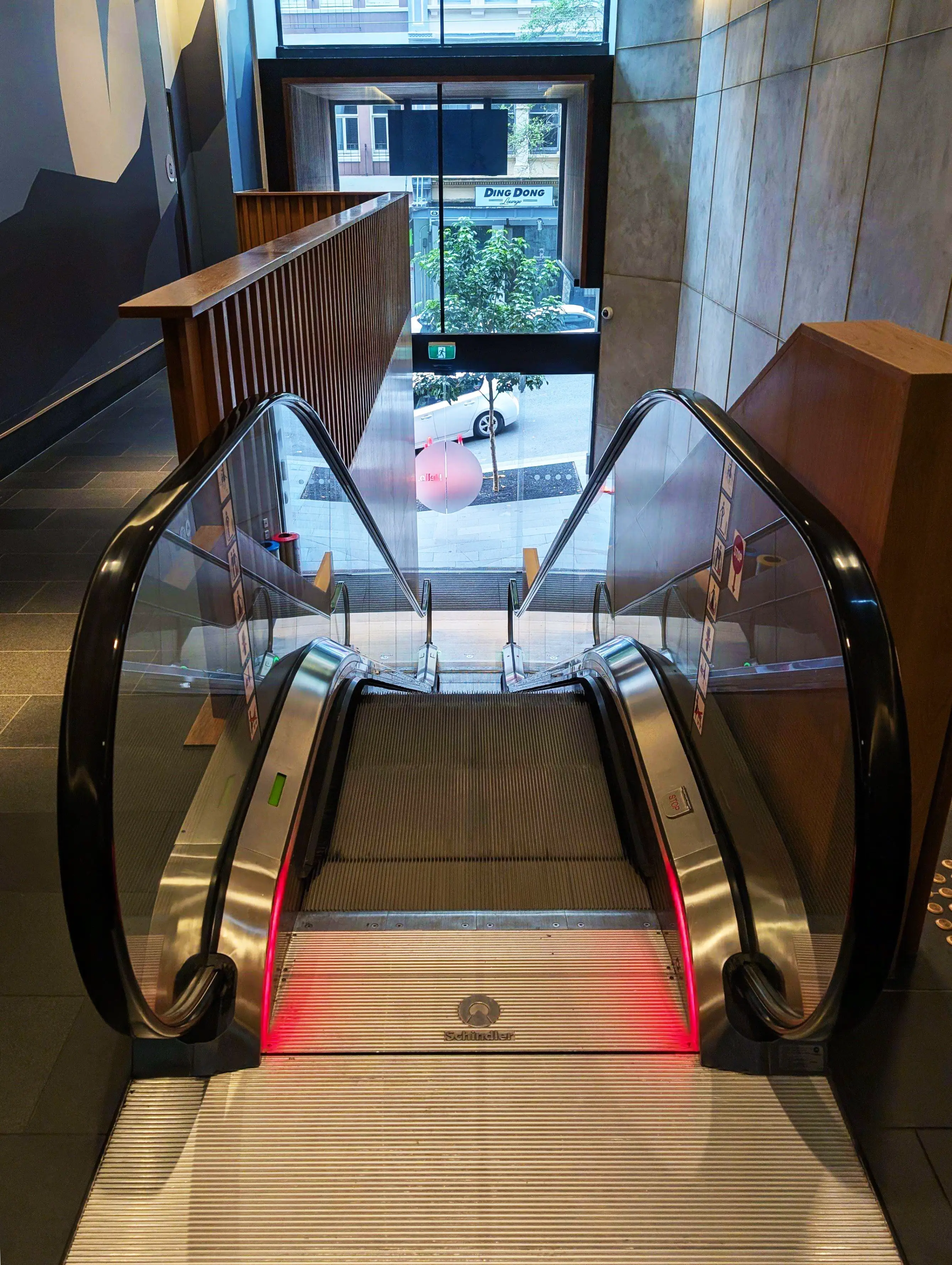 Unpainted escalator treads can appear as a vibrating blur for those with vision impairment. Picture: Supplied
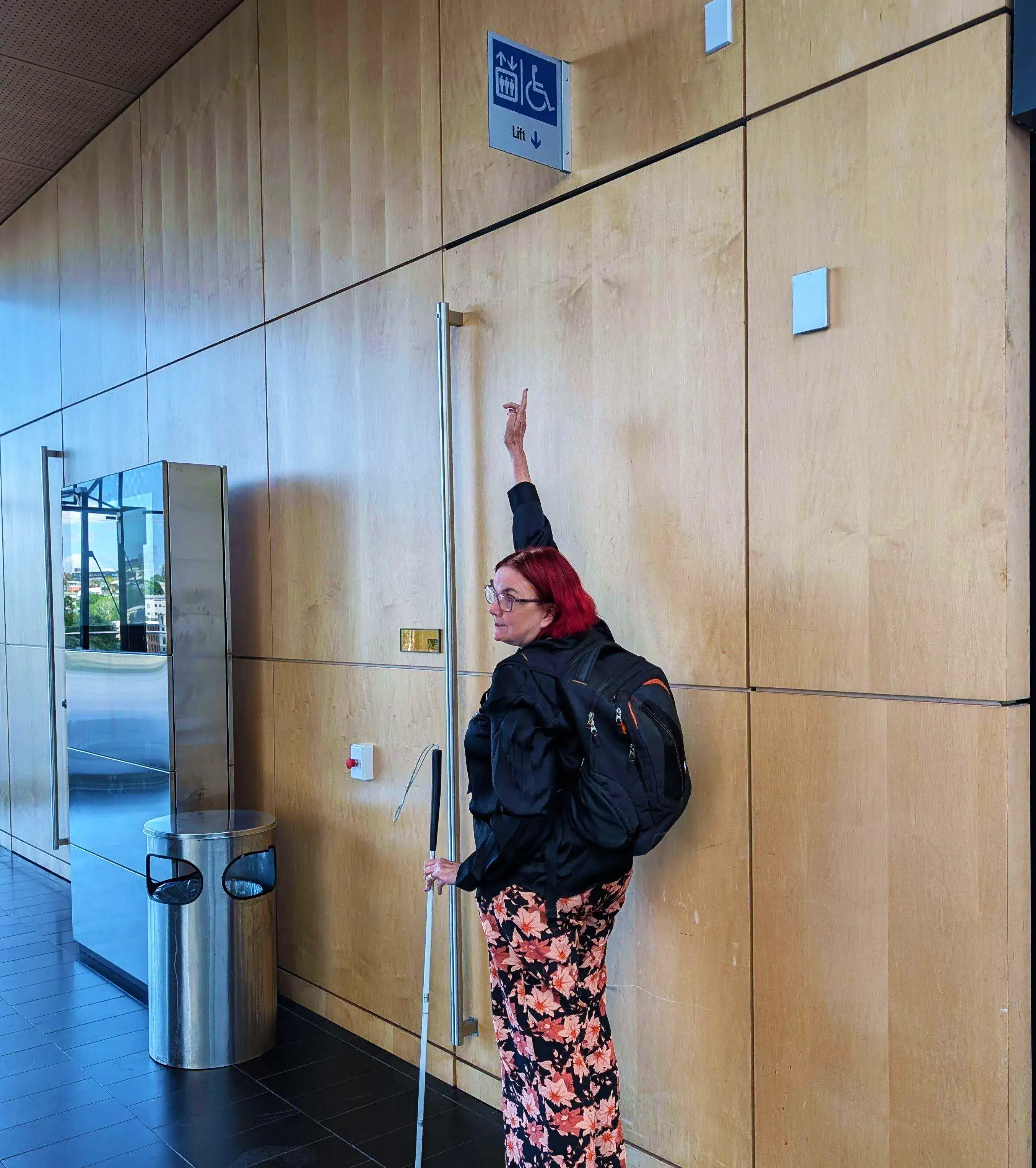 Finding a concealed lift proved yet another challenge. Picture: Supplied
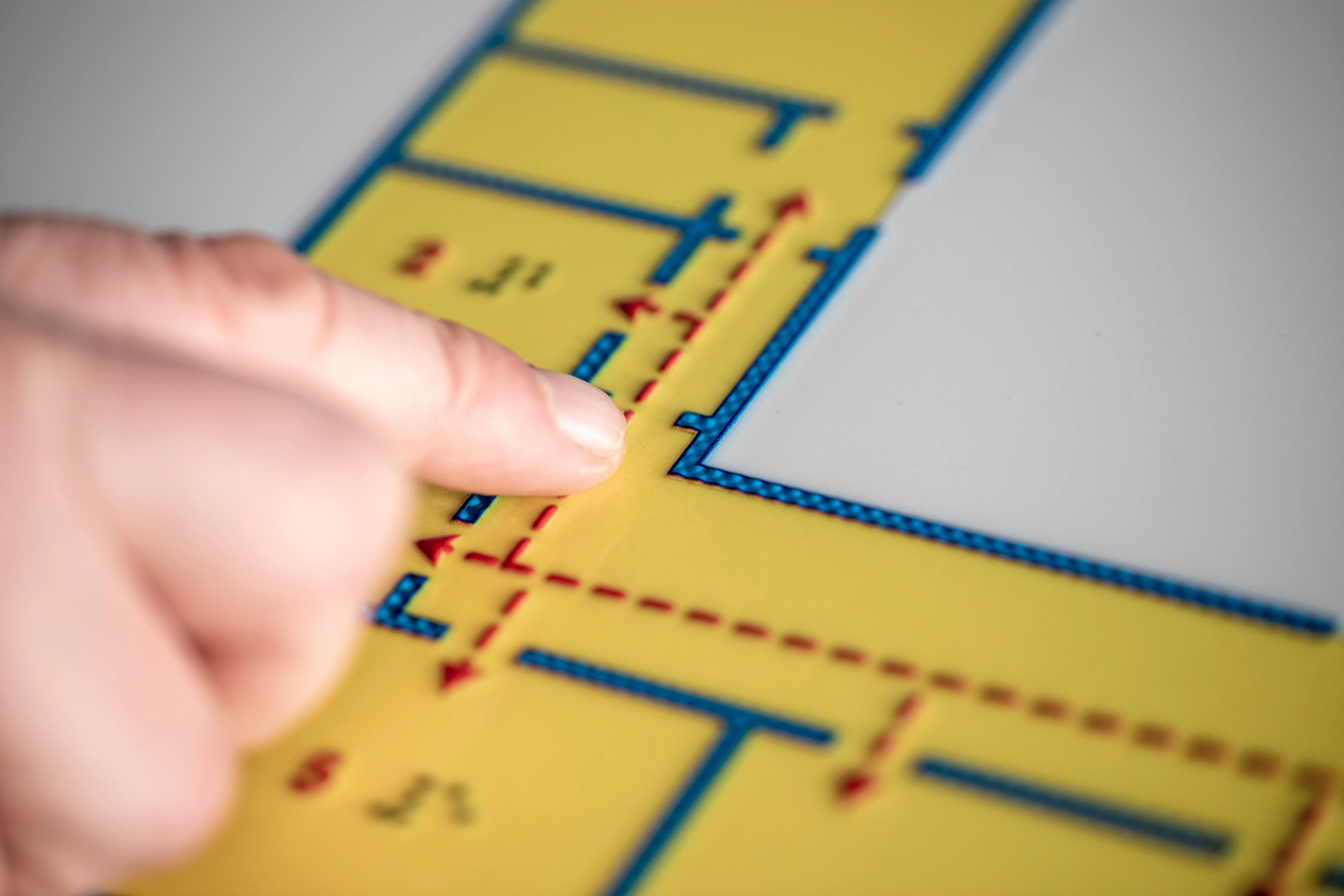
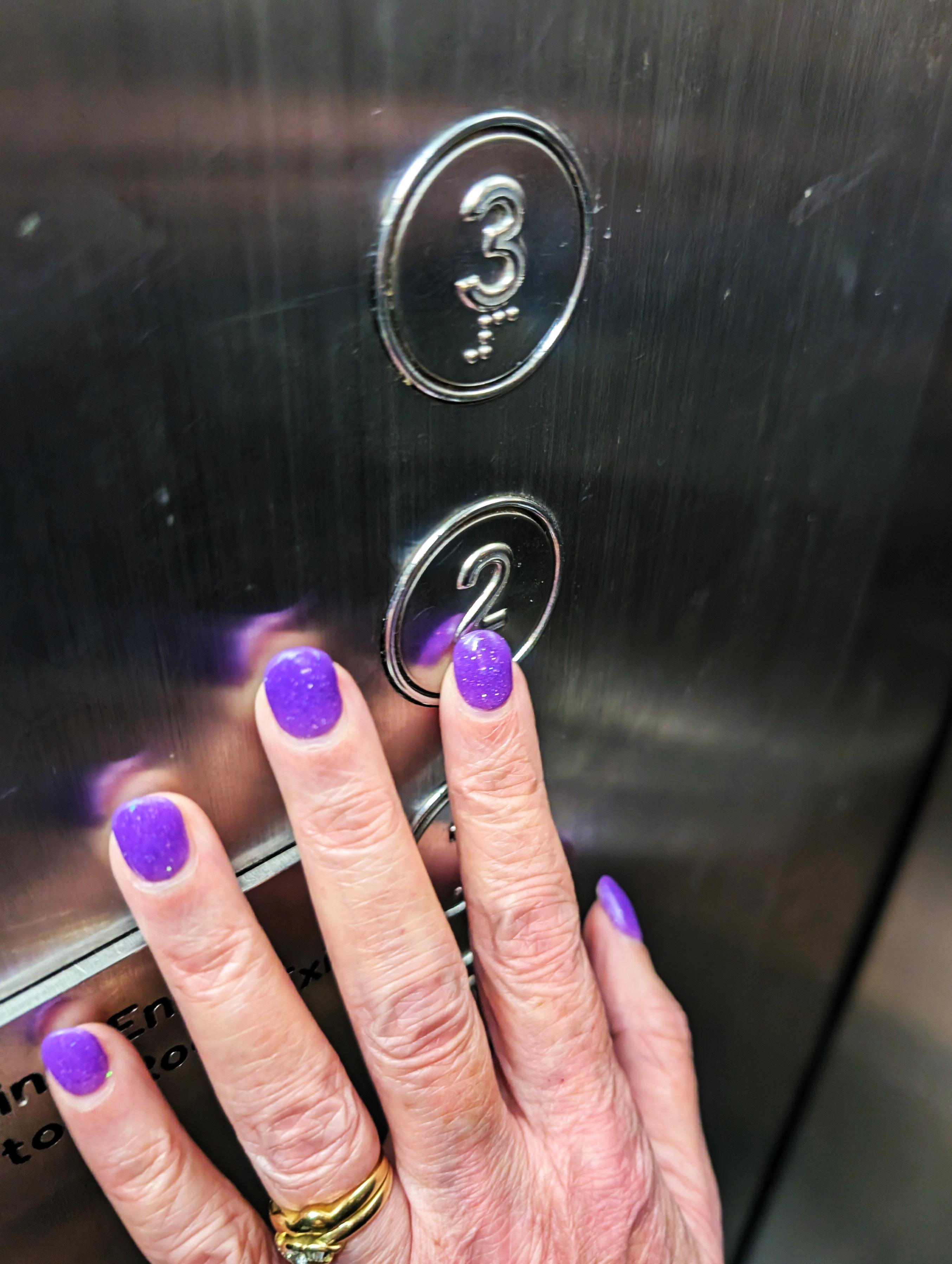 Hidden elevators, uneven concrete and incorrect braille are among many ableist challenges. Picture: SuppliedUnpainted escalator treads can appear as a vibrating blur for those with vision impairment. Picture: SuppliedFinding a concealed lift proved yet another challenge. Picture: SuppliedHidden elevators, uneven concrete and incorrect braille are among many ableist challenges. Picture: Supplied
1 / 3
After check-in, you follow the straggling delegates across a glary, exposed courtyard to the opening address. Upon arriving at the other side, you’re confronted with a flight of steps going down to the lower floor.
You have limited depth vision and prefer a lift. But where is it? After searching helplessly, you find a security person who points to the wall.
Hidden. Behind a door, concealed in a panelled wall, with a sign that was easily and completely missed, even by your sight-dependent colleague.
Finally, you enter the lift and search for the button. But this braille is weird.
“I think it’s upside down”.
You press the button that possibly says ‘one’ and descend, only to find that now you need to climb a few more steps up to enter the rear of the auditorium.
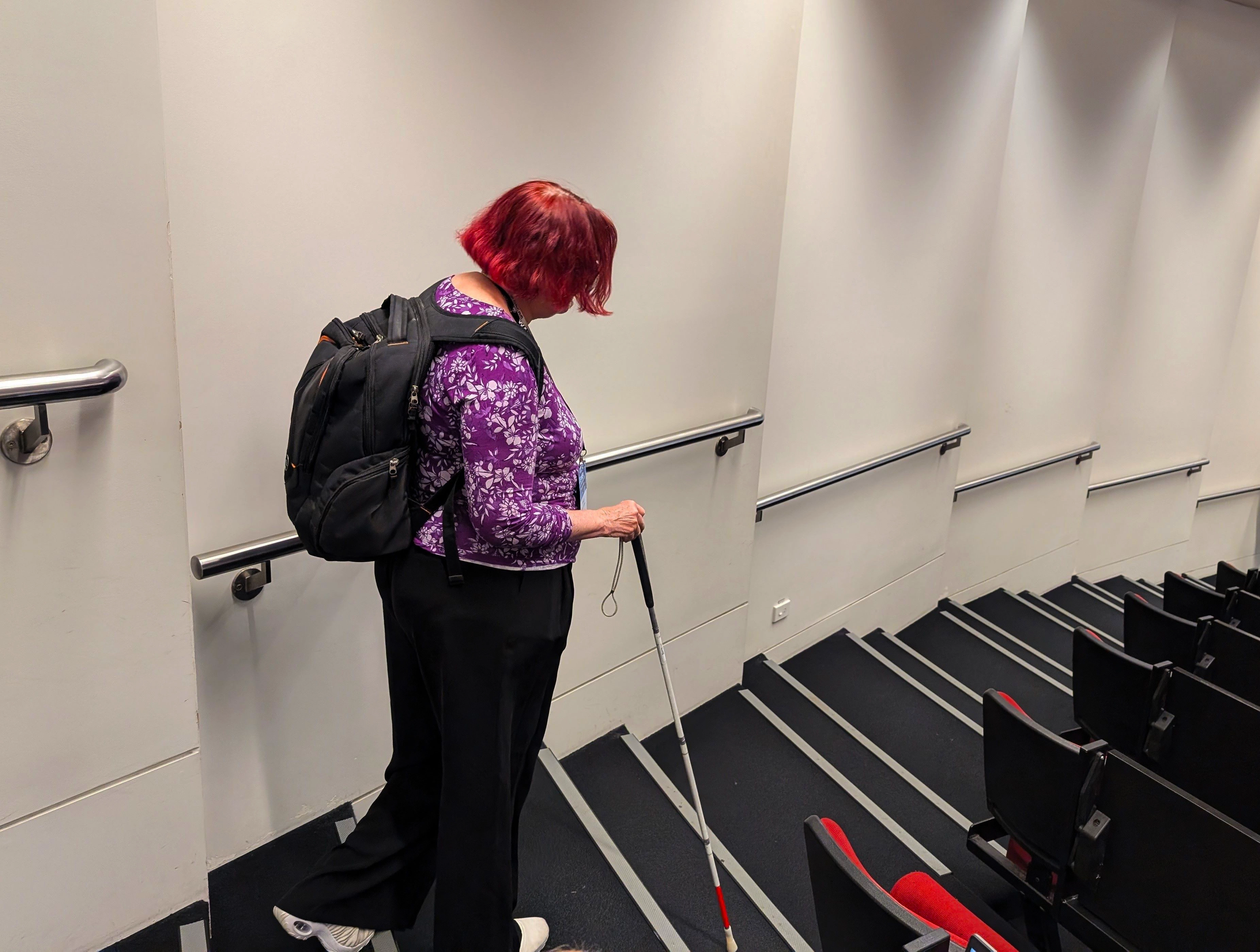
Once you’re in, the back row is full.
You search for the handrail to help your descent, but it suddenly stops, mid-step. You feel around with your other hand to find another end, awkwardly tucking your cane under your arm.
You haven’t even made it to your seat yet.
This is day one, hour one of a three-day conference.
You will face this hostility again tomorrow. And the day after.
You’re exhausted already. Do you call it out? Or power through – forgive and forget. A daily conundrum.
For many people with disability, conserving our limited energy (or preserving your ‘spoons’) often means deliberately forgetting these moments.
But the act of forgetting carries its own cost.
It’s another form of silent violence created by systemic ableism in architecture. And it doesn’t need to continue.
Let’s call it what it is and call it out.
Like the First Nations’ musician Mo’ju sings on their 2018 album Native Tongue: “Every time you cut me down, I'm gonna come back fierce. The time is through for bein' nice. Let's call it what it is”.
Associate Professor Sheelagh Daniels-Mayes and Imogen Howe work together on the BlakAbility Project, led by Associate Professor Daniels-Mayes. Imogen’s research is supported by the Commonwealth Government of Australia’s Research Training Program.