Sciences & Technology
Climate change is turning global wildfires into monsters


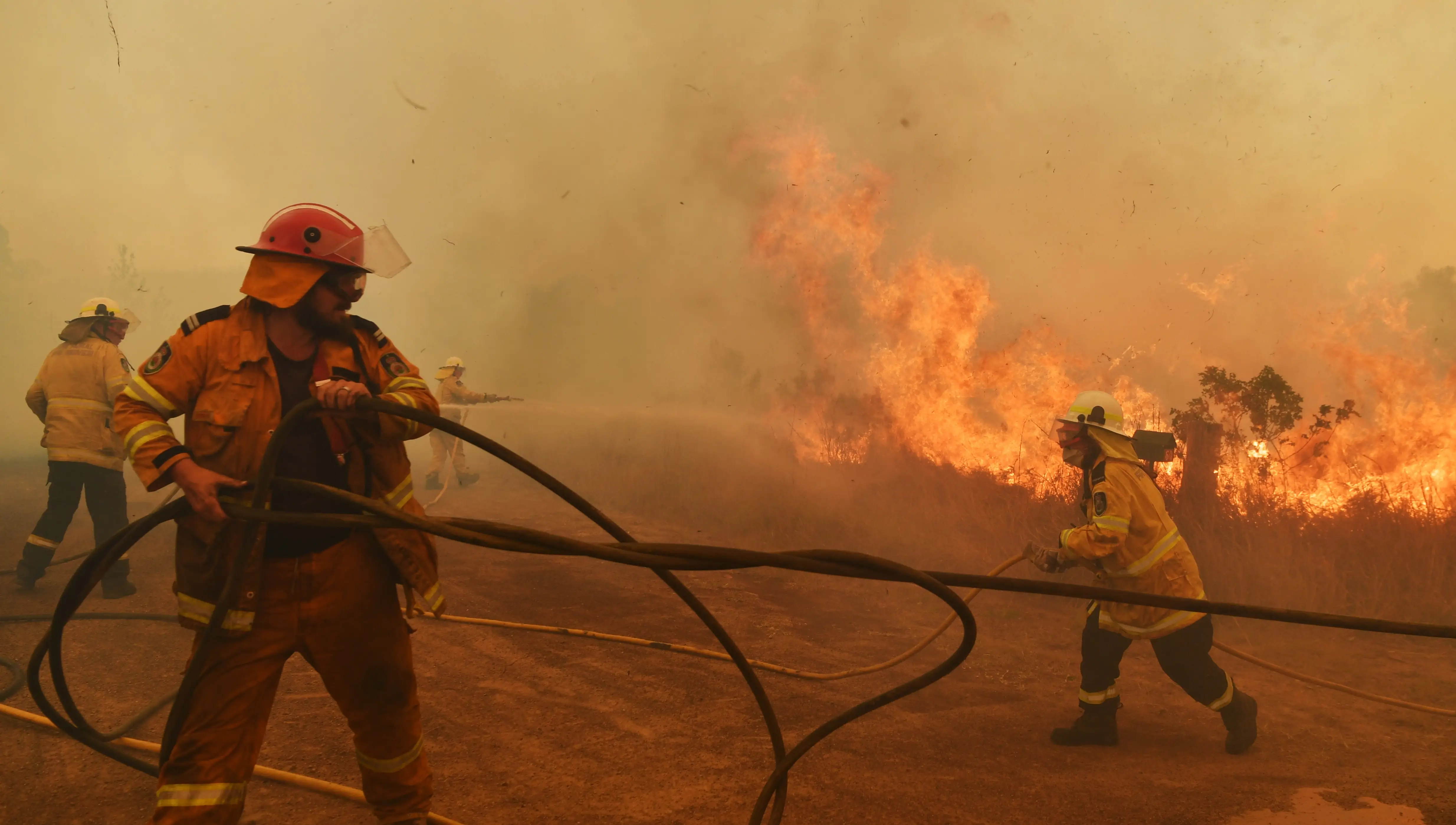
A new roadmap for assessing climate change impacts on bushfire shows we may have all the pieces of the jigsaw, but we're yet to piece them together


Published 20 December 2025
It may seem obvious that climate change is making bushfires worse, but the truth is more complicated.
We are part of a global team that has developed a new roadmap for looking at climate change impacts on bushfires, and it’s showing some glaring gaps in our current approach.

It’s clear it will take more than just experts from one field to accurately project what’s to come.
Some of the disciplines we point to may be obvious – atmospheric physics, botany, ecology – but it’s also about other areas like health and medical sciences, economics and paleo science.
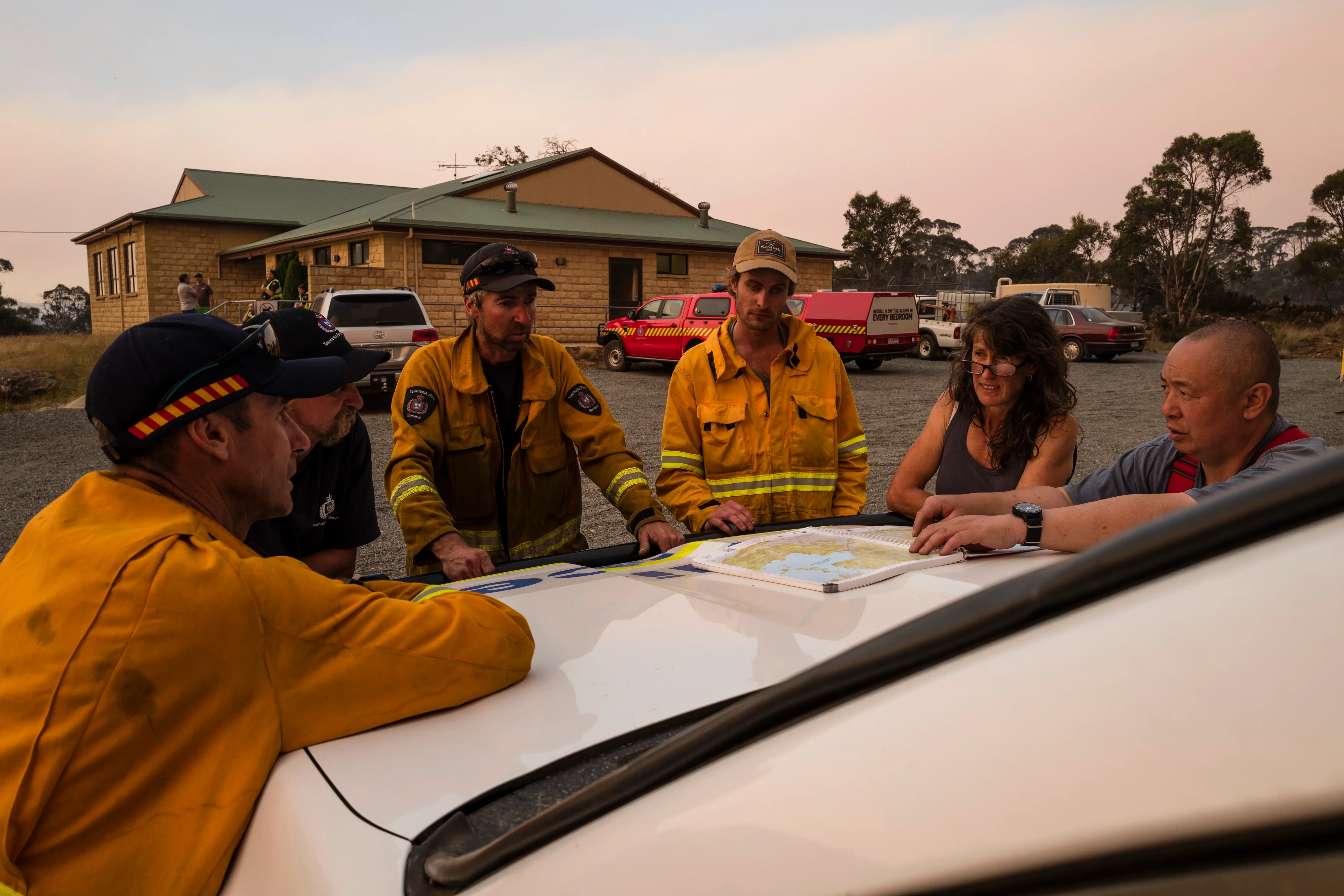
More than this, it’s the knowledge that lies outside academia too, like emergency response agencies, land management agencies and communities with lived experience of fire.
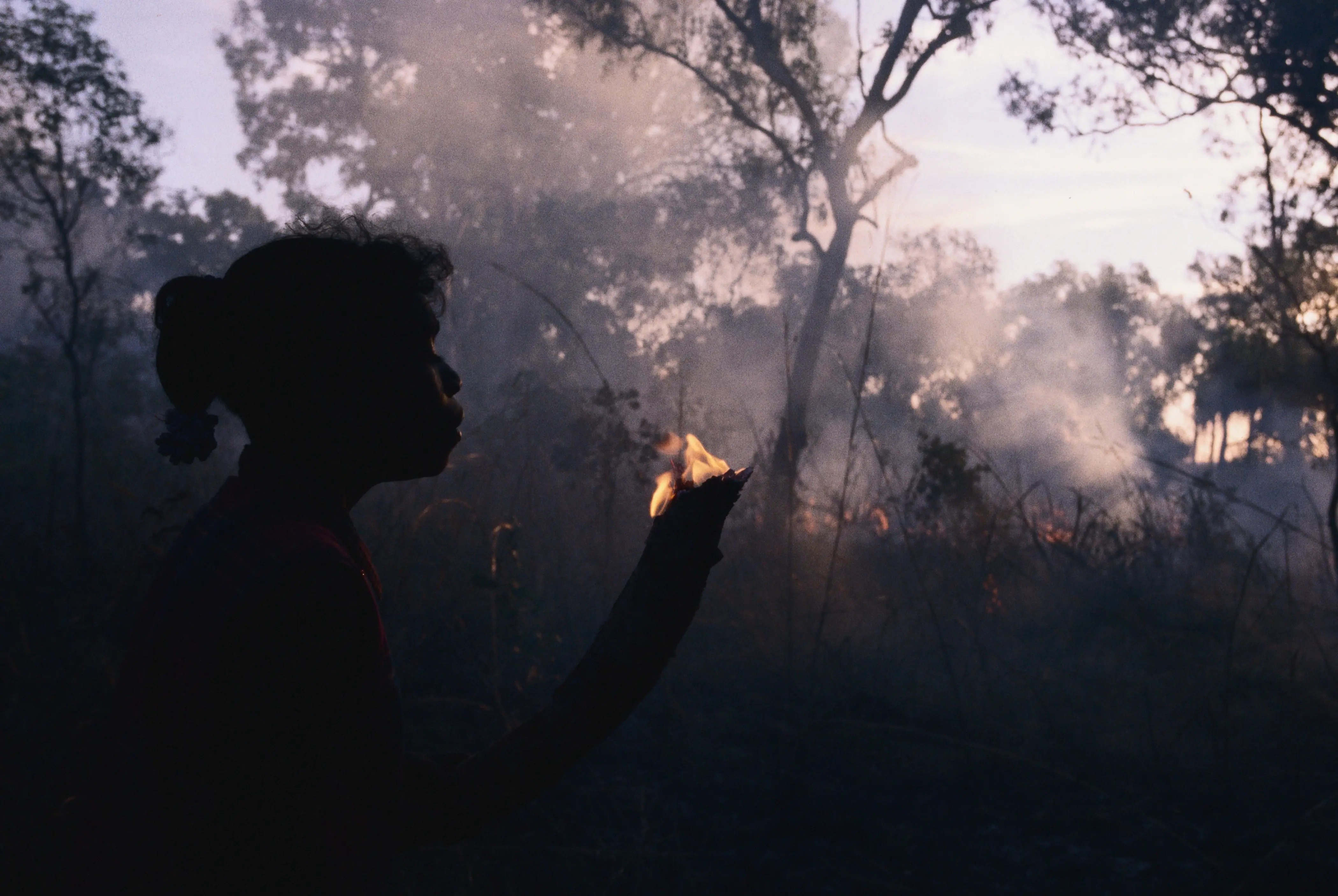
Australia is fortunate to be home to the world’s oldest continuous culture with a rich tradition of expertly using fire to Care for Country. Only through recognising all these knowledges together can we have the full picture.
Sciences & Technology
Climate change is turning global wildfires into monsters
The good news is that we already know a lot about fire.
We know what drives it and how it impacts communities and ecosystems. The same goes for climate change, with much of our knowledge encoded in sophisticated Earth System Models that allow us to explore the consequences of continued greenhouse gas emissions.
The problem is that this knowledge is fragmented and previous assessments – including our own – aren’t using all the pieces of the puzzle.
As American policy scientist, Professor Garry Brewer, put it, “The world has problems, but universities have departments.”
This tendency to focus on an area of expertise is not just limited to academia. There are many silos in government, industry and the not-for-profit sector too.
But when it comes to bushfires, we’re risking more than an academic reputation.
Our new roadmap systematically identifies key issues around how we think about climate change and the risk of fire.

For starters, we still lack basic information about fire and its impacts in many parts of the world.
Earth is home to a stunning diversity of fire regimes – these are different ‘species’ of fire, each with its own distinctive pattern of fuel type, fire behaviour, frequency and seasonality.
Heat is only one of many influences on fire, so we cannot assume that a warmer world equals greater fire risk everywhere.
In arid areas of Australia, for instance, major rainfall episodes can play the deciding role, triggering vast growth which reliably dries out during warmer months and turns into potential fuel.
So, more heat alone may not change the overall risk.
It’s clear then how critical it is that our climate change assessments are tailored to specific regions and their unique fire regimes.
Our study highlights a number of complex, uncertain and contentious issues in climate change impact assessment for fire.
Despite the complexity and prowess of individual climate models, there is still little consensus about how to combine output and insights from many of them. The challenge grows when we try to move from model output to real-life decisions.
Politics & Society
What 174 years of bushfire records teach us about emergency management
There are also many uncertainties in the world of fire. For example, ‘area burnt’ is often reported in the media, but this assumes all vegetation within a fire footprint is equally affected and we know this is not the case.
Longer-term and indirect fire impacts are harder still to measure, like ecosystem resilience and the total economic burden across sectors like tourism, infrastructure and agriculture.
Feedbacks – that is, self-sustaining or self-undermining cycles where fire influences its environment – are another area of intense interest but also immense uncertainty.
Will more fire create a negative feedback and decrease future risk by consuming fuel? Will the emissions from fire trigger more warming and more fire in a vicious cycle of positive feedback? What about the carbon released from peatland fires or thawing permafrost?
For robust impact assessment, we need to engage with thorny issues like these.
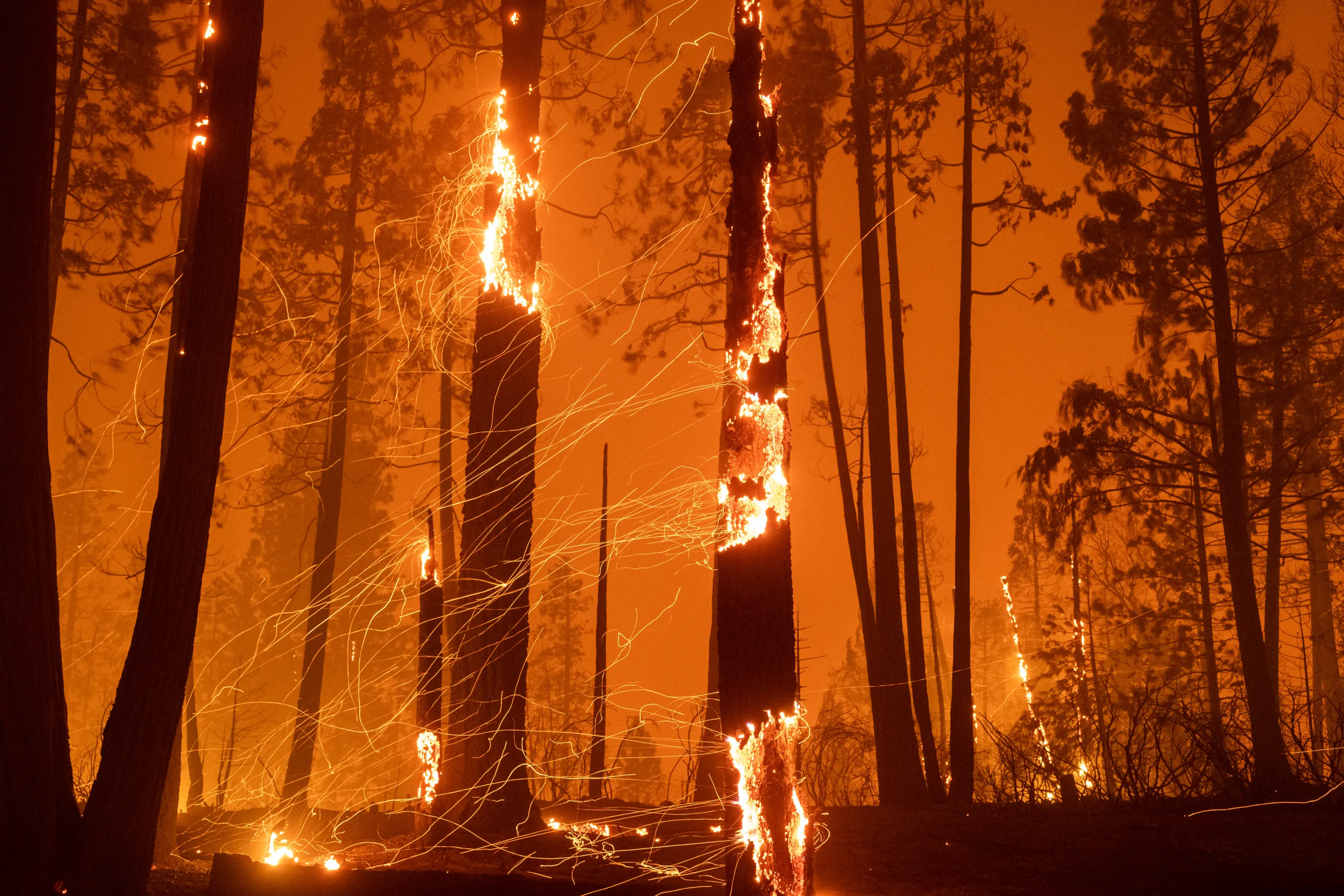
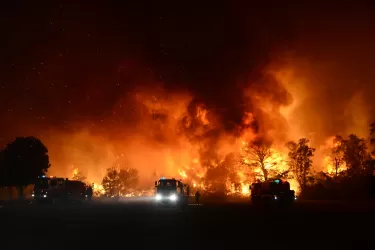
Science shows us that climate change is increasing the chance of catastrophic events like the Australian Black Summer fires of 2019-20 and the Californian fires of 2025.
Our study points to the scale of the problem but also suggests a clear path forward.
By building multidisciplinary teams that bridge the range of disciplines necessary to understand and manage fire in a warming world, we stand a chance of staying one step ahead.
In this regard, there is still much to do: many disciplines to bring into the fold, as well as more connections to be made across sectors, borders and knowledge systems.
Building these connections will take time, but it’s the only thing that will help us move from responsive to proactive, from siloed to connected, and reduce the risk of fire on our people and planet.