Sciences & Technology
We've forgotten how to build houses


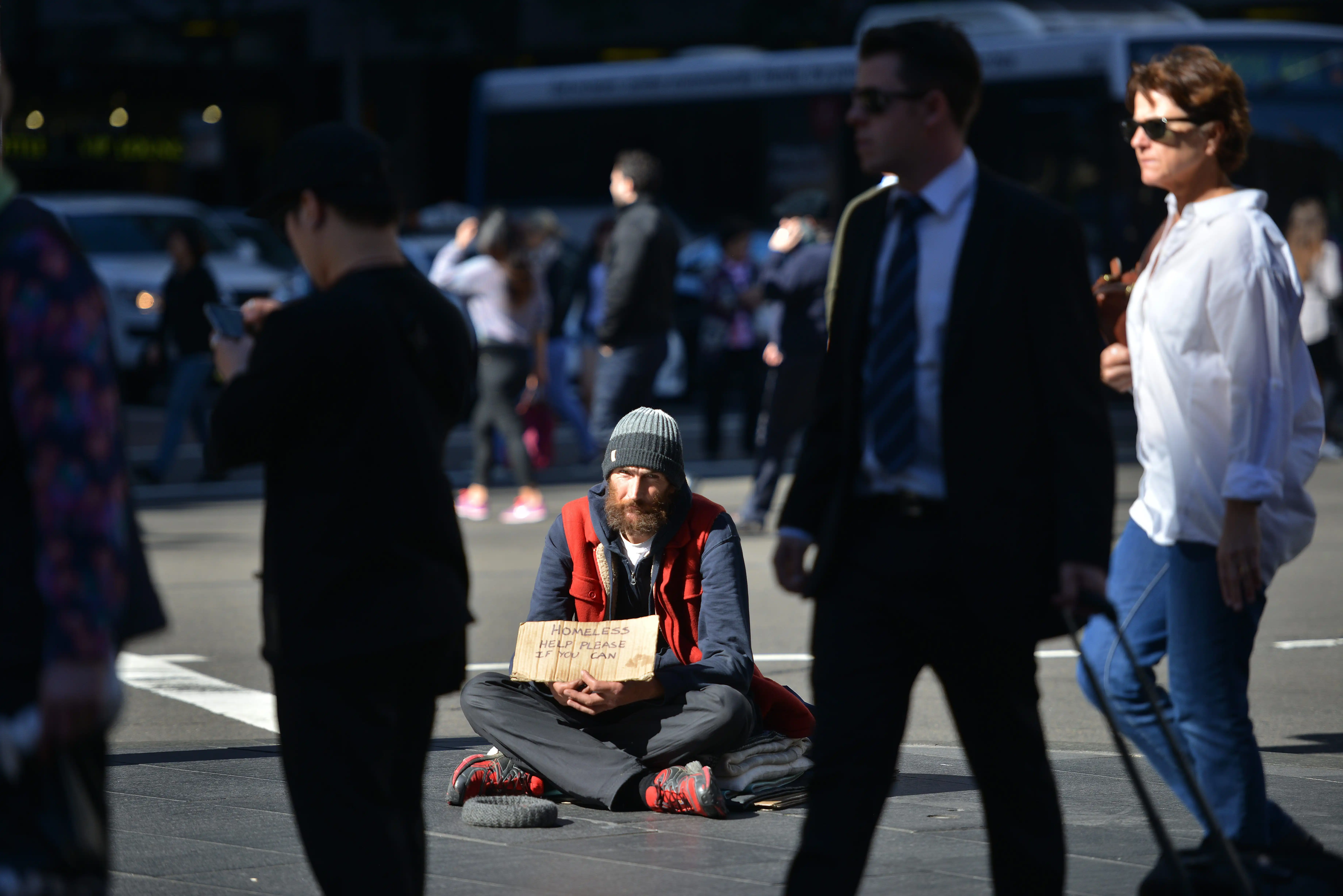
Japan has record low levels of homelessness and Finland has spent decades driving its numbers down. One built its way there, the other made housing unconditional. Australia needs both

Published 5 October 2026
Japan has the lowest measured rate of homelessness of any wealthy nation. Finland is the only country in Europe that has driven homelessness down over decades rather than watched it climb.
They arrived there by almost opposite routes. Japan built at volume and kept building, cheap. Finland stopped asking people to earn a home before they were given one. Australia has done neither.
Every country counts homelessness differently, which makes cross country comparisons unreliable.
These comparisons are important and when we talk about successful models, Japan and Finland are named repeatedly, and for genuinely different reasons.
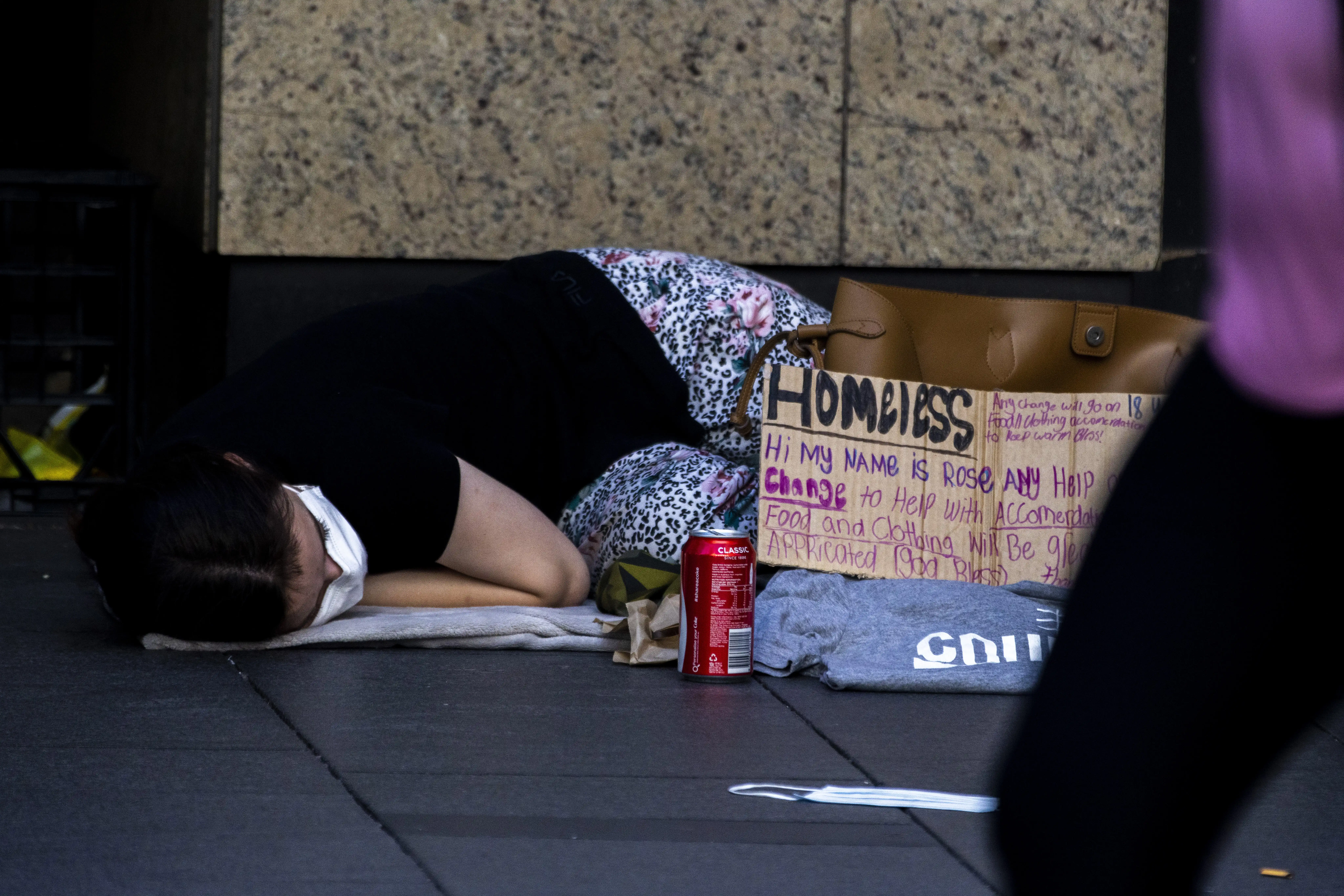
Meanwhile, in Australia, 122,000 people were counted as homeless on Census night in 2021, with 289,000 people supported by specialist homelessness services from 2024 – 2025.
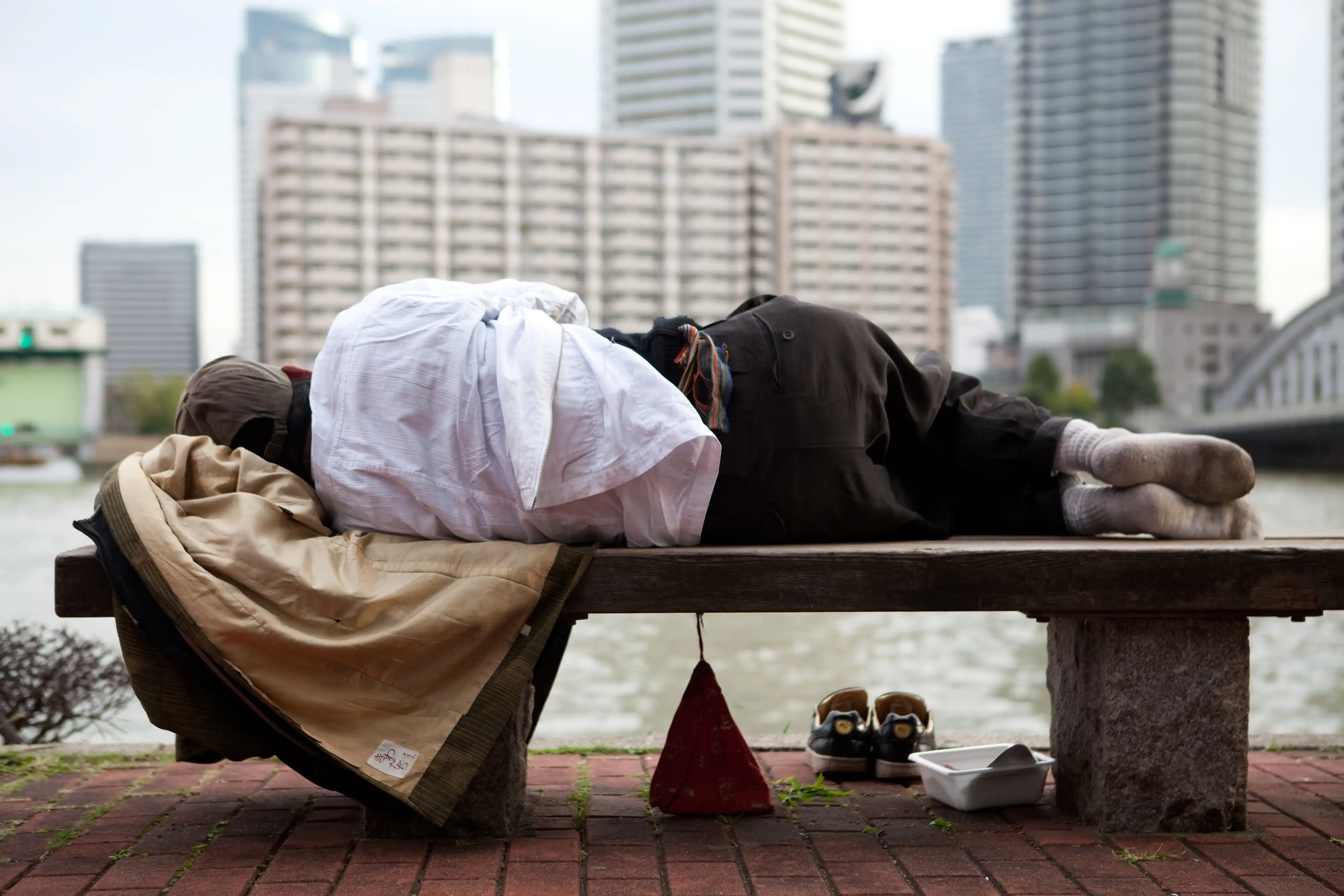
In January 2026, Japan's Ministry of Health, Labour and Welfare counted a record low of 2,481 people sleeping rough nationwide.
In 2003, the count recorded more than 25,000. Ten of Japan's forty-seven prefectures, its equivalent of states, now record none at all.
Sciences & Technology
We've forgotten how to build houses
That is a real achievement, and deserving of recognition, through it is often marked with an asterisk.
The Japanese count is a visual survey of people in streets, parks, stations and riverbanks. It excludes anyone sleeping in a car, an internet cafe, a capsule hotel or a derelict building.
Japan has not abolished housing insecurity, but what it has very nearly abolished is rough sleeping, the form of homelessness that can kill people through exposure.
Finland's Housing First policy, adopted nationally in 2008, reversed the logic of the staircase model, which means housing is the starting point rather than an end goal.
Instead of requiring sobriety, treatment or employment before a tenancy, the tenancy comes first and support follows if the person wants it.

Under this policy, homelessness in Finland fell from around 18,000 in 1987 to under 5000 by 2019.
Roughly four in five people keep the flat they are given through the program. Housing one long-term homeless person is estimated to save the state at least €15,000 a year in emergency healthcare, policing and court costs.
The Y-Foundation, Finland’s largest non-profit landlord, now holds more than 19,000 homes. Some are converted emergency shelters, including a 250-bed Salvation Army shelter in Helsinki that became 81 apartments.
Removing the shelters is deliberate, because while the revolving door exists, the pressure to build permanent housing never quite arrives.
Strip away the cultural explanations usually given for each country's success and the same three policy choices appear.

Politics & Society
Building faster isn’t building better
The first is unconditionality.
Finland treats a home as the precondition for recovery rather than its reward. Japan reaches a similar outcome through its livelihood protection payments and self-reliance support law.
The second is land.
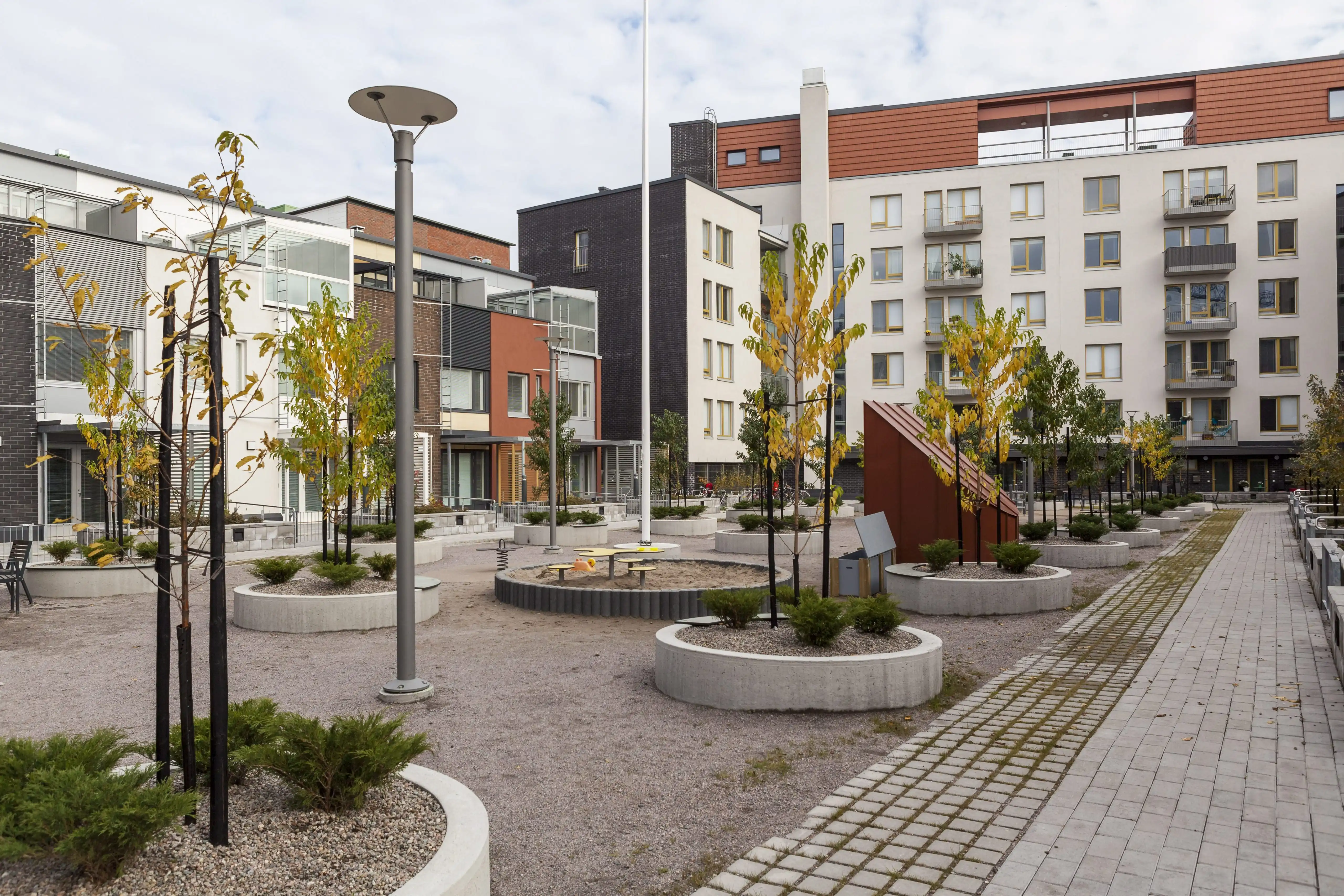
Helsinki owns 70 per cent of the land inside its boundaries and sets a target tenure mix for new housing: 45 to 50 per cent private ownership, 40 per cent rental, much of it long-term regulated, and 10 to 15 per cent intermediate housing.
The city can simply write those proportions into its leases because it owns the land.
Australian governments have to negotiate the same outcome with private developers who own theirs, which is one reason our inclusionary zoning debates keep stalling.
The third is prevention.
Finland has funded housing advice since 2009, offering a low-threshold service that helps people deal with rent arrears and the threat of eviction.
In Australia, by contrast, services now turn away an average of 353 requests for help every day, almost four in five of them from women and children.
Japan's low homelessness is inseparable from the fact that Japan builds.
Its zoning, which decides what can be built where, is set nationally, meaning there are fewer roadblocks to its rapid construction.

Politics & Society
Protecting older Australian women from homelessness
Japan also builds industrially. Prefabricated housing accounted for 12.6 per cent of new dwelling starts in 2023. Australian modular output, by comparison, sits at less than five per cent of total building.
The experimental side of things is more striking again.
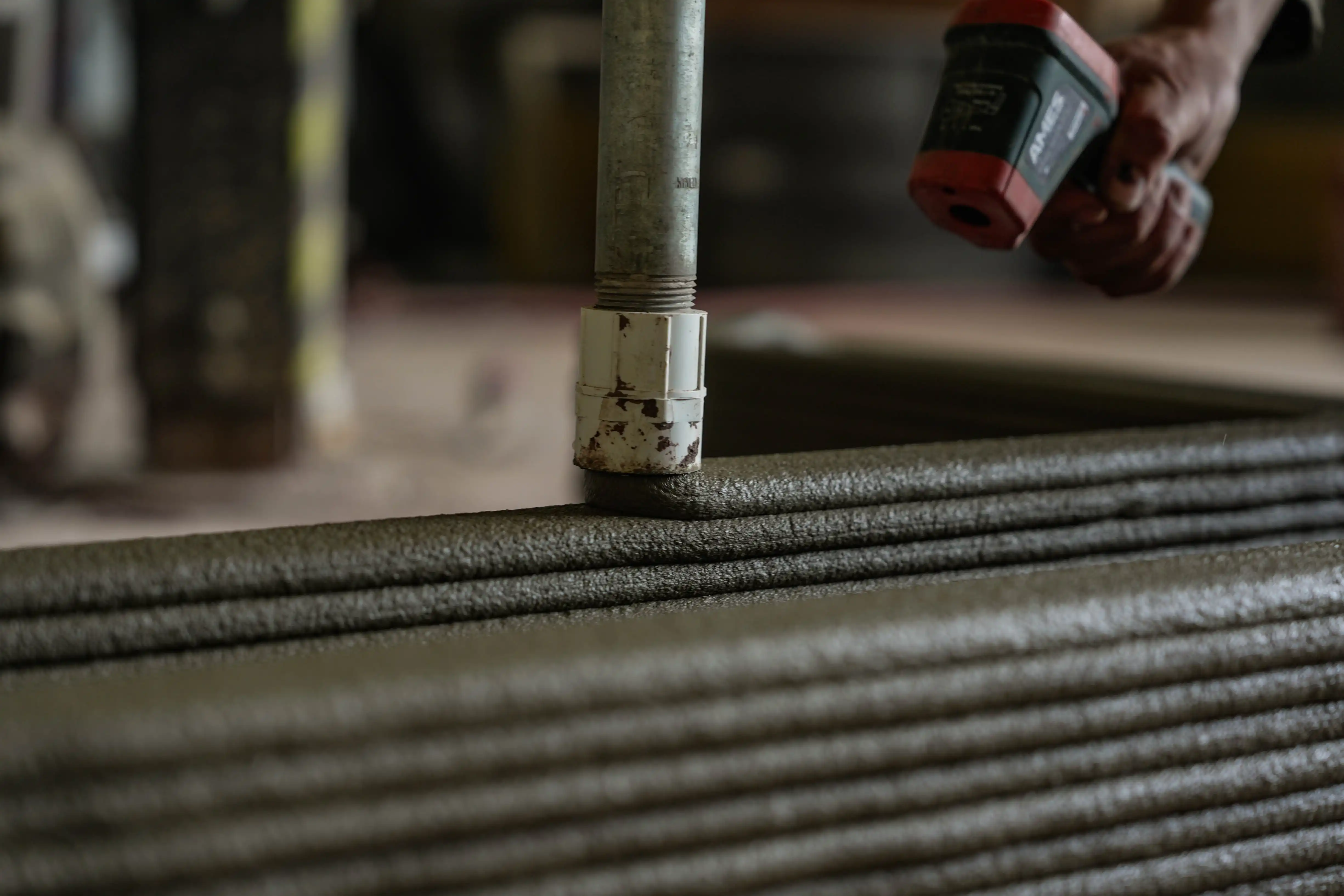
The Japanese firm Serendix printed and assembled a 50 square metre house in 44 hours and 30 minutes for about ¥5.5 million, roughly the cost of a new car, building it to Japanese fire, water and earthquake standards.
None of that is a homelessness policy on its own. A printed dwelling in a shrinking rural town does not house a woman fleeing violence in Footscray.
What it does tell us is that small, safe, permanent homes can be produced quickly and cheaply enough to matter. Meanwhile, Australian dwellings completed per hour worked have fallen 53 per cent since the mid-1990s.
Finland makes the same point from the other direction. Housing First only worked because the state financed the acquisition, renovation and construction of the flats.
Australia should take note, because a rights-based policy with no construction pipeline behind it is just a press release.
Four things, all of them already working somewhere else.
First, fund tenancies rather than beds and stop treating shelter capacity as a measure of success. Every dollar spent maintaining a revolving door is a dollar not spent trying to close it.
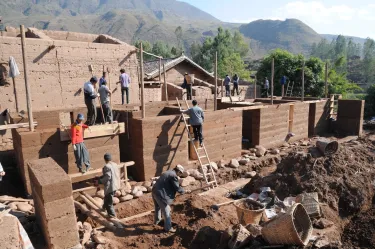
Second, use public land as leverage. Fixed tenure mixes on government-owned land are how Helsinki produces affordable homes in expensive suburbs.
Third, build a supply of small dwellings using modern methods, at pace, through public procurement.
I argued after the 2026 Federal Budget that changing who owns houses will not change how fast we can build them, and on current projections we will fall short of the National Housing Accord target by around 262,000 homes.
Finally, restore the income supports that keep people housed.
Finland saw homelessness rise in 2024 and 2025 following cuts to social security and housing support. It’s the clearest experiment of what happens to the momentum of a sound method when its income and supply are taken away.
I’ve always loved the Finnish model. It refuses the idea that housing is something a person earns by first becoming acceptable. Instead, people have a home and stability becomes possible.
Japan proves you can build fast enough to keep prices flat in a megacity. Finland proves you can end long-term homelessness for less money than it costs to tolerate it.
Australia has Japan's engineering capability and Finland's stated values. What we lack is the willingness to properly fund either.