Business & Economics
The cloud is made of concrete


While viral claims about water use don't hold up, the real story is worth understanding. It comes down to where these centres are built, what water they use and how they report it

Published 16 July 2026
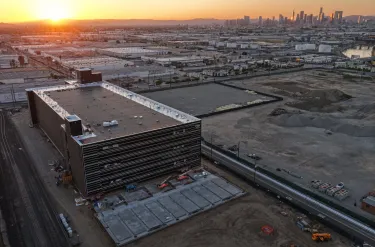
You may have seen some of the alarming headlines and viral statistics about artificial intelligence (AI) data centres in Australia. Whether it’s the amount of water they consume to keep their servers cool or their potential impacts on our environment, none of it is particularly reassuring.
But how much is true?
I want to cut through some of this noise by testing a number of these claims against Australian industry, utility and policy evidence.
That means understanding why these facilities need water at all, where the real pressure sits, whether those viral per-query claims stack up and what developers should have to prove before anyone signs off.
This is about clarity. Data centres are major investments in infrastructure and they should be planned, explained and governed accordingly, including where they get built.
Firstly, it’s worth understanding why data centres need water at all. And it almost entirely comes down to heat.
The servers that run everything we do online (including using AI) use enormous amounts of electricity. Nearly all of that electricity ends up as heat and that heat has to go somewhere.
Business & Economics
The cloud is made of concrete
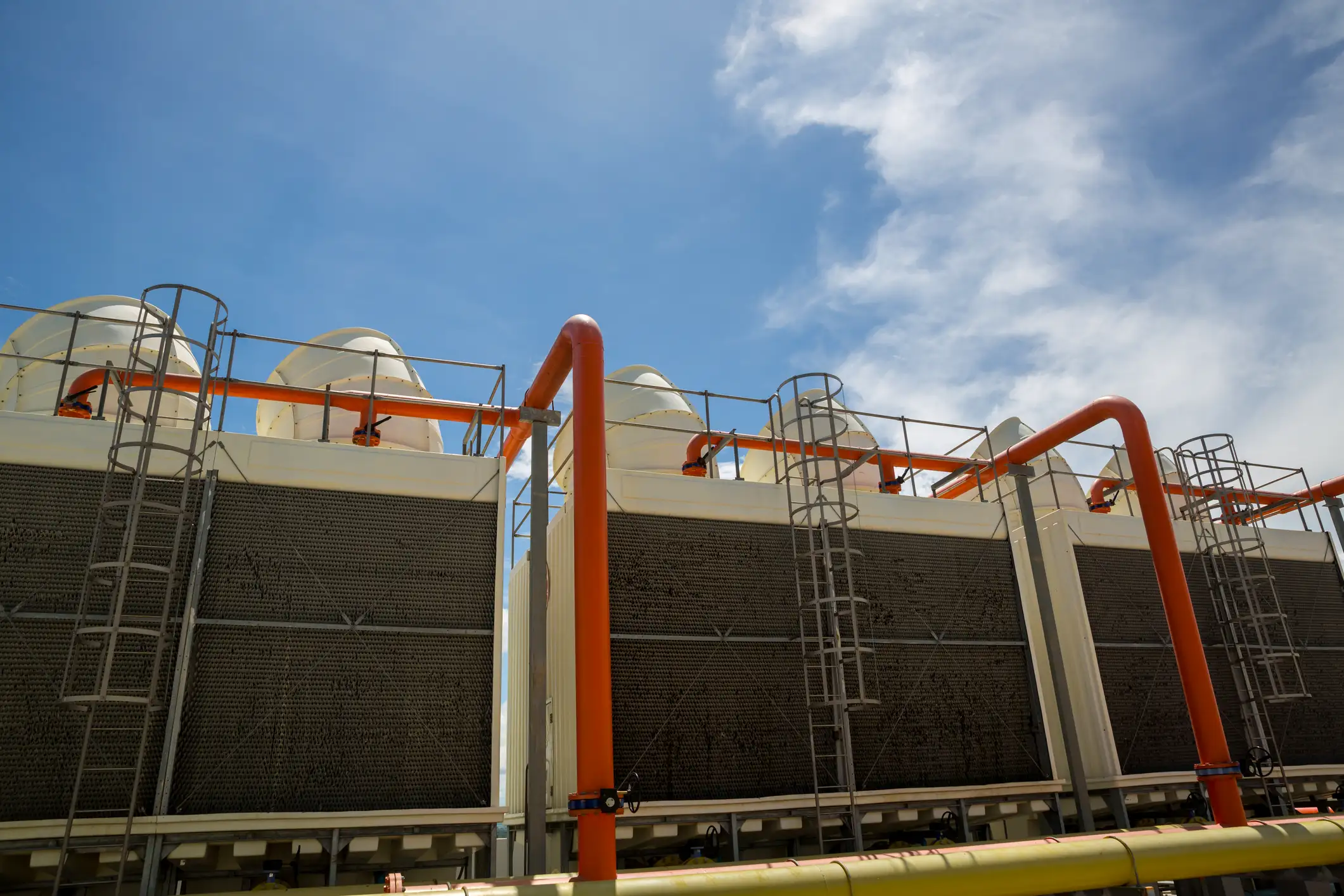
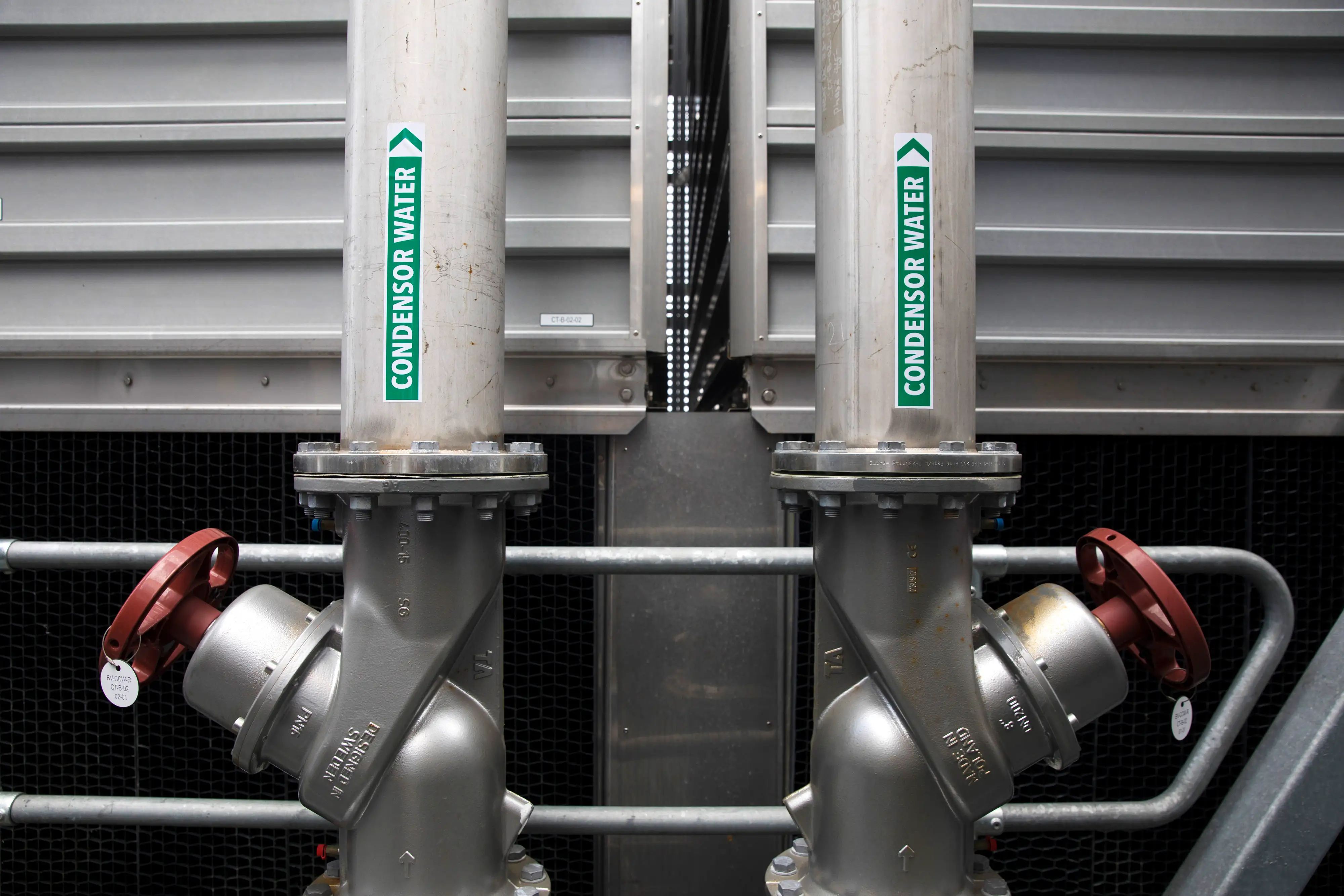
In Australia's climate, the cheapest way to get rid of it is evaporative cooling. Water evaporates from cooling towers, carrying the heat away with it.
But evaporated water doesn't come back. It's consumed on site, around the clock, which is known as direct water use.
The alternative is a dry cooling system that barely uses water. It blows the heat away using fans and radiator-like coils instead of evaporating it, but it needs more electricity to run all of those fans, and generating electricity uses water too. So, the problem doesn't disappear, it just moves.
The industry measures water performance with a score called Water Usage Effectiveness (WUE), or litres of water per unit of computing energy.
While a good score might sound reassuring, it won't tell you whether a facility is drinking from the mains or using recycled water, nor does it count the extra water used at a power station to make the electricity that a ‘waterless’ site relies on. And it won't tell you whether the local catchment can spare it.
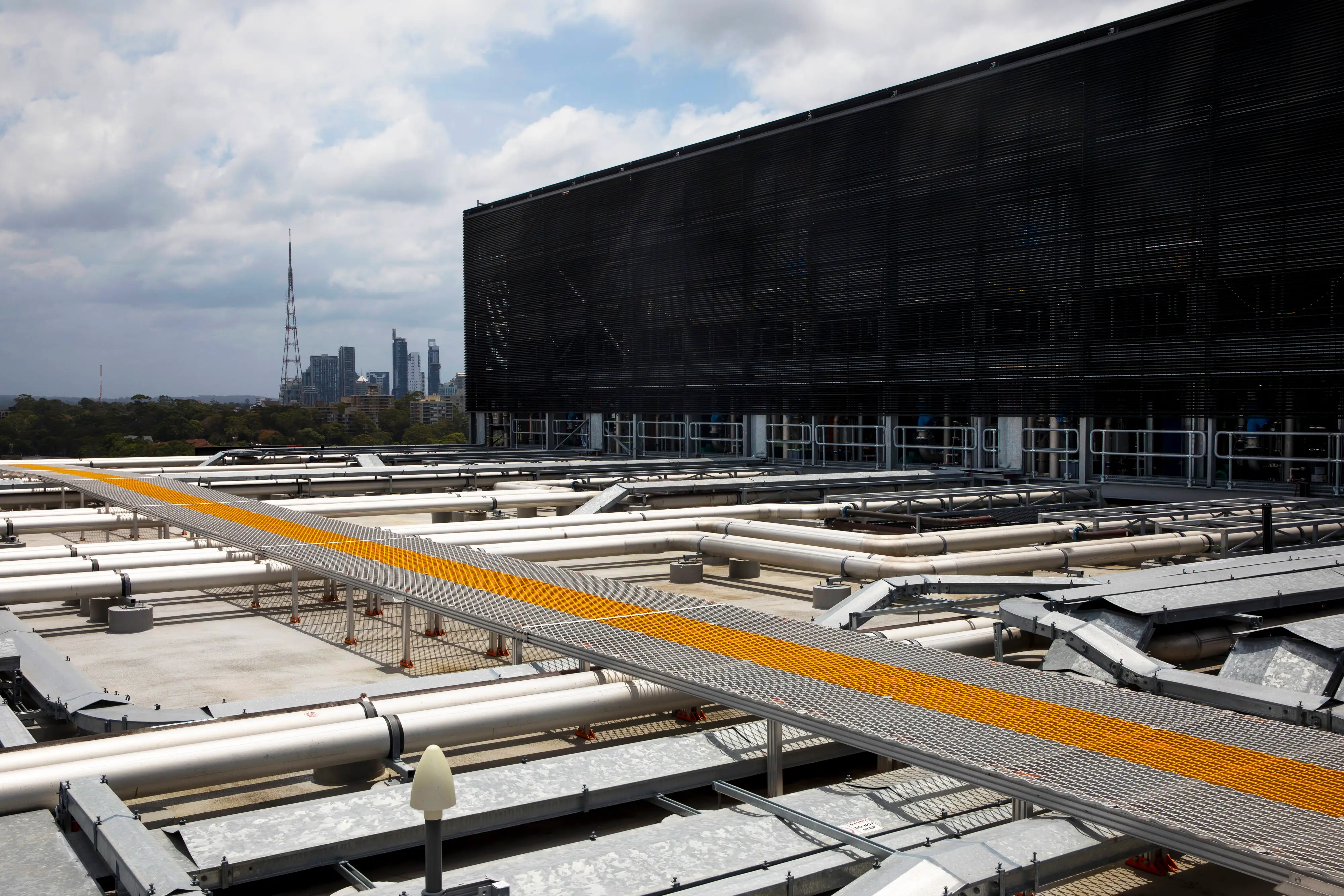
Let's take a look at Sydney Water, the utility company that supplies one of Australia's biggest cities, as an example.
It has fielded applications from data centre developers wanting connections of up to 40 million litres a day for a single facility. That's roughly 16 Olympic swimming pools, every day.
But that's a worst-case number. It’s the maximum a connection could supply, not what any centre actually uses today.
Developers often apply for more than they end up building or operating; utilities call this ‘phantom demand’. Even so, it explains why water companies along Australia's east coast are paying close attention.
But if we pull back to look at the national picture, the story shifts.
Industry-commissioned analysis puts direct on-site water use by Australia's data centres, mostly for cooling, at about 5.5 gigalitres (or 5.5 billion litres) a year.

Sciences & Technology
Developing countries are writing AI laws they cannot enforce
That's around 0.04 per cent of Australia’s national water use. Based on that figure, the sector uses well under what the country’s public swimming pools consume, around a seventh as much.
Agriculture and mining aren't even in the same conversation. Farming alone accounts for roughly two-thirds of the water Australia uses each year.
With all of that in mind, let’s look at a couple of myths doing the rounds.
It depends where you look. Across the nation as a whole, data centres barely register.
But data centres aren’t spread evenly across the country. They cluster mainly in Sydney and Melbourne.
And they tend to end up in fast-growing outer suburbs where drinking-water networks are already stretched.
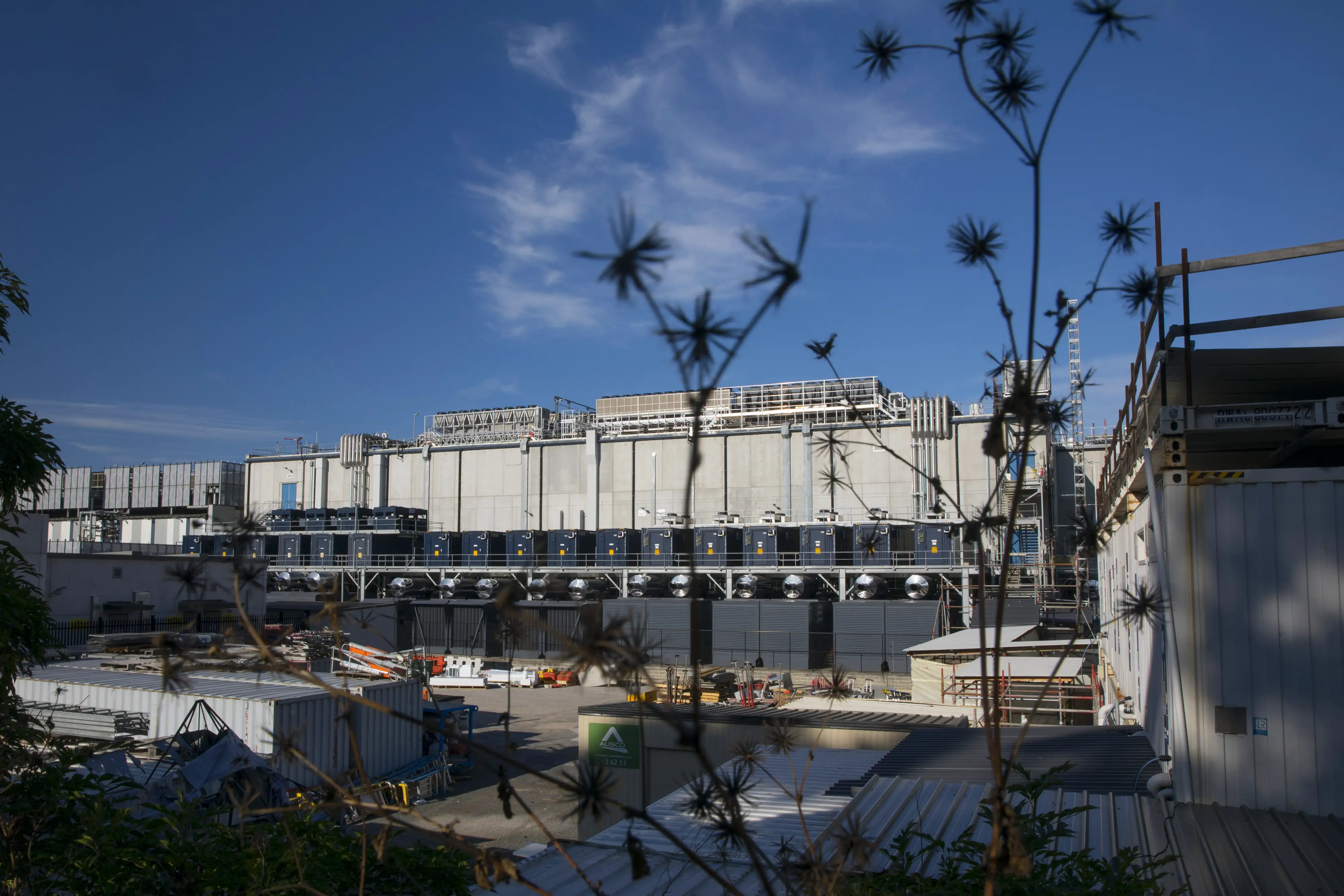
Australia has 162 operational data centres and about 90 in the pipeline. Although not all will be built, even if only half are, water becomes a front-line planning issue.
In Sydney, data centres currently account for about 0.7 per cent of local water supply; in Melbourne, about 0.2 per cent.
Industry forecasts suggest that could rise to about 1.9 per cent in Sydney and 0.9 per cent in Melbourne by 2030. Nationally, direct demand could more than triple from 5.5 gigalitres a year to around 17.
Those are forecasts, not guarantees – and they're contested.
The industry's own modelling can make the numbers look modest. The utilities, with connection applications piling up, see something starker.
Both can be true. But beyond those forecasts lies a different kind of risk.
Sciences & Technology
Australia’s construction industry must help build a sustainable future
Sydney Water has told a New South Wales parliamentary inquiry into data centres that if proposed facilities go ahead with water-intensive cooling, cumulative demand could hit 250 megalitres – that’s 250 million litres – a day by 2035.
That's a high-growth scenario, but it's the one utility companies must plan for.
The utilities are upfront that these scenarios are built on the number of connection applications, not confirmed demand that translates into actual consumption.
But what worries them is the shape of it: large customers drawing water continuously in growth corridors already stressed by drought.
Social media loves this comparison, but the numbers are all over the place.
The estimates swing wildly depending on how big the AI model is, how hard the servers are working, how the facility is cooled and even where the electricity comes from.
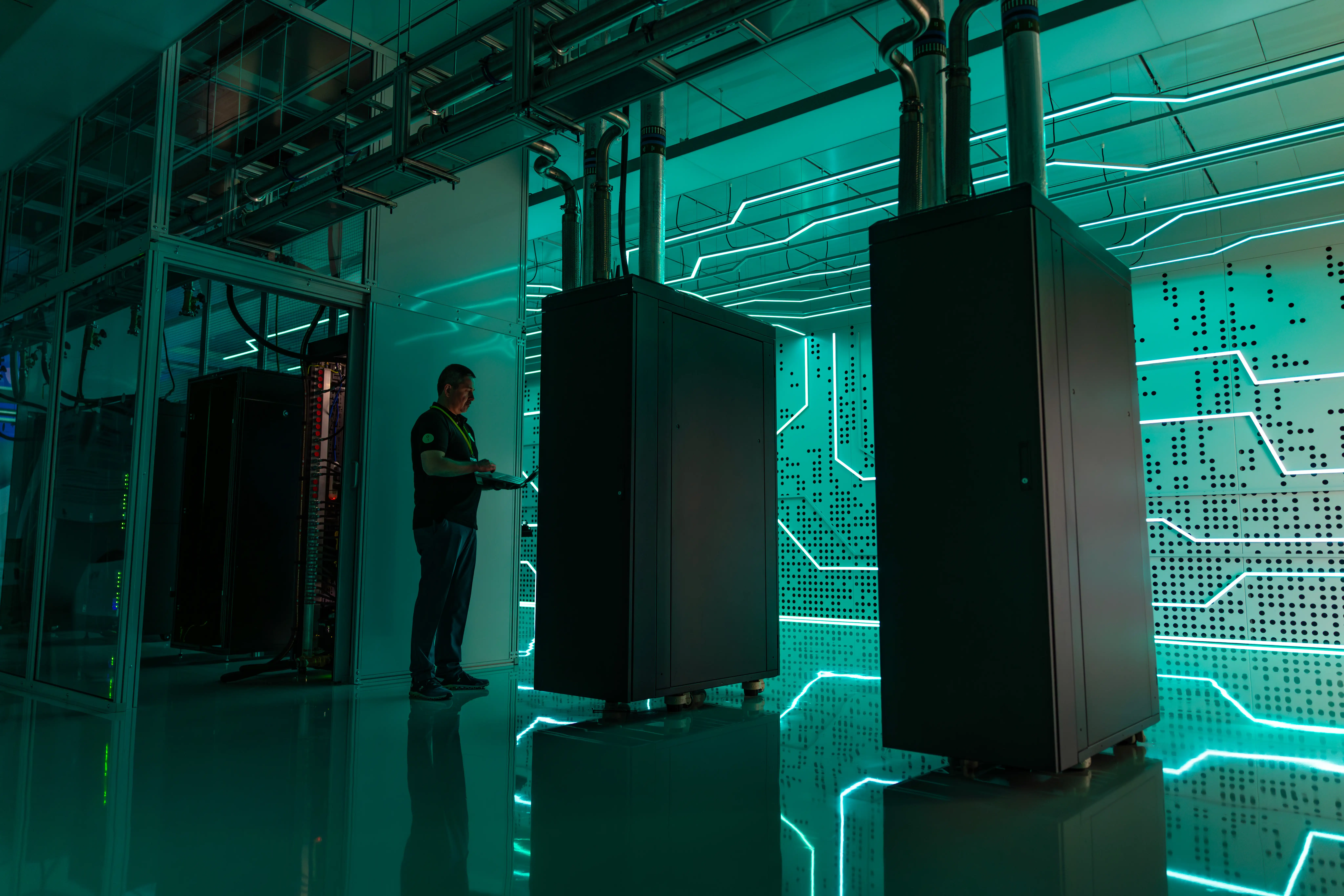
Most of all, it depends on what’s actually counted. Just the water in the cooling towers? The power station's water? The water used to train the model in the first place?
Different studies draw the line in different places and get wildly different answers.
So instead let’s look at cumulative infrastructure demand.
Data centres already draw about two per cent of the electricity on Australia's main grid and energy-market forecasts have that tripling by 2030.
More AI means more computing packed into every rack, which means more heat, which means more cooling and bigger demands on the infrastructure that feeds each site.
AI hardware runs far hotter than conventional computing. So, the industry is rethinking how it cools.
The newer approach pipes liquid directly to the chips, running it round a sealed loop, like a car radiator. Fill it once and the same water keeps circulating which can slash the evaporative losses that make traditional cooling so thirsty.

While fully waterless cooling exists, it's no free pass. Those systems swap water for electricity, and electricity has a water footprint of its own.
What matters is two questions: Where does the heat finally go? And whose water is feeding the system?
The Australian government has started setting expectations. Developers should use water sustainably, support the shift to clean energy and talk to water utilities and communities early before any plans are locked in.
The peak water utility body, the Water Services Association of Australia, is pushing for developers to engage early and publicly report how much water and energy each facility uses.
A credible proposal should have to answer five questions before it gets approved:
The question is not whether Australia should build data centres.
They now underpin much of the digital economy including, most likely, the way you're reading this.
The real question is how we approve them. As ordinary customers who simply hook up to the water network? Or as major infrastructure, where water, power and community impact are designed in from day one?
Because the water question isn't national and it isn't abstract, it's local. It's decided in the design of each facility.
And it should be settled, one way or the other, in planning, long before construction begins.