

What Australia's landmark climate ruling could mean for new fossil fuel projects
Australia's High Court has ruled that environmental authorities assessing a coal mine expansion must consider emissions from burning its coal, even overseas

Published 8 October 2026
For years, Australia and its politicians have maintained a polite climate fiction: that the millions of tonnes of coal we mine and export do Australians no harm at all, and merely enrich the national treasure chest.
A High Court of Australia ruling has now punctured that illusion, potentially changing the politics of coal and the environment in this country forever.
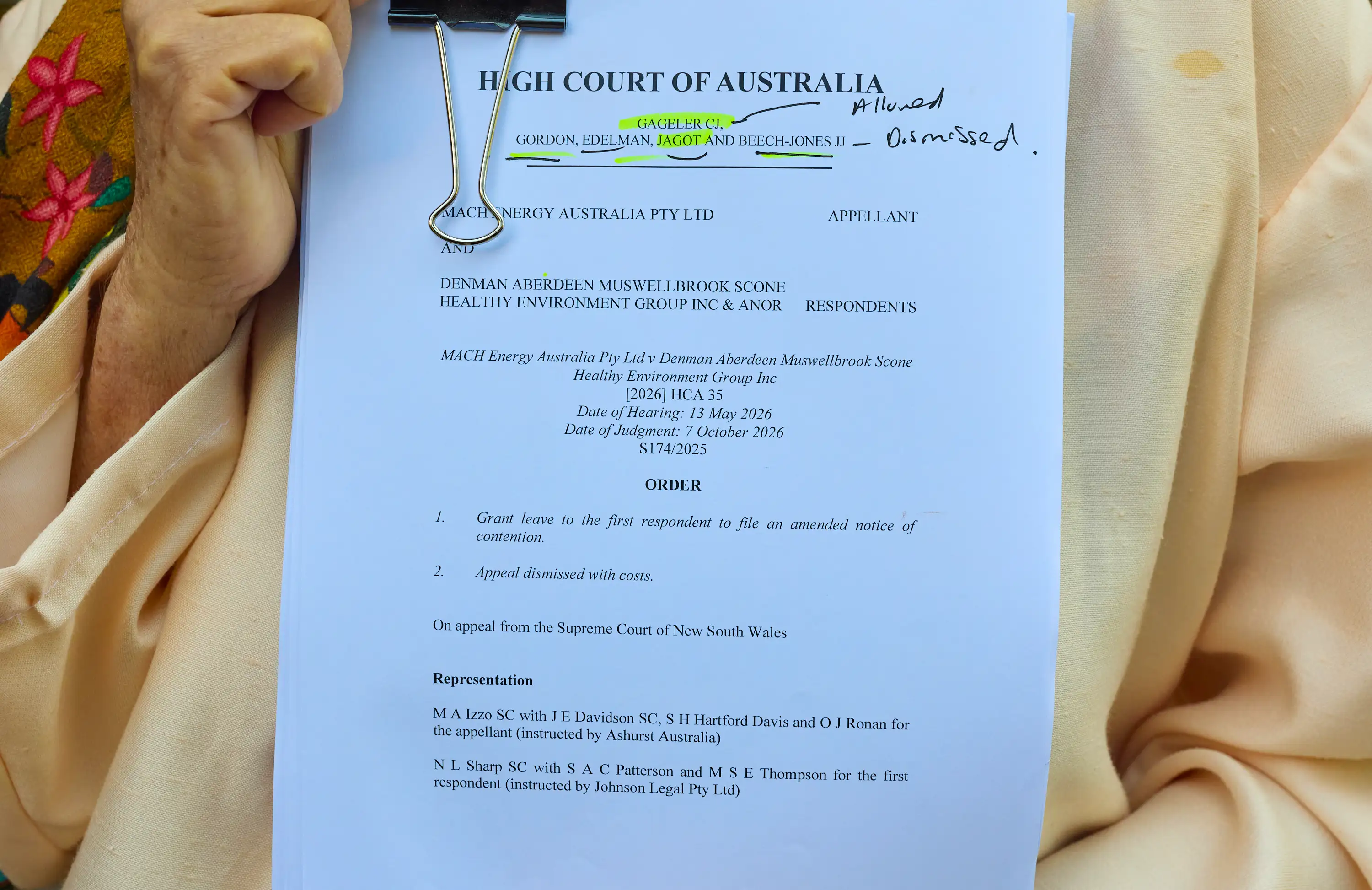
It began with a legal suit by a small, local environment group in New South Wales.
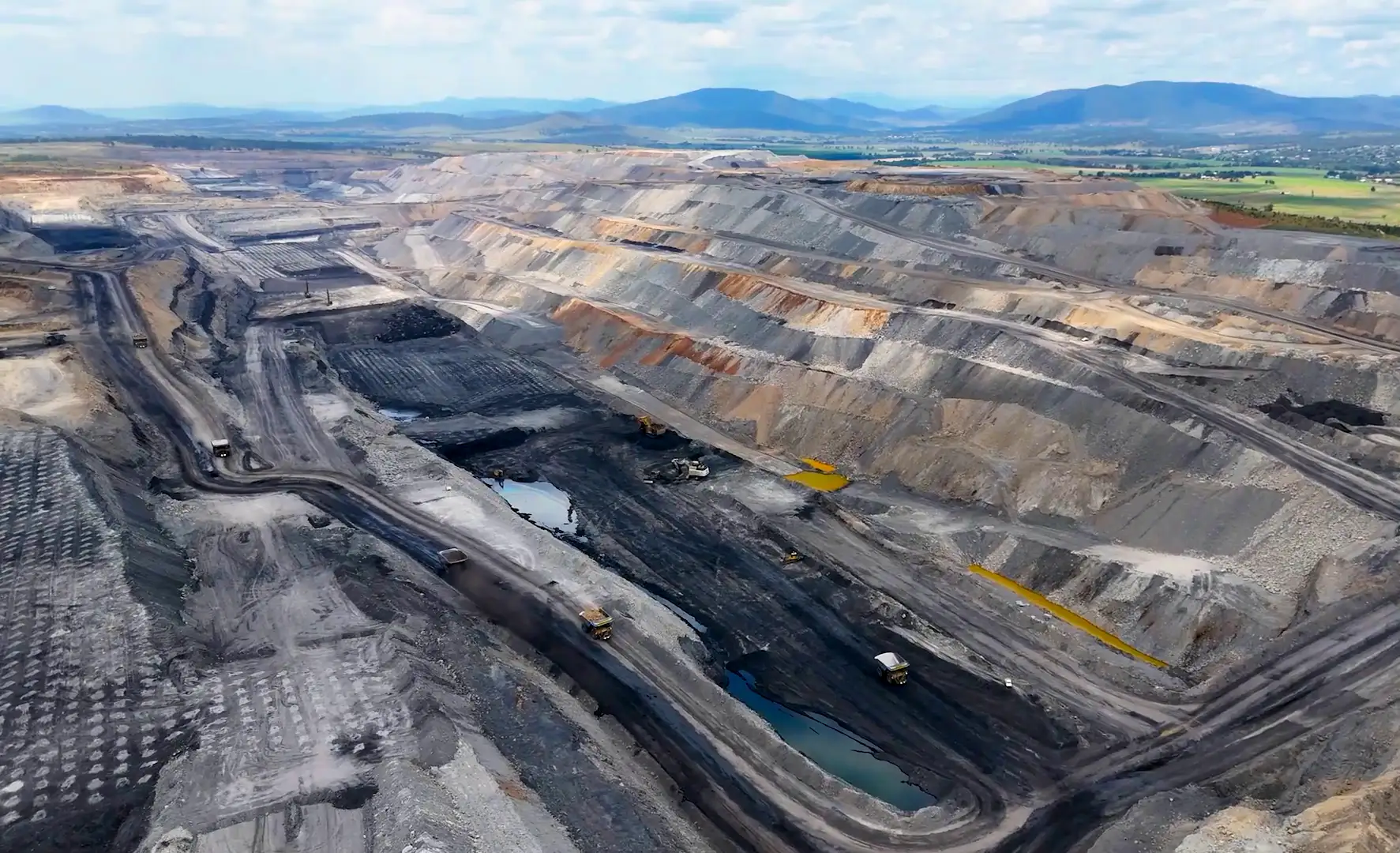
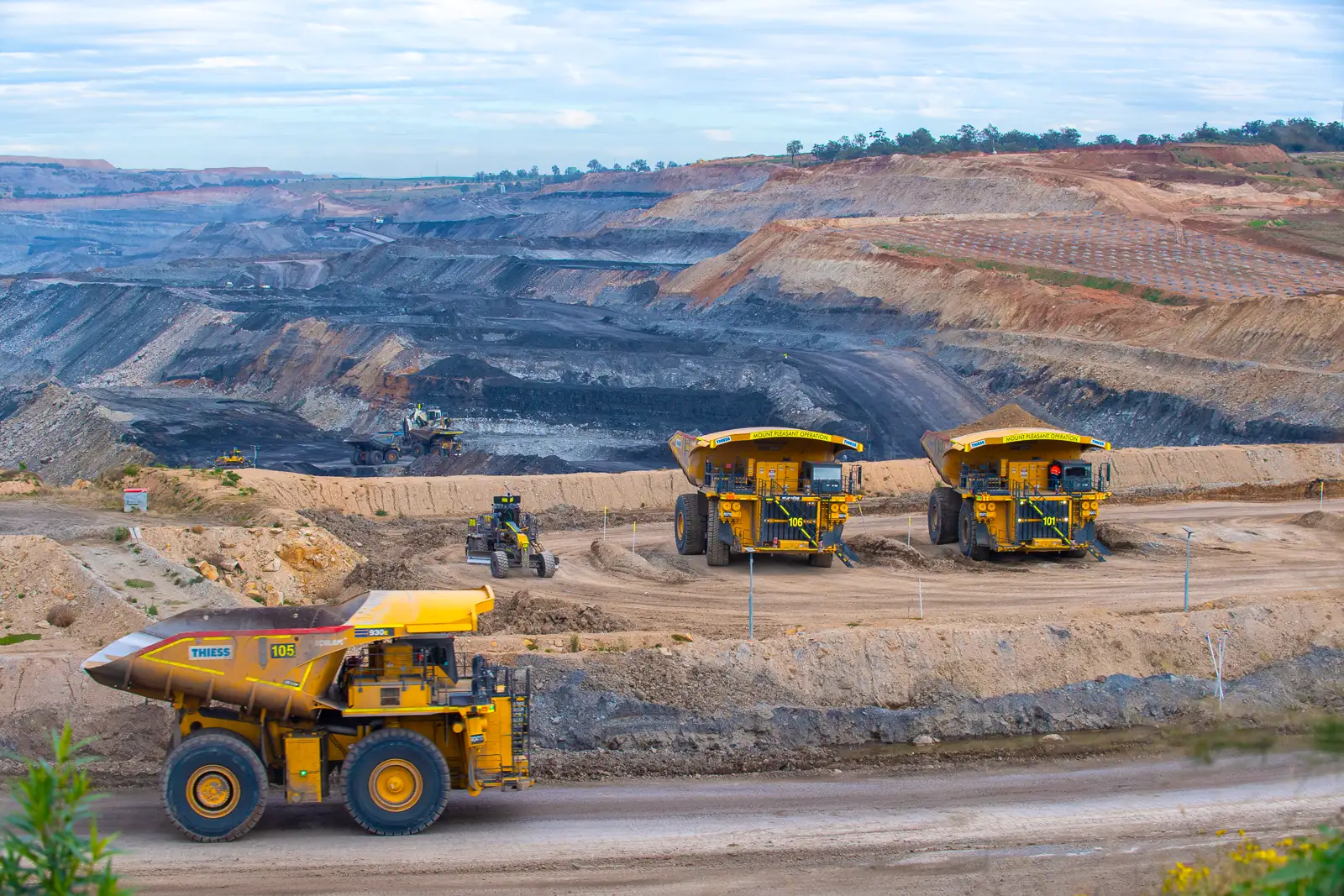
The Denman Aberdeen Muswellbrook Scone Healthy Environment Group sued coal miner MACH Energy Australia Pty Ltd over its open-cut coal mine – the Mt Pleasant mine – in the Upper Hunter Valley in the state’s central east.
This mine was due to close at the end of 2026, but MACH Energy sought, and was granted, a further 22 years to mine coal there, up until 2048.
A local grassroots community environmental group opposed this extension.
The environmental impacts of a coal mine
When coal is burned, it becomes trapped in the earth’s atmosphere, where greenhouse gases are formed that increase a thick blanket heating our planet and helping lead to catastrophic climate change.
The proposed Mount Pleasant expansion would raise the mine's coal output to 21 million tonnes a year, nearly doubling its current annual output, until 2048.
Around 98 per cent of the emissions that this coal mine expansion would produce would be burned by the mainly overseas customers of the coal mine – known in industry jargon as Scope 3 emissions.
The issue before Australia’s High Court was a technical one.
It focused on whether the New South Wales environmental authority – the Independent Planning Commission – did its job properly.
Did it consider the likely impacts of the Mt Pleasant coal mine extension, including environmental impacts, in the locality of the mine?
Up until this decision, almost all Australian legal authorities accepted there was a loophole in Australian climate law that meant that Scope 3 emissions did not have to be considered when looking at the environmental impacts of a coal mine.
This meant authorities only had to factor the impact of the local emissions produced at the coal mine itself (for example, by diesel-powered mining trucks working on the site), not the emissions of the coal it dug up.
And, as the coal was to be exported around the world, the underlying assumption was that someone else would have deal with this issue.
The environmental argument in this case was that, when it comes to climate, emissions on the other side of the world affect all of us in Australia.
The climate is a global phenomenon, and this means we have a legal obligation even over the coal and gas we send overseas.

The problem with climate accounting
My colleagues at Melbourne Climate Futures (MCF), led by Professor Jacqueline Peel, appeared as amicus curiae in this case (that is, as ‘friends of the court’ who have expertise that could shed light on the issues before it).
They provided important context about how emissions are treated under international law and in other countries' legal systems.
Crucially, MCF pointed out that dividing emissions into ‘scope 1, 2 and 3’ is merely a climate accounting measure.
This distinction became central to the ruling, with Justice Gordon adopting the MCF submission's reasoning in the majority decision, stating:
"There is no reference to emissions "scopes" in the UNFCCC [United Nations Framework Convention on Climate Change] the Paris Agreement, or any other international law at the treaty or customary level. The impact of greenhouse gas emissions is the same, regardless of how they are categorised."
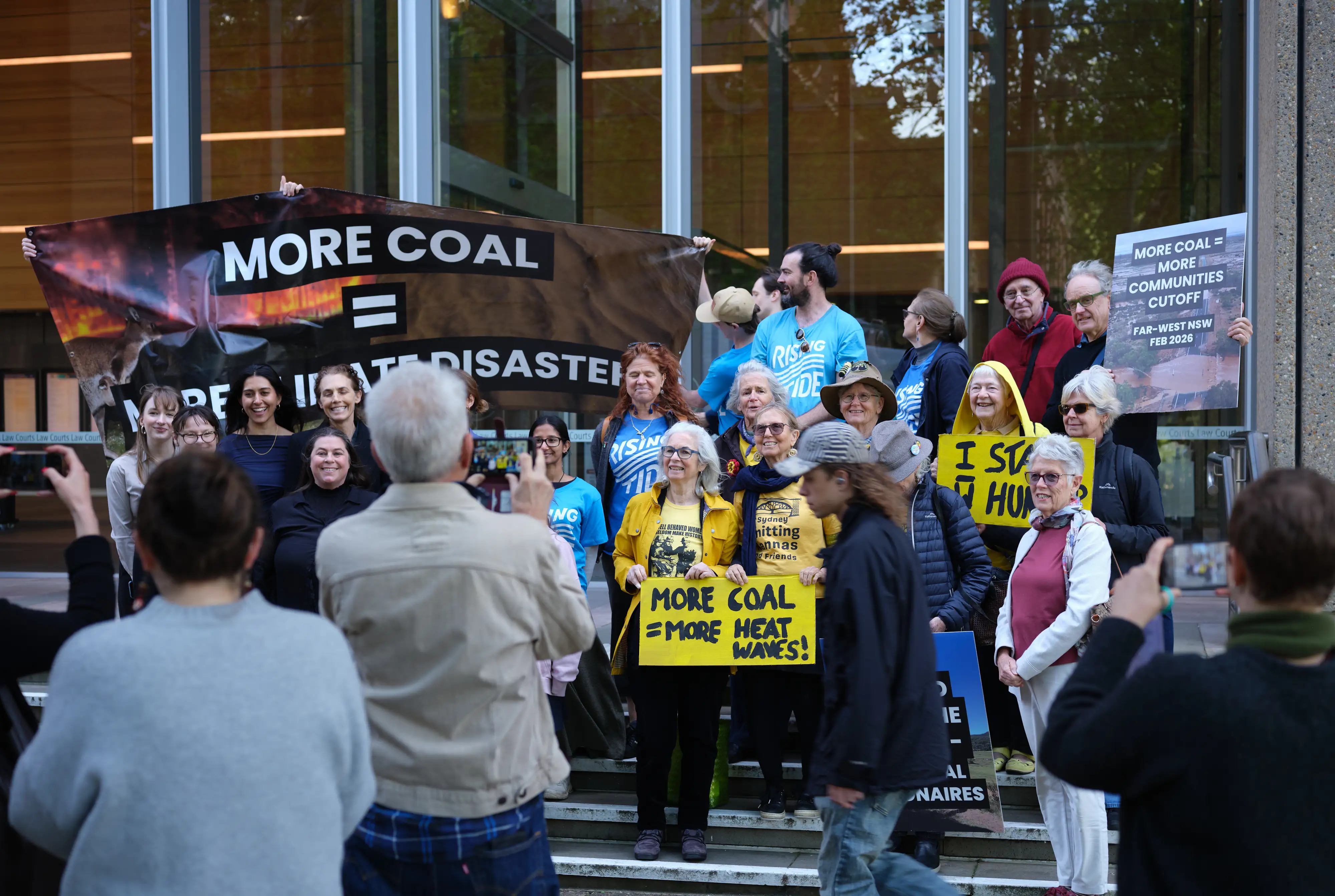
In the first case Australia's highest court has heard on climate grounds, the majority has ruled that all emissions must be considered for their effects on the local environment.
Beyond the law of one state
The case put a key climate question to the High Court for the first time. Must environmental authorities weigh a fossil fuel project's contribution to climate change before approving it?
So, while this is decision is law only in the state of New South Wales, it will be highly influential across Australia.
We can expect more litigation in both New South Wales and nationally because the legal loophole that allowed authorities to ignore the emissions produced by the coal and gas we export overseas is now likely closed.
This is not necessarily the end of the Mt Pleasant coal mine.
The Court’s decision means only that the New South Wales regulator must look again at its original decision and consider the climate impacts of all the emissions associated with the coal that is dug up.
It may consider these impacts and decide to approve the coal mine anyway.
But critically, this ruling has established legal principle about climate safety at the highest level in Australian law.