Sciences & Technology
Keeping Australian livestock fed when climate disasters hit


The endangered long-footed potoroo – a fungus-eating marsupial – is experiencing changes to its diet in a warming climate, which may impact the health and resilience of southeast Australian forests


Published 3 February 2026
If you’ve ever been for a walk in the forest or poked around your local park, you’re probably familiar with seeing mushrooms popping up as the weather turns cooler.
But you’re not the only one.
Many of our native mammals – common brushtail possums, swamp wallabies, bush rats and greater bilbies, among many others – take advantage of mushroom season.
A handful of these animals are fungal specialists, including potoroos and bettongs - small, nocturnal marsupials which rely on fungi for at least 85 per cent all year round.
These specialists look under the leaf litter or deeper in the soil for truffle-like fungi. This element of their diet is essential for both their own health and the health of their natural environment.
But what happens when a warmer climate starts to narrow their options? Our research prompts us to consider the potential domino effects.
Sciences & Technology
Keeping Australian livestock fed when climate disasters hit
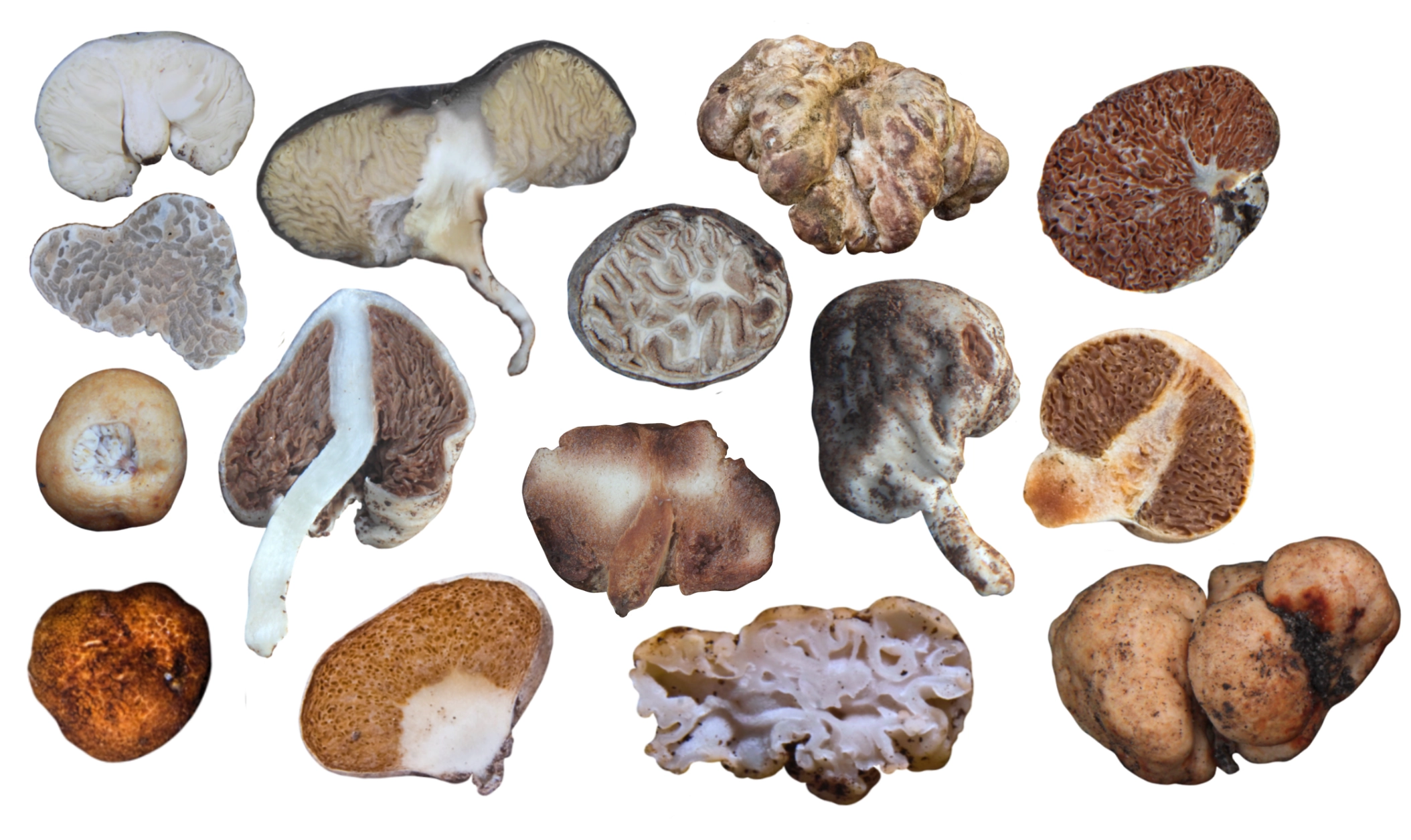
Australia is a global hotspot for truffle-like fungi, with potentially thousands of species central to supporting the health of our forests.
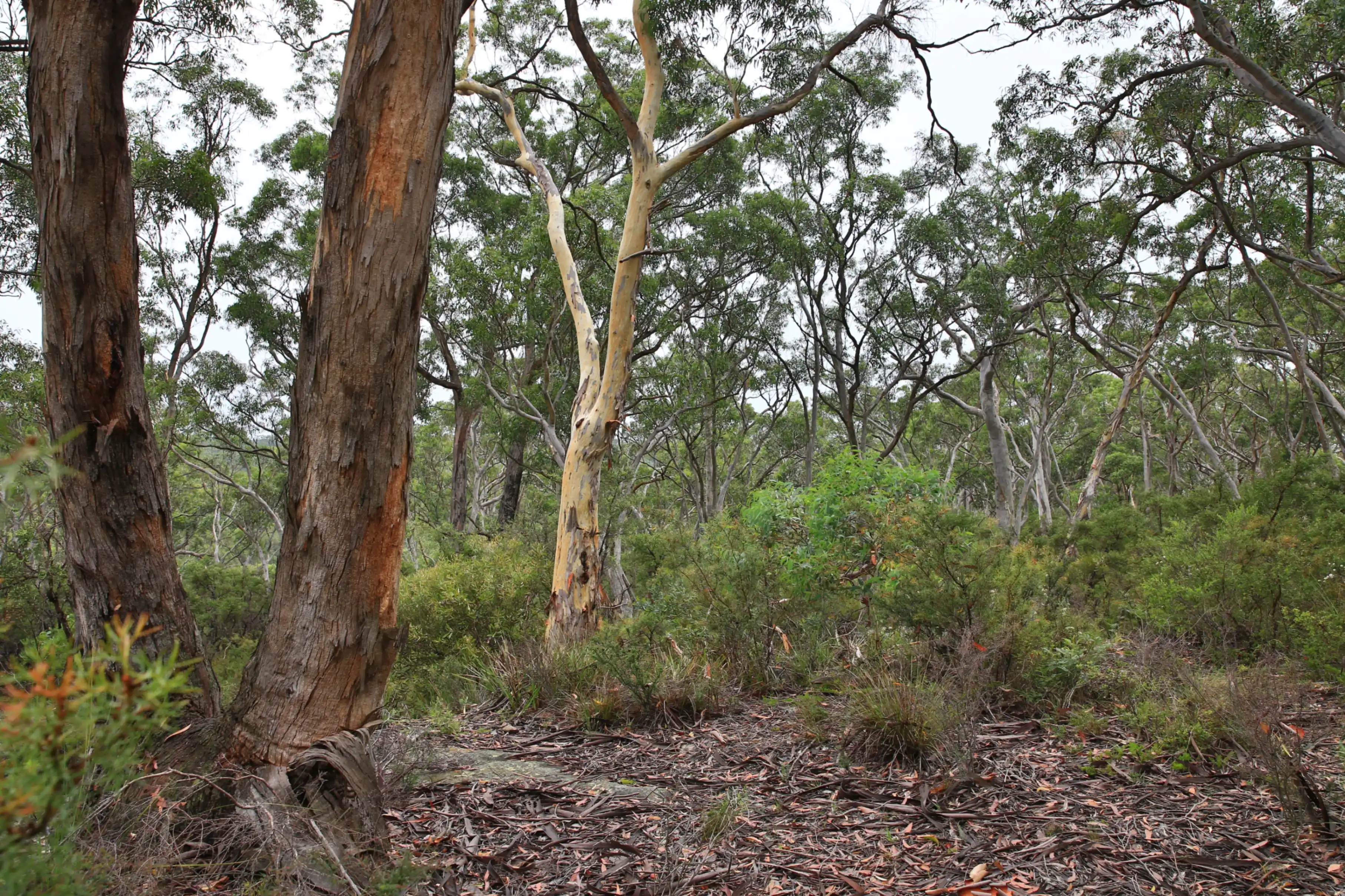
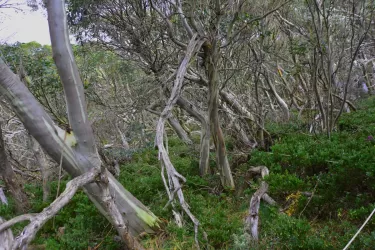
They can form ectomycorrhizal symbioses – relationships that offer bidirectional nutrient exchange – with many of our native trees like eucalypts. Ectomycorrhizal fungi help support tree health, growth and resilience to environmental stresses like climate change.
Unlike mushroom-forming fungi, which can disperse their spores easily on the wind, truffle-like fungal spores are tucked away inside their sporing bodies, which are buried underground.
Luckily for these truffles, potoroos and bettongs have co-evolved alongside them to dig them out of the ground, eat them and disperse their spores in their scat.
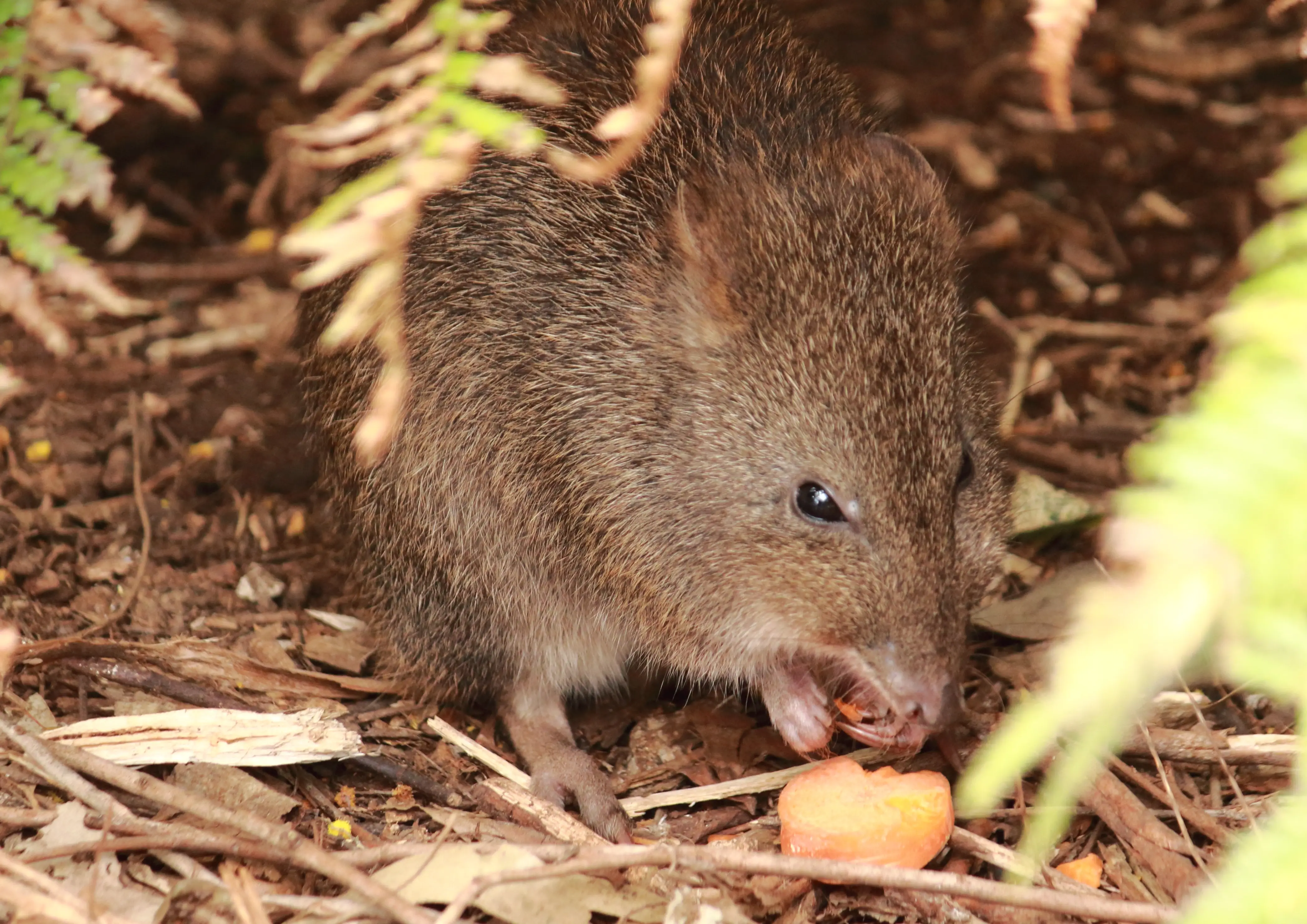
The long-footed potoroo, in particular, is believed to be among the most mycophagous (fungus-eating) mammals in the world.
Because they consume and disperse a high amount and diversity of truffle-like fungi, they play a crucial role in supporting these ectomycorrhizal symbioses and broader forest health across their environment in southeastern Australia.
But long-footed potoroos are endangered. And climate change may put further pressure on this species, as well as many others worldwide. Meaning the health and resilience of both the animal and their habitat are at risk.
To investigate how a warming climate might shape the diets of long-footed potoroos over time, we partnered with staff at Royal Botanic Gardens Victoria, Commonwealth Scientific and Industrial Research Organisation (CSIRO) and Victorian State Government Department of Energy, Environment and Climate Action (DEECA) to figure this out the only way we knew how.
By looking at a whole lot of poo.
Over a 23-year period, staff at DEECA collected hundreds of scats from long-footed potoroos.
Our team analysed the fungal 'environmental DNA' present in each scat (a process known as eDNA metabarcoding) to track which species of truffle-like fungi potoroos were eating.
Our results suggest that potoroos eat a smaller range of truffle-like fungi species in warmer conditions. But in the context of a changing climate, as average temperatures have increased since the 1990s, the number of species consumed by long-footed potoroos year-on-year has decreased.
This is concerning on a few fronts.
Firstly, variable nutrition between fungal species means the already endangered long-footed potoroo could experience negative consequences for their health and reproduction due to a lack of fungal dietary diversity.
Secondly, given that truffle-like fungi rely on mycophagous mammals for spore dispersal, reduced consumption and dispersal under warming climates pose big problems for these understudied fungi.
Many are not yet known to science, so we could be at risk of losing species that we have not yet recorded.
Sciences & Technology
Bushfires are changing the ‘hidden’ understorey in our forests
Lastly, and perhaps most importantly, reduced dispersal of truffle-like fungi could influence the mycorrhizal partnerships that underpin the health and resilience of our forests.
The abundance and diversity of ectomycorrhizal fungi have been linked to the health of their eucalypt partners. A reduction in this diversity could lead to the loss of key functional roles that support the adaptation of trees to climate change.
This raises concerns about the resilience of many ectomycorrhizal relationships between forest trees and fungi in the face of climate change.
We need further research to investigate the impacts of reduced truffle-like fungal diversity on both potoroo diets and their ectomycorrhizal partners.
This research is urgently needed as the climate continues to become warmer and drier, leading to fewer of these ectomycorrhizal tree partners due to drought and increased fire intensity and frequency.
Our research team aims to continue building our understanding of the relationship between truffle-like fungi and the endangered long-footed potoroo to learn how best to conserve these organisms under a continually changing climate.
Understanding these relationships will be essential for conserving not only the long-footed potoroo, but also their understudied truffle-like fungal partners, and the forests they so crucially support.