
Sciences & Technology
We need to keep Big Tech in check



The rise of unethical practices that exploit Australian consumers, through the rapidly growing subscription economy, highlights the need for up-to-date legal and regulatory frameworks

Published 1 December 2025
The Australian Competition and Consumer Commission (ACCC) has recently begun proceedings in the Federal Court against Microsoft for allegedly misleading 2.7 million consumers into increasing their subscription costs.
According to the ACCC, since October 2024, Microsoft allegedly told its subscribers that in order to keep their existing services, they would need to integrate its new AI-powered assistant, Copilot.

But this came at a higher price. So, Microsoft was accused of pressuring customers to accept the upgrades using misleading information.
This lawsuit spotlights a growing problem of unethical subscription practices that exploit Australian consumers in an era where subscription-based models are increasingly becoming the new norm.
In Australia, research shows that the subscription trend is booming, with eight in ten Australians now paying for at least one subscription service.
That’s a 11 per cent increase since 2018.
Globally, the subscription economy was projected to reach a market size of around AUD$2.3 trillion by the end of 2025, more than double its value in 2020.
Sciences & Technology
We need to keep Big Tech in check
Across the software, entertainment and automotive industries, companies are increasingly shifting towards subscription models to generate steady, recurring revenue while building a lasting relationship with their customers.
With subscription businesses growing by more than 300 per cent between 2012 and 2018, it’s important to understand how this model works.
In its most basic sense, a subscription model is a business model where a customer pays a recurring fee at regular intervals to gain access to a product or a service, rather than making a one-time purchase.
These recurring payments are commonly made on a weekly, monthly or yearly basis, depending on the kind of product and/or service.
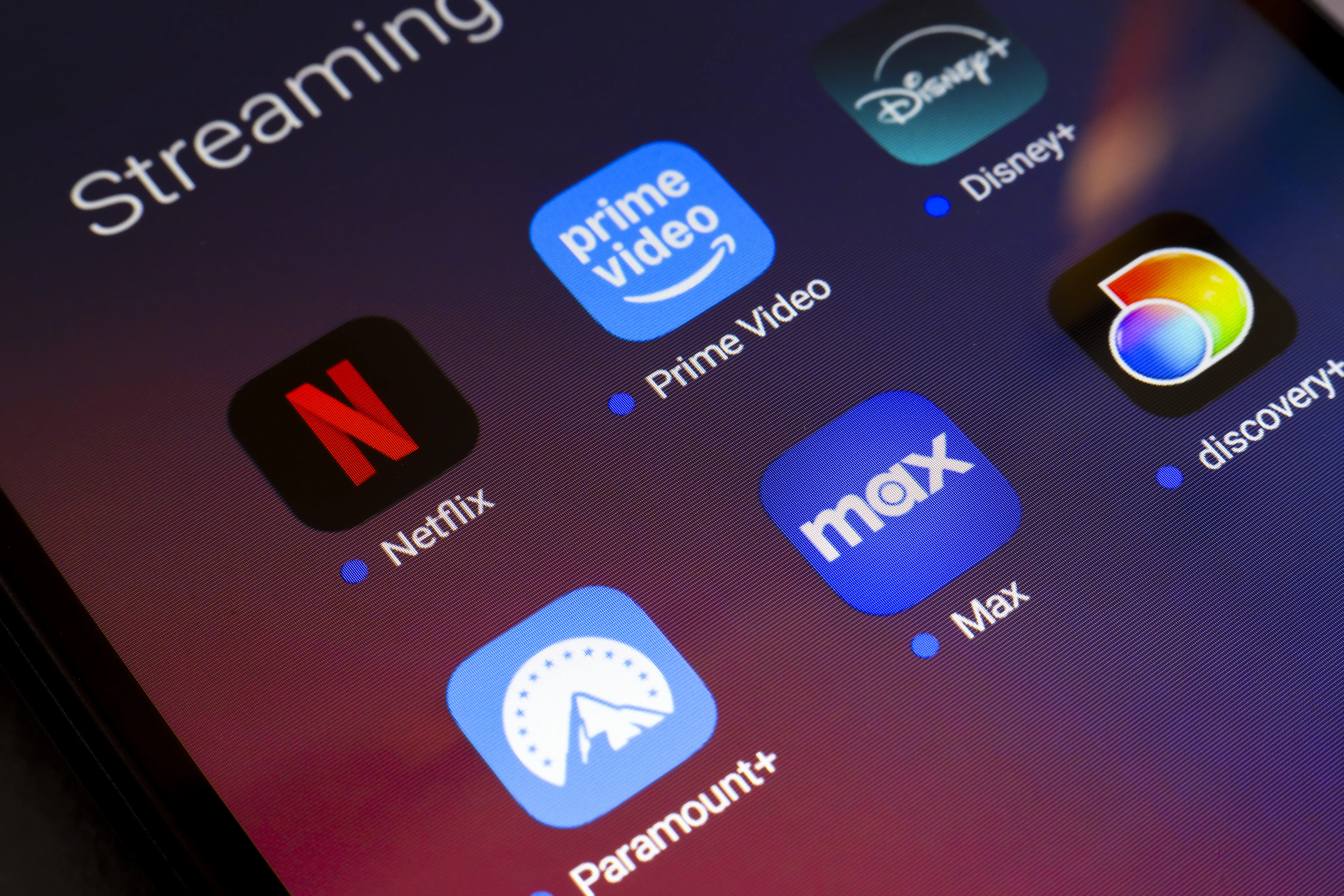
Although subscriptions have been around since the 17th century, it’s only recently that these models have taken off.
This can be partially attributed to the COVID pandemic, which forced companies to transform their business models. Research also suggests that younger generations are increasingly embracing subscription plans, with 35 per cent of millennials forking out over AUD$150 each month on subscription services.
Australians have embraced the pay-as-you-go lifestyle, with around 78 per cent of us having at least one active subscription. The most common subscriptions are streaming movies and TV shows, followed by music streaming services.
The appeal for subscriptions is simple.
For businesses, it provides a reliable and recurring source of revenue. Software companies like Adobe, Zoom, and Microsoft are good examples, moving towards subscription-based models – also known as Software as a Service (SaaS).

Politics & Society
The game is up for corporate fraudsters
For consumers, subscriptions offer convenience and on-demand access. With payments spread out over time, customers can enjoy the benefits without the hefty upfront cost of ownership.
This is particularly appealing for expensive or complex purchases, which often require a substantial financial investment. With no upfront costs, consumers also have the flexibility to opt out at any time without any significant losses.
Or at least that’s the theory.
But some companies are resorting to manipulative and unethical practices to keep their customers locked in.
According to the ACCC’s lawsuit, Microsoft allegedly misled customers about their plans, failing to disclose their option to retain their existing features at the original price.

Instead, this option was only revealed after users clicked on the ‘Cancel Subscription’ button.
These kinds of misleading practices are becoming increasingly common across subscription-based platforms.
Research by the Consumer Policy Research Centre (CPRC) has revealed the use of manipulative tactics to trap Australians – ranging from lengthy cancellation processes to spam messages after users opt out.
This has led to some Australians paying up to AUD$1261 per year on unused subscriptions.
As a result, about a third of Australians feel pressured to keep a subscription, and one in 10 Australians admit they’ve simply given up trying to cancel, continuing to pay for a product/service they no longer need.

A common subscription tactic you’ve no doubt seen is the ‘30-day free trial’ that requires your credit card upfront.
If you don’t actively cancel before the trial ends, it automatically converts to a paid plan. Many people forget or delay cancelling, so they end up paying for a service they barely use.
Across age groups, over two-fifths of boomers expressed frustration when pausing subscriptions and difficulties managing all subscriptions in one place.
In fact, making things difficult can have the opposite effect for companies wanting to retain customers. Nine out of 10 Australians say they are more likely to buy from the same company if they have a straightforward cancellation process.
Australia is trailing behind the rest of the world in consumer protection laws that discourage unethical subscription practices.

Our consumer protection laws and regulations must evolve in line with the emerging risks of modern subscription models.
Regulatory bodies like the ACCC must keep a close eye on companies to protect consumers’ rights. Ultimately, the ACCC’s lawsuit against Microsoft should serve as a cautionary tale to other companies employing similar tactics.
But as the subscription economy continues to grow, businesses have the responsibility to steer clear of subscription traps that make cancellations difficult and frustrate customers in the process.
After all, subscriptions should be just as easy to cancel as they are to sign up for.