


What to expect from COP31 – and why it matters
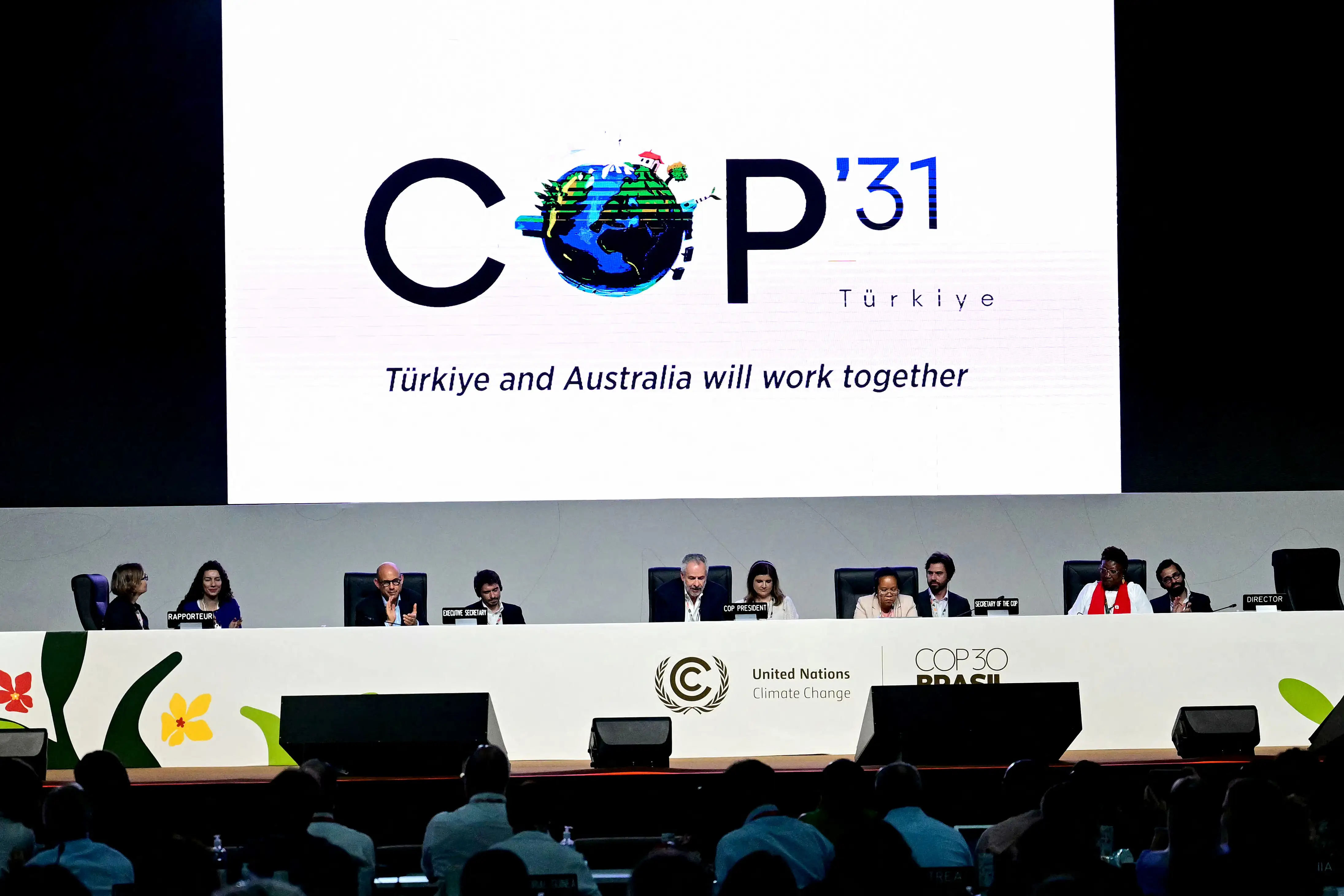
Australia and Türkiye will soon be the first countries to share hosting rights for a COP meeting. So how will this arrangement play out, and what are the opportunities?

Published 2 October 2026
In November 2025, the long-running tussle between Australia and Türkiye over which country will host this year’s United Nations climate conference was finally settled – in a tie, of sorts.
The annual Conference of the Parties – or COP – is the supreme decision-making body of the United Nations Framework Convention on Climate Change (UNFCCC).

Its outcomes determine the actions that nearly 200 signatories to the UN Climate Agreement must take in the coming years.
For the first time in its 31-year history, Australia and Türkiye will split hosting rights, with Türkiye as the overall host and Australia leading the negotiations.
But how exactly will this arrangement play out? And what are the potential drawbacks and opportunities?
The unusual hosting arrangement
Under usual circumstances, the President from the host country, under the guidance of the COP, has full authority to oversee proceedings, adopt decisions and maintain order.
The COP31 co-hosting arrangement has divided the responsibilities between the two nations.
The Turkish Environment Minister, Murat Kurum, is the COP31 President-Designate, while the Australian Minister for Climate Change and Energy, Chris Bowen, has been appointed as President of Negotiations to lead the proceedings.
In practice, this means Türkiye will ensure compliance with the UNFCCC procedural rules, including agenda setting and decision adoption. It will also oversee the adjacent ‘Action Agenda’, which brings together business, civil society and other groups focused on accelerating implementation actions.
In contrast, Australia will ‘exclusively’ steward the negotiations, giving it substantial political and technical leadership, but not necessarily control over the Summit's overall outcomes.
Moreover, Australia will support and lead the Pre-COP negotiations commencing on 5 October in Fiji and Tuvalu.
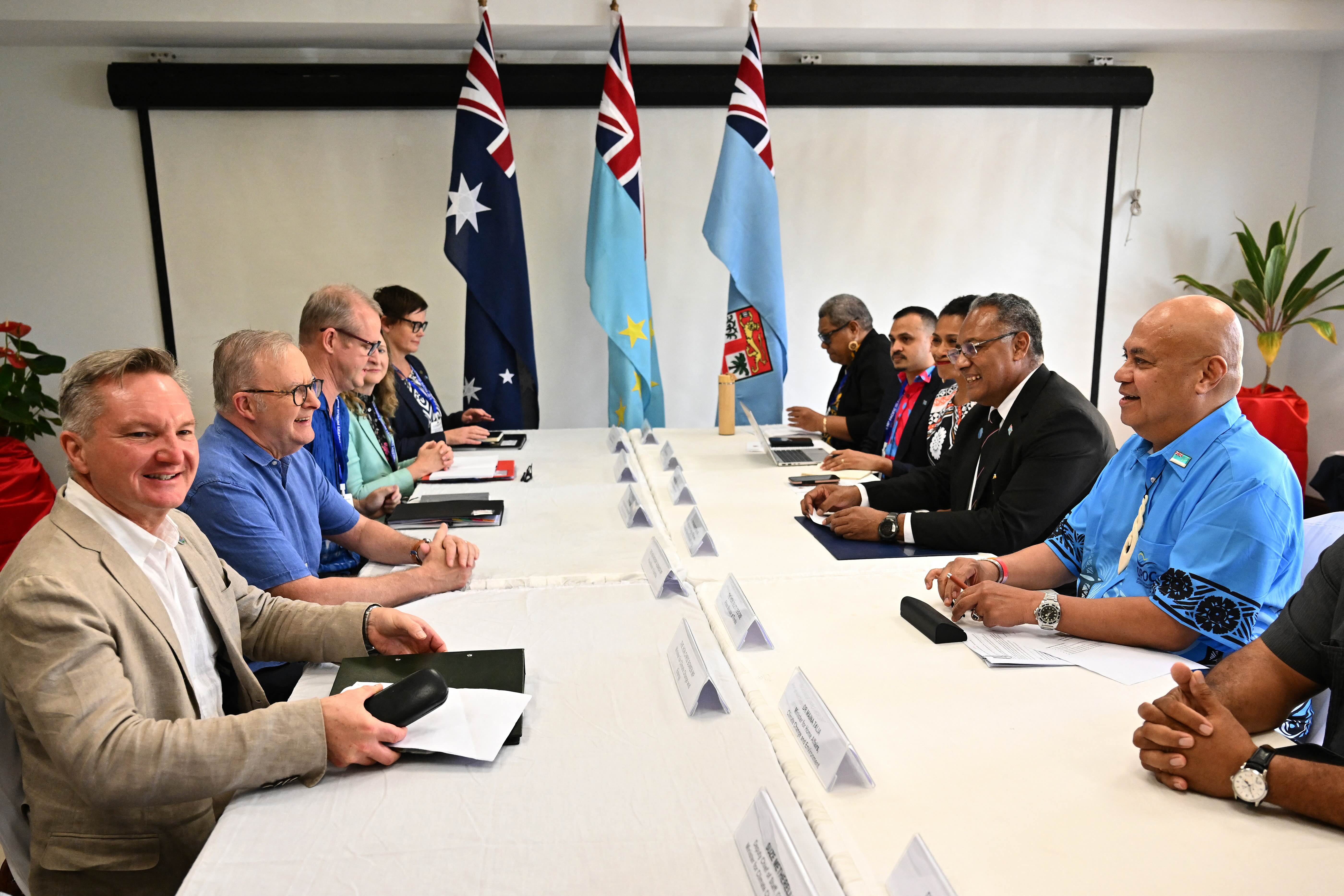
It's an unusual arrangement to have a Pre-COP in a different part of the world. And while Pre-COPs are typically low-key and technically focused, this year’s is attracting a greater presence of leaders and civil society.
Conflict or consensus?
The key question arising from this unprecedented co-hosting arrangement is how to balance the exercise of powers between Australia and Türkiye’s parallel COP31 Presidencies.
Leadership through mutual consultation is repeatedly emphasised in official communications from the COP31 Presidency.
In the event of any differences of opinion, both countries will hold consultations to reach a mutually satisfactory conclusion.

However, there remains little detail around the procedural aspects of these consultations or how the disagreement-resolution process will play out.
This raises concern about slowing the pace of negotiations, even creating a stalemate on crucial procedural aspects, like agenda setting or decision adoption.
What will happen if they fail to reach an agreement on a particular agenda item, like whether to mention countries’ plans for phasing out fossil fuels?
Will problematic issues be pushed back to the next session or sidelined, causing disappointment among climate-vulnerable developing countries? This happened in 2025 when Saudi Arabia declared any mention of fossil fuels in the decision outcomes a ‘red line’ issue?
Considering all these aspects, experts are concerned about who will hold the gavel when the final text is adopted.

What’s at stake?
A recent United Nations report found that we will likely pass 1.5°C above pre-industrial temperatures in 2030.
However, intensified measures to phase out fossil fuels and reduce emissions could see this overshoot limited to 1.8°C. Further carbon removal methods could then be used to bring temperatures back to 1.5°C or below this century.
To achieve this, nations must agree – and follow through – on urgent climate commitments, both to accelerate emissions cuts and to implement carbon drawdown for hard-to-abate emissions like those from aviation or heavy industry.
Even a limited overshoot will have (and is already having), a dramatic impact on health and biodiversity.

In the wake of the catastrophic flash floods exacerbated by glacial melting in Nepal, the impacts of climate change on human and environmental health have never been more evident.
At the heart of climate negotiations remains the question of who should pay for the just transition away from fossil fuels.
The United Nations has declared that climate finance should reach US$1.3 trillion a year by 2035 to fund a just transition away from fossil fuels, as well as climate adaptations like coastal protections and early warning systems.
Of this, at least US$300 billion should be mobilised annually for developing countries.
So the spotlight is clearly on rich countries and others in the G20 – who are responsible for around 80 per cent of global emissions – to deliver on their financial promises.
Why is the Pacific setting so important?
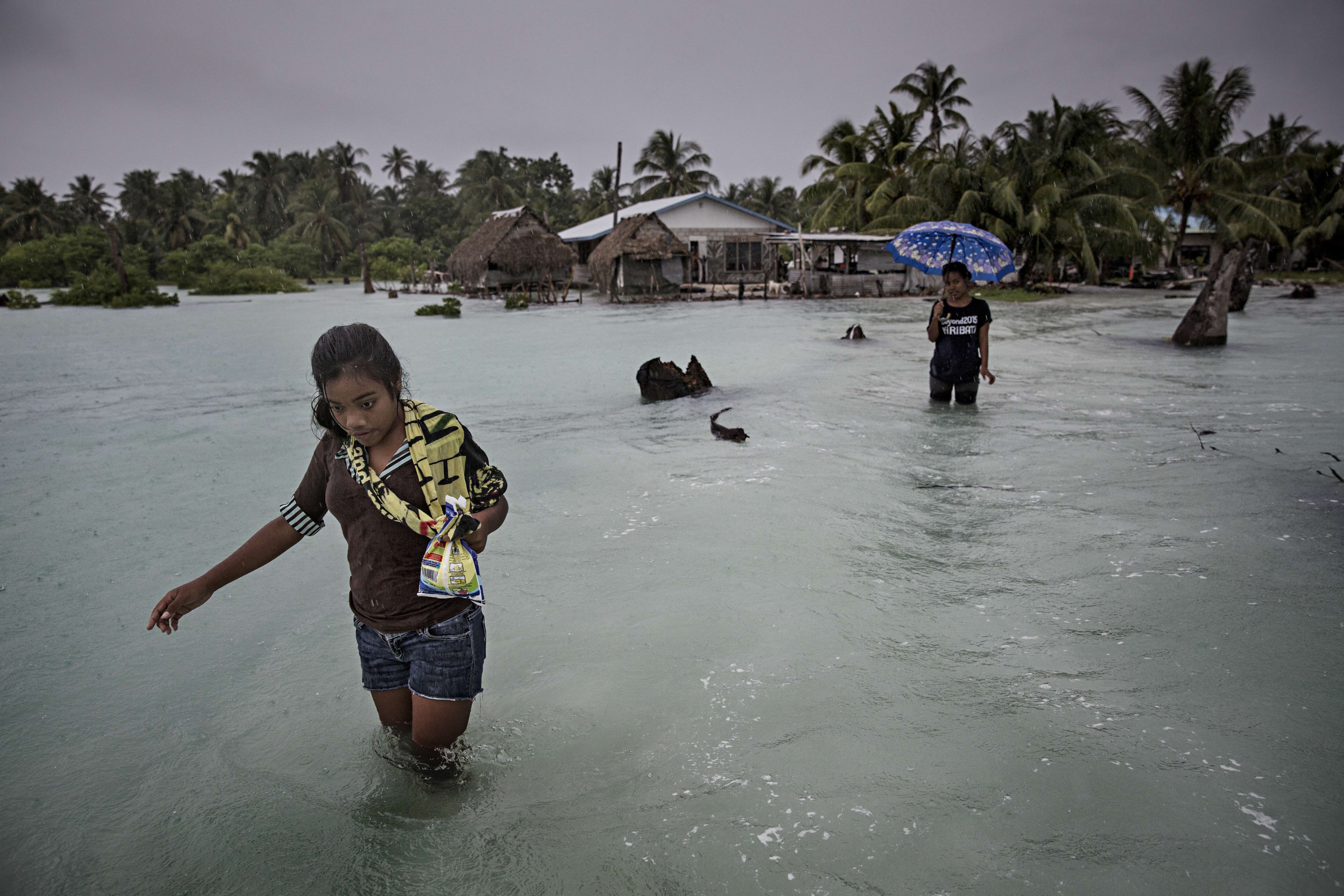
Australia's initial bid to host COP31 was made in partnership with the Pacific to give a stronger voice to the region's Small Island Developing States, for whom the stakes are among the highest.
While many Pacific leaders expressed disappointment at Australia’s acquiescence to Türkiye’s bid, the quid pro quo negotiated by Australia was to host the Pre-COP31 negotiations in Fiji and Tuvalu.
While the Australian Federal Government has faced criticism at home over Pre-COP costs, Prime Minister Albanese and Minister Bowen have each insisted that they have attracted more national leaders, ministers and high-level climate envoys to the COP curtain-raiser than ever before.
However, Australia continues to face criticism from the Pacific for doing too little to move its economy away from fossil fuel production.
Sciences & Technology
Pacific farmers are reviving traditional knowledge to tackle a changing climate
The power of COP
With the political responsibility Australia holds in the upcoming negotiations, it has an opportunity to demonstrate a real commitment to improved climate policies and good-faith relations with its Pacific neighbours.
Each year’s COP agenda plays a significant role in shaping negotiations towards sustainable climate decision-making.
COP21 saw the adoption of the Paris Agreement, COP28 concluded the first global stocktake on progress towards the Agreement, and COP29 adopted the New Collective Quantified Goal on Climate Finance.
Despite the novelty of this year’s co-hosting arrangements, they present an opportunity for climate summit reform. If successful, this shared leadership model could pave the way for multilateral arrangements that better foreground climate-vulnerable countries.
Come November, we will see the effectiveness of consultation between Australia and Türkiye during negotiations and COP decision-making, and the progress made on global climate cooperation and action.