Politics & Society
Rebuilding Victoria’s forgotten integrity institution



New laws attempting to keep big money out of Australian politics have also entrenched the major parties, leaving them vulnerable to constitutional challenge in the High Court

Published 9 June 2026
In April, Australia’s High Court struck down almost 100 pages of Victoria's campaign finance laws for violating the Constitution. A new law, rushed through the Victorian Parliament in June, now faces similar questions of constitutionality. And a 2025 Commonwealth law making changes to fundraising rules is also facing a High Court challenge.
Together, they point to a key tension in campaign finance reform: how to limit political donations without favouring the status quo for incumbent parties.
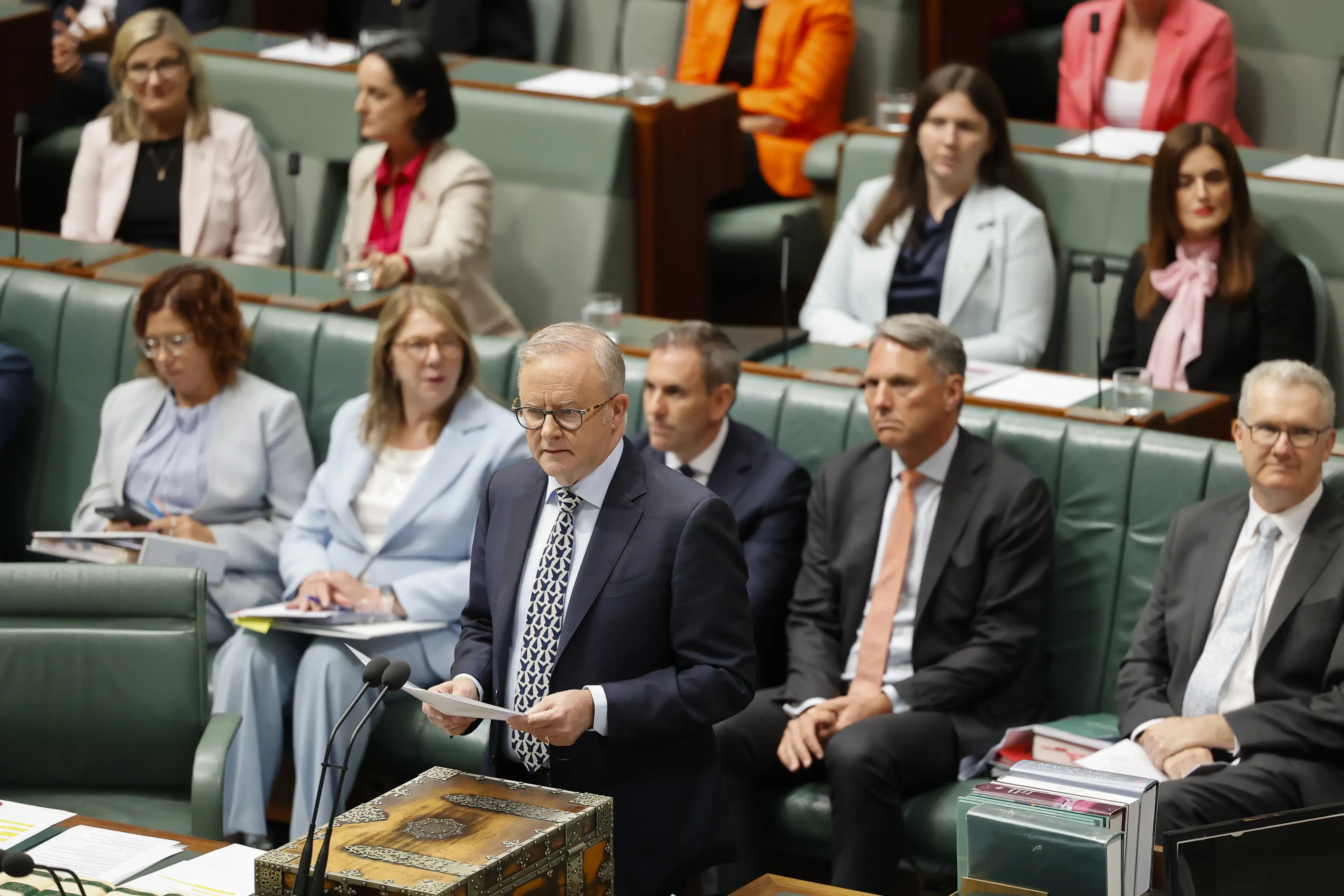
Many Australian governments have failed to properly navigate this tension, combining vital campaign finance reforms (like donation caps and disclosure requirements) with provisions that entrench the position of the major parties by disadvantaging independents and new or smaller parties.
And this entrenchment effect has, in turn, raised constitutional problems.
Designed correctly, campaign finance reform is critical to safeguarding our democracy.
Australia’s High Court has held that limiting political donations can stop wealthy interests making large donations to political parties in return for specific policies. This kind of quid pro quo clientelism, it argued, undermines the “quality and integrity of governmental decision-making”.
In recent years, the Australian federal and state governments have moved to create limitations on political donations.
Politics & Society
Rebuilding Victoria’s forgotten integrity institution
If we look back at 2018, the Victorian government led by Daniel Andrews passed laws that capped donations at AU$4,000 over a four-year parliamentary term. It stated that these laws were aimed at putting “an end to individuals and corporations attempting to buy influence in Victorian politics”.
In 2025, the Commonwealth government passed laws that limited both donations and expenditure.
It highlighted the ways in which these laws would improve the integrity of Australian elections, with Special Minister for State, Senator Don Farrell, stating they would “tackle the influence of big money across our democracy”.
But these laws had a dark side. They were written in way that advantaged the major parties.
Victoria’s 2018 campaign finance regime is a good example.

It allowed the major parties (Labor, Liberals and Nationals) to continue to receive uncapped donations if these donations were funnelled through “nominated entities”.
But only the major parties were allowed to have these nominated entities.
This loophole effectively created a regime where independents and small parties faced very strict donation caps while the major parties could avoid them by channelling donations through nominated entities.
The Commonwealth’s 2025 law also advantages the major parties.
To take just one example, it allows capped donations to the major parties to be made to each of the party’s state and Territory branches. Bear in mind, Australia has six states and two territories.
Independents lack the national structure of major parties. So, overall, these laws give Australia’s major parties a significant advantage.

Business & Economics
Client-lawyer privilege versus the Australian Tax Office
These mechanisms are more than just bad policy, they’re a constitutional problem.
The High Court has long held that a law cannot deny the Australian people the ability to engage in political communication. That is, unless that law has a legitimate purpose and that law is reasonably appropriate and adapted to advance that legitimate purpose.
The Court has also recognised that donation caps burden the ability of the Australian people to engage in political communication.
The question then turns to whether those donation caps are adapted to a legitimate purpose.
For instance, the Court has held that donation caps are valid if they are reasonably appropriate and adapted to preventing quid pro quo corruption and undue influence on government decision-making.
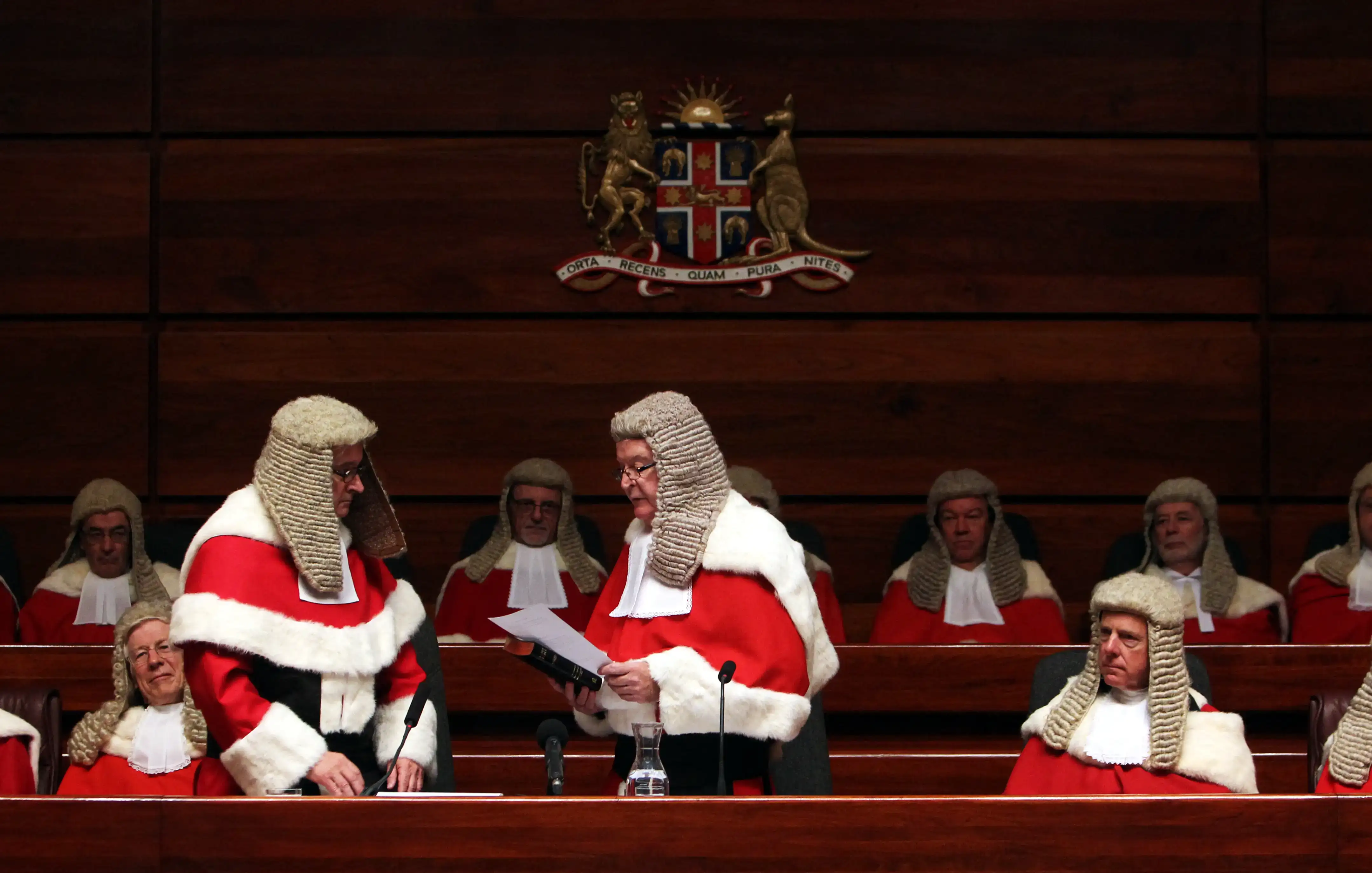
In April, the High Court concluded that Victoria’s public donation caps were not reasonably appropriate or adapted to a legitimate purpose.
The Court effectively argued that the nominated entity exception allowed large donations to continue to flow into Victorian politics, but only to the major parties through their nominated entities.
This outcome meant that the law was not reasonably adapted and appropriate to the purpose of preventing quid pro quo corruption. As a result, the Court struck down almost 100 pages of Victoria’s electoral law.
Currently, the High Court is actively considering a challenge to the Commonwealth law. We should find out by the end of the year if this challenge is successful.
Many think it will be, with a leading constitutional law professor citing a “significant risk” that at least parts of the 2025 campaign finance reform law will be struck down by the Court.

Politics & Society
Section 44: Changing the Constitution to reflect modern Australia
Following the Court’s decision in April, Victoria needed to act quickly to restore the good parts of its political donation caps, including the disclosure requirements.
If it didn’t, it risked allowing huge amounts of dark money (including from overseas) corrupting the upcoming November election.
The state government has now introduced a new Bill to Parliament reintroducing caps and disclosure requirements. This law will allow new candidates and parties to receive double the donation cap in “order to get a foothold”.
However, it also contains provisions that raise constitutional questions.
If we look at just one example, the new law effectively gives the major parties millions of dollars of taxpayer money annually for “administrative expenditure funding”.
It does this through a mechanism in which ‘registered political parties’ annually receive AU$300,000 for the first elected member, AU$100,000 for the second elected member, and then AU$55,000 for each of the third to forty-fifth elected members.
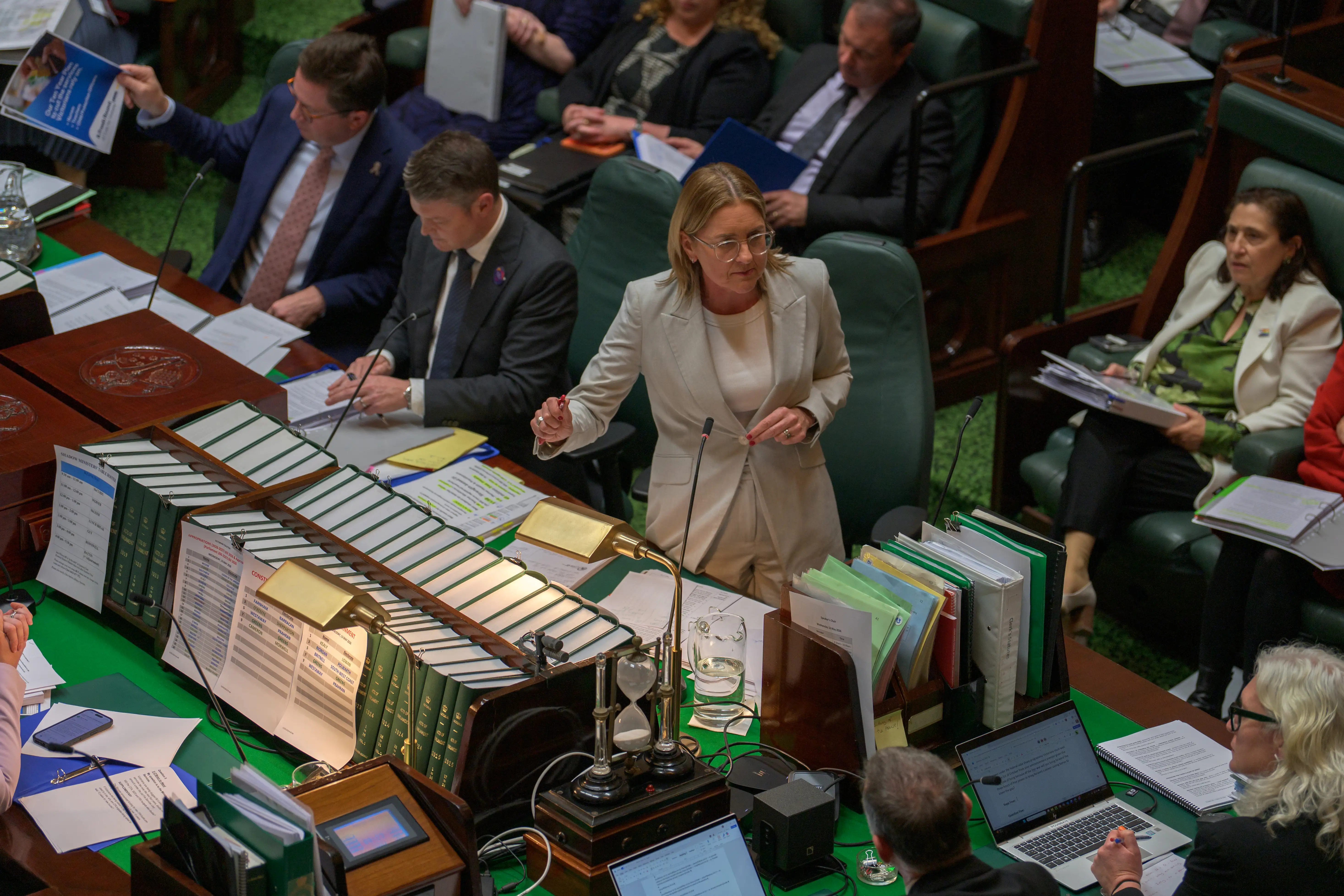
These are vast sums of public money in comparison with similar provisions in other Australian campaign finance laws – in fact, they’re up to ten times more than similar Commonwealth provisions (AU$30,000 per member of the House of Representatives and AU$15,000 per Senator per year).
The large Victorian amounts also add up quickly. Over four years, the major parties are eligible to receive more than AU$11 million in public funding.
New candidates and parties receive nothing.
The Victorian government might argue that this “administrative expenditure funding” is limited to general running costs and standard operations. But these administrative costs support political campaigning.
In fact, giving more than AU$11 million every four years to the major political parties to cover ‘administrative’ costs is likely to allow the major parties to use a greater percentage of their capped political donations on campaigning than smaller parties and independents.
This raises the constitutional question once again. Are these vast allocations of public funding for “administrative expenditure” enough to render these laws unconstitutional?

Politics & Society
The Australia-EU trade deal runs deeper than tariffs
Combined with the other questionable aspects of the law (like loopholes allowing registered political parties to receive ‘annual affiliation fees’ and third party campaigners to spend what they want in support of a candidate), the High Court could find this one unconstitutional as well.
Five months before Victoria’s state election, we did not need to be here.
The Victorian government could have introduced donation caps and disclosure requirements while leaving the more complicated (and potentially constitutionally suspect) provisions until after the election.
Instead, we are now faced with the strong likelihood that these laws will be in the High Court again.
As wealthy donors and dark money corrupt politics in countries like the United States, it’s clear that campaign finance reform is critical to our democracy.
But this reform must be introduced after careful consideration, debate and thought so that it’s not also used to entrench the position of the major parties and keep out independents and smaller parties.
Australia’s democracy depends on it.