

Why do distant conflicts feel so personal?
Social media sends eyewitness accounts of distant wars directly into our pockets – and it’s changing the way young people interpret physical proximity and personal responsibility

Published 5 August 2026
When Australian activist Ethan Floyd joined the Freedom Flotilla mission bound for Gaza, reactions were divided.
Supporters viewed the voyage as an act of solidarity, while critics questioned its effectiveness, legality and health risks. But if we focus solely on the flotilla, we miss a much larger story.
Globally, there's been an increase in the engagement of young people in crises that occur far beyond their national borders – and it has families concerned.
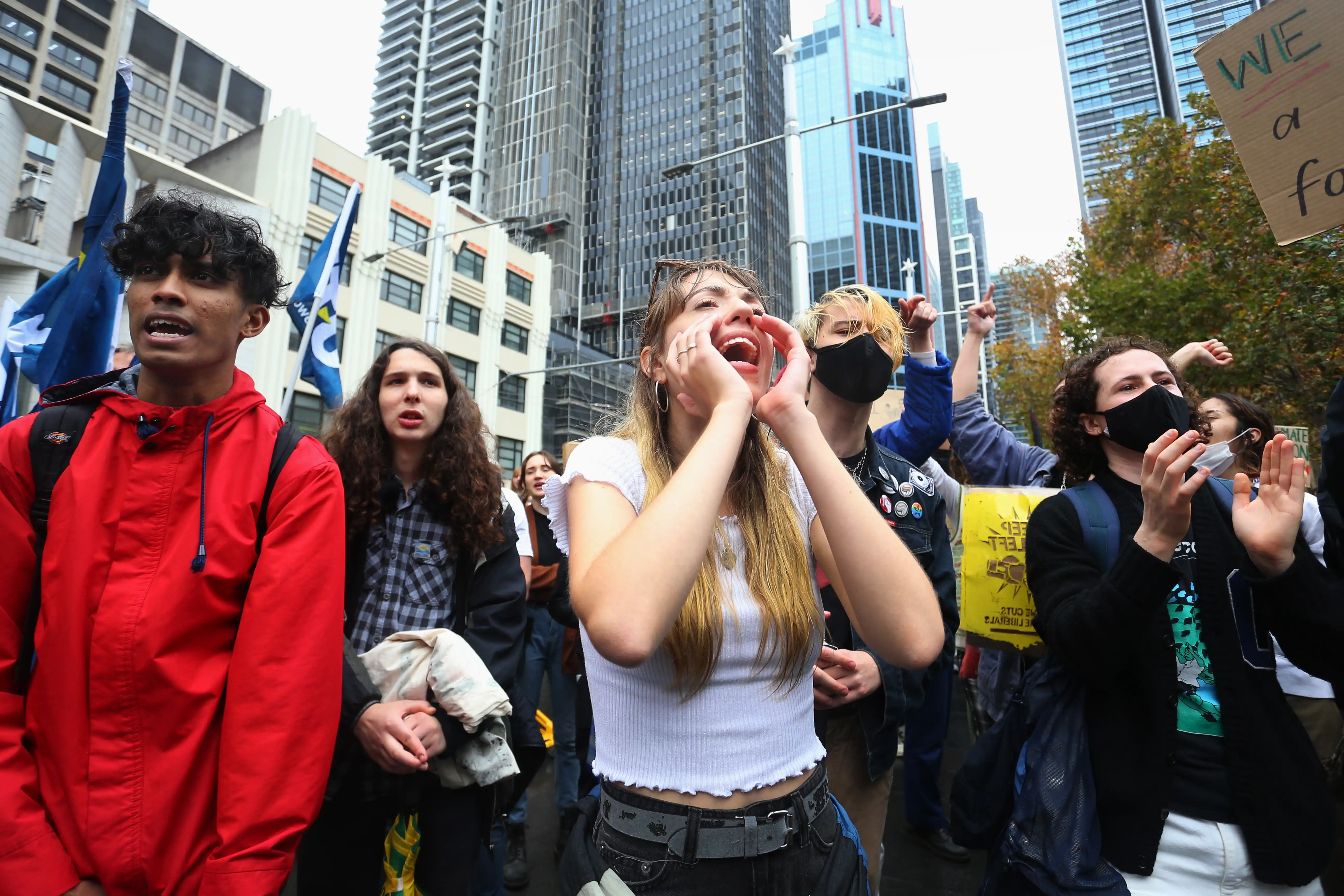
From aid flotillas to climate activists disrupting city centres, it seems there is a willingness of young people to endanger their lives in support of distant causes.
Even the reframing of environmental crises as global moral emergencies instead of national policy debates speaks to a similar psychological shift.
But what makes a young person in Australia feel compelled to respond to a conflict thousands of kilometres away? Why do wars, humanitarian crises and political movements feel personal to people with no direct connection to them?
The collapse of psychological distance
The experience of distance has been transformed by the internet and social media.
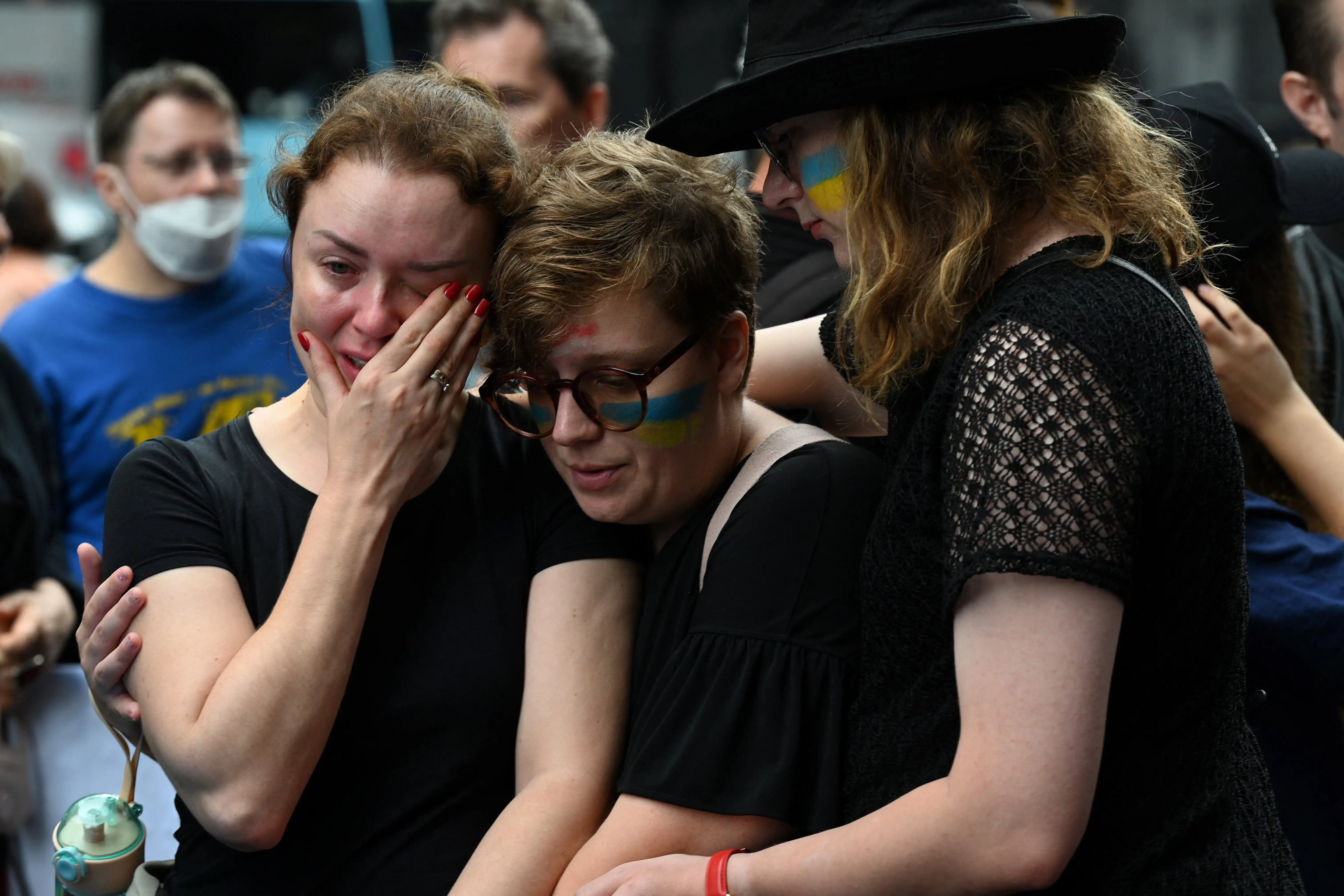
A student in Australia can watch a livestream from Gaza, follow eyewitness accounts from Ukraine or receive updates from activists in Tehran within seconds of events happening.
Distant conflicts are no longer shared via diplomats, governments or journalists. They arrive through personal testimonies, videos, images and real-time narratives directly from people on the ground.
This shift is reinforced through a change in the patterns of trust.
Younger adults now trust information on social media at levels comparable to national news organisations. The gatekeeping role of big media is undeniably dwindling.
The Reuters Institute’s Digital News Report 2025 finds that across 48 markets globally, 44 per cent of people aged 18 to 24 identify social media or video networks as their main source of news.

And in the US, surveys suggest that 70 per cent of Americans aged 18 to 29 are more often encountering political news accidentally on social media rather than intentionally seeking it out.
What this brings is a greater focus on individual stories of lived experience, increasingly blurring the boundaries between journalism, commentary and activism.
While political responsibility in previous decades was more closely linked to territorial proximity, the current emotional immediacy of global conflicts suggests a reshaping of what might be called the moral geography of politics.
When awareness becomes responsibility
Seeing suffering does not automatically produce activism.
Many young people on social media scroll past this content easily. But repeated exposure can make a crisis harder to treat as someone else’s problem.
Education
Actions speak louder than words
A large meta-analysis of more than 300 studies found a positive relationship between digital-media use and civic or political participation.
This is best understood as one part of a larger process.
The digital world lowers the cost of accessing information and simplifies opportunities to connect with others and join a cause, but they do not determine what people will do.
That said, the student responses to Gaza had a measurable scale.
In the US, more than 1360 student demonstrations related to Israel and Palestine were recorded between 7 October 2023 and 3 May 2024, and those demonstrations rose more than fivefold in a short amount of time.
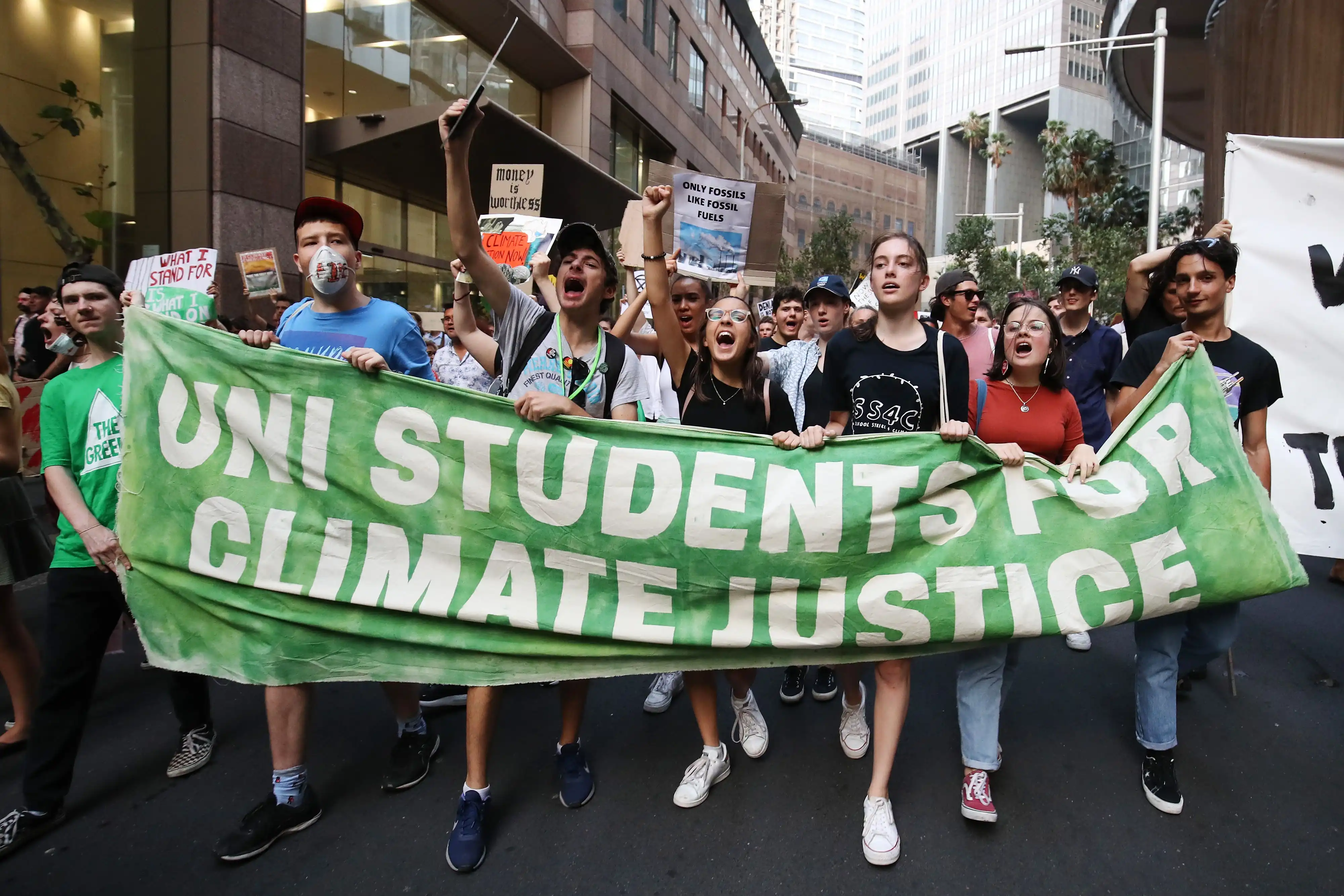
A UNICEF global review found that young people increasingly favour informal political participation, like protest and other forms of civil disobedience. Additionally, digital and in-person forms of participation are often combined.
While social media makes crises visible, universities can make it socially meaningful.
Universities are hubs for debate around justice, rights and political responsibility. That isn’t to say that they produce one shared political view – they constantly encourage strong disagreement.
But a conflict that appears distant in a news feed may be immediate for a classmate or community group.
Proximity, responsibility and action
Public debate often assumes that visible activism reflects growing extremism. But this interpretation misidentifies an underlying change.
What appears to be radicalisation may actually be, at least in part, a transformation in how responsibility itself is understood.

Politics & Society
Supporting kids’ social lives, without social media
For Ethan Floyd and many other activists, geographical distance is no longer sufficient to define the boundaries of concern and personal responsibility.
And it’s not just their own responsibility.
They constantly question whether current political institutions and parties are capable of responding to crises at the speed and scale those crises demand.
This frustration helps explain the appeal of direct action.
Movements like Extinction Rebellion, Just Stop Oil and various international solidarity campaigns are mostly ignited through a perception that conventional channels of influence are no longer enough.
Whether their strategies succeed is a separate question, but this escalation in transnational political participation is emerging from a changing relationship between proximity, responsibility and action.
A generation refusing to look away
Ethan Floyd's voyage is one example of a much broader transformation.
Across social movements and digital networks, the generation raised in constant global connectivity is unwilling to treat distant suffering as somebody else's problem.
Whether this development strengthens democratic engagement or contributes to political polarisation is an open question.
What is clear is that geography no longer determines political concern in the way it once did.
The defining political question of the digital age is not whether information can cross borders, it’s what happens when responsibility crosses borders, too?