Politics & Society
Tech multinationals are saying ‘goodbye globalism, hello geopolitics’


Tech giants once opposed government power. Now they're copying China's model of corporate-state partnership

Published 19 January 2026
In late 2025, the CEO of US tech company Nvidia, Jensen Huang, took the stage at his company’s annual conference in Washington DC and spent much of his time lavishing praise on President Trump.
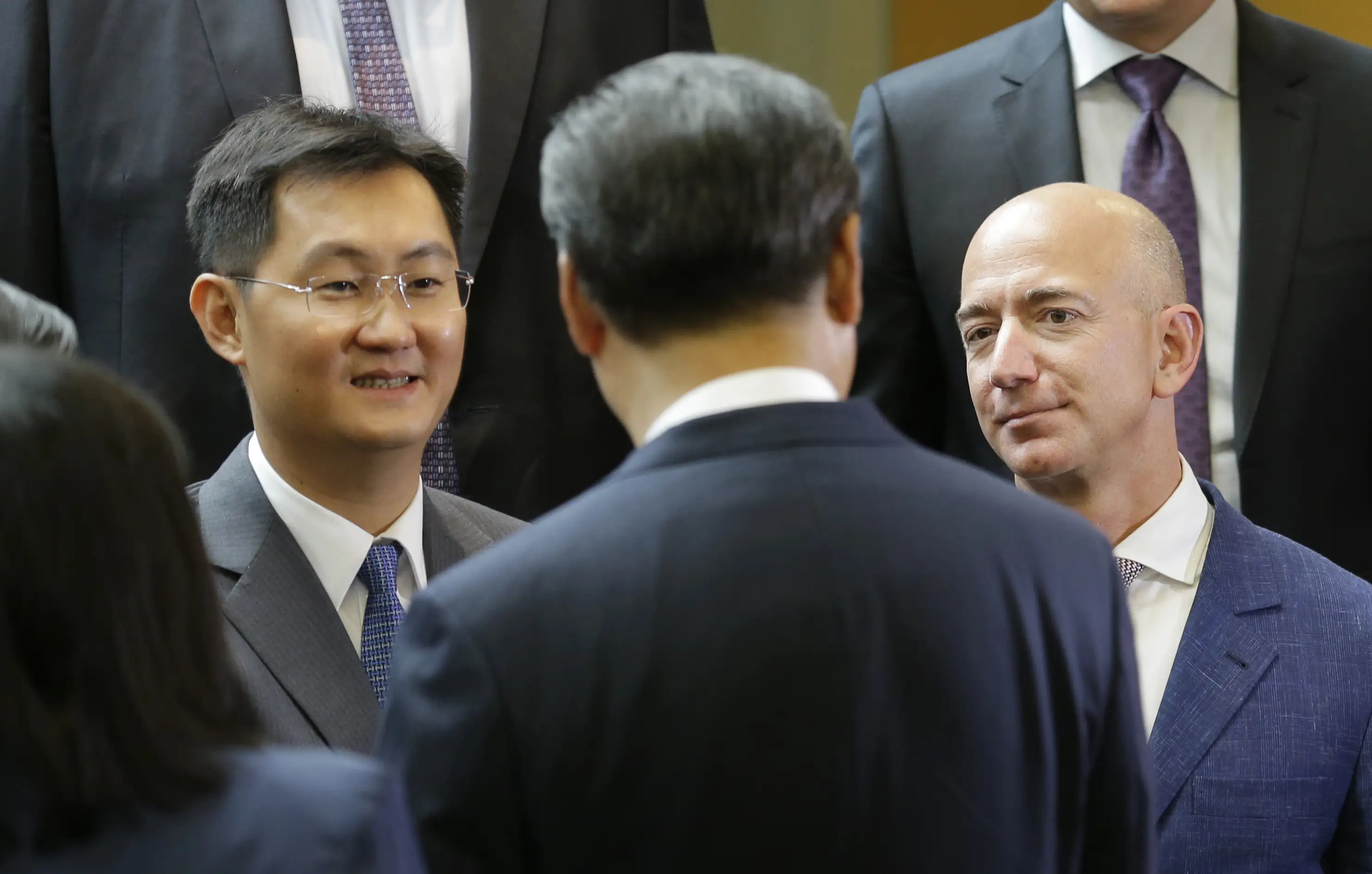
The optics are unmistakably familiar. We see the same choreographed deference that Chinese tech leaders have perfected in their dealings with Beijing's political players.
Since its inception, Silicon Valley has seen itself as above the fray of politics, at times a neutral arbiter, and at others, a tool to oppose government power.
This libertarian ideal drove Silicon Valley’s image of itself as defenders of freedom and free speech, with the internet proving the ultimate guard of the democratic project.
The online world was a miracle where people could band together and bring about an entirely new world that could challenge governments and open them up to criticism.
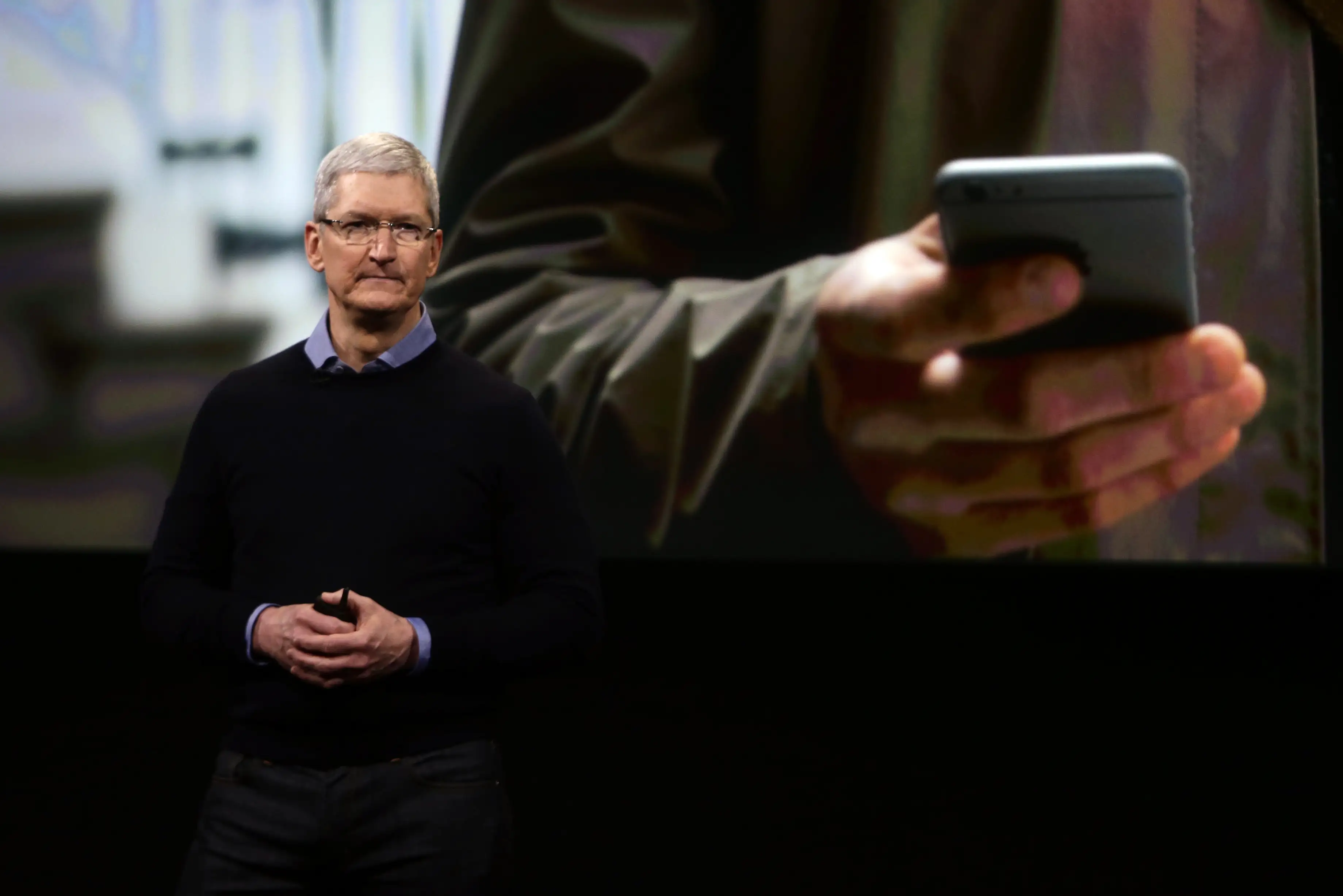
Recall moments like a decade ago, in the 2010s, when the FBI asked Apple for a backdoor to access users’ phones. Apple refused on the grounds that their primary goal was to earn and hold the trust of their customers.
Apple’s economic calculus at the time was that broad consumer sentiment was more important than the displeasure of a certain part of the government.
Politics & Society
Tech multinationals are saying ‘goodbye globalism, hello geopolitics’
But now that Apple has become one of the largest companies in the world, that model (or at least the myth of that model) is eroding.
Technological capacity is merging with state power to create a radically different two-part bet.
One where, firstly, the intertwining of technological progress and state power is good for them economically under this Administration, and secondly, the economy that allows for that will last beyond this Presidential term.
In many ways, it’s an adoption of the Chinese model.
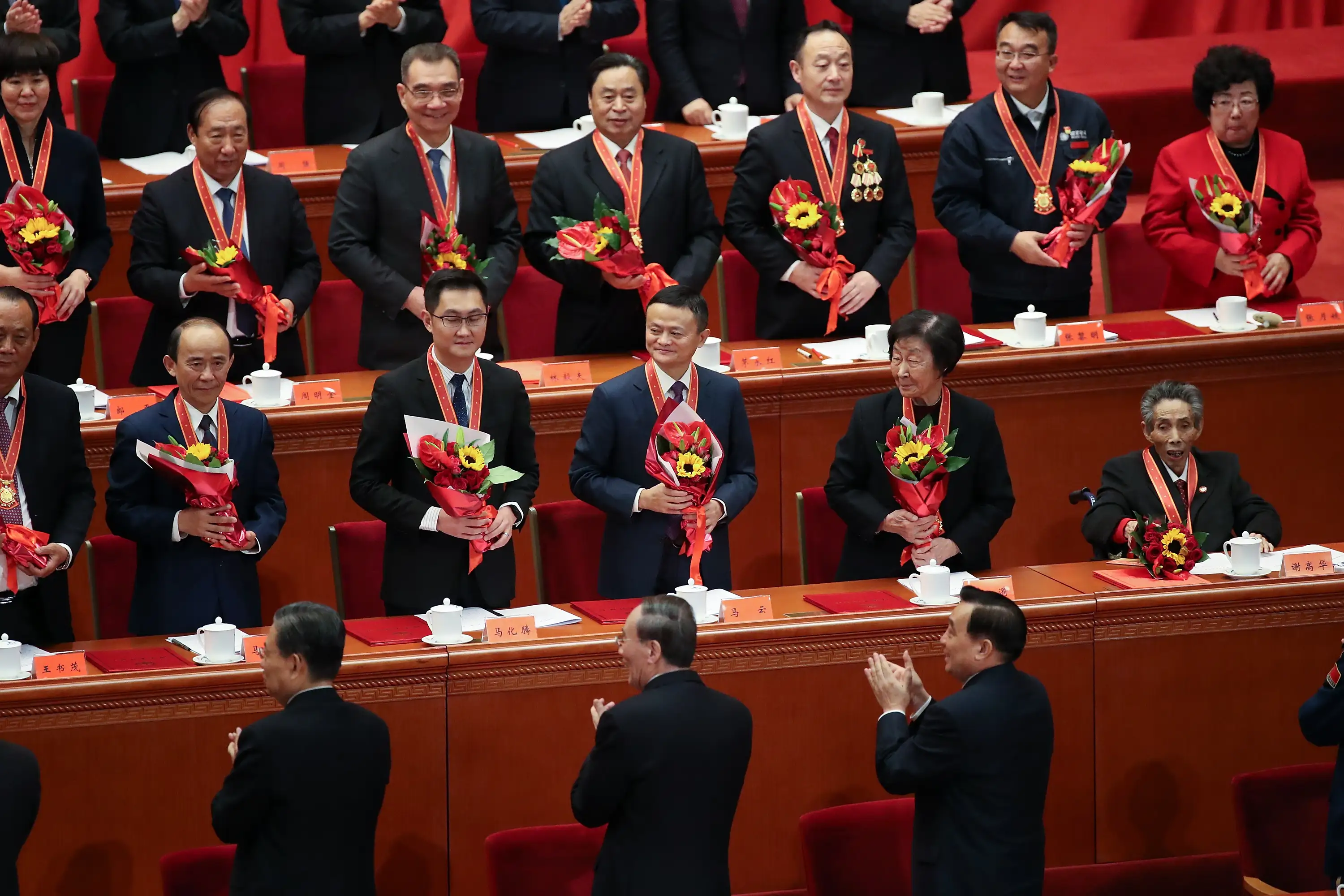
Multi-billion dollar companies like Tencent and Alibaba have thrived by embedding themselves into the party apparatus, becoming the implementation partners of a Chinese state that sees technological progress as part of its broader projection of power.
In return, the state guarantees their survival by awarding massive contracts and weaving these businesses into their diplomacy, a far more powerful role than merely allowing them to exist.
And vice versa, the party has embedded itself in these companies to steer their direction.
As both China and the US look to use their technological dominance on the global diplomatic stage, they are increasingly presenting identical systems.
But American companies aren’t just mirroring their Chinese counterparts blindly, they are actively learning how to take advantage of a political system that wants to use this new world.
They’re adopting a logic of guaranteed stability as more important than their former beliefs.
Politics & Society
How China’s chip strategy outsmarts Trump’s tariff trap
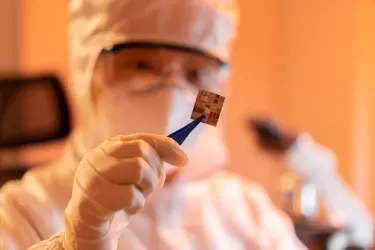
Consider the Chinese-AI startup, Deepseek, the most advanced publicly available large language model (LLM) that has emerged from China.
It was trained on tens of thousands of Nvidia chips, hardware that is banned in China over alleged security concerns. These could only reach Chinese data centres with the cooperation of the Chinese Communist Party (CCP).
What we’re seeing billed as a chip war involving critical minerals, manufacturing and potentially the fate of Taiwan, is actually a dance of mutual dependence, owing to increasingly similar relationships between states and their tech sectors.
A symbiotic relationship between major industries and the state is a standard play in authoritarian regimes. But it becomes a delicate balancing game when leaders rely on their support.
But in large enough quantities, that support can collapse a regime.
The entire house of cards rests on the idea that the regime will last long enough for everyone to make enough money from it.
In the US, the constant ebb and flow of officials and parties has meant that these kind of alignments never made much sense until Donald Trump’s arrival in Washington.
Businesses have thrived by staking their claim to the political centre, knowing that they must work within a complicated system that guarantees no power is held for very long.
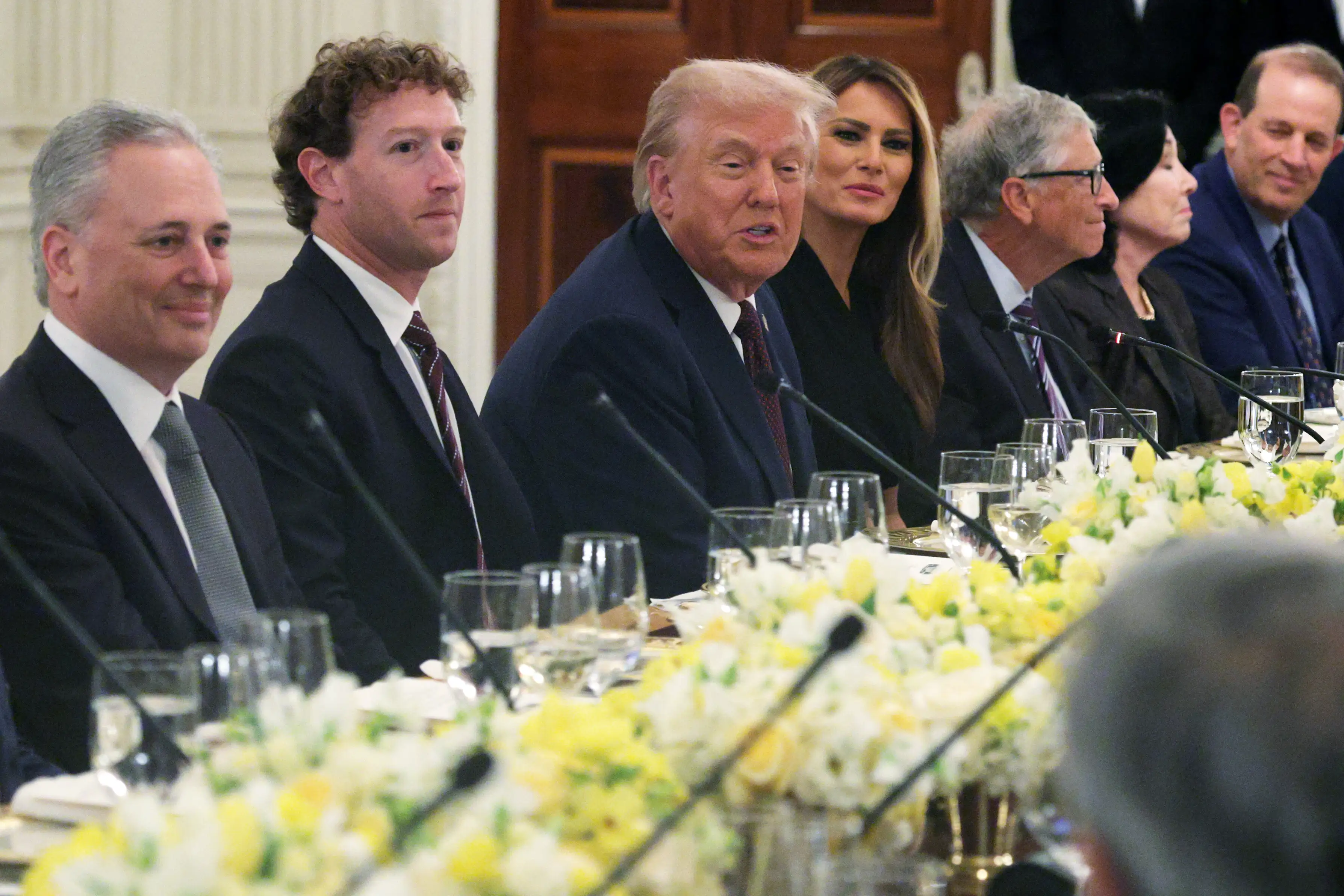
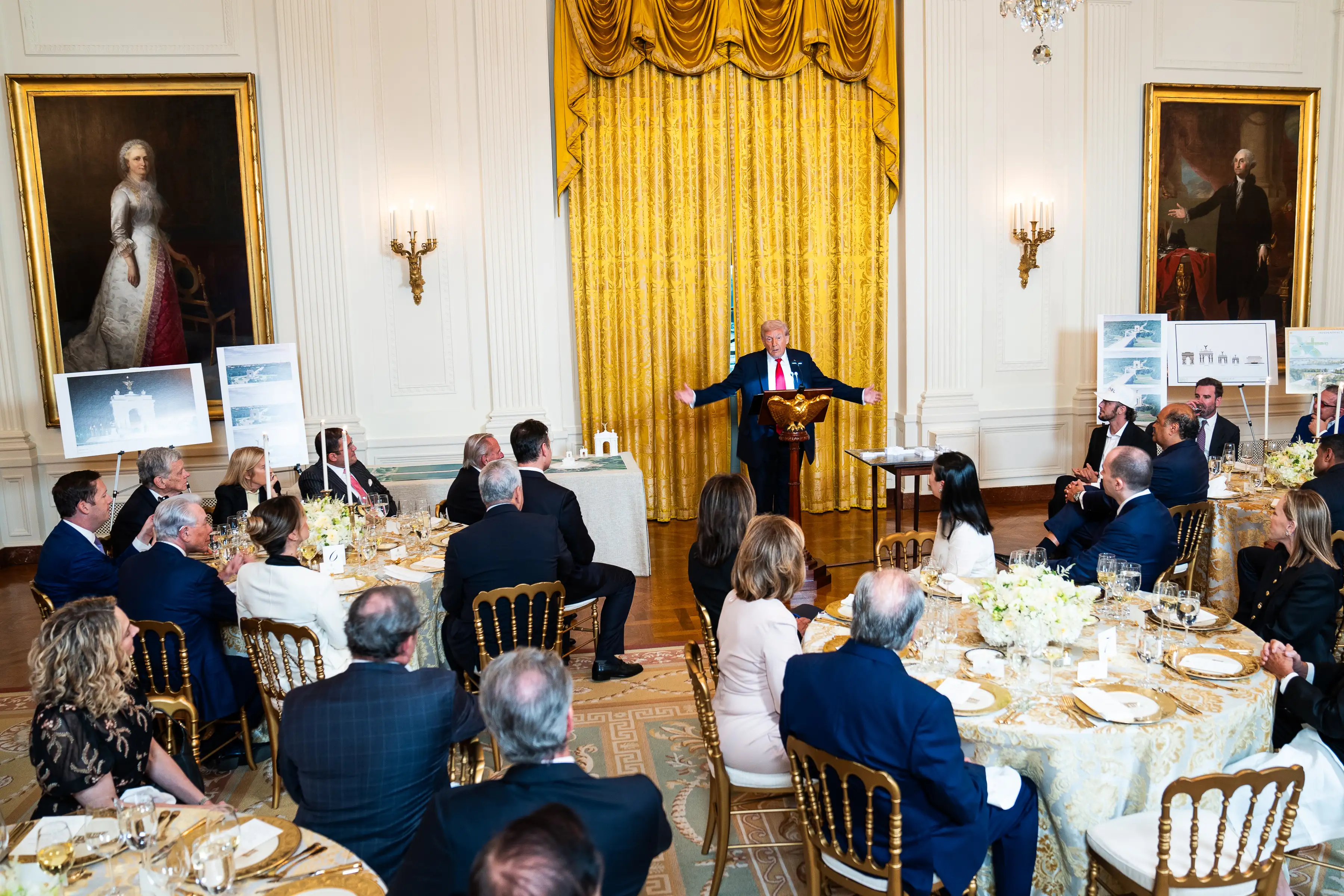
Now, tech execs are regulars at the White House and are sponsoring the new East Wing Ballroom.
It’s not that Silicon Valley is shifting to the right, but rather that it has decided that the most profitable path forward is to become an influential element of a larger political project.
This is exactly what is required of Chinese companies who would find themselves irrelevant and broke if they didn’t pick up the proverbial red phone.

Politics & Society
Your social media feed is changing democracy
This goes further than companies like Palantir Technologies becoming a de facto arm of the US defense mechanism.
We now see the likes of Nvidia president, Jensen Huang, and other major CEOs flailing themselves to curry favour with the Trump administration.
In return, the US government is leveraging its own diplomatic efforts to bring support to those companies – not as critical components of the American workforce, but as an extension of the administration itself.
It’s a conscious bet that proximity to the government is the only safe business model left, a far cry from 15 years ago, when the thorniness of these companies toward any administration was its best selling point.
These companies are no longer the guarantors of free speech that over two decades they positioned themselves to be. It leaves Americans (and people around the world) as users and subjects of a political apparatus they never voted for.
This copying of systems means that the race for technological advancement, the idea on which both the Americans and the Chinese are staking their claims of leading the future, is a race to see which can more efficiently merge technological innovation and state ambition.
And it means the frontier which once dreamed of operating well beyond the reach of the state is quickly becoming its tool.