
Health & Medicine
Sport and that sense of belonging


As women’s football celebrates a landmark policy to boost female coaches – the volatile, unsupportive system they will enter remains the same

Published 15 April 2026
Twelve days. That is how long it takes to go from winning a championship to being out of a job.
On March 21, Japan beat Australia 1-0 in the Women’s Asian Cup final at Stadium Australia in front of more than 74,000 people – the biggest crowd in the competition’s history.
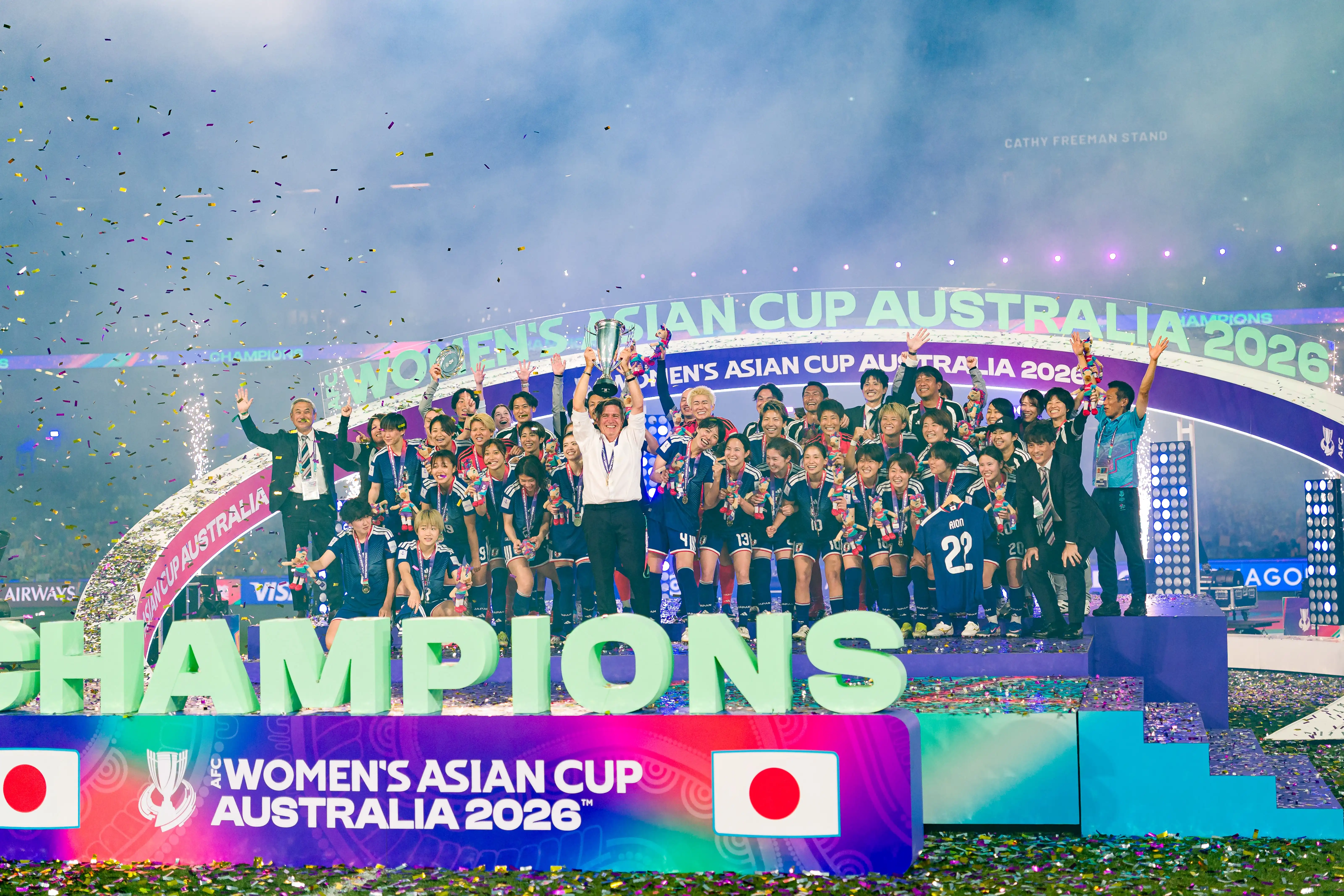
Japan had a dominant campaign: six games, 29 goals, one conceded. Twelve days later, head coach Nils Nielsen was gone.
Assistant coach Leah Blayney, a 16-cap Matilda and Pro-licensed coach, left alongside him when her contract expired.
The Asian Cup-winning staff had been cleared out before the trophy had even been polished.
But this is not a story about failure. It is a story about a system that was never designed to protect the people inside it.
FIFA, the worldwide governing body for association football, has a new mandate.
Health & Medicine
Sport and that sense of belonging
It requires all teams in women’s competitions to appoint at least one female head or assistant coach and to have at least two women on the bench in other critical support roles.
This is a necessary and overdue step.
At the 2023 Women’s World Cup, just 12 of 32 head coaches were women. The gap between who plays the game and who leads it has been glaring for too long.
But I keep coming back to Leah Blayney.
She is one of the most accomplished coaches in Australian women’s football. She led the Young Matildas to back-to-back FIFA U-20 Women’s World Cups. She was a finalist for the Asian Football Confederation (AFC) Women’s Coach of the Year.
To top it off, she was part of a staff who helped Japan deliver a near-perfect tournament.
And yet, Blayney is now without a role, caught in the crossfire of institutional politics she had no power to navigate.
If FIFA’s mandate is to mean anything, it must reckon with this.
My research shows that chronic job insecurity is not rare in high-performance sport. In fact, it is a defining feature of the profession.
Job dismissals are linked to genuine psychological harm: emotional distress, negative emotional states and a loss of professional identity.
Hypermasculine sporting cultures, like those that can exist in football, also add extra weight for women entering the system.
The women coaches in my research who lacked robust support structures described feeling significantly more vulnerable to poor mental health as a result of these systemic barriers.
As one coach described: “The players are the focus, it’s never spoken about (us) as coaches.”
My research also reveals that there is no systemic framework for what happens to a coach’s mental health when the politics shift.
No formal support for the period between roles. No accountability for organisations that dismiss staff without transparency or clear reasoning.
Some coaches even described fearing that seeking help could be used against them and that disclosing mental health concerns might cost them future opportunities in a small, tightly networked industry.
So they stay silent. And the sport loses them anyway.
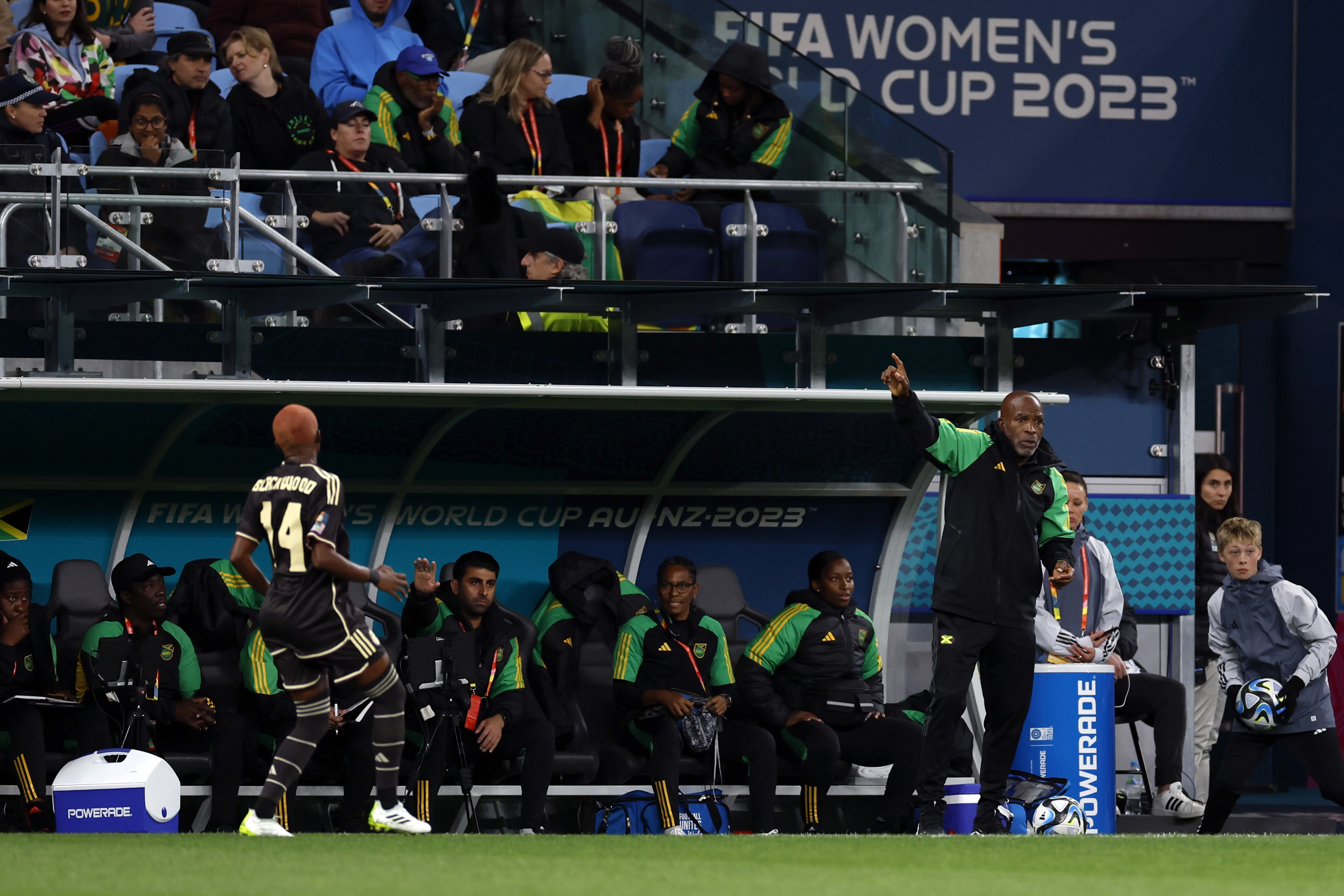
Women’s national team director Norio Sasaki, who coached Japan to the 2011 World Cup title, says Nielsen had “a gentle character” and was not tough enough to win major global titles.
He also said the next coach will “likely be Japanese”. The foreign coaching experiment, however successful by any objective measure, was always going to end here.
Blayney and Nielsen were not removed because Japan lost. They were removed because institutional politics dictated a different direction. No amount of professional achievement could have changed that outcome.
This is the environment into which FIFA’s mandate is now deploying women coaches. In Australia, we call it the leaky pipeline problem in women’s coaching. And it runs deep.

Politics & Society
Why do women still have less status and power than men?
Women enter coaching pathways but struggle to stay and progress due to structural and cultural barriers – like a lack of targeted support, limited opportunities, lack of progression and an environment that doesn’t value them.
The Australian Sports Commission’s own data confirms this. And that pipeline leaks at both the grassroots and elite levels.
When a coach of Blaney’s calibre finds a home in a national overseas team, only for that opportunity to evaporate within months, despite success on the big stage, we are losing exactly the people the mandate is supposed to keep.
More women on the bench is a start, but it is not a solution.
The reform agenda is asking the wrong question. It asks, are there women on the bench?
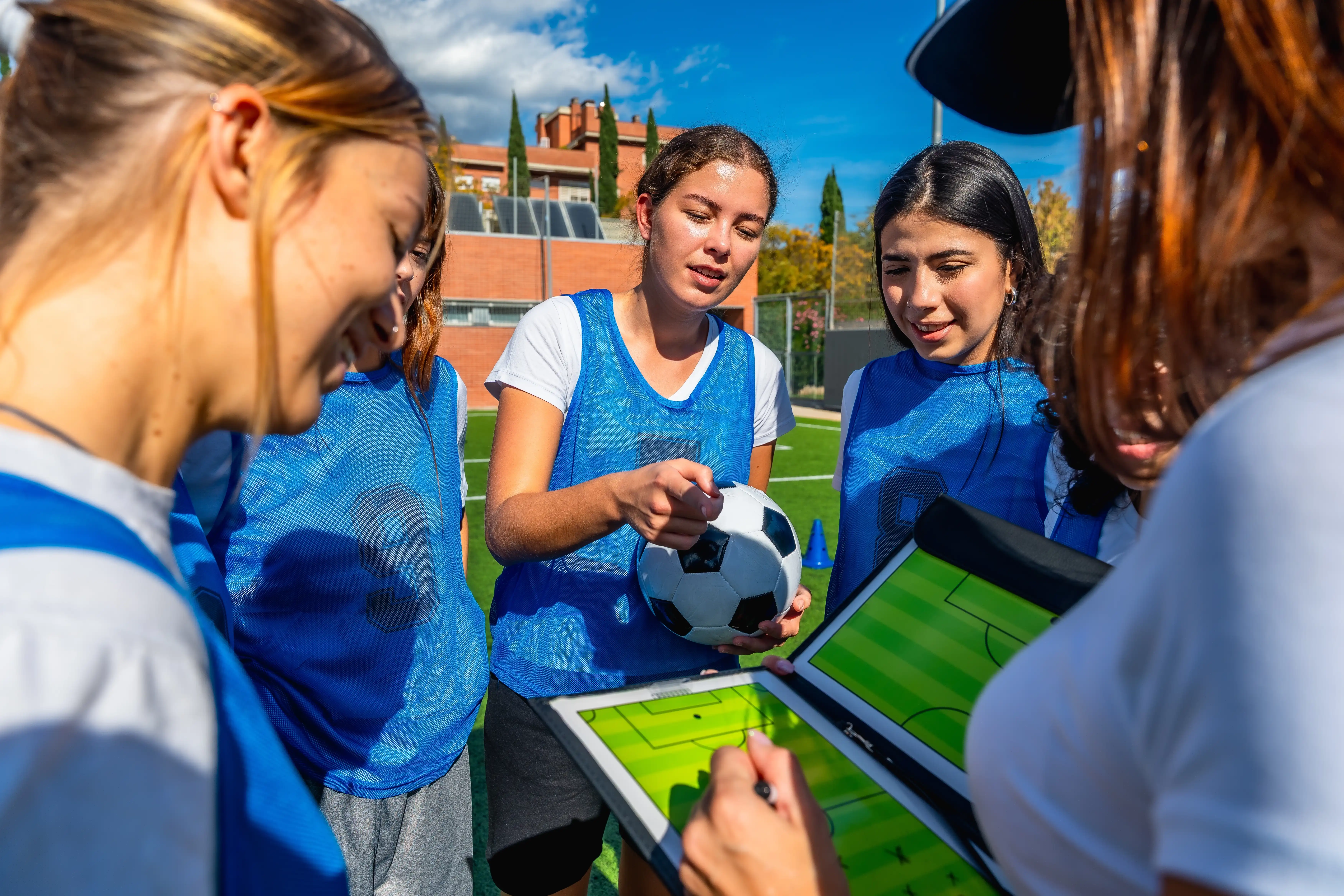
What it doesn’t ask is, are those women being supported, developed and retained? Are organisations providing transparent expectations and honest feedback? Is there any structure for professional and psychological wellbeing for these coaches?
Blayney herself says her ultimate goal is simply to be happy and enjoy what she is doing.
It is a gracious answer, but it is also the answer of someone who has learned to manage her own wellbeing because nothing in the system does it for her.
FIFA’s mandate deserves recognition. But mandating presence into a revolving door is not equity. It is the appearance of equity.
Until the precarious conditions of professional coaching are addressed, the sport will continue to lose the people it claims to want to keep. And it will keep doing so while congratulating itself on the progress it has made.