

Biomechanics
Sciences & Technology
Research
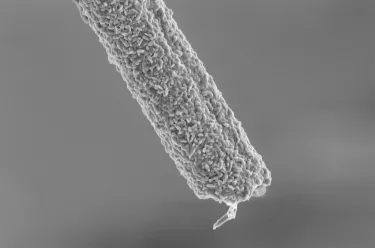
New diamond-coated electrodes may help people walk again
Spinal cord damage breaks the connection between the brain and the body, but new carbon fibre electrodes may help bridge this gap and offer an all-new treatment for paralysis
Sciences & Technology
Under the Microscope
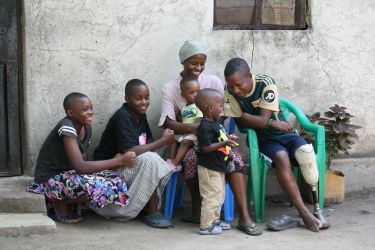
Giving people the chance to reclaim their independence after an amputation
PhD student Eloise Milbourn is researching affordable, non-invasive technologies to enhance rehabilitation after amputation in lower-income countries
Health & Medicine
Q&A
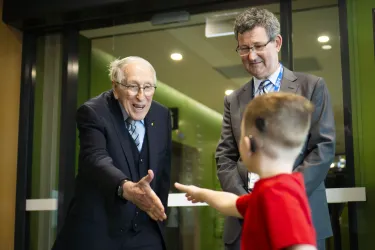
‘It’s still the same for me as it was years ago’
Laureate Professor Graeme Clark AC, who led the team that invented Australia’s multi-channel cochlear implant, says he still cries “tears of joy” when someone’s hearing is restored
Health & Medicine
Analysis
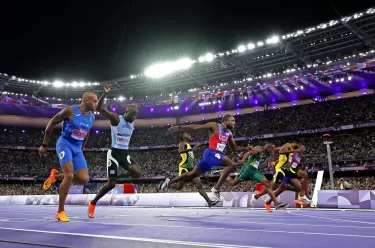
The biomechanics of going really, really fast
From swimming to shot put, biomechanics can identify key physiological traits that contribute to athletic success in Olympic sports
Sciences & Technology
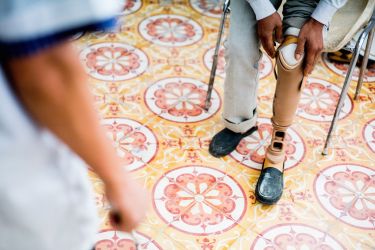
‘You don’t need fancy equipment to make good prostheses’
An inexpensive system for customised prosthetic sockets is producing much-needed assistive devices for people around the world

Health & Medicine
Do you think better when you’re moving?
Using advanced biomechanics, researchers found the results of a cognitive task to identify visual targets were significantly improved when performed while walking
Sciences & Technology
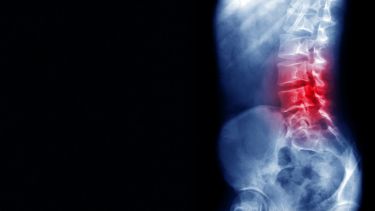
Predicting risk of spinal fracture using bioengineering
Researchers have developed a first-of-its-kind predictive tool for spinal fracture in people who have osteoporosis, including activities and spinal joints that carry higher risk
Sciences & Technology
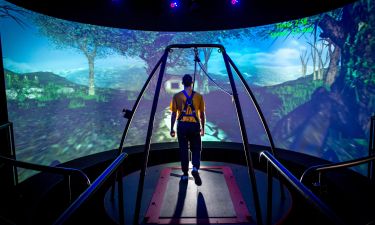
Using virtual reality to treat real-world injuries
Biomechanical technology that uses virtual reality can not only help treat injuries, but also prevent them
Health & Medicine
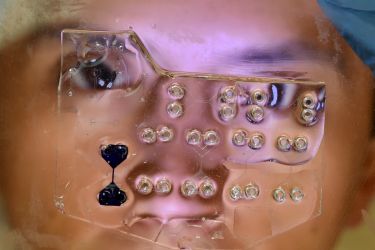
Putting cells through their paces
An obstacle course for human lung cells could be the answer for better testing the effectiveness of potential new drugs