

Decision-making
Environment
Research
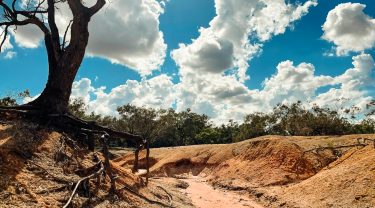
We need to plan for what we fear, not just what we expect
The Murray-Darling Basin Plan Review is now open for public consultation. With climate impacts uncertain, we need to stress-test our rivers now to protect them

Business & Economics
Research
Stressed and rushed? Your decisions might suffer
New research reveals how the combination of stress and time pressure can wreak havoc on our ability to make good choices

Sciences & Technology
Research
Do you think like an intelligence analyst?
Australians may not be considering a career as intelligence analysts because they’re unsure what skills they need. A new study aims to find out how much we understand about how analysts think, and you can help

Sciences & Technology
Sports coaches make these seven kinds of decisions
Understanding the seven decision types sports coaches make – with their strengths and pitfalls – can help us all make better choices

Business & Economics
Encouraging responsible sourcing in our supply chains
We may all want our products to be sourced responsibly but mathematical modelling suggests firms need low-cost ways to signal their credentials, and more of us taking notice
Environment
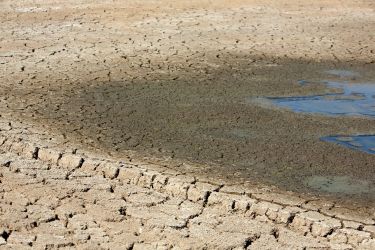
Water management worldwide is failing, it’s time for a new approach
Climate extremes are not going away during the pandemic, testing water management to its limits. We need robust inter-disciplinary solutions from climate and social scientists, engineers and lawyers

Health & Medicine
Anticipating our emotions
New research on brain activity suggests that we can prepare ourselves for those situations in which we know we’ll need to control our emotions
Environment
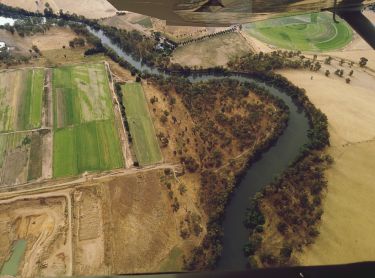
Water management? Yes, it’s personal
A new survey of water-planning experts shows they have vastly differing risk perceptions, which may reduce the chance of innovative practices being implemented
Education
How to keep your head during COVID-19
When there’s a crisis the first impulse can be fear and panic. But the COVID-19 pandemic demands clear thought, here is one way to adapt your thinking

Business & Economics
Why do we say things we later regret?
Experiments show that when we are stressed, exercising or otherwise aroused, we are more prone to say things we shouldn’t. So, to keep a secret, try to stay calm