

Global Warming

Environment
Research
How corals ‘breathe’ by stirring the ocean around them
Tiny hair-like appendages on corals generate swirling microscopic currents – an ingenious way to exchange oxygen and nutrients with their surroundings
Environment
Analysis
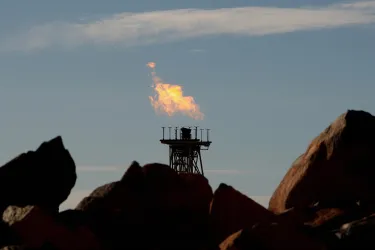
Australia’s new target to cut climate pollution is undermined by fossil fuel expansion
For Australia’s national climate plans to be meaningful, they need to include an orderly phase-out of its fossil fuel exports

Environment
Research
Saving the giants of the Australian forest
Mountain ash forests are predicted to lose a quarter of their trees by 2080, releasing over 100 million tonnes of stored carbon into the atmosphere. But there is a way to limit further loss

Arts & Culture
It’s time to recognise the role masculinity is playing in the climate crisis
COP29 came to a fairly disappointing end. We need to address the role of masculinity in harms against nature
Environment
Climate justice at COP27
The as-yet-unmet costs of climate change adaptation and escalating disaster recovery are likely to be the key issues at COP27
Sciences & Technology
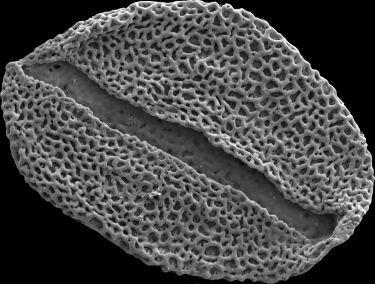
What ancient pollen tells us about future climate change
Pollen preserved in rocks for more than 56 million years reconstruct Earth’s major climatic transition that caused mass plant migration
Environment
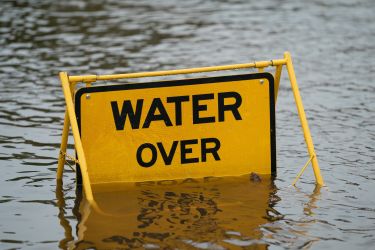
Our window is closing on a liveable future
The latest UN climate report finds that in the absence of ambitious action on climate change, the worst is yet to come for human populations
Environment
Australia given serious health warning on climate change
Research monitoring the health impact of climate change highlights the escalating global emergency and the threat to the Australian way of life.

Sciences & Technology
Purifying water with a simple powder
Researchers have found a material that quickly kills bacteria in drinking water, creating a safe and cheaper alternative to chlorine.
Sciences & Technology
Male fertility ‘precariously close’ to climate change extinction limits
The loss of fertility in males as a result of climate change, particularly in the tropics, may be a better predictor of vulnerability to extinction