


Environment
Creating clean transport fuels from waste


With Australia's fuel supply under threat and transport emissions still climbing, biomethane offers a renewable alternative. New research is closing in on making it clean enough to use
Published 22 April 2026
As petrol surged past $2.50 a litre and we were asked to think carefully about filling our cars, Australians received a crash course in energy security.
The Middle East conflict – which has effectively closed the Strait of Hormuz to oil traffic since February – also exposed a structural problem that has been decades in the making: Australia imports around 90 per cent of its refined fuel, mostly from Asian refineries that depend on Middle Eastern crude.

The federal government has responded with a National Fuel Security Plan, halved the fuel excise, released strategic reserves, and launched a multi-million-dollar public campaign urging motorists to use less fuel.
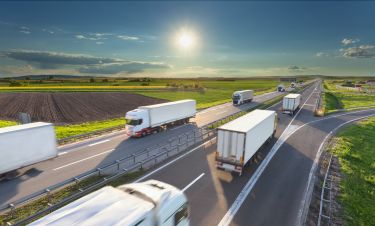
And amid this fuel crisis, the transport sector is now our third-largest source of greenhouse gas emissions, accounting for around 22 per cent of national emissions and still trending upward.
While electricity sector emissions have gradually fallen thanks to the renewables boom, transport emissions rose again in the year to March 2025, driven by road diesel and domestic aviation.
The assumption that electrification will eventually solve all of this ignores a practical reality: we cannot electrify the entire transport sector.
Environment
Creating clean transport fuels from waste
Long-haul heavy freight, aviation, shipping, and many industrial processes require high-energy-density fuels that batteries are unlikely to replace.
This is the gap that researchers, including our team, are working with industry to address.
Not by building an entirely new energy network, but by using renewable gas that can flow through our existing infrastructure.
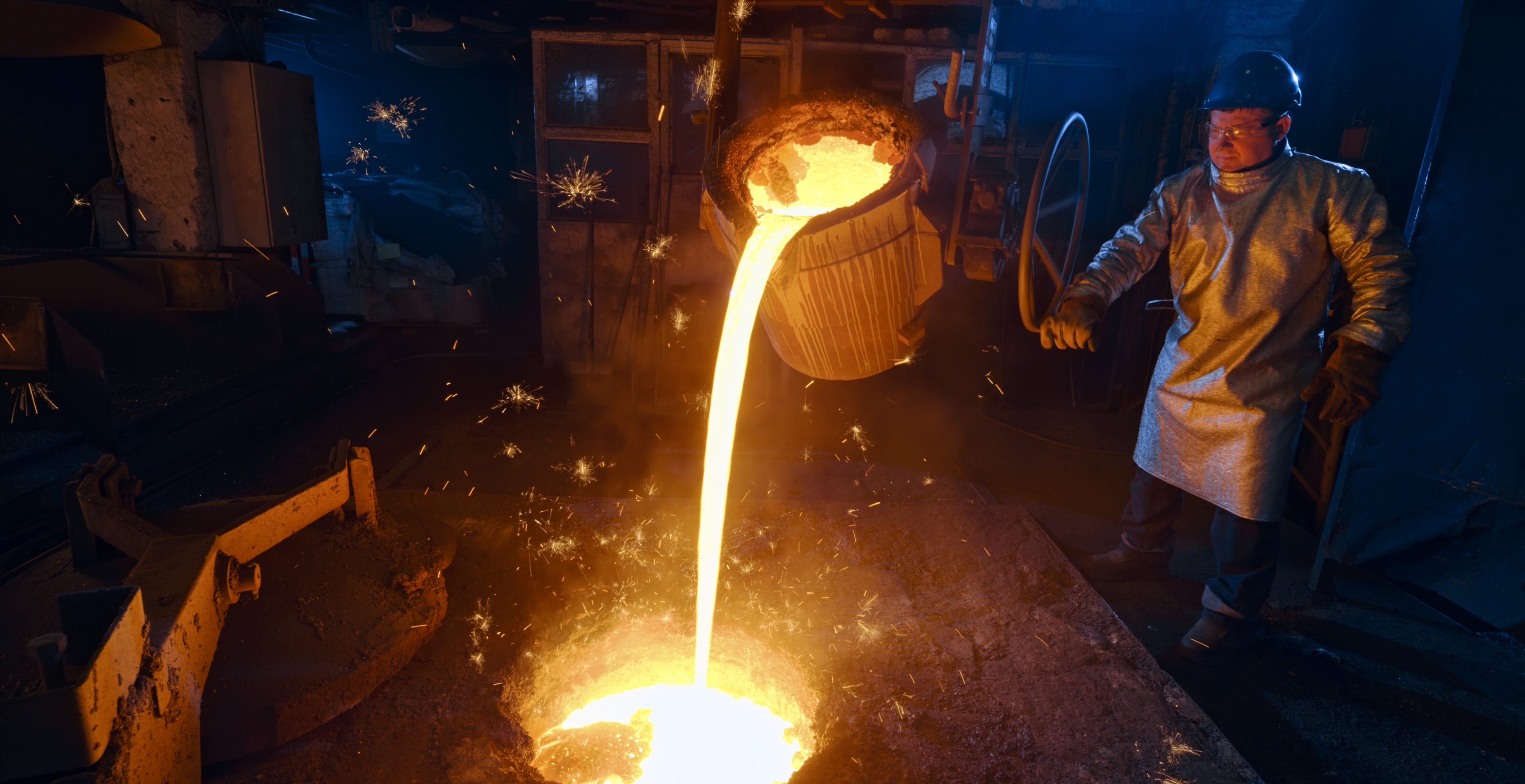
As Australia advances toward its 2050 net-zero emissions target, decarbonisation of sectors that are difficult to electrify, including manufacturing, heavy transport, and process industries, has become a national priority.
By substituting fossil-derived natural gas with biomethane –a renewable gas produced from organic waste – Australia could reduce emissions, enhance energy resilience and stimulate the growth of a circular economy.
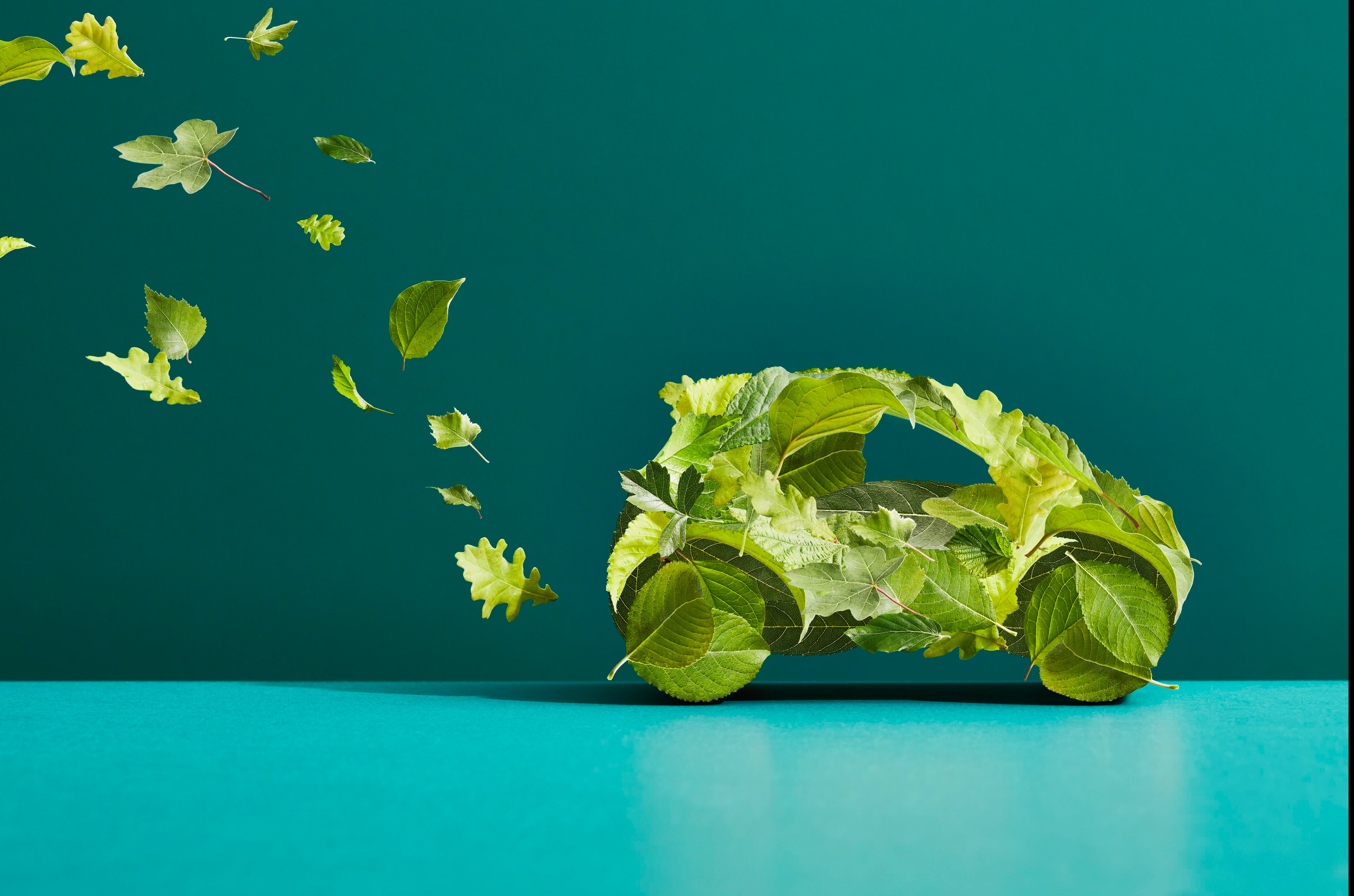
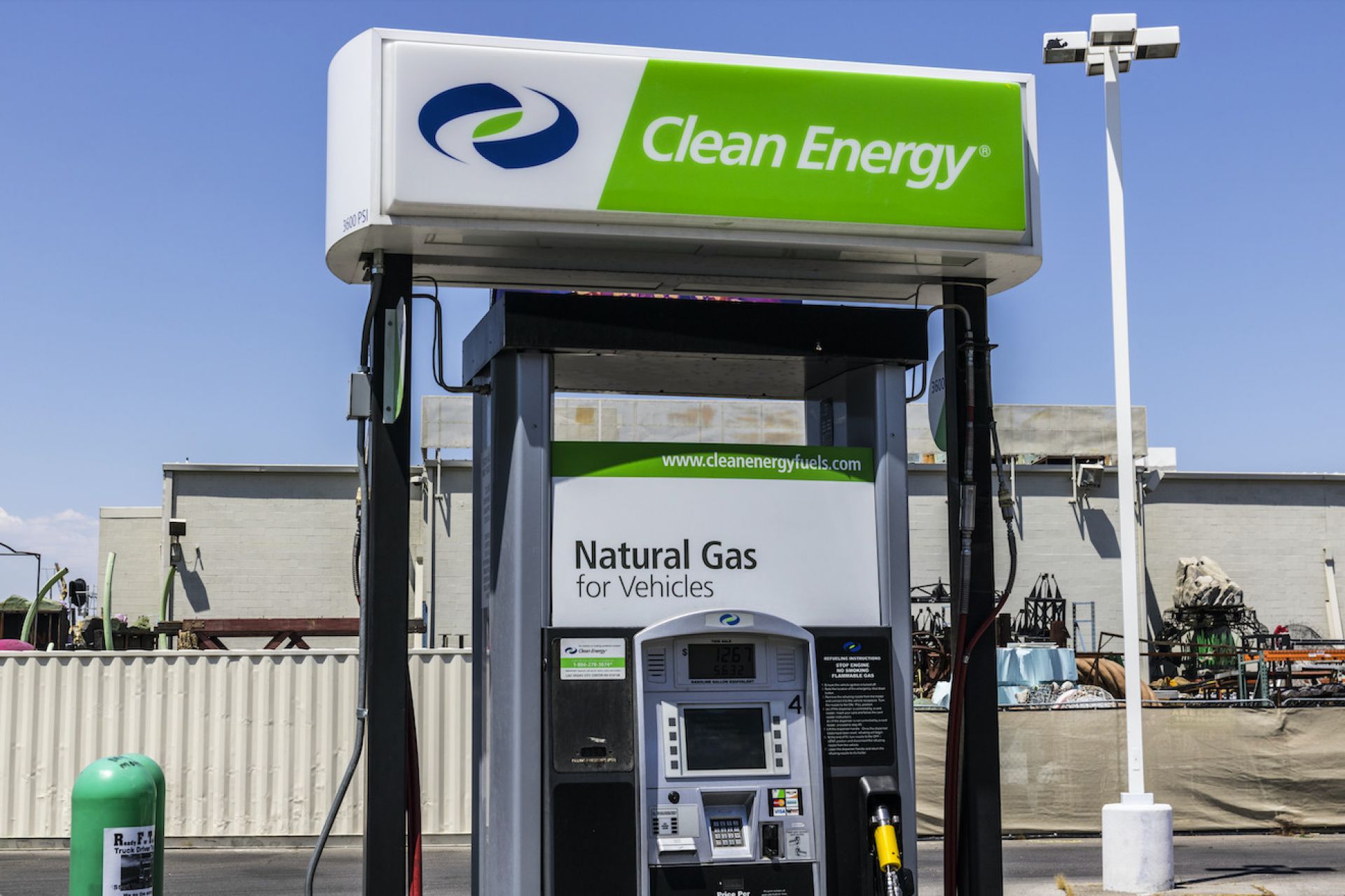
Biomethane can be used directly as compressed natural gas (CNG) for vehicles, liquefied as bio liquefied natural gas (LNG) for long-distance transport and niche maritime applications, or injected into existing gas networks to decarbonise industrial heat.
Beyond direct use, researchers and industry are also exploring emerging pathways to convert biogas and biomethane into other low-carbon fuels, including sustainable aviation fuels (SAFs).
Sciences & Technology
From grapevine waste to a sustainable building material
While these conversion technologies remain in the early stages of development, they highlight the broader role that waste-derived fuels could play in decarbonising transport sectors with limited alternatives.
Projects like the Malabar Biomethane Injection Plant in Sydney have demonstrated that biomethane can be produced from wastewater and safely injected into existing pipelines, providing cleaner energy to thousands of households.
However, scaling up from pilot projects to national deployment requires addressing a critical technical and regulatory question: what purity level of biomethane is required to ensure network safety and appliance performance?
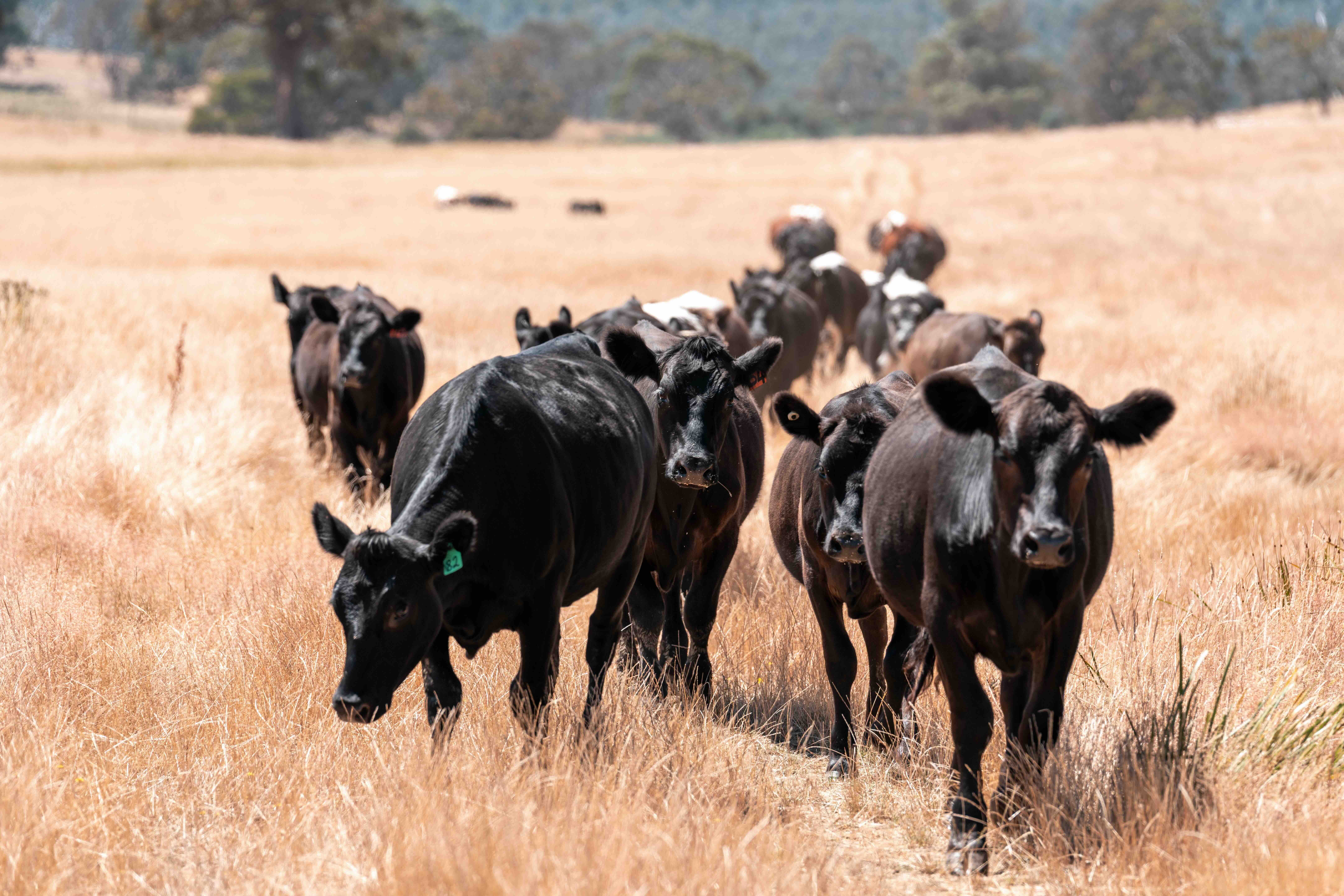
Biogas is produced through the anaerobic digestion of organic matter found in food scraps, crop residues, animal manure or sewage sludge.
The resulting gas typically contains 50 to 70 per cent methane, 30 to 50 per cent carbon dioxide, and trace quantities of hydrogen sulphide, ammonia, siloxanes, oxygen, nitrogen and water vapour.
Before biogas can be substituted for natural gas, carbon dioxide and other impurities need to be removed through various purification processes to increase methane purity to above 95 per cent.
The upgraded biogas is known as biomethane, or renewable natural gas.
Politics & Society
Soaring petrol prices are hurting more than your wallet
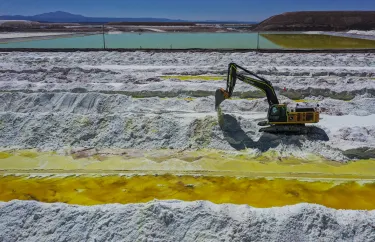
According to a Blunomy and Energy Networks Australia study, up to 400 petajoules of biomethane per annum could theoretically be recovered from agricultural residues, food waste and biosolids.
That volume could offset nearly 96 per cent of the East Coast's current gas demand.
Even after advanced purification, producing an impurity-free biomethane sample is not technically or economically feasible.
Trace contaminants remain in the gas and can impact system performance and safety.
One group of these contaminants is particularly persistent and damaging: siloxanes.
Siloxanes are synthetic organosilicon compounds widely used in personal-care, household, and industrial products, including shampoos, detergents, deodorants, cosmetics and lubricants.
Once used, these compounds enter municipal wastewater and solid-waste streams. As a result, biomethane sourced from wastewater treatment plants and landfills – the predominant sources in Australia – are prone to siloxane contamination.
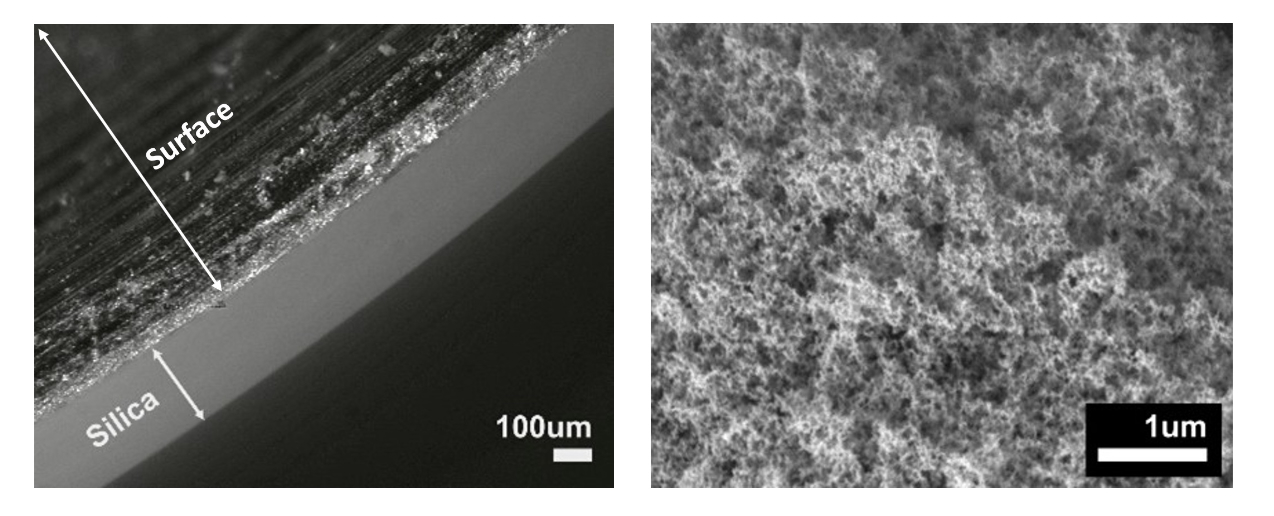
When siloxane-containing biomethane is combusted, it oxidises, forming silica nanoparticles.
These particles eventually deposit on appliance surfaces such as tube walls, plates and flame sensors, forming hard, glass-like deposits that impede heat transfer, reduce combustion efficiency and cause premature failures.
Because achieving ‘zero-siloxane’ purification is technically unrealistic and extremely costly, the primary challenge lies in identifying an optimal siloxane limit in biomethane that ensures appliance reliability while keeping purification costs low.
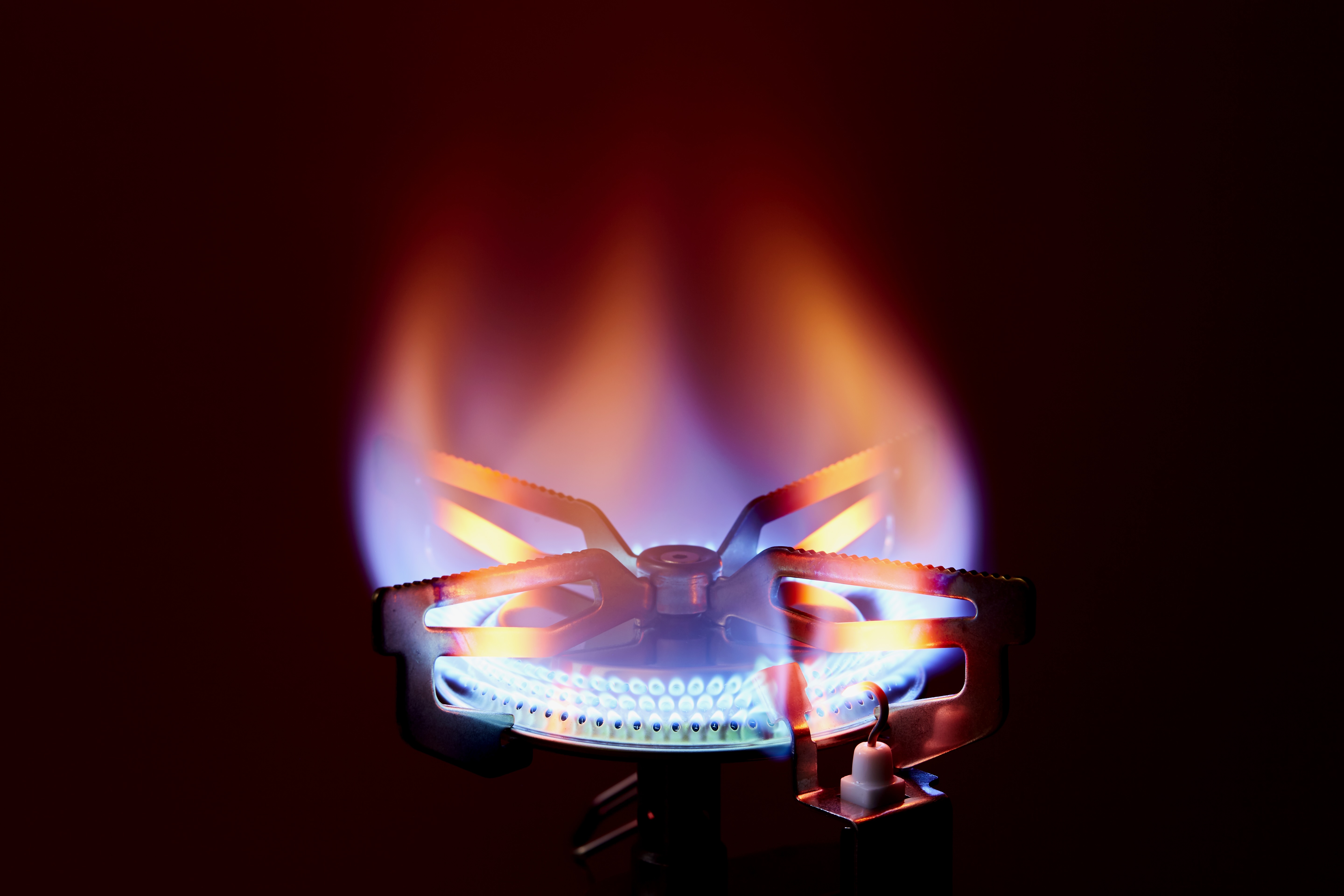
At the University of Melbourne, with support from the Future Fuels Corporate Research Centre, we have developed a custom-designed burner to study silica deposition at controlled siloxane concentrations in biomethane.
The burner was designed and operated under real-world conditions typical of domestic appliances including boilers and water heaters.
Through systematic experiments, we measured the levels of silica deposition on the surface of our experimental appliance and how the structure of silica particles changed across different siloxane concentrations in biomethane.
These results helped us better understand how siloxanes behave and how they affect gas-fired appliances.
However, testing at very low siloxane levels is challenging and time-consuming. Measurable silica deposits can take hundreds of operational hours to form.
To address this limitation, we combined laboratory experiments with detailed computer simulations.
Environment
Decarbonising transport for our health
Using fluid-particle dynamics models, we simulated how gas flow, temperature and siloxane concentration influence the formation and deposition of silica nanoparticles under a wide range of conditions.
By combining simulation outcomes with experimental data, and understanding silica deposition in appliances, we developed a framework to determine siloxane concentration thresholds that balance technical feasibility and operational reliability.
Our research addressing the impurity challenges, particularly the impacts of siloxanes on appliance performance, informed the 2025 revision of Australian Standard AS 4564: General-purpose natural gas and natural gas equivalents.
The revised standard now recognises biomethane as a natural gas equivalent and introduces new contaminant limits, including optimal siloxane thresholds.
The updated standard gives distributors, manufacturers, and regulators a shared foundation to work from and clears the path for biomethane to enter Australia's gas networks safely and at scale.
Biomethane represents an immediate and practical opportunity for Australia to advance its decarbonisation goals.
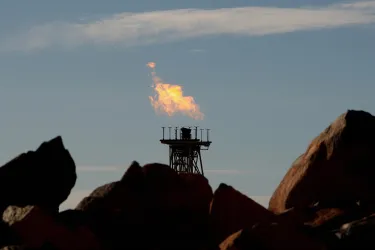
Converting waste into renewable energy supports circular-economy principles to keep the resources and materials we have in use for as long as possible, reduces methane emissions and capitalises on existing gas infrastructure that currently serves millions of homes and industries.
Australia already has many of the building blocks to scale a biomethane industry.
Understanding trace impurities like siloxanes is essential for ensuring safe appliance operation, protecting network integrity and strengthening public confidence in renewable gas technologies.

Our research on biomethane represents a significant advancement in this global sector, particularly in the rigour and robustness of the methodology applied to this problem, and positions Australia at the forefront of renewable gas research.
The current fuel crisis has brought energy resilience to the top of the national agenda. The answer to that challenge should not lie offshore but could already be present in the organic waste flowing through our cities and farms.
This work was funded by the Future Fuels CRC and supported through the Australian Government’s Cooperative Research Centres Program. We gratefully acknowledge the cash and in-kind support from all our research, government and industry participants. This research was also supported by the Australian Government’s National Collaborative Research Infrastructure Strategy (NCRIS), with access to computational resources provided by the Pawsey Supercomputing Research Centre.