

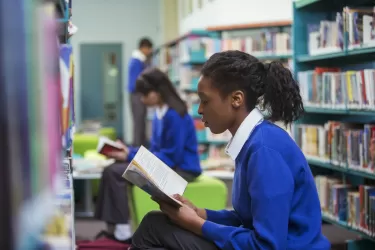
Every student deserves to see themselves represented in school reading
Teachers need support and better resources to ensure prescribed texts are not tokenistic, but present an affirming representation of the LGBTQIA+ community

Published 13 March 2026
While not all adults have fond memories of the texts they studied at school, the reality is that these prescribed texts may be the only meaningful interaction that many young people have with fiction.
The decisions about which texts students study involve more than merely developing literacy – the voices, experiences and identities selected communicate who and what are valued in schools and in our society.

As a queer-identifying Australian secondary school student from 2007 to 2011, I never saw myself reflected in my school texts. I only read about lives like mine during university, once I felt equipped to seek them out on my own.
Now, as a Head of English in a secondary school – but still as queer as I was as a teenager – I reflect critically on our curriculum, especially regarding student interests and diverse representation across all facets of identity.
To better understand what LGBTQIA+-identifying young people are experiencing in school, I analysed 25 years of prescribed texts for Year 12 Literature (Victorian Certificate of Education) to examine LGBTQIA+ representation as part of my recent Master's research.
My analysis found that from 190 texts, only 12 included any representation of LGBTQIA+ characters, and when they did, many were negative stereotypes.
The absence of queer perspectives
Wishing for the queer childhood they never had, many adults now watch affirming queer-themed shows.
For queer young people, the absence of queer perspectives can be seen an act of silencing and arguably curriculum violence – where the subjective choices around lesson planning or learning experiences cause a student psychological harm, intellectually and/or emotionally.
Schools have been reported to be the most likely location for queer students to encounter violence based on their sexuality and gender identity.

One report by the Victorian Department of Education and Training revealed 58 per cent of LGBTQIA+ students hear homophobic language daily.
Leading scholar Lucinda McKnight calls for more affirming, inclusive representation to improve student wellbeing and a sense of belonging.
However, research about representation of diversity in school literature texts has revealed a presiding Eurocentric, straight, often male voice.
In Victoria, the state curriculum and assessment authority (VCAA) publishes an annual text list for the two literature-based Victorian Certificate of Education (VCE) senior English subjects – English and Literature – and teachers choose from these lists.
As part of a wider study on the Victorian Certificate of Education (VCE) English and Literature subjects, I analysed 190 prescribed Literature texts from the last 25 years for LGBTQIA+ representation using a coding system.
VCAA have acknowledged that diversity is an important factor in text selection and outlines that texts will “be suitable for a diverse student cohort from a range of backgrounds and contexts… [and] reflect the cultural diversity of the Victorian community… [and] include texts that display affirming perspectives.”
Selected texts perpetuate shame and repression
Cis-heteronormative perspectives – that is, perspectives that establish heterosexual relationships as the ‘standard’ – dominate the options for senior Literature classes.
Of the 190 distinct texts listed, only 12 had an identifiable LGBTQIA+ character whose presence was significant to the narrative.

While some may argue that this figure aligns with relative population of LGBTI+ (estimated to be 4.5 per cent of Australians aged 16 years and over) the text lists from 2001 to 2017 featuring LGBTQIA+ characters tended to perpetuate themes of shame and repression.
Common character archetypes included tragic homosexuals who suffer due to their sexuality.
These accounted for a third of all LGBTQIA+ portrayals across all years studied. This was an overt pattern among gay male portrayals, with lesbian portrayals of tragedy being hidden within subtext.
It is also possible to study texts by queer authors that do not feature overtly queer characters or themes, for example, the war poetry of Wilfred Owen and Siegfried Sassoon.

Health & Medicine
Embracing queer Indigenous Australia
However, knowing the poet’s sexuality does not automatically make their work a suitable example of representation, especially when it can be taught without reference to the poet’s sexuality and may contain no specific LGBTQIA+ themes.
Ensuring LGBTQIA+ students are recognised in the curriculum
More recent textlists (2018-2025), however, have featured more affirming, complex identities for the queer experience and more optimistic portrayals.
These include narratives that explore not only the self-fulfilment found in identity formation but also the important link between agency, community and found family.
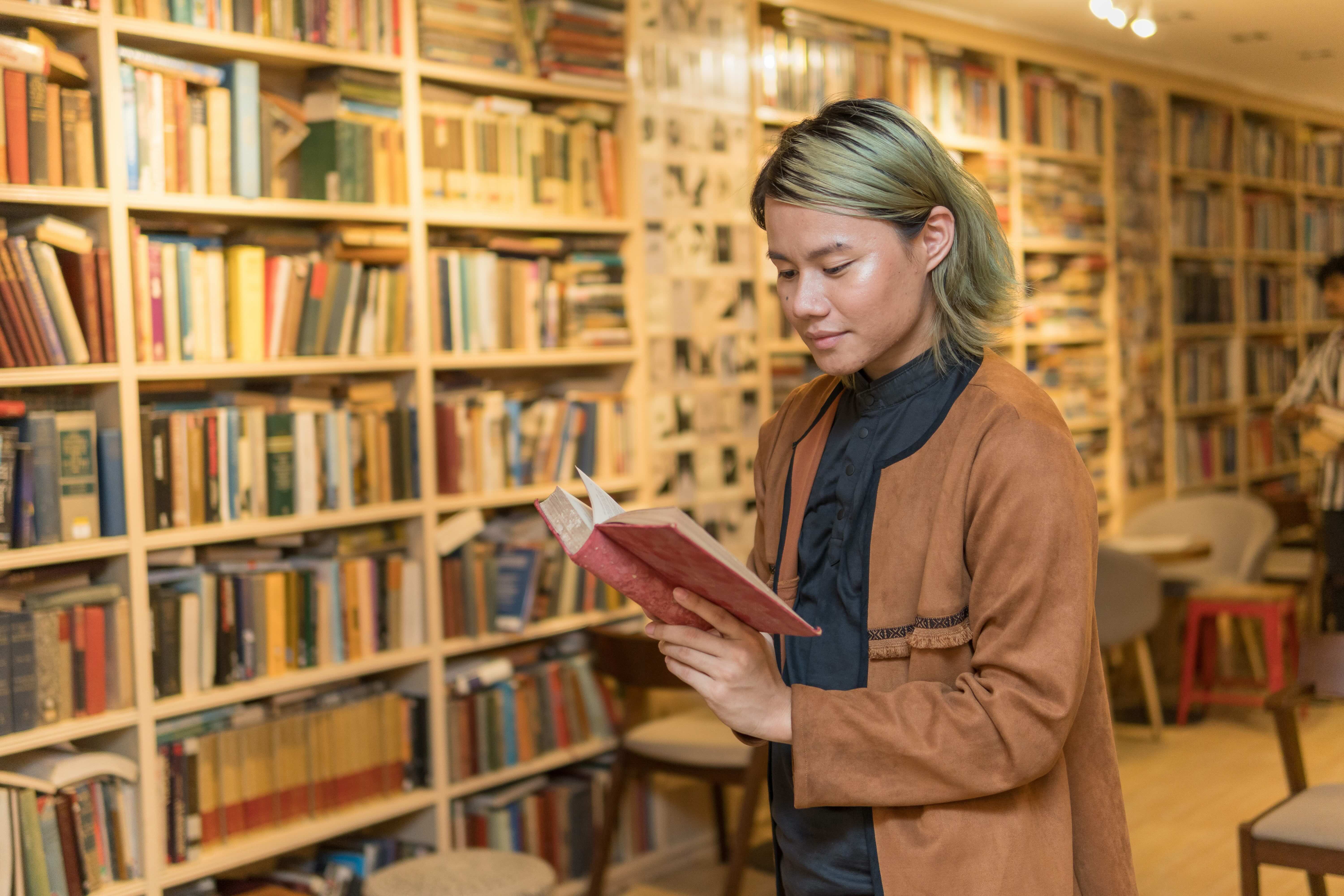
Credit should also be given to texts that feature LGBTQIA+ identity as part of their identity, not as their whole personality. Examples include Jeanette Winterson’s The Passion, Ellen van Neerven’s Throat and Gavin Yuan Gao’s At the Altar of Touch.
Asexual representation was not identified and continues to be underrepresented in our curriculum.
Simply selecting a text with a token LGBTQIA+ character is not the answer for inclusion and representation. Teachers should feel confident considering what messages – intentional or hidden – are communicated by texts, and be encouraged to present affirming representation.
Studying texts with queer characters will not make students queer. Otherwise, many other former secondary school students and I would all be heterosexual now.
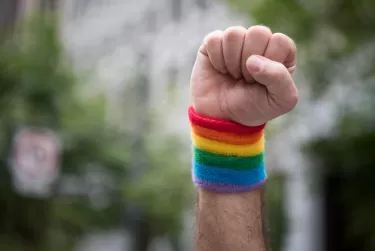
Politics & Society
Pride is still a protest
My research study asks communities to reflect on the following questions:
What inclusive practices exist in schools to ensure LGBTQIA+ students are recognised in the curriculum?
How does the need for diverse representation influence your text selection practices?
It can be challenging to introduce LGBTQIA+ content into school communities, especially those that are religious and/or socially conservative.
But access to more texts with queer characters and themes is a good first step.