

Happy 70th Birthday to Australia's first computing class
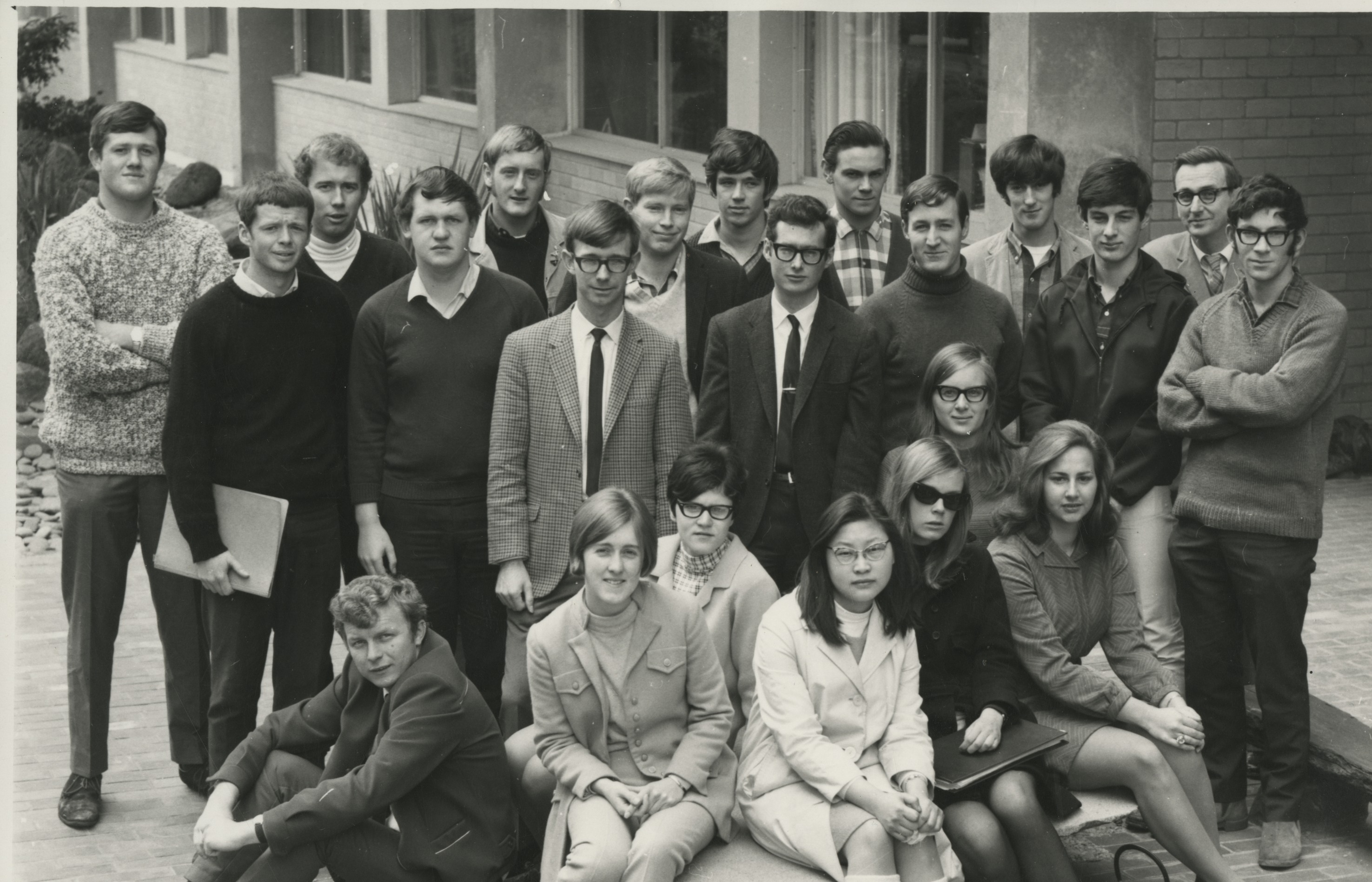
We now carry computers in our pockets, but in 1955, the University of Melbourne became home to the two-tonne CSIRAC computer. Our picture gallery celebrates 70 years of Australia’s first university computing department

Published 17 October 2025
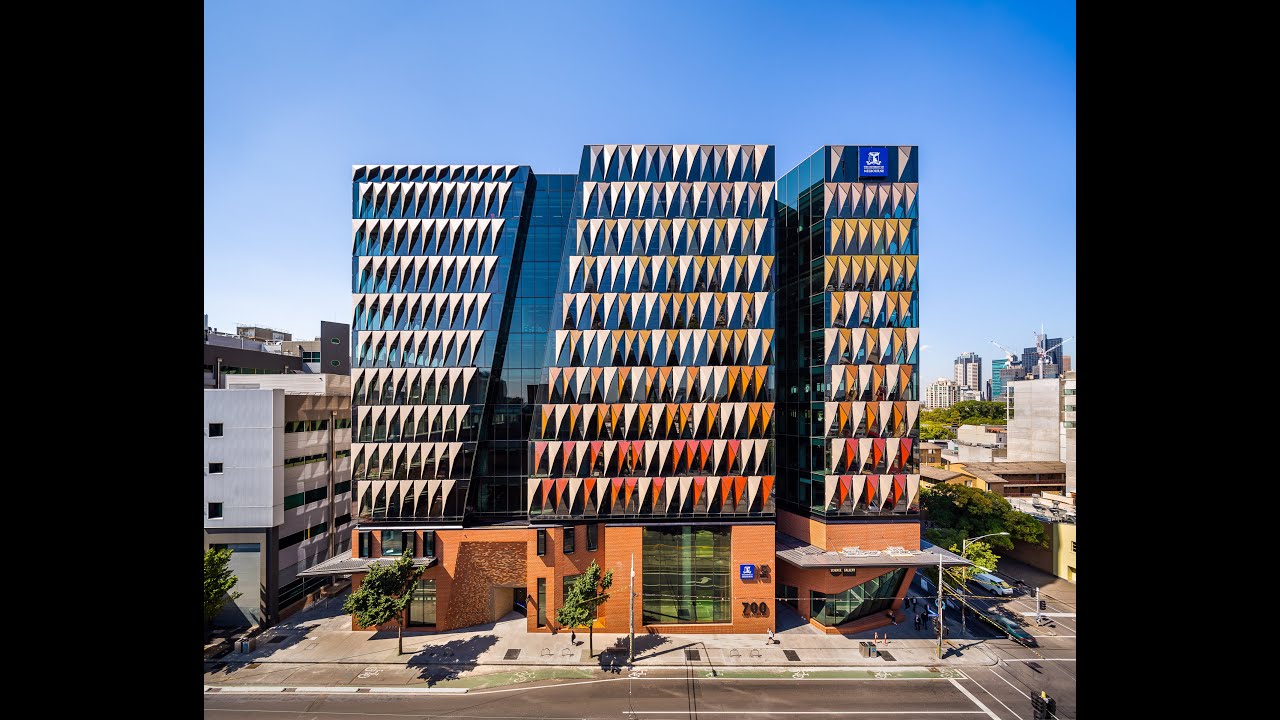 Melbourne Connect, a world class innovation precinct, is now home to the central operations of the School of Computing and Information Systems as part of the Faculty of Engineering and Information Technology. The successor to the Computation Lab now has 11,734 undergraduate subject enrolments, 13,337 postgraduate subject enrolments and 322 PhD students from computer science and information systems to artificial intelligence and human-computer interaction. Its researchers partner with industry, entrepreneurs, users and other collaborators to drive innovations that are changing the world. Picture: University of Melbourne
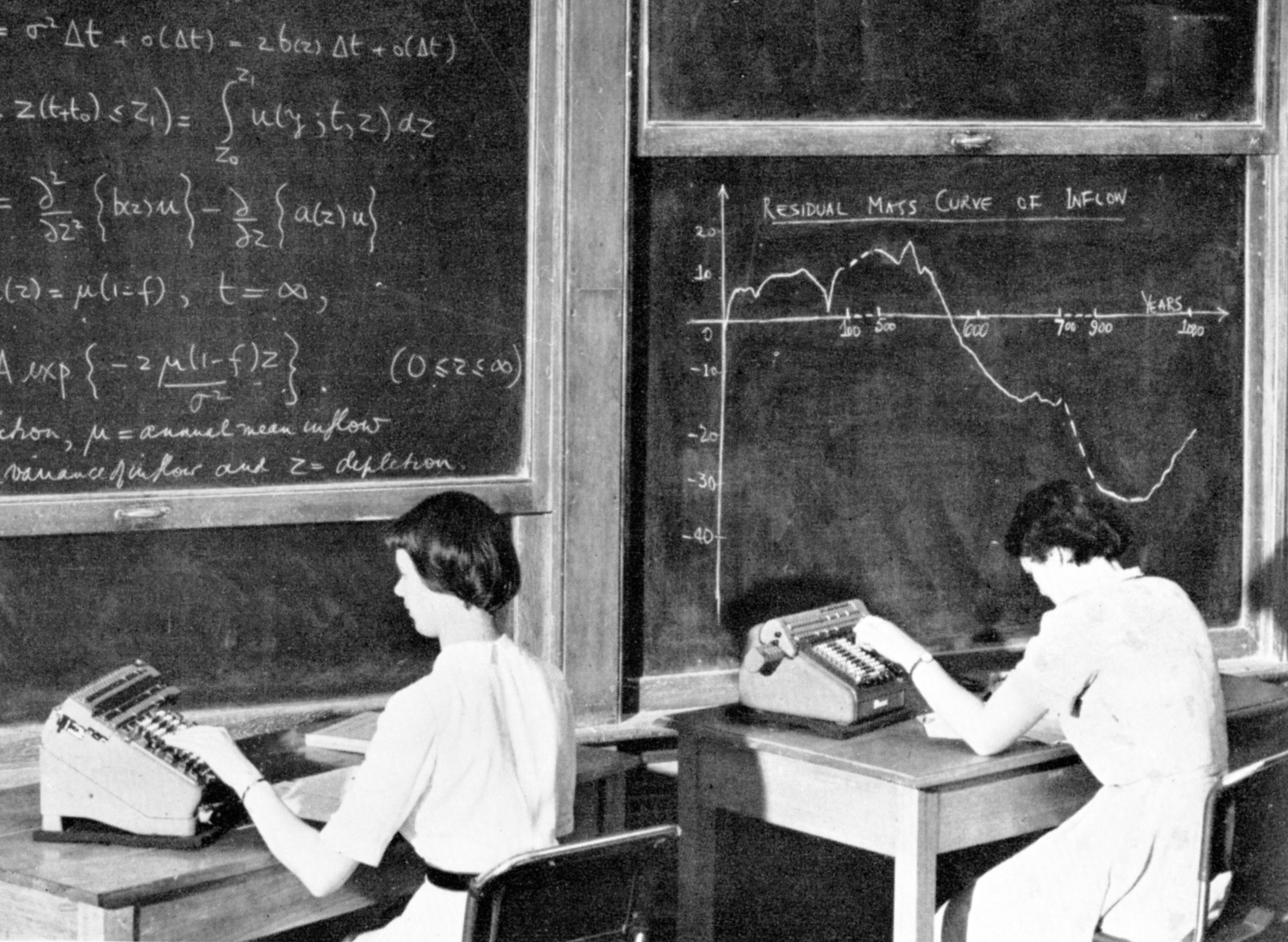 When computers were human. Mathematicians Alison Doig and Betty Laby undertaking calculations for a planned hydro-electric scheme in the Statistics Department, 1956. Both went on to have successful careers at the University of Melbourne, Alison (Doig) Harcourt as a senior lecturer in Mathematics and Betty Laby as an early adopter of electronic computers in the Statistics Department. Picture: University of Melbourne
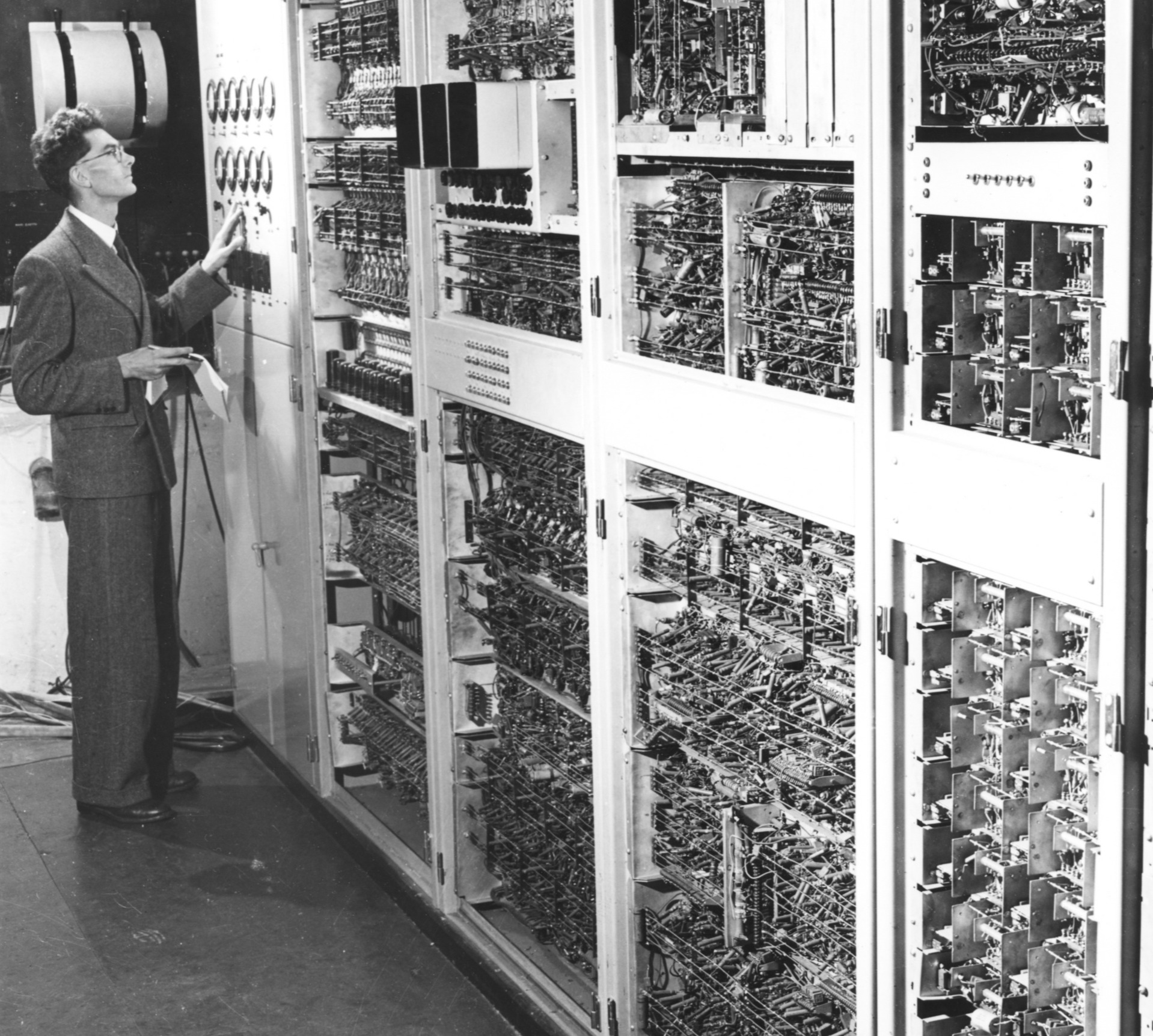 Trevor Pearcey and CSIR Mark 1, 1949. Engineers Trevor Pearcey and Maston Beard created the CSIR Mark I computer in Sydney, largely independently of work then under way in Britain and the US. The Mark I made its first test run in November 1949, making it the fourth electronic digital stored program computer in the world. Picture: CSIRO Archives
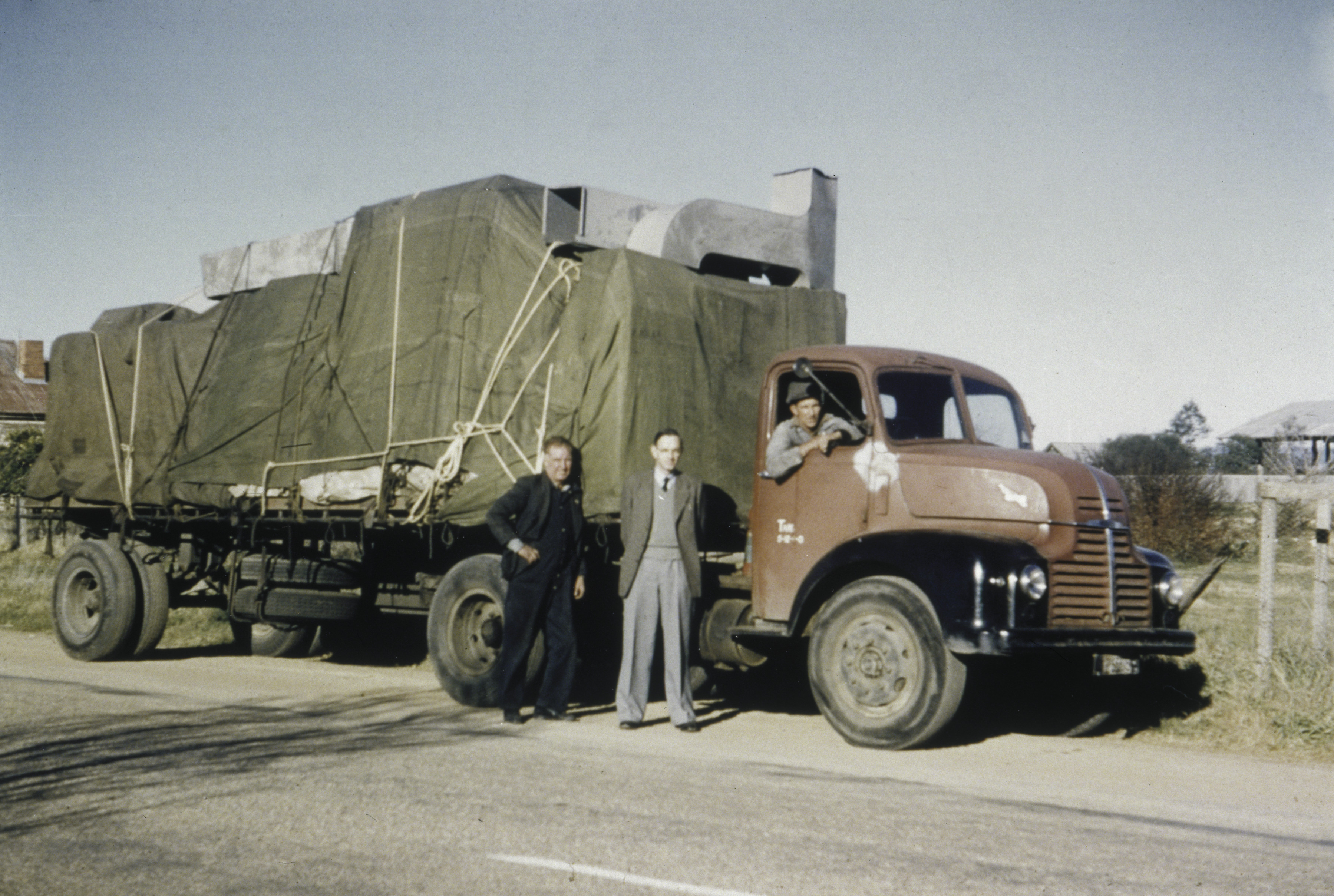 The CSIR Mark I computer on the Hume Highway on its way to Melbourne, 1955. With rapid technical developments occurring overseas, CSIRO decided to discontinue its small computer project. Professor Thomas Cherry in the University of Melbourne’s Department of Mathematics negotiated with CSIRO for the two-tonne computer to be transferred to Melbourne, where it was substantially upgraded over the next few years. Picture: Museum of Melbourne
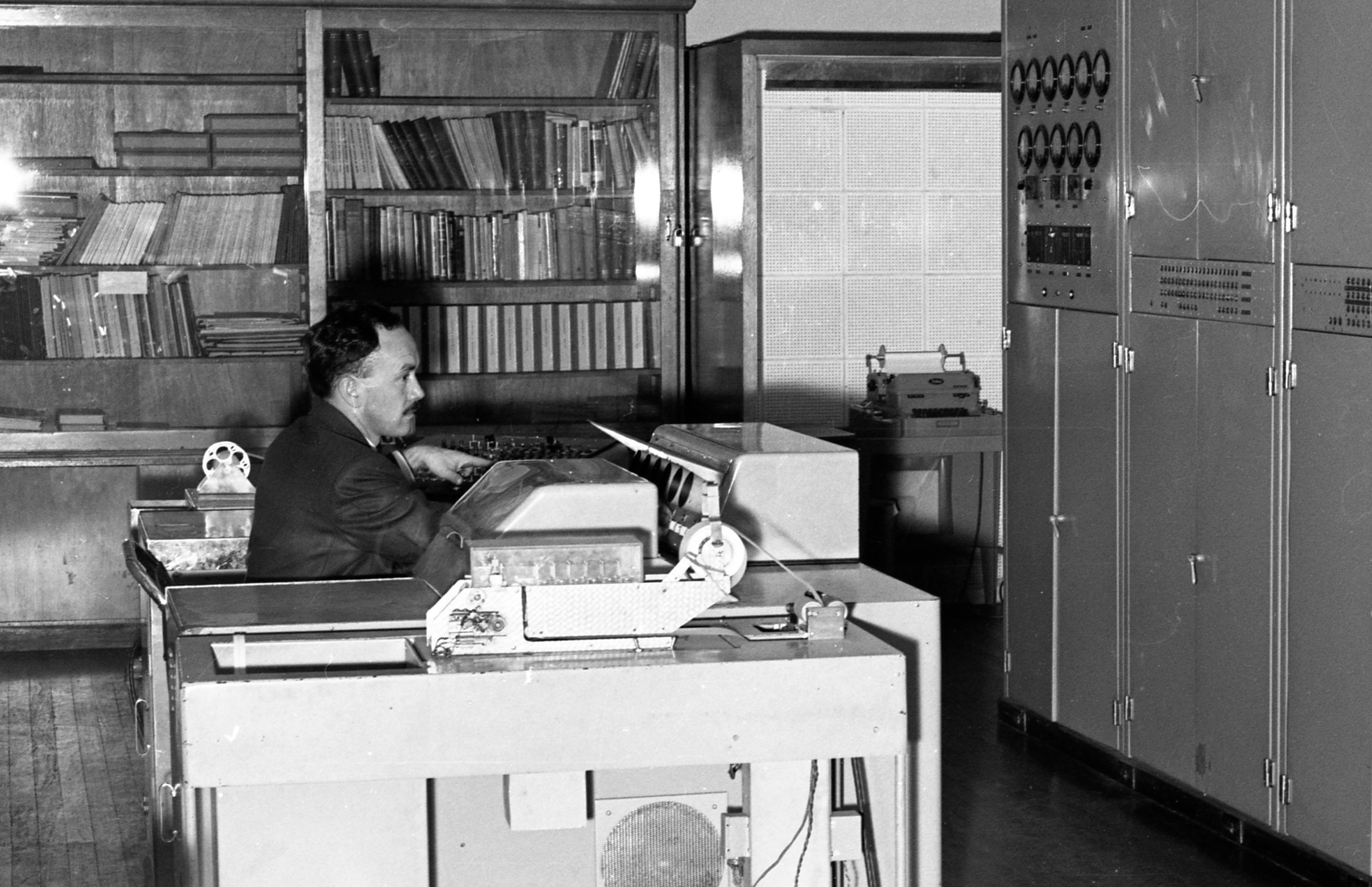 Engineer Jurij Semkiw at the control console of CSIRAC in the University’s Computation Lab (now Biosciences 3, overlooking Professors Walk), c. 1960. CSIRAC provided a computing service to scientists, engineers and the Melbourne business community until 1964, operating for approximately 30,000 hours and tackling around 700 projects. These included calculations for weather forecasting, forestry, loan repayments, building design, psychological research and electricity supply. Picture: University of Melbourne
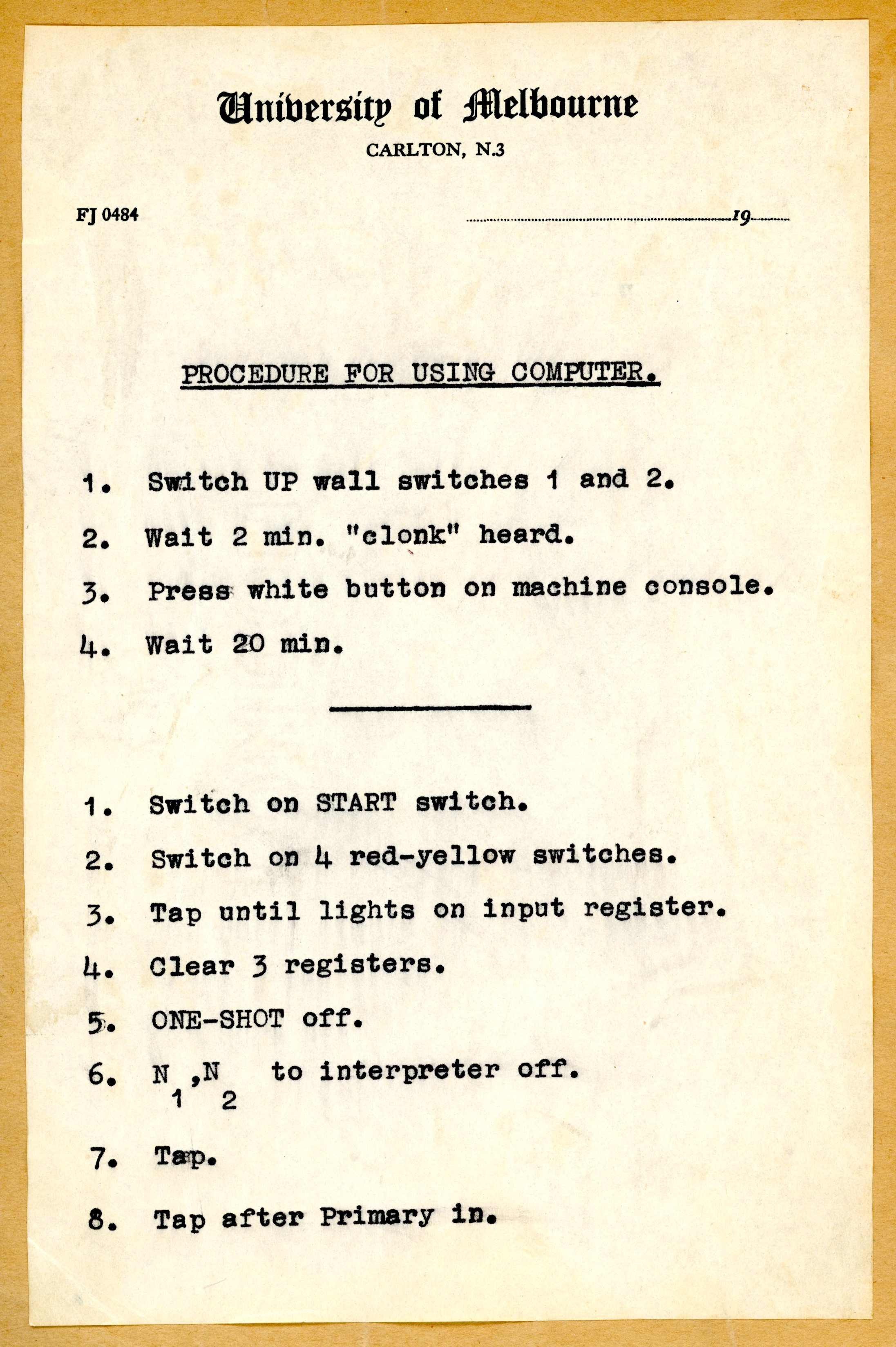 Procedure for starting CSIRAC, c. 1957. The 2000 valve computer could be a temperamental machine; even turning on the electric jug for tea could cause it to fail. Engineers Ron Bowles and Jurij Semkiw kept CSIRAC operational and continued to improve its storage and speed. Picture: University of Melbourne
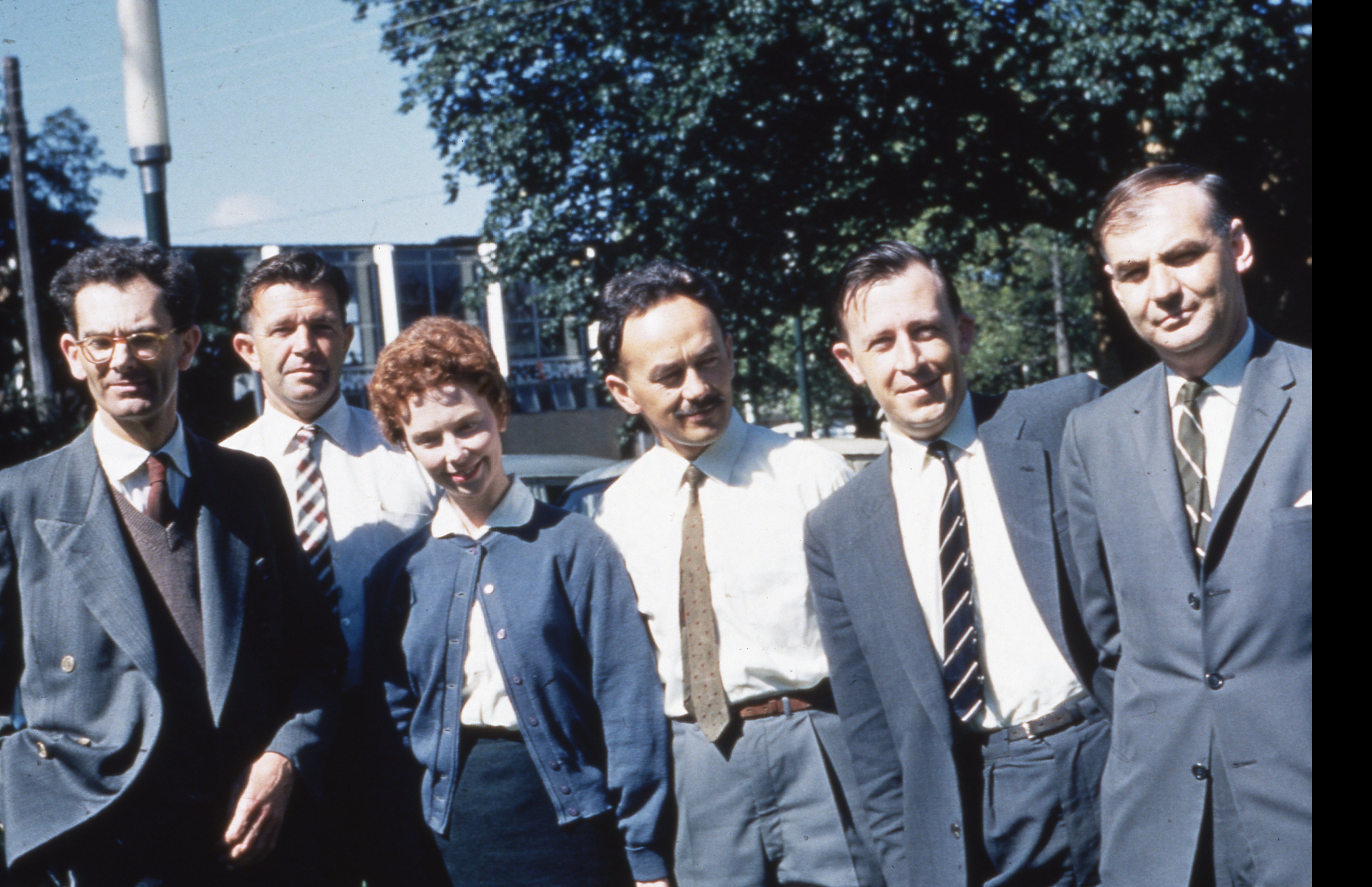 Computation Lab staff at the University of Melbourne, c. 1960. L-R: Trevor Pearcey, Ron Bowles, Kay Thorne, Jurij Semkiw, Geoff Hill, Frank Hirst. CSIRAC played a major role as a training ground for many of the men and women who were to lead the computer revolution in Australia. Picture: University of Melbourne
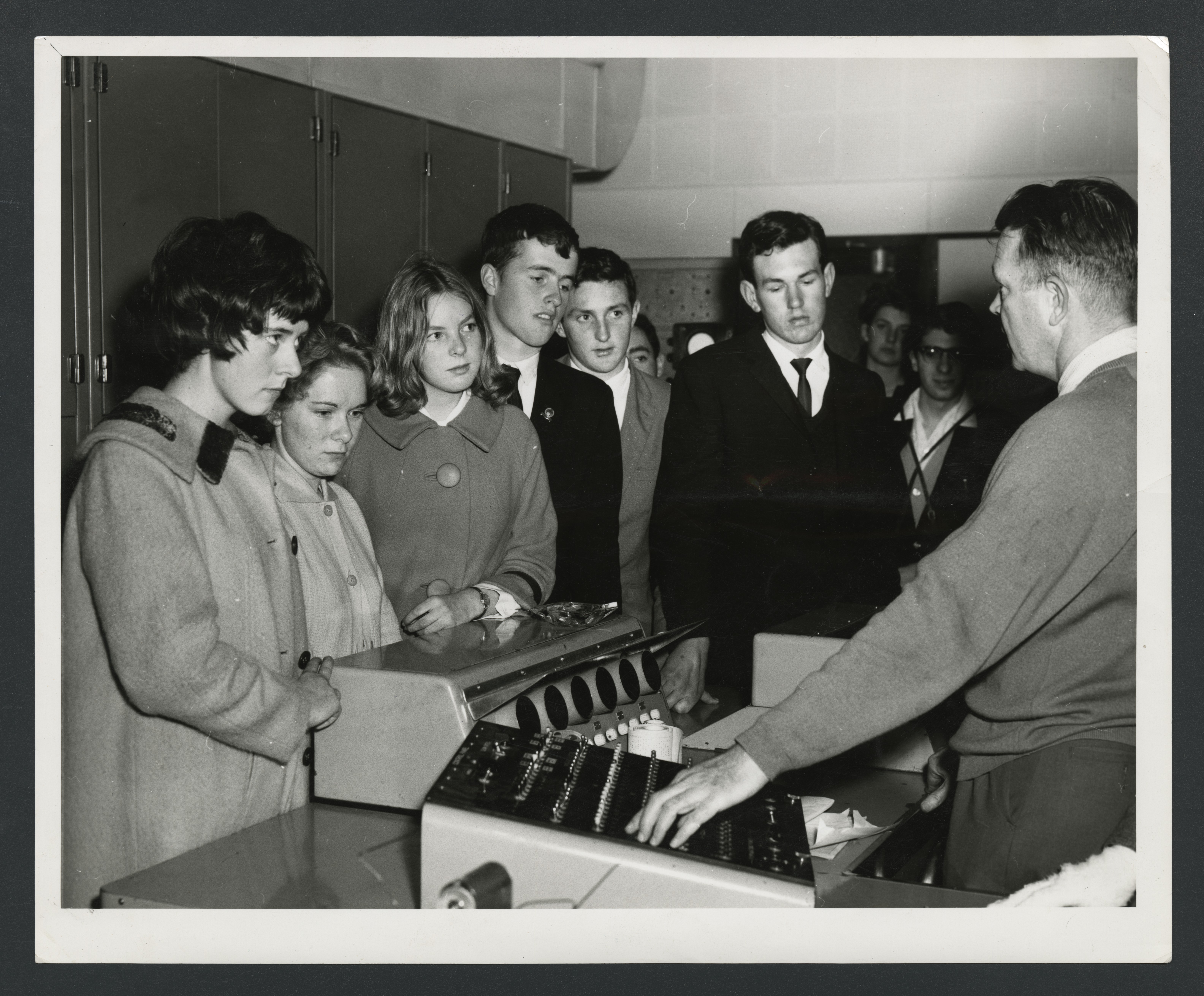 Country school students visiting CSIRAC on Open Day, 1963. As Australia’s first ‘Electronic Brain’, CSIRAC played a significant role in introducing electronic computing to the public. Picture: University of Melbourne
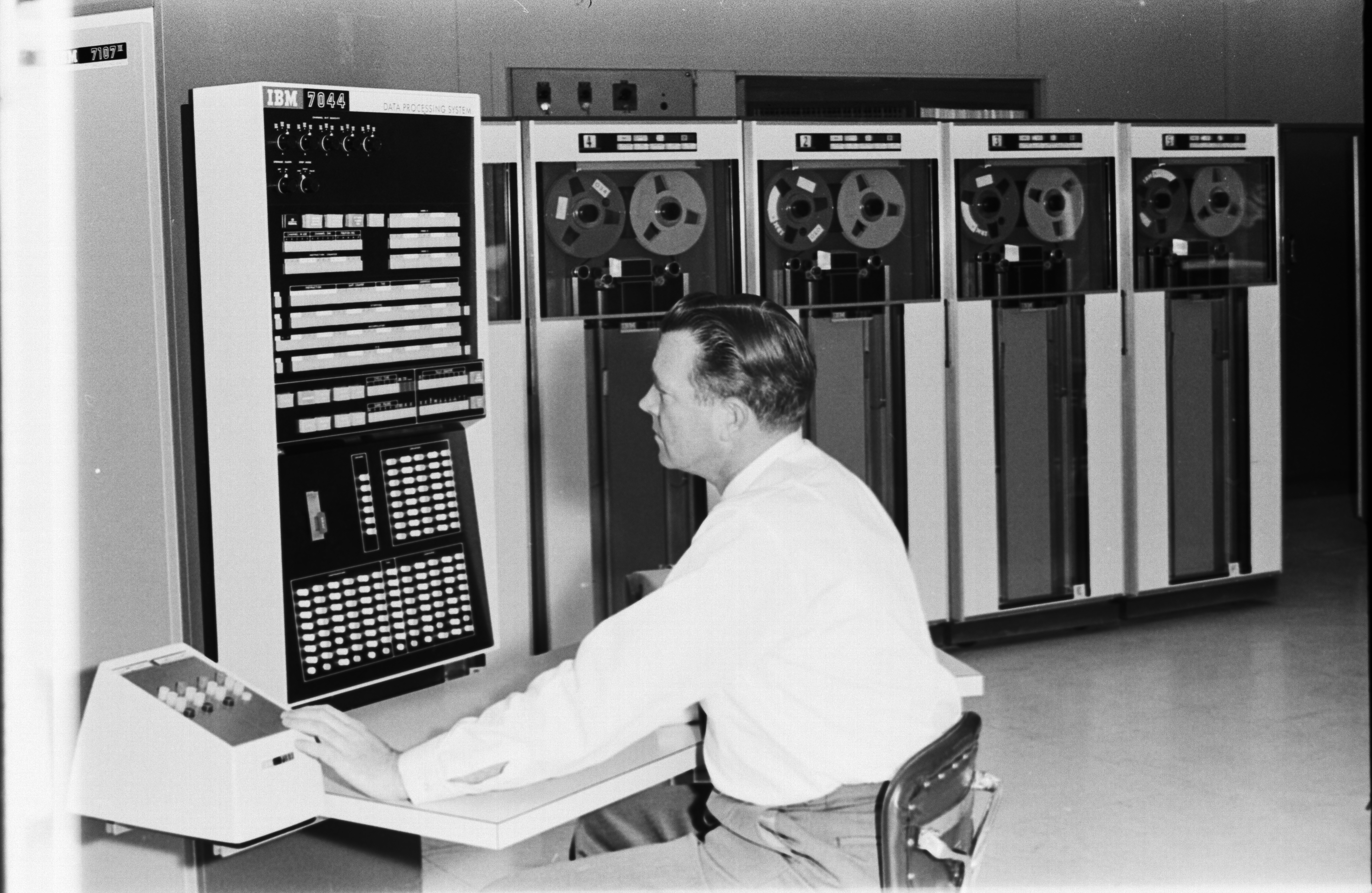 Ron Bowles at the control console of the IBM 7044/1401, 1964. The first mainframe computer at the University, with what at the time was an impressive 64 kilobits of memory. The IBM was a batch-processing machine; staff and students would prepare punch cards for offline spooling, then return hours later to collect the results of their job. Picture: University of MelbourneTheory of Computation II class, 1967. Students began to flock to the new subjects and Professor Peter Poole, appointed in 1975 as the foundation Professor of Computer Science, lobbied for resources to meet the demand. Picture: University of Melbourne
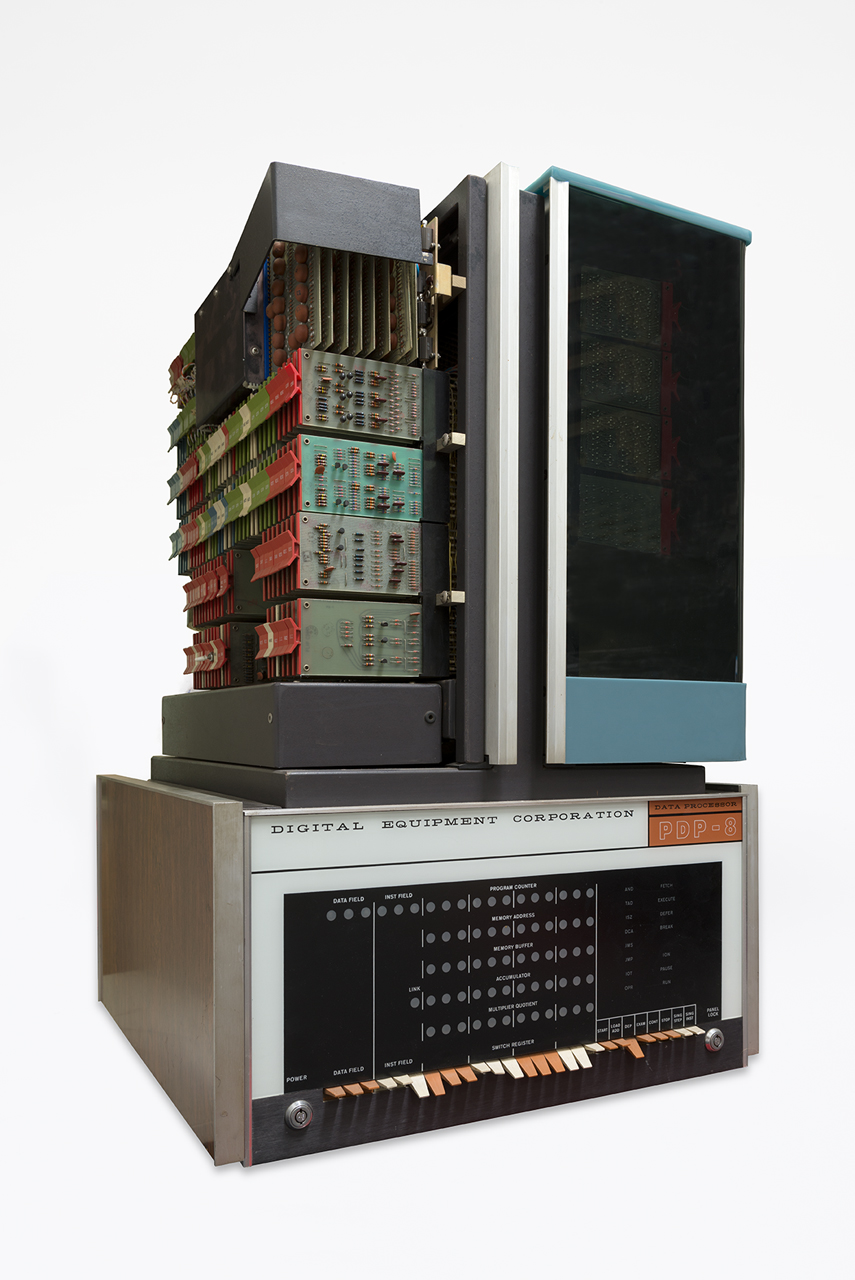 The PDP-8 Minicomputer in the Computer Science Department, 1967. Researchers increasingly saw the benefit of purchasing a benchtop minicomputer that could be adapted to their specific needs. Dr David Dewhurst in the University of Melbourne’s Physiology Department purchased the first PDP-8 in Australia; the Computer Science Department followed shortly after. Picture: University of Melbourne
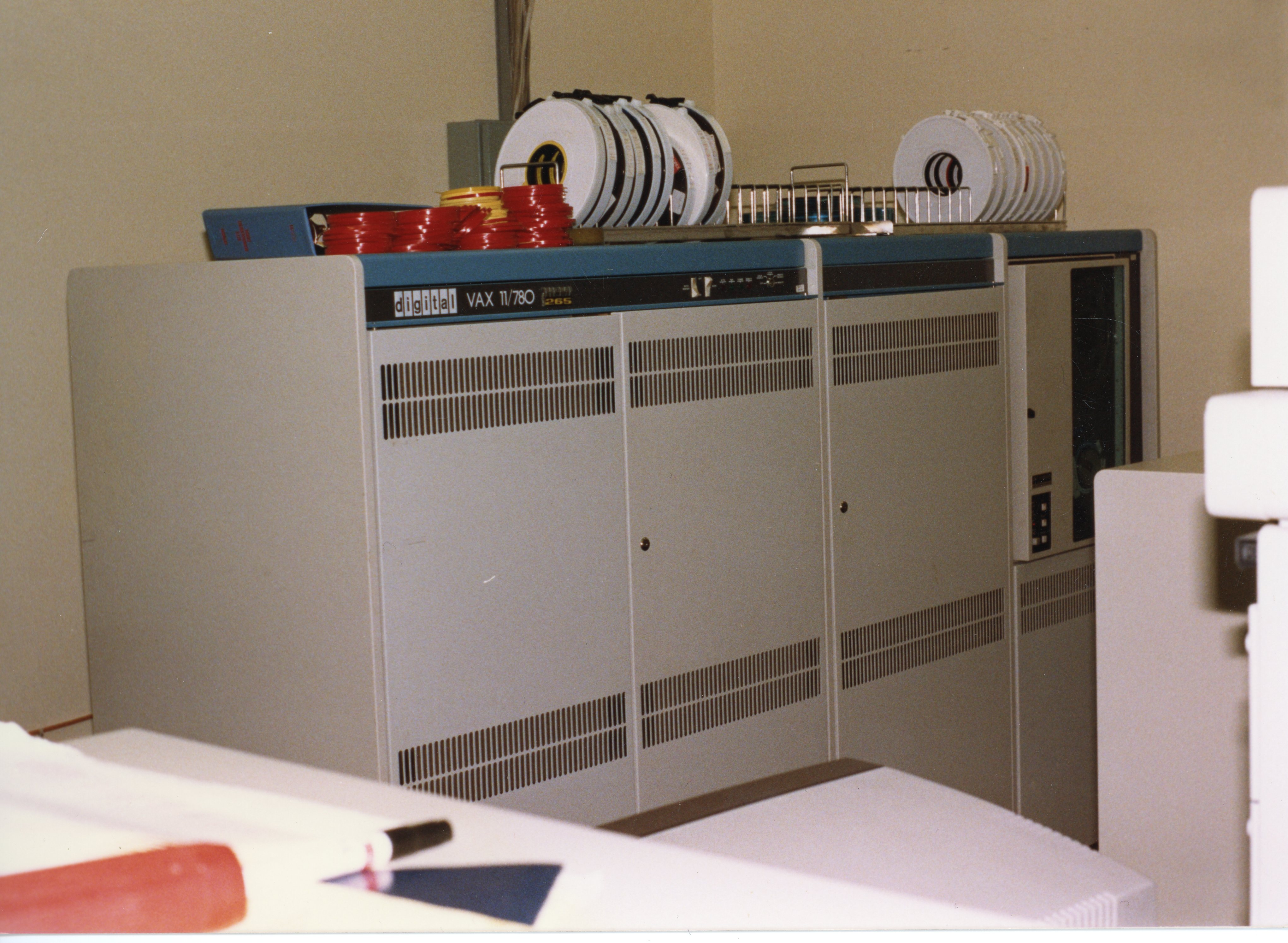 The famous VAX 11/780 computer in the Computer Science Machine Room. The University’s pivotal role in Australia’s early Internet was due to Peter Poole’s connections with the international UNIX community and the work of the Department’s System Administrator Robert Elz. The first connection would be made with this computer to Hawaii and then to the US mainland on 23 June 1989. Picture: University of Melbourne
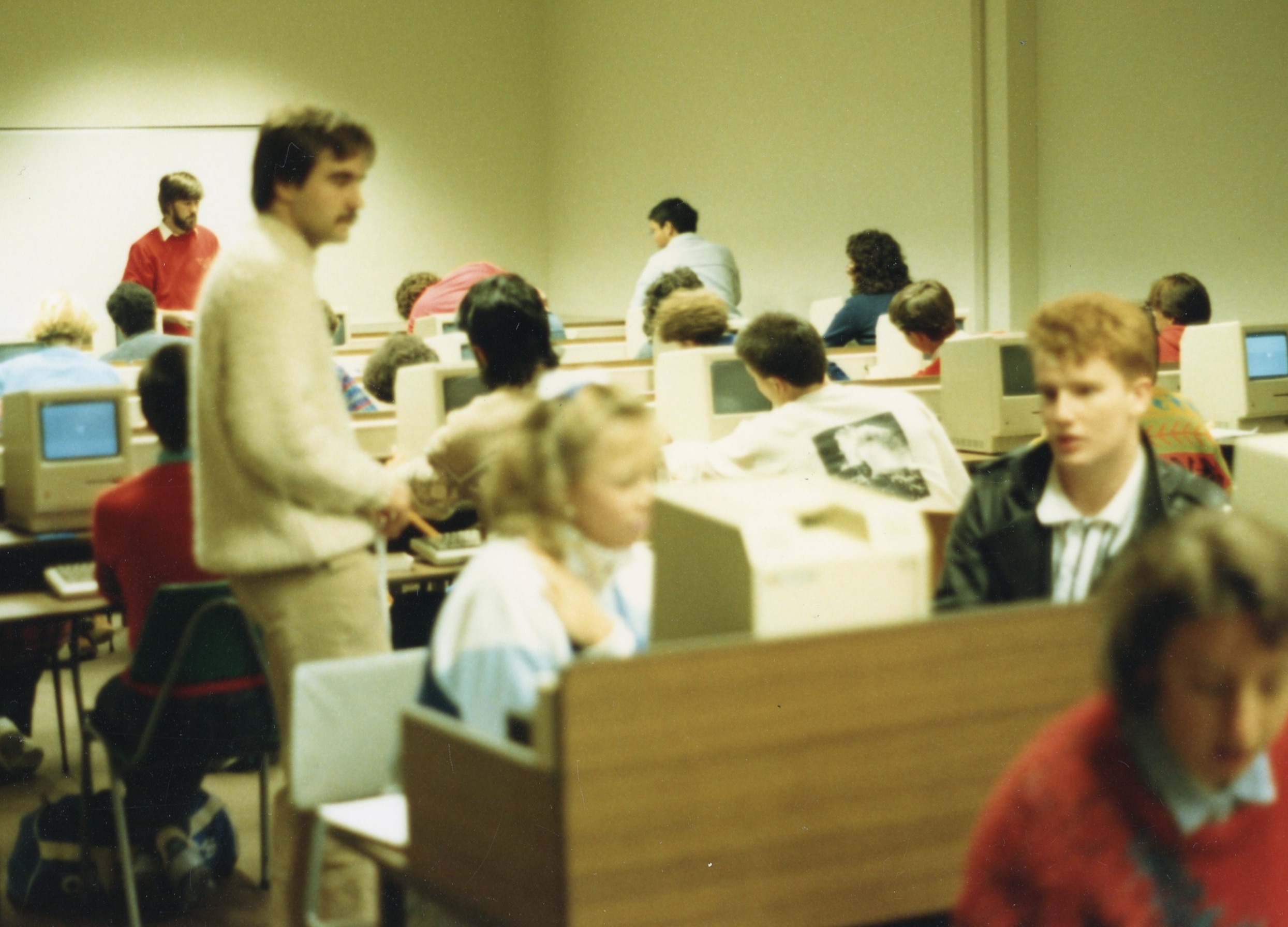 Macintosh computers in the first year computer lab, c. 1986. Apple macs were quickly adopted for teaching in the mid-1980s and a communications bridge developed in the Department to link the Macs to UNIX servers. The resulting technology, Multigate, would be commercialised and sold widely in Australia and the US, including the head office of Apple. Picture: University of Melbourne
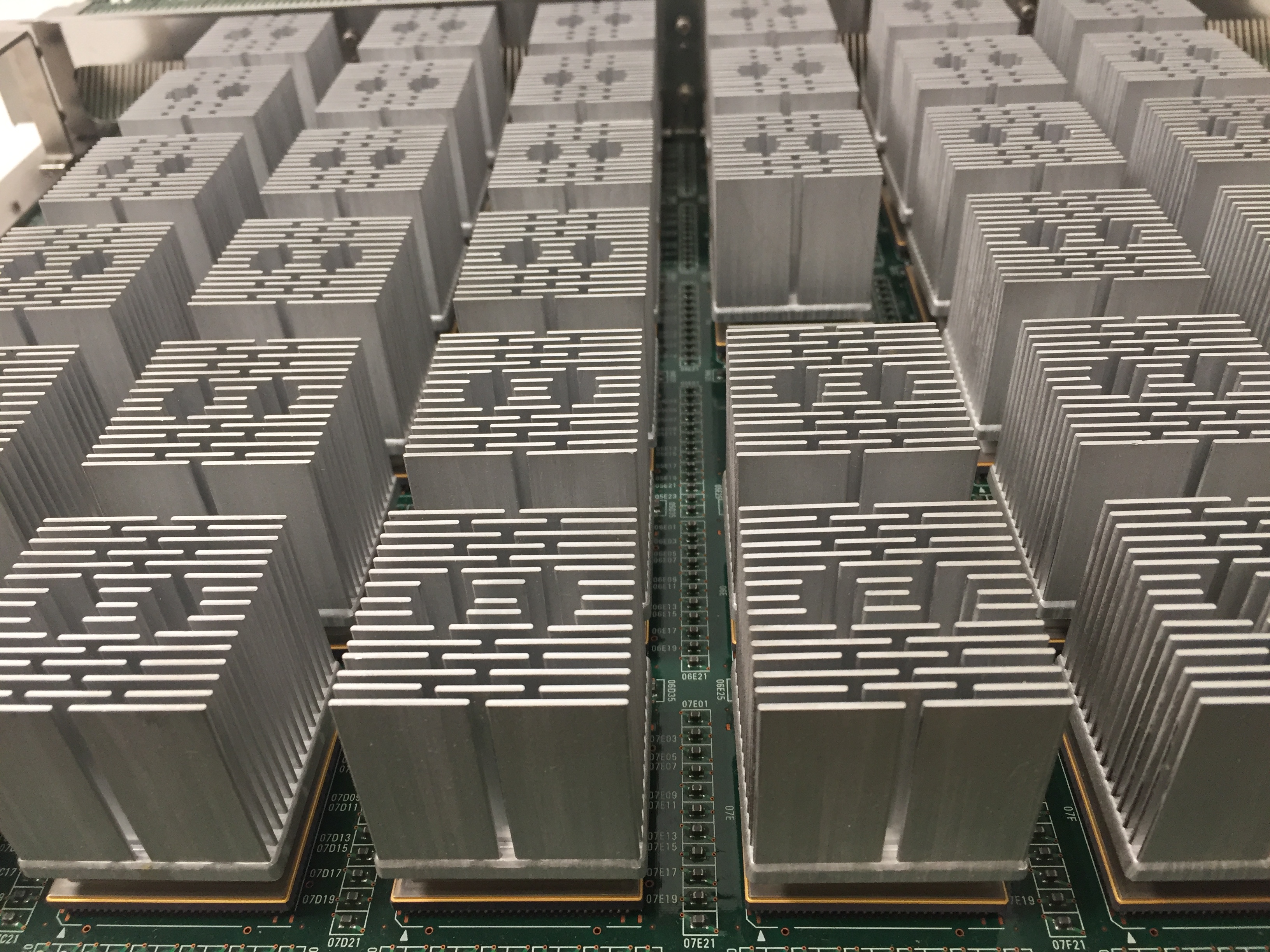 One of 32 Central Processing Units from the NEC SX-4 Supercomputer, purchased by the University of Melbourne in February 1999. Capable of performing 3.6 billion calculations per second, the computer was managed by the Melbourne Advanced Research and Computing Centre, a joint venture of the University, Melbourne University Private and NEC Australia Pty Ltd. It was used for molecular studies, weather analysis, mapping of ocean currents, and research on the central nervous system. Picture: University of Melbourne
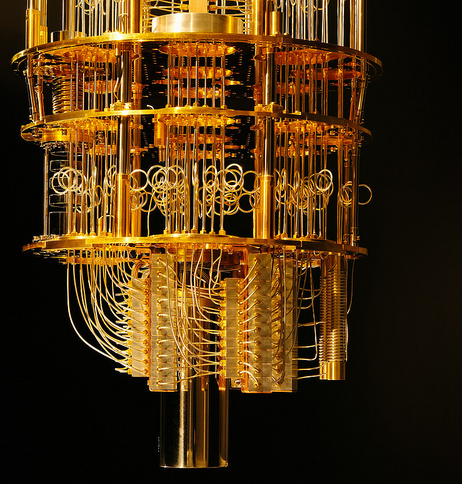 In 2017, the University of Melbourne became the first Australian university to join the IBM Q Network, a collaboration of Fortune 500 companies, academic institutions and national research labs exploring quantum applications for business and science. Led by Professor Lloyd Hollenberg, researchers created the blueprint for a full-scale silicon quantum computer and set a world record for quantum entanglement on IBM Quantum devices. In 2018, the team also launched Quantum User Interface (QUI) – a simulation for software development and training the new generation of quantum programmers. Picture: IBM quantum computer and cooling system
1 / 15