

How David Attenborough changed the way we see the natural world
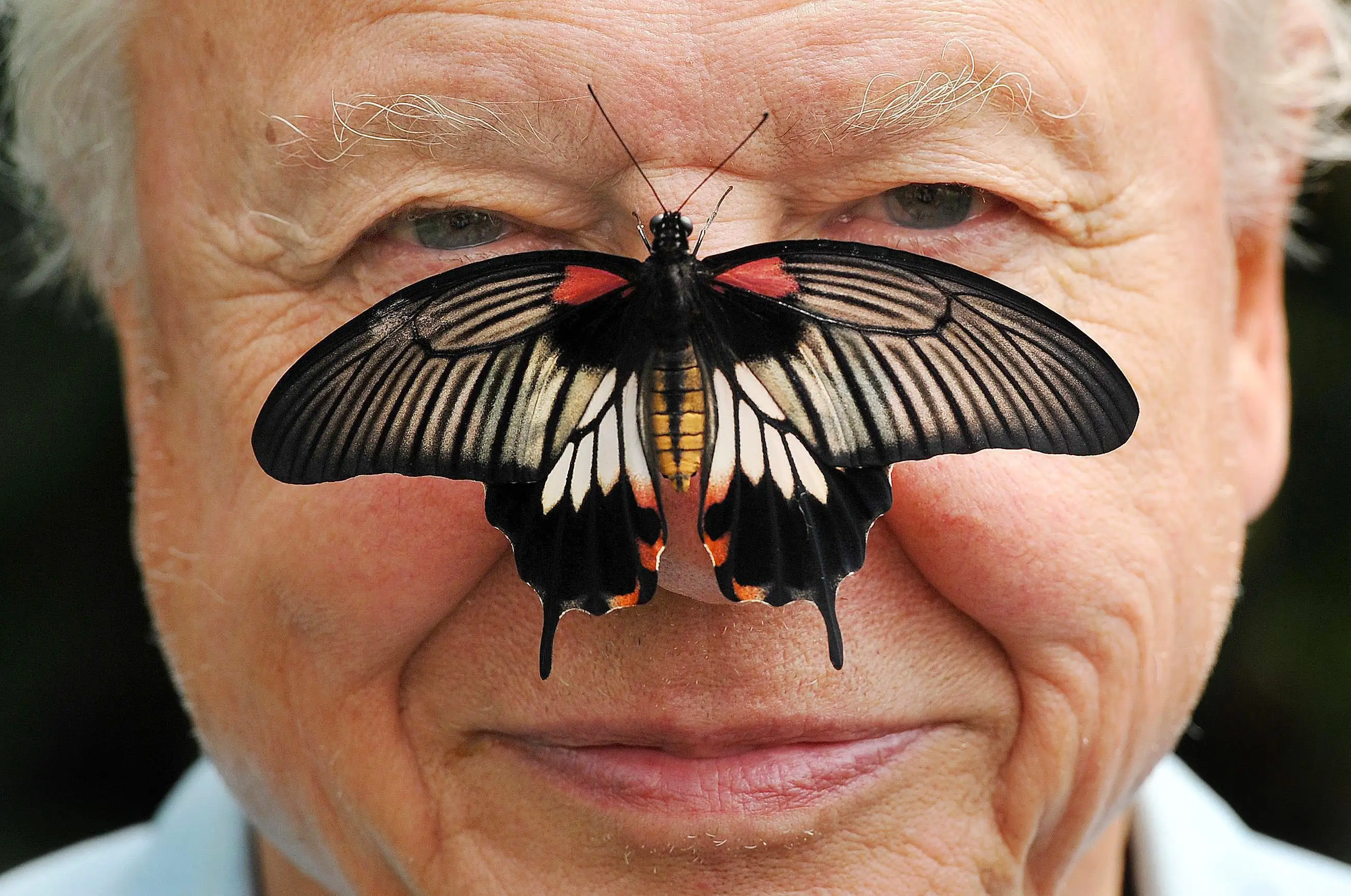
As Sir David Attenborough turns 100, we reflect on what makes him the world's most beloved conservation communicator and why his greatest lesson is making us care about the vanishing natural world


Published 7 May 2026
Many of us first met Sir David Attenborough on a boxy television set, the kind with a curved glass screen, patchy connection and scratchy audio.
He was dressed in his crisp white shirt. His voice – close, careful, almost whispered – drew you into the secrets he was revealing. For a lot of us, it was our first glimpse into a world of wonder.
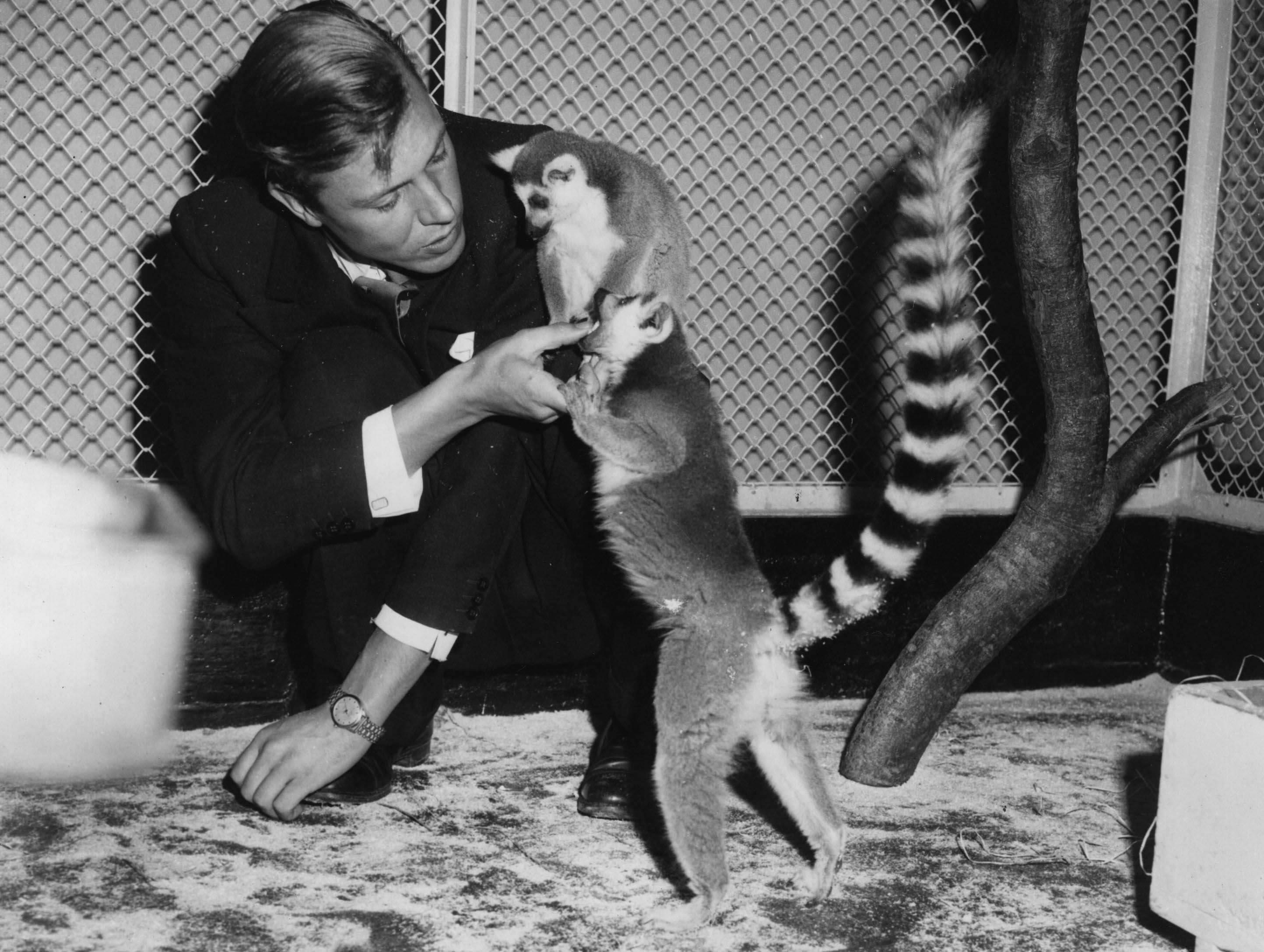
Through the screen, he has taken us to corners of the globe we would never likely see in person, introducing us to exotic and fascinating creatures we would never likely encounter.
Through his journeys, Attenborough shaped the public's curiosity about nature, sparking imaginations and starting many careers in biology, biodiversity and conservation.
And he said it best. “No one will protect what they don't care about, and no one will care about what they have never experienced.”
Awe and wonder
In the 1950s, Attenborough took to the small screen, showing us things that amazed and inspired, but it wasn’t just pretty pictures.
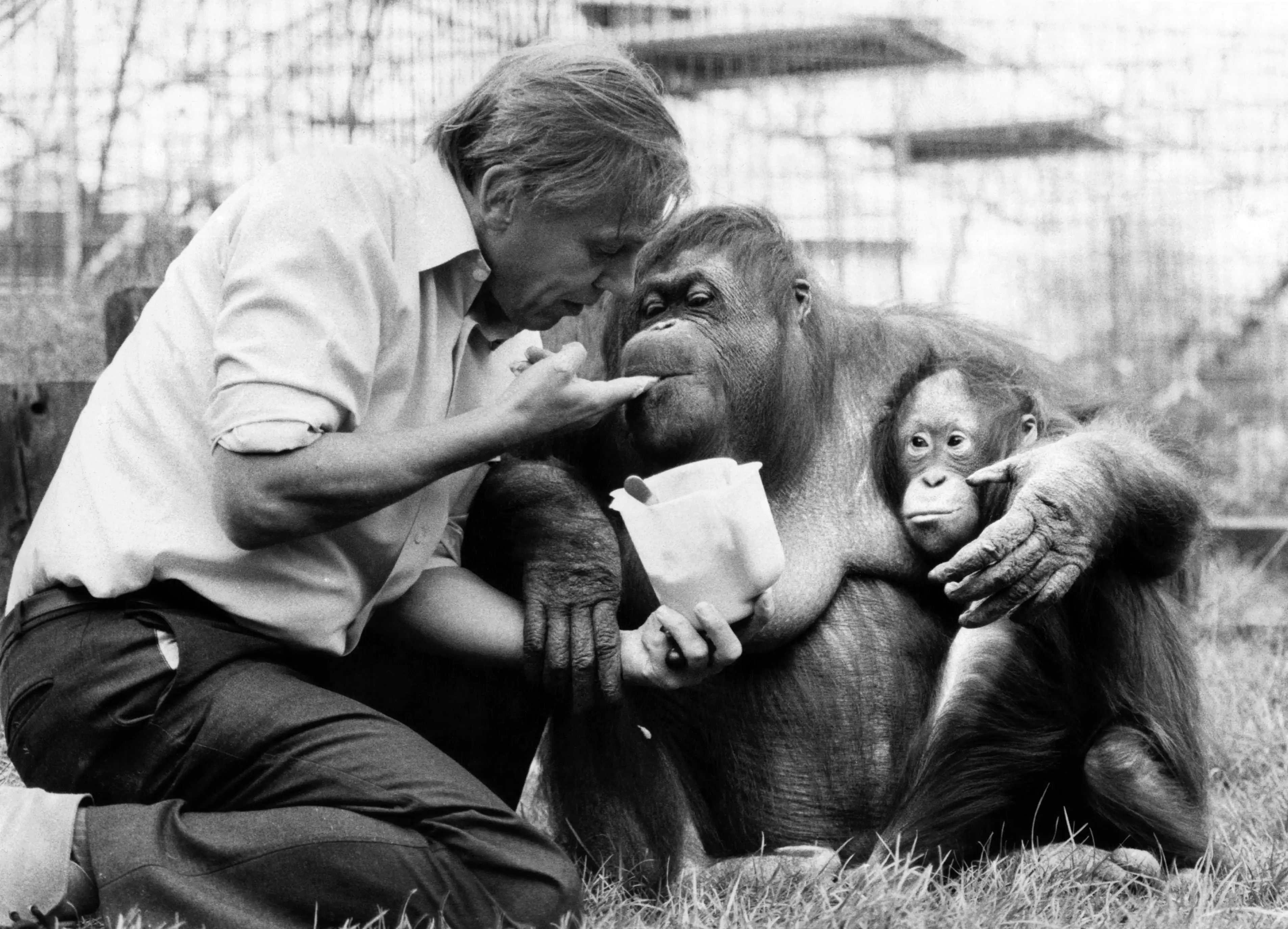
He interpreted the behaviours of animals that allowed us to see their intelligence, communication, empathy and compassion. He showed us how plants move and interact with what’s around them, at a pace so slow we so often overlook them in our haste.
He gently built an understanding of the codependence of all living things and how they are shaped by earth, weather and oceans. He was able to convey the power, unfathomable complexity, but also the fragility of life.
In doing so, he made ecology a household subject, accessible to hundreds of millions of people the world over.
The BBC’s Life on Earth, which began production in 1976, documented more than 600 species across 40 countries at a scale no other TV production had attempted. It gave Rwandan mountain gorillas a place on prime time television.
Generations of researchers (including us) entered the field driven by the same curiosity, shaped by the connection to the living world we first saw through our screens and heard in Attenborough’s charming, familiar whisper.
But latterly, Attenborough has issued warnings. This is not a shift in his temperament, he is simply tracking the science.
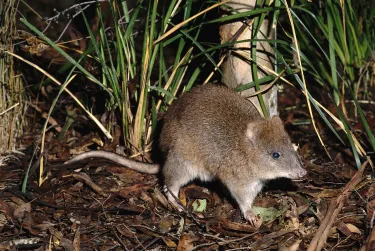
Over the span of his career, the work of biologists and ecologists moved from understanding and cataloguing biodiversity, to documenting its collapse and humanity’s transition into the Anthropocene and the early stages of a sixth mass extinction.
This has already cost us so many amazing animals and plants. It now threatens to unpick the ecological fabric that underpins our own existence.
While Attenborough’s later documentaries didn't abandon the wonder of the earlier ones, they did ask what the wonder was for, if we weren't going to protect it.
And he asked us to get on with it. The pace of change and the rate of loss built an urgency in his demeanour that would’ve been hard to imagine in 1976.
Storytelling is conservation
Data alone has rarely moved policy and Attenborough's real skill was weaving science and visuals into a narrative people could connect with and couldn't look away from.
Sciences & Technology
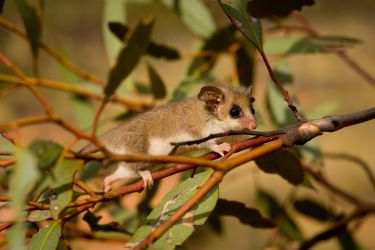
A biobank freezes Australian species for the future
He coupled learning and entertainment in a way that is hard to match – and yes, he had some pretty good material to work with.
There is a lesson there for how we communicate biodiversity loss now, how we create empathy with vanishing biodiversity and how we pair hard truths with hope that moves people to act.
It’s worth noticing how Sir David focuses a species or place first and then weaves in the facts once he has our full attention. It’s a way of communicating we can learn from.
It's an approach that underpins Melbourne Biodiversity Institute's work on nature connection and awe. Australian conservationist Bob Brown's campaign to save the Franklin did the same thing. Peter Dombrovskis' photograph Morning Mist, Rock Island Bend – a single frame of a river most Australians had never seen and would never visit – ran as a full-page newspaper ad before the 1983 election, beneath the caption: "Could you vote for a party that would destroy this?"
Like Attenborough, all of these examples understand that wonder and urgency aren’t opposites.
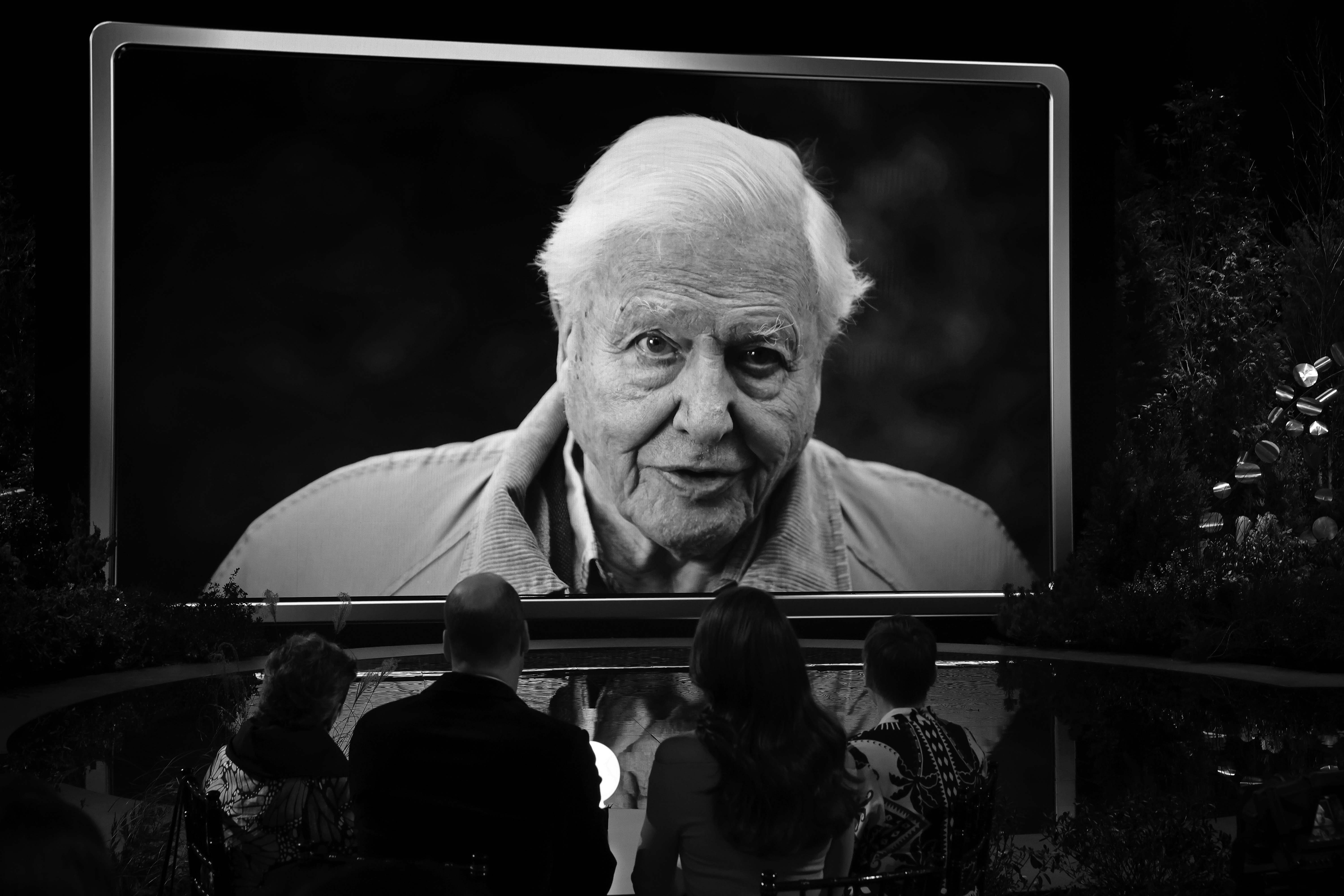
Much of what we read and see about climate change and biodiversity loss can either terrify or numb. Most conservation researchers, including us, are guilty of communicating the science this way.
Attenborough works in a third register; holding grief and hope together, and treating public communication as part of the science, not separate from it.
A living witness to a changing world
The world Attenborough first documented is not the world he is documenting now.
The Great Barrier Reef has endured nine major bleaching events since the mid-1990s, most of them in the past 10 years. Much of the coral filmed on Life on Earth is likely gone or in decline.
Australia holds the worst mammal extinction record on the planet and we’re losing two per cent of animal and plant populations every year. Can you imagine how long a government would last if we lost two per cent of GDP two years in a row?
Sciences & Technology
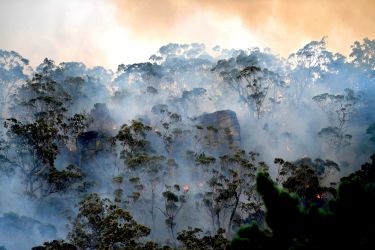
The burning of Australia’s nature
Biodiversity is suffering, but the original wonder Attenborough delivered to our lounge rooms is not lost.
Two things give us hope. The first, the so-called ‘Attenborough Effect’, is real and measurable.
After Blue Planet II aired in 2017, there were reports that it had a real impact on attitudes toward single-use plastics as the issue moved up the public and political agenda.
Storytelling, when it is honest and well made, can have the leverage to shift policy and action fast.
The second ray of hope is that a story cannot be told from the outside looking in. We are all part of the living systems. Indigenous knowledge holders, local communities, researchers and other stewards of the environment hold knowledge and passion for the diversity of animals, plants and fungi in the places we inhabit.
By listening to their voices and sharing their stories, we can all remember our kinship with other living things – collectively forging a path back to a thriving, living planet.
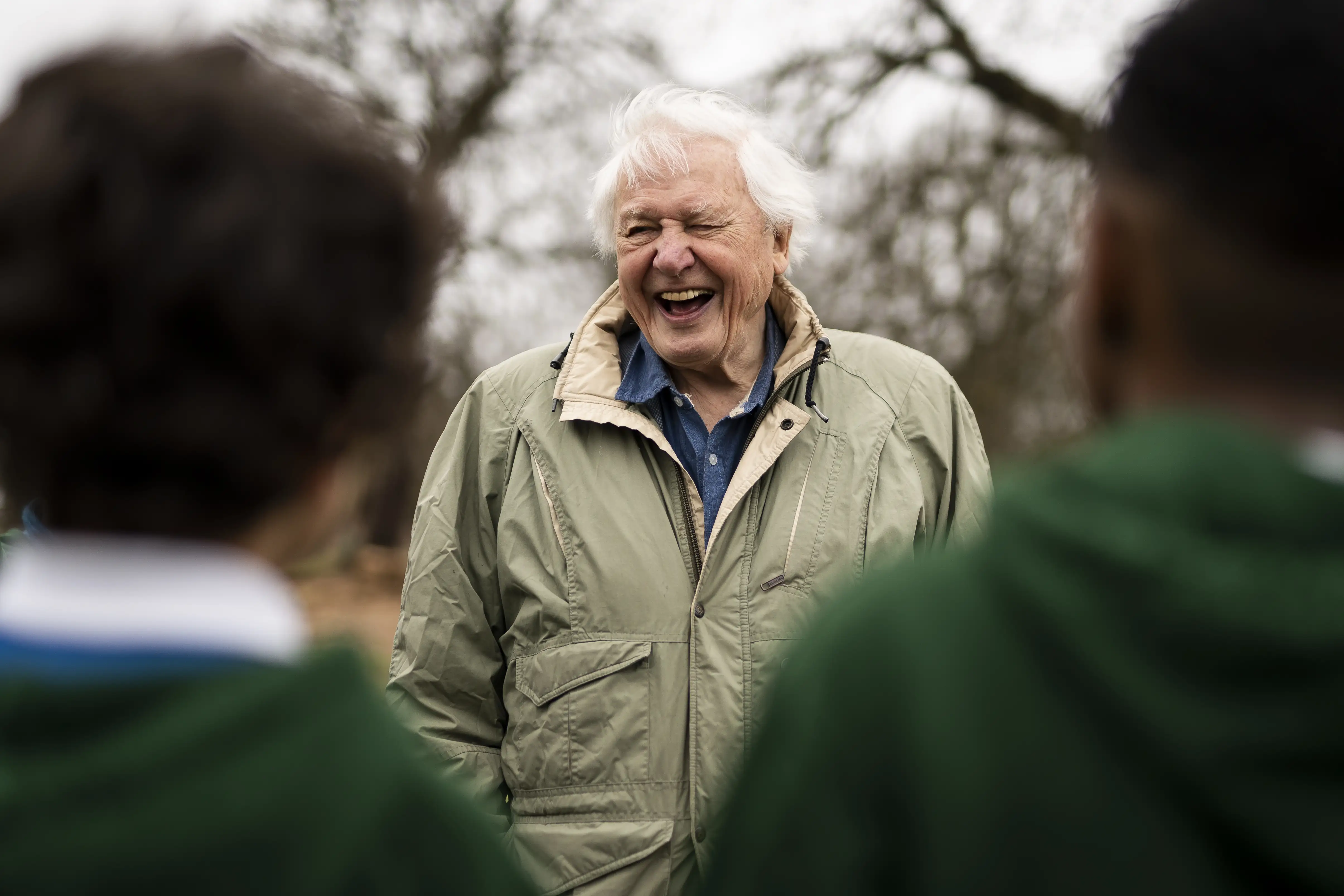
Attenborough’s greatest contribution may have been in showing us what’s possible and what we stand to gain if we can choose a different path.
At 100 years, he is a living witness to the changes unfolding around us and a clarion call to address these changes with growing urgency.
Honouring Attenborough’s incredible legacy asks us not to focus on loss alone, but to hold onto the wonder that he first brought to our screens all those years ago.
In doing so, it reminds us that our lives are enriched when we nurture and protect the diversity of life around us and work to conserve our wondrous living planet.