
Health & Medicine
The young people getting nature on prescription


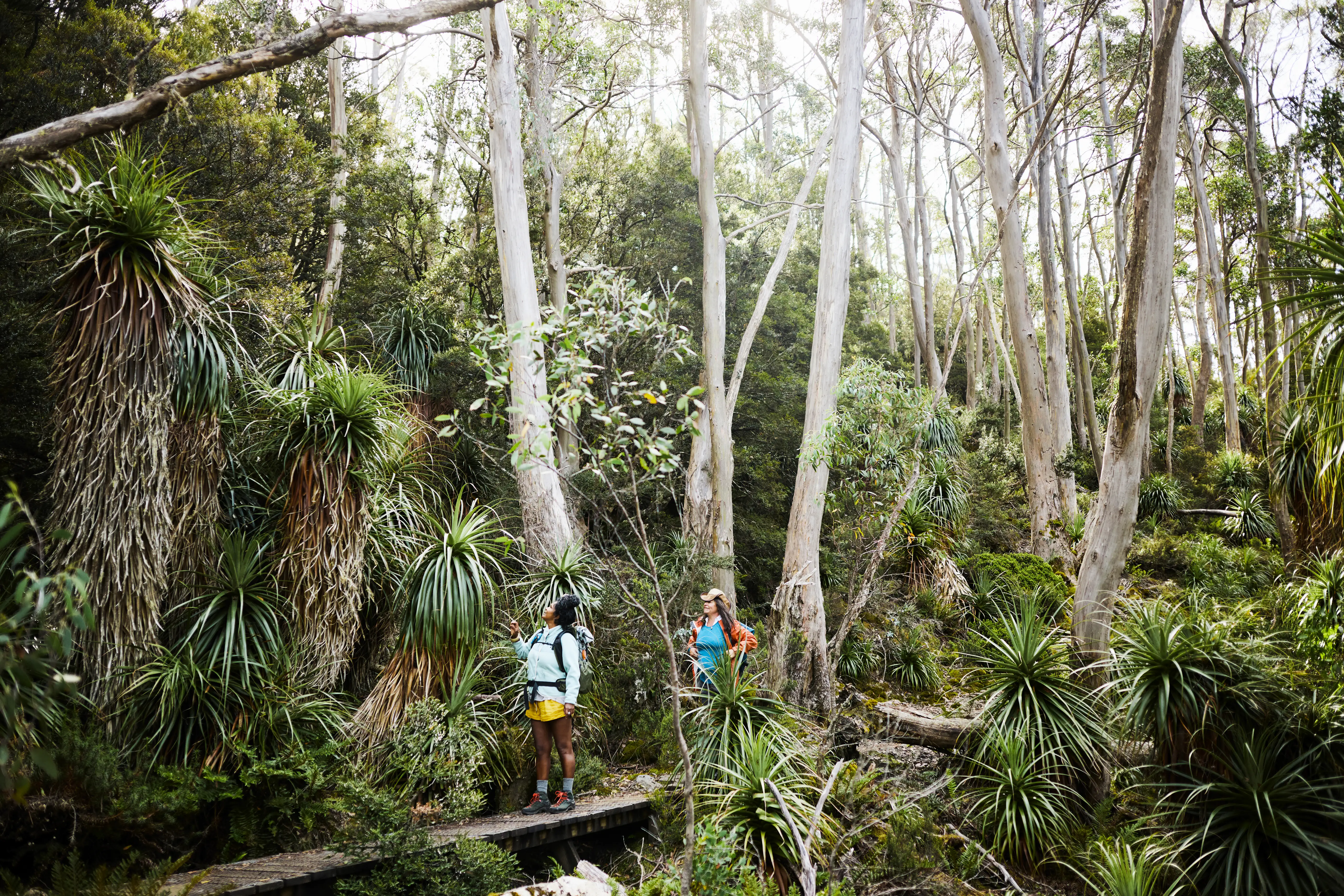
A new trial has found nature-based prescribing generated wellbeing benefits for young Australians worth more than four times their cost


Published 26 November 2025
Young Australians are struggling. Almost three in 10 are experiencing high psychological distress, nearly a quarter feel lonely most of the time, and around 60 per cent face some form of social exclusion.
But what if part of the solution lies in something often overlooked – structured time in nature as an alternative or complement to traditional medicine?
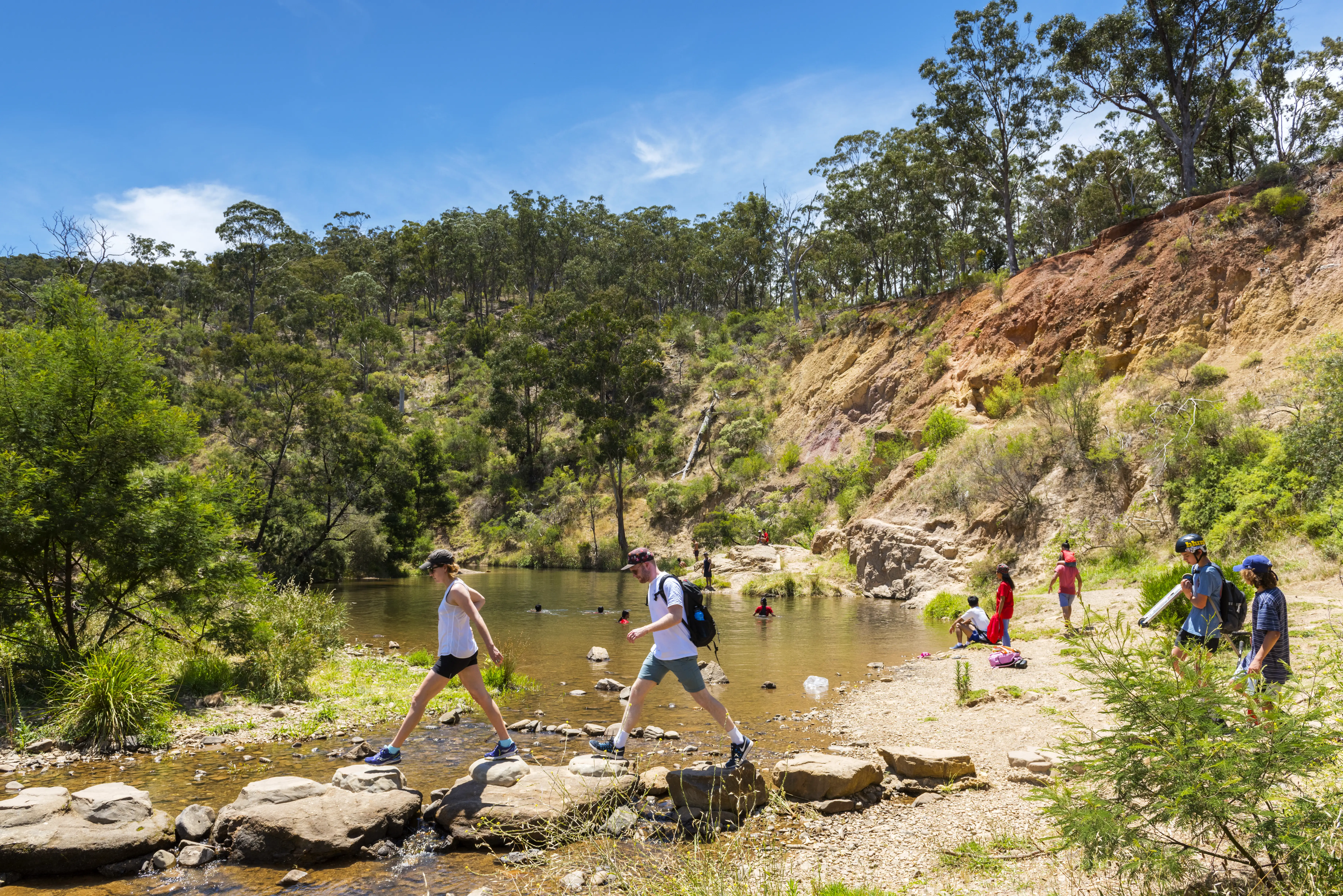
A groundbreaking Victorian trial suggests it might be.
Our new research has found that group-based ‘nature prescriptions’ – where health practitioners prescribe nature-based activities for patients – can deliver compelling results and value for money.
We worked with the Victorian not-for-profit People and Parks Foundation and headspace Shepparton, a branch of one of Australia’s mental health service providers, to evaluate a program called Nature Scripts.
This research study recruited young people with mild to moderate mental illness, as measured by established psychological distress scales.
Rather than a conventional counselling approach, small groups of five to seven participants spent two hours a week for six weeks doing curated nature-based activities, led by headspace staff.
The aim was to build nature awareness and knowledge, involving activities including nature journaling, yoga, tree planting, bushwalking with a Parks Victoria ranger, identifying macroinvertebrates
with Landcare and learning nature photography.
The results were fascinating.
Our research evaluation involved 62 participants (which included a control group).
We measured their wellbeing using the Personal Wellbeing Index (PWI), which measures life satisfaction across seven key areas: standard of living, health, life achievements, personal relationships, perceived safety, community connections and future security.
When this group of young people started the program, their average wellbeing score was just 5.7 out of 10.
That's dramatically lower than typical Australian scores, which range from 6.3 to 7.5.
After six weeks, participants showed a substantial improvement of around 0.7 points. Those who completed the program twice saw even greater improvements, which were more sustained.
Health & Medicine
The young people getting nature on prescription
The benefits weren't just about general wellbeing. Participants also showed reduced psychological distress and significantly less loneliness.
While improvements in feeling connected to nature weren't statistically significant, participants reported feeling more part of their community by around 10 per cent.
Interviews with 12 participants confirmed what the data suggested: the social dimension of spending time outdoors together was crucial, as was program delivery by headspace counsellors.
Here's where the research gets really interesting.
Headspace estimates that running three Nature Scripts programs would cost around AU$50,000. Participant costs – including things like travel – would add between AU$2,700 and AU$9,540 to these costs.

But our research has developed ways to put a dollar value on wellbeing improvements.
Our previous work has shown that a one-unit gain in wellbeing is equivalent to almost a 50 per cent increase in a person's household income – similar to findings in the UK.
Using this approach, we calculated that each participant's improvement in wellbeing was worth about $AU19,875 if sustained for six months.
For 12 participants across three programs, that adds up to approximately $AU240,000 in wellbeing benefits.
The benefit-to-cost ratio? An impressive 4.0 - 4.3 to 1.

While the economic case is compelling, we have not tried to put a dollar figure on all the program’s benefits.
Reduced loneliness and psychological distress, along with benefits for participants' friends and family, add extra value.
Australia, like many other countries, continues to face a mental health crisis. One in five Australians experiences mental illness, including anxiety, depression and substance abuse disorders.
Traditional treatments are expensive and often have waiting lists.
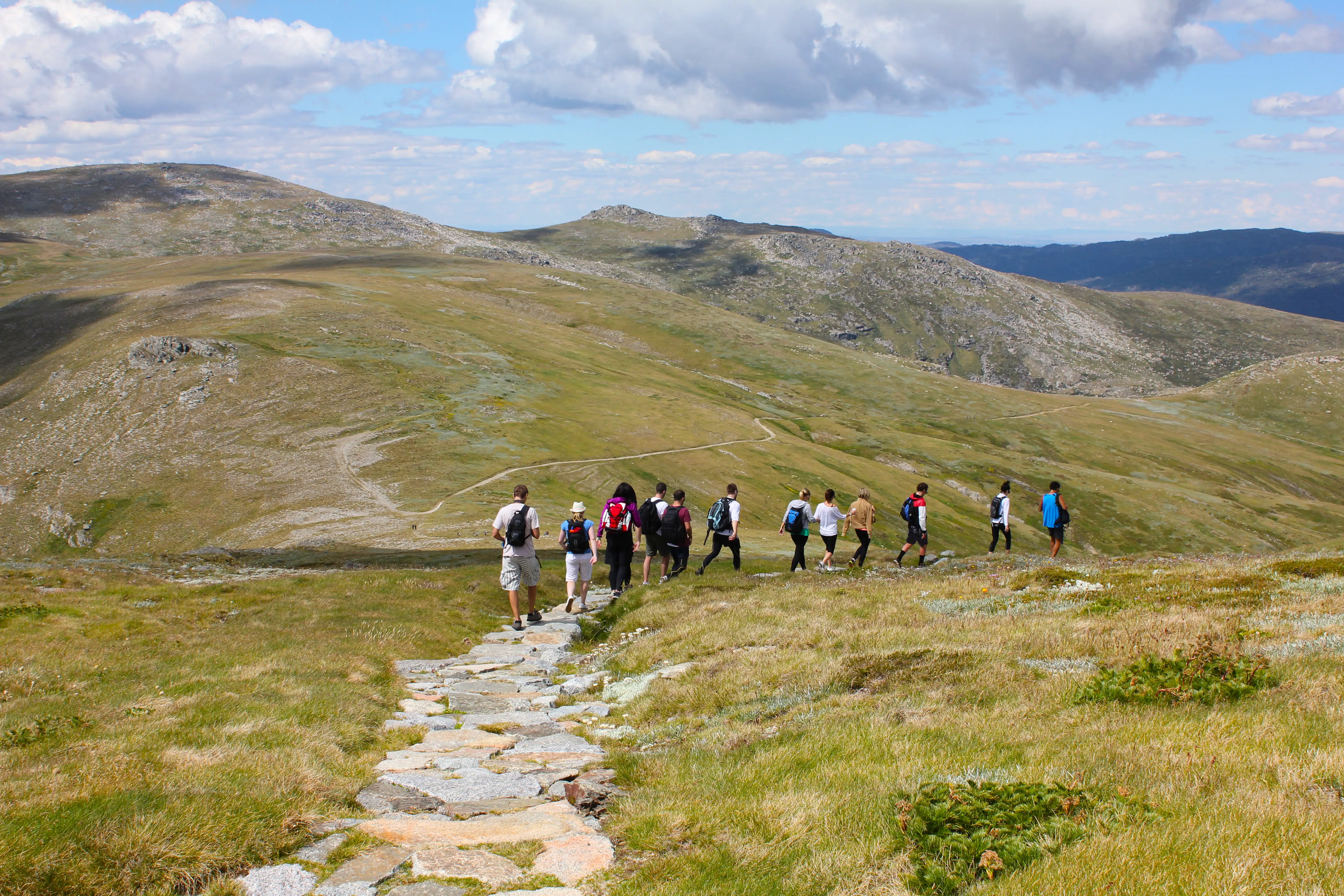
Nature Scripts offers a different approach – one that's cost-effective, accessible and builds on something humans have always known: spending time in nature makes us feel better.
Our key finding is that sustained, curated, group-based engagement with nature can provide substantial long-term benefits for those with mild to moderate mental illness.
This requires either repeating programs or encouraging other forms of continued nature exposure as part of everyday life.
As mental health challenges continue to rise, Nature Scripts deserve serious exploration and consideration in broader healthcare strategies.

Education
Are the kids OK?
Programs like this show us that sometimes the most innovative solutions are also the simplest and oldest.
Time spent immersing in nature has much to offer, at least when it comes to young people's wellbeing and mental health. The economic pay-off is an added bonus.
If you’d like more information about the program, you can find it on the People and Parks Foundation website.