

A ‘choose your own adventure’ guide to MIFF 2026
This year’s Melbourne International Film Festival has reality-bending tales, rarely screened classics and fully immersive experiences – choose your path and let MIFF do the rest


Published 29 July 2026
This August, Melbourne will become a city of strangers sitting together in the dark.
The Melbourne International Film Festival (MIFF), Australia’s oldest celebration of cinema, runs from 6-23 August and gifts us hundreds of opportunities to step out of our routines and into darkened theatres to experience the glory of home grown and international film.
Much of our daily media consumption these days feels less about investing our attention than regulating our nervous systems. We re-stream our comfort shows to self-soothe, often as we scroll on our second (or third) screens.
MIFF offers us a circuit breaker from personalised algorithms. The program poses the same question as every streaming service: what do you want to watch?
But despite its expert curation, the program is still too large for any one person to master.
So how do we navigate it in a way that recharges us rather than drains us? Instead of a definitive ‘best of’, we suggest a 'choose your own adventure’ approach.
Across the program, we’re breaking it down through the different ways film impact an audience. You can explore film as: expansions of reality, opportunities for repair, calls to collaborate and connect, and sites to reinvent the screen itself.
Follow the path that speaks to you or let it take you somewhere you would never have arrived alone.
Expand your reality
These films destabilise familiar boundaries – between documentary and fiction, human and artificial, the ordinary and the uncanny – and enlarge our sense of what reality now contains.
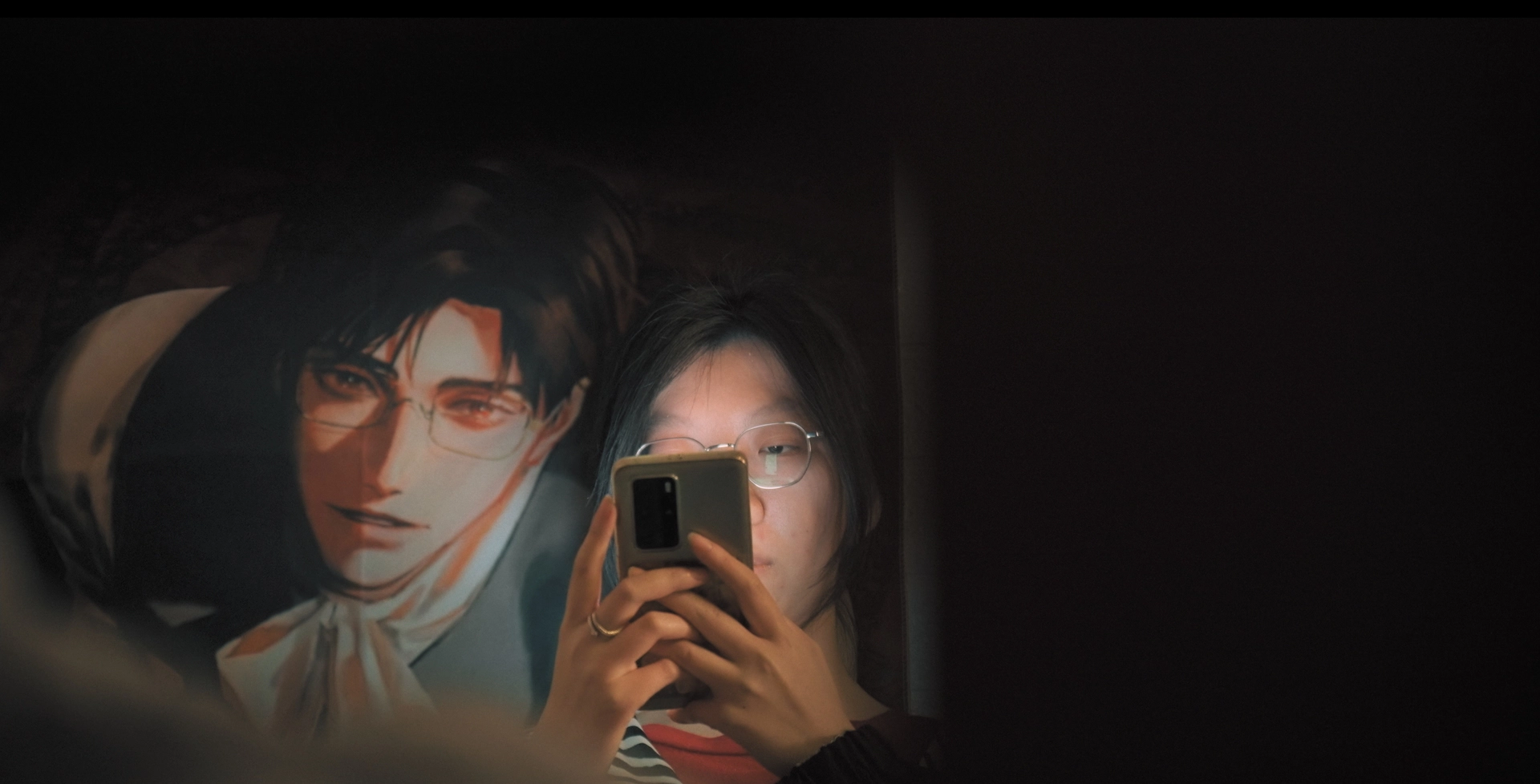
Watch this: Replica
Chouwa Liang’s feature-length directorial debut poses fascinating questions about romantic desire in the age of artificial intelligence.
Replica explores the appeal of romantic partners who possess few needs or desires of their own, perhaps offering women the notion of love detached from labour.
See also: Crocodile, Variations on a Theme, Whispers in May
Explore your empathy
Cinema can bring us into sustained contact with lives far beyond our own. At its best, it doesn’t reduce people to their circumstances or turn suffering into spectacle. It allows us to encounter them as complex people with desires, responsibilities, contradictions and dreams.
Watching together, we are invited not simply to observe another life, but to share, briefly, in how that life feels.
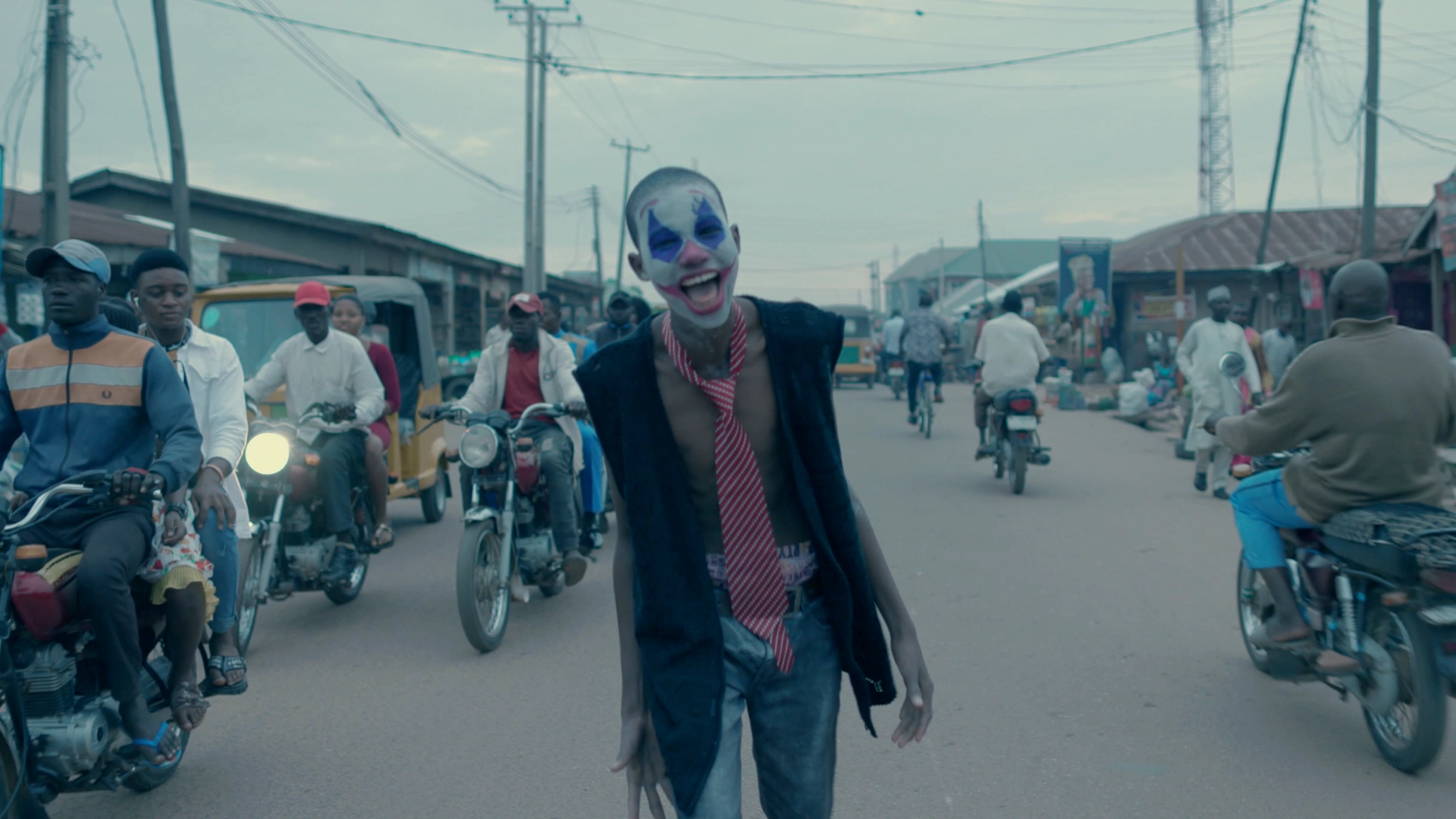
Watch this: Congo Boy
Set in Bangui in the Central African Republic, Congo Boy follows 17-year-old Robert, an aspiring musician, caring for his four younger siblings after his parents are imprisoned amid civil war.
Drawing on director Rafiki Fariala’s lived experience, the film refuses to define Robert through hardship alone. It sees him as an artist, brother, student and dreamer – asking us to witness his life and to share in its pressures, joys and possibilities.
See also: One in a Million, Waking Hours, The Way We Move
Arts & Culture
In 2026, we still need Robin Hood to be a hero
Witness radical collaboration
These films emerge through small-scale collaboration, resourcefulness and the generous exchange of creative labour.
They show how artistically ambitious work can be made outside conventional structures and hierarchies – not by a lone auteur, but by groups of people pooling their time, skills and passion in pursuit of a shared vision.
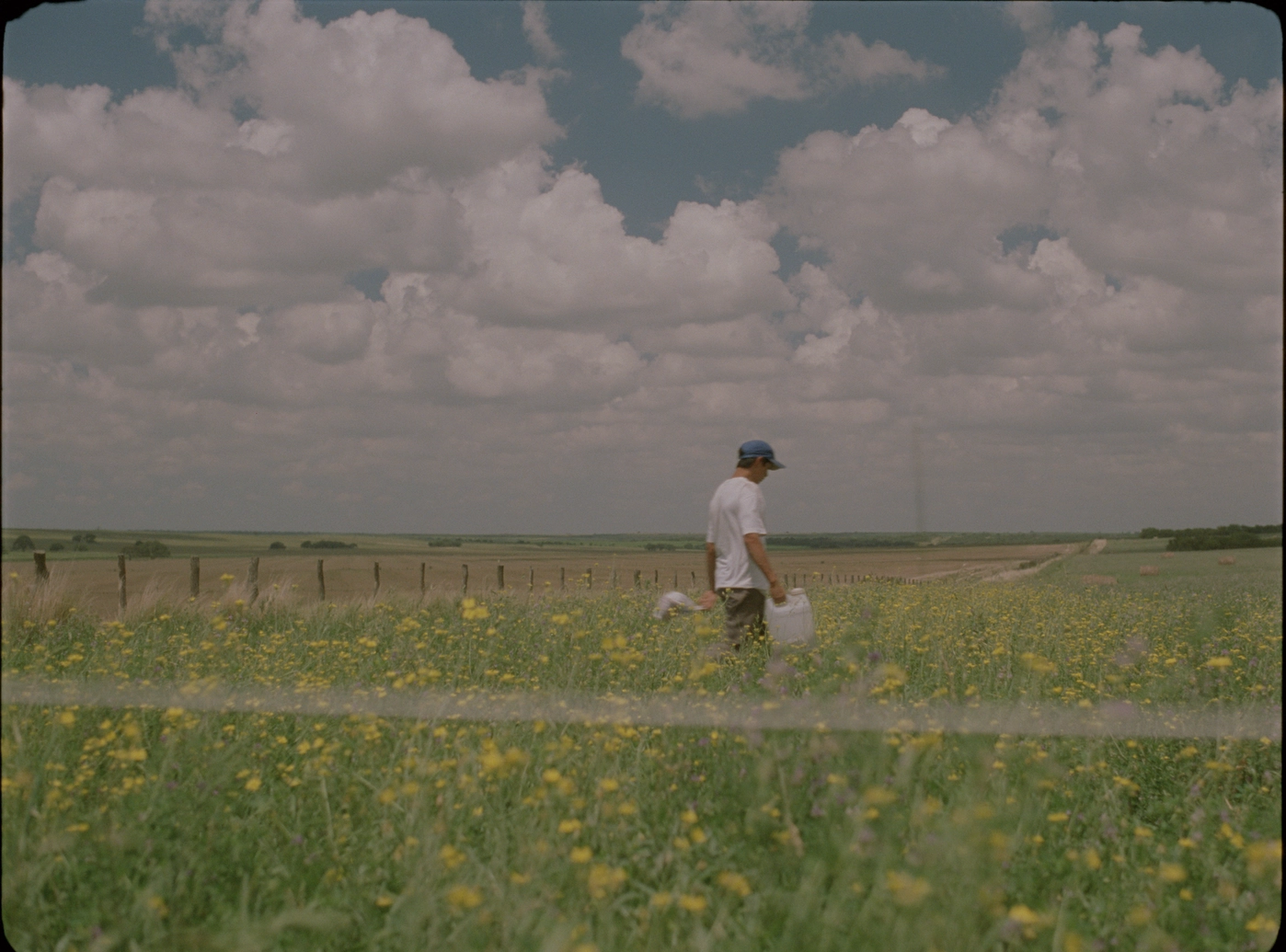
See this: La libertad
Lisandro Alonso’s debut feature was shot over just nine days on his parents’ property in 2001. La libertad offers a slow cinema experience, its material constraints a feature of – rather than a hindrance to – its aesthetic ambition.
The film’s fusion of documentary and fiction promises an interconnected approach to formal and narrative experimentation.
See also: Sweet Milk Lake, Dry Leaf, The Fox, Mad Rush
Relive rare cult classics
Retrospective screenings return overlooked, underseen and historically marginalised films to a living audience. A festival does more than retrieve a work from the archive: it allows that work to become culturally alive again.
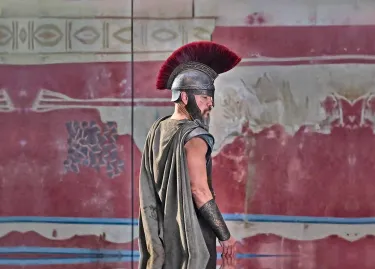
Watch this: The Enchantment of the Blue Sailors
Made in 1975, Ulrike Ottinger and Tabea Blumenschein’s rarely screened experimental film is an explosion of colour and sound, queer desire and gender-bending performance.
Seen with a new audience, its strange, playful and subversive energy returns vividly to life.
See also: Small Treasures: Animations by Sarah Watt, Barbara Forever, Aniki-Bóbó
Arts & Culture
What zombie stories tell us about our uncertain future
Immerse yourself
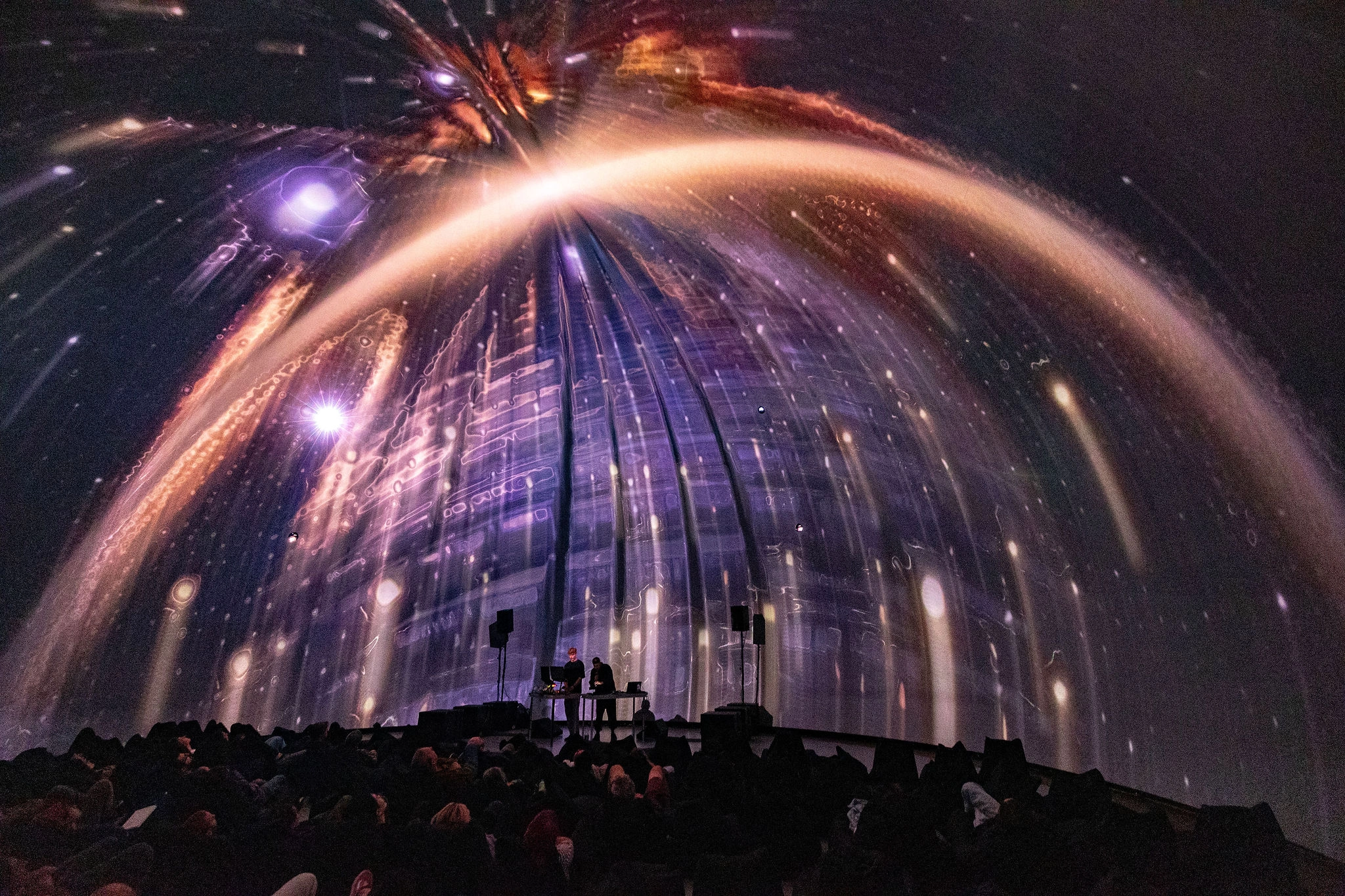
These experiences breach the boundaries of the flat screen, transforming cinema into something spatial, physical and immersive.
Watch this: Firestorm
Presented inside the Victorian College of the Art’s LED Volume Studio, the work surrounds its audience with a panoramic landscape of fire, converting both sound and visual into a completely absorbing experience.
It does not simply ask us to observe possible climate futures, but to feel ourselves situated within them. Here, the screen stops behaving like a window onto another world and becomes the environment itself.
See also: Fulldome Showcase Two and selected extended reality (XR) works: Rapid Eye Movement, Sense of Nowhere.
___________________________________________________________________________
The University of Melbourne is a proud partner of the Melbourne International Film Festival.