
Health & Medicine
The interconnectedness of human, animal and environmental health


The threat of H5 bird flu reaching Australia is looming, but new computer modelling is proving crucial in defending against the globally devastating virus

Published 2 March 2026
Currently, Australia is the only continent in the world still free from the highly contagious H5 bird flu. But that status faces an ongoing threat.
Samples collected in October last year by Australian Antarctic Program scientists on Heard Island, a sub-Antarctic Australian external territory located around 4000 kilometres south-west of Perth and 1700 kilometres north of Antarctica, have confirmed the presence of the virus in the island’s elephant seals.
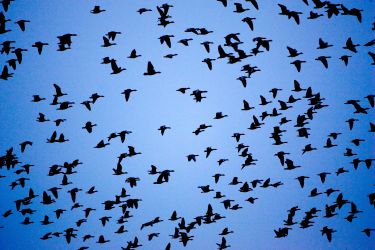
It is well understood that a single infected migratory bird can introduce the virus to our continent.
The question is, if it arrives here, how prepared are we?
The H5 bird flu virus has caused catastrophic damage to poultry industries globally. In the US, more than 190 million birds have been affected since 2022.
This particular strain of the virus has shown a disturbing ability to ‘jump’ species, affecting a range of hosts, including hundreds of mammal species and dairy cattle in the US.
In late 2023, researchers estimated it had killed nearly 97 per cent of elephant seal pups on Peninsula Valdés in Argentina.
The virus spreads via the movement of infected animals, especially migratory wild birds, but also through contaminated equipment or gear – even aerosols.
This widespread, multi-species infection cycle makes H5 bird flu an unprecedented biosecurity challenge.
For Australia, the arrival of H5 bird flu could be devastating for our multi-billion-dollar poultry industries, including chicken, duck, turkey, emu and ostrich.
It would have an even greater economic impact than we have seen with previous strains of bird flu.
Health & Medicine
The interconnectedness of human, animal and environmental health
The ecological damage to our unique wildlife could also be profound, compounding the threats already facing the many vulnerable species across the continent.
The good news is that the Australian government has recognised the severity of the threat and is investing more than AUD$100 million to strengthen bird flu preparedness and enhance our national response capability.
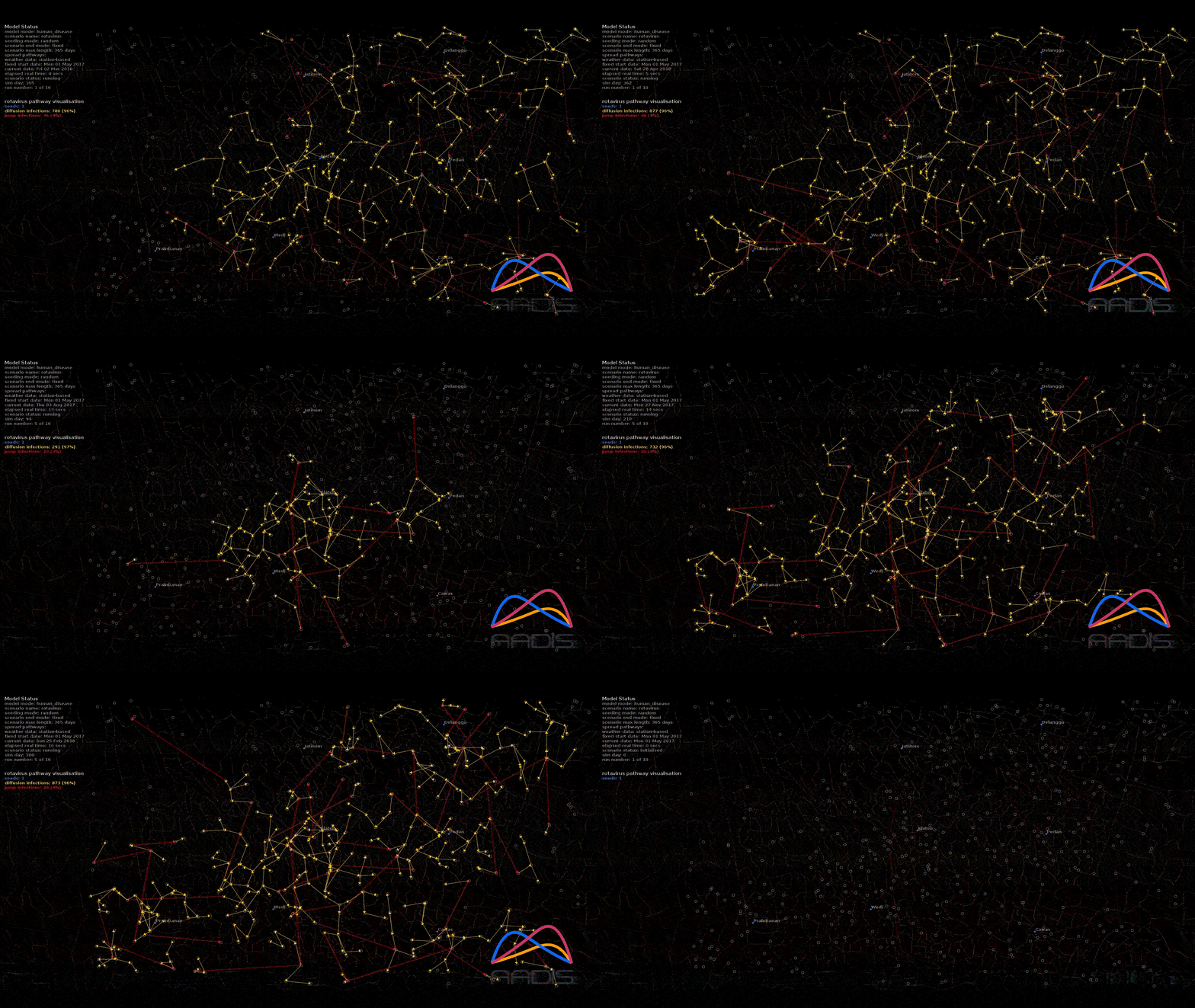
A digital defence system called the Australian Animal Disease Spread Model (AADIS) forms an important part of the country’s preparedness.
This system is the result of a collaboration between the Centre of Excellence for Biosecurity Risk Analysis (CEBRA) at the University of Melbourne and the Australian Department of Agriculture, Fisheries and Forestry.
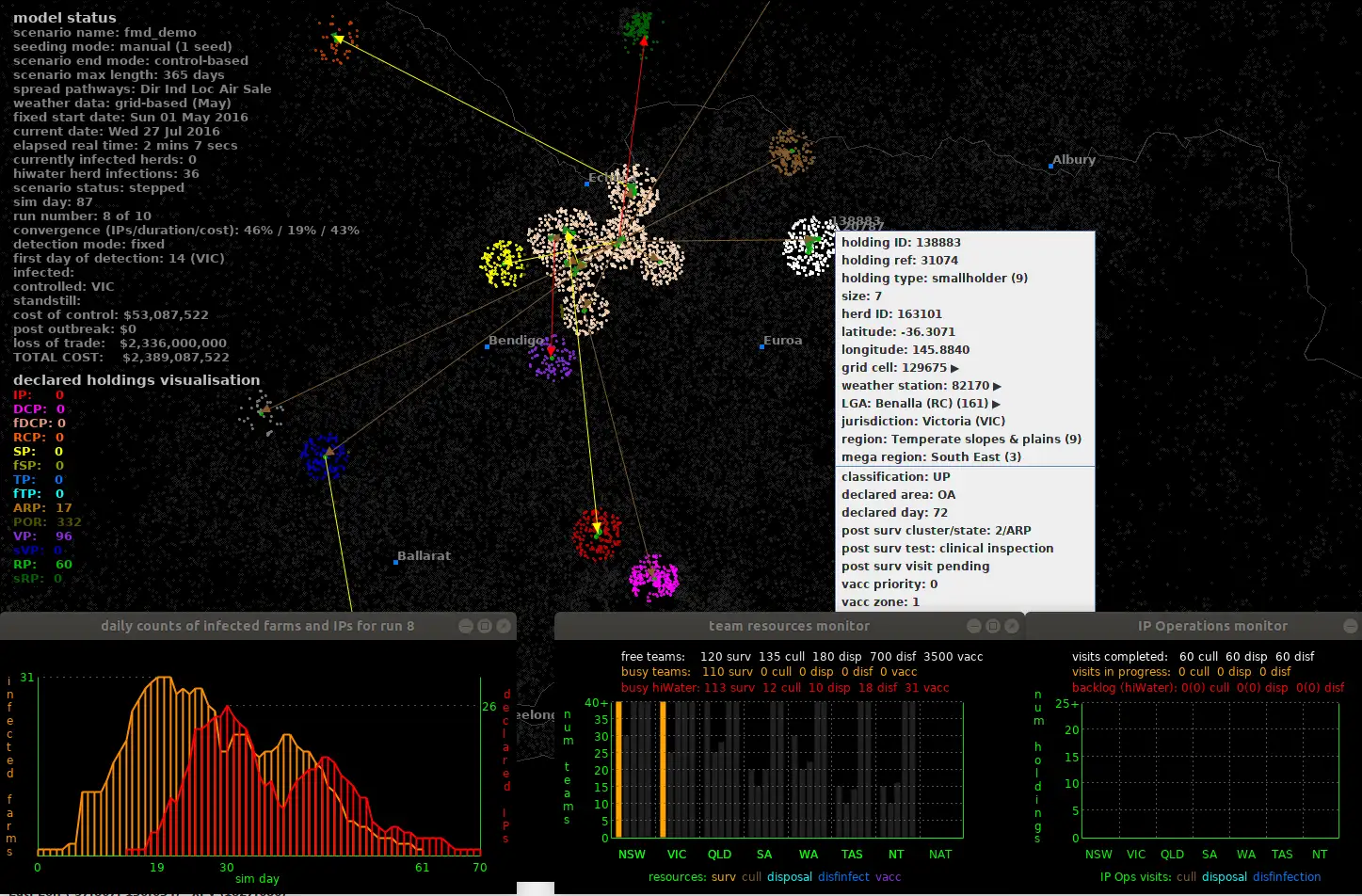
AADIS is Australia’s national decision support tool for emergency animal diseases, which also includes foot-and-mouth disease, African swine fever and lumpy skin disease.
The value of AADIS is its ability to run sophisticated simulations of potential outbreaks and evaluate the cost-effectiveness and resourcing implications of possible disease response strategies.
AADIS has already been successfully adapted for use in more than 20 countries.
The European adaptation of AADIS (EuFMDiS) was recently used to help authorities during outbreaks of foot-and-mouth disease and sheep and goat pox in several countries.
Health & Medicine
Bird flu, human cases and the risk to Australia
Our team at CEBRA is working with partners in research, industry, and State and Commonwealth government departments to specifically adapt AADIS for the highly pathogenic H5 avian influenza (HPAI) bird flu.
This new model, AADIS-HPAI, is an AgriFutures-funded project that could prove critical for Australian response planning.
It will help assess the risk of H5 bird flu to Australian poultry industries, providing insights into the disease’s potential spread and evaluate our options for its control.
AADIS-HPAI will also allow us to run thousands of scenarios to better understand how and where the virus might spread across the Australian landscape.
It can factor in the movement of people, vehicles, livestock and feed.
So, if we think an infected migratory bird might land in Tasmania, we can put that scenario into AADIS-HPAI to model how the virus might spread from there.
Critically, it will allow decision-makers to assess the cost-effectiveness and resource requirements of the options available to the response teams attempting to control an outbreak.
We will model everything from targeted depopulation, movement controls and quarantine, to potential vaccination strategies – providing a scientific basis for emergency decisions.
Its aim is to save both time and taxpayer money in a crisis.
By simulating a hypothetical outbreak before it happens, AADIS-HPAI offers a strategic blueprint for a national response.
It ensures that limited resources – like veterinary staff and essential equipment – are deployed where they will have the greatest impact.
The detection at Heard Island underscores a harsh reality: Australia’s geographic isolation, while helpful, may no longer be a sustainable shield.

Sciences & Technology
Could Australia avoid egg shortages with better biosecurity?
Our vigilance, combined with cutting-edge tools like AADIS-HPAI, provides the best chance to protect our agriculture, our unique wildlife and our economy from a virus that is causing havoc around the world.
We can’t predict when the virus might arrive, but we can prepare carefully for when it does.
For now, the wait continues.